Nerve pain in the hands often feels like tingling, burning, numbness, or an electric shock. It can happen when a nerve is squeezed at the wrist or elbow, irritated in the neck, or damaged by a condition such as diabetes. Where you feel it matters: symptoms in a few fingers may point to a trapped nerve, while symptoms in both hands and feet may suggest a wider nerve problem.
The right treatment depends on the cause. A wrist splint or physical therapy may help some people, but lasting numbness, worsening pain, or weakness deserves a medical exam. Finding the source early can help protect your grip and make everyday tasks easier.
I'm Sonny Dosanjh, M.D., a physician board certified in Physical Medicine and Rehabilitation and fellowship trained in pain management. At Medici Orthopaedics & Spine, my work with spine conditions and nerve-related pain shapes how I evaluate nerve pain in hands and look for the least invasive treatment that fits the cause.
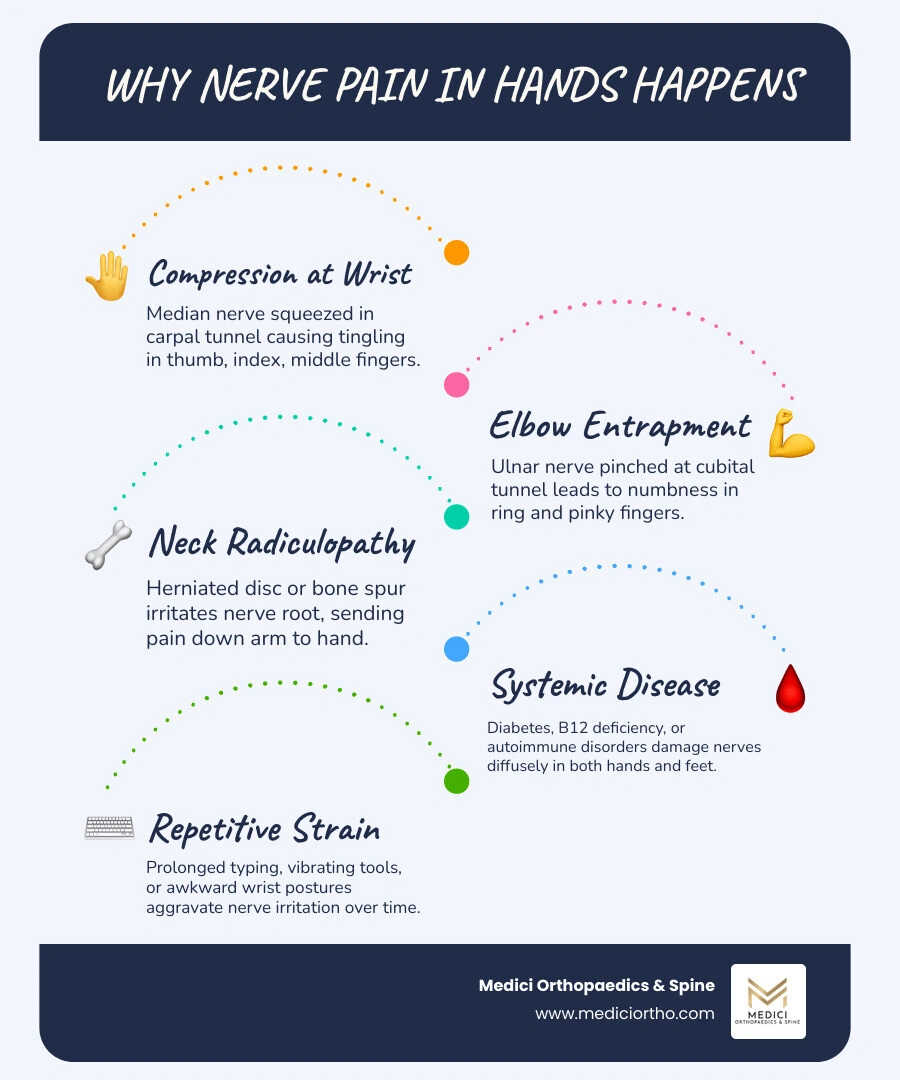
Nerve pain in hands terms explained:
Neuropathic discomfort behaves quite differently from standard muscular soreness or joint aches. While muscle fatigue usually dulls with rest, irritated nerves misfire continuously, sending erratic signals of paresthesia, deep burning sensations, and sudden electric shocks down the arm into the fingers.
Over time, sustained sensory nerve impairment can transition into motor nerve dysfunction. When the motor branches suffer prolonged compression or systemic damage, muscle weakness sets in. Patients often notice subtle coordination issues first, such as fumbling with keys or dropping coffee mugs, before visible thenar atrophy (loss of muscle bulk at the base of the thumb) appears.
Patients describe neuropathic symptoms in remarkably vivid ways. Many report an unrelenting sensation of pins and needles or an uncomfortable feeling of wearing thick, invisible gloves. Others experience hypersensitivity, where even brushing against a light bedsheet triggers intense irritation.
Recognizing early hand nerve damage symptoms helps prevent permanent sensory loss. Often, the earliest sign is persistent fingertips tingling, which signals that the distal sensory receptors are under stress.
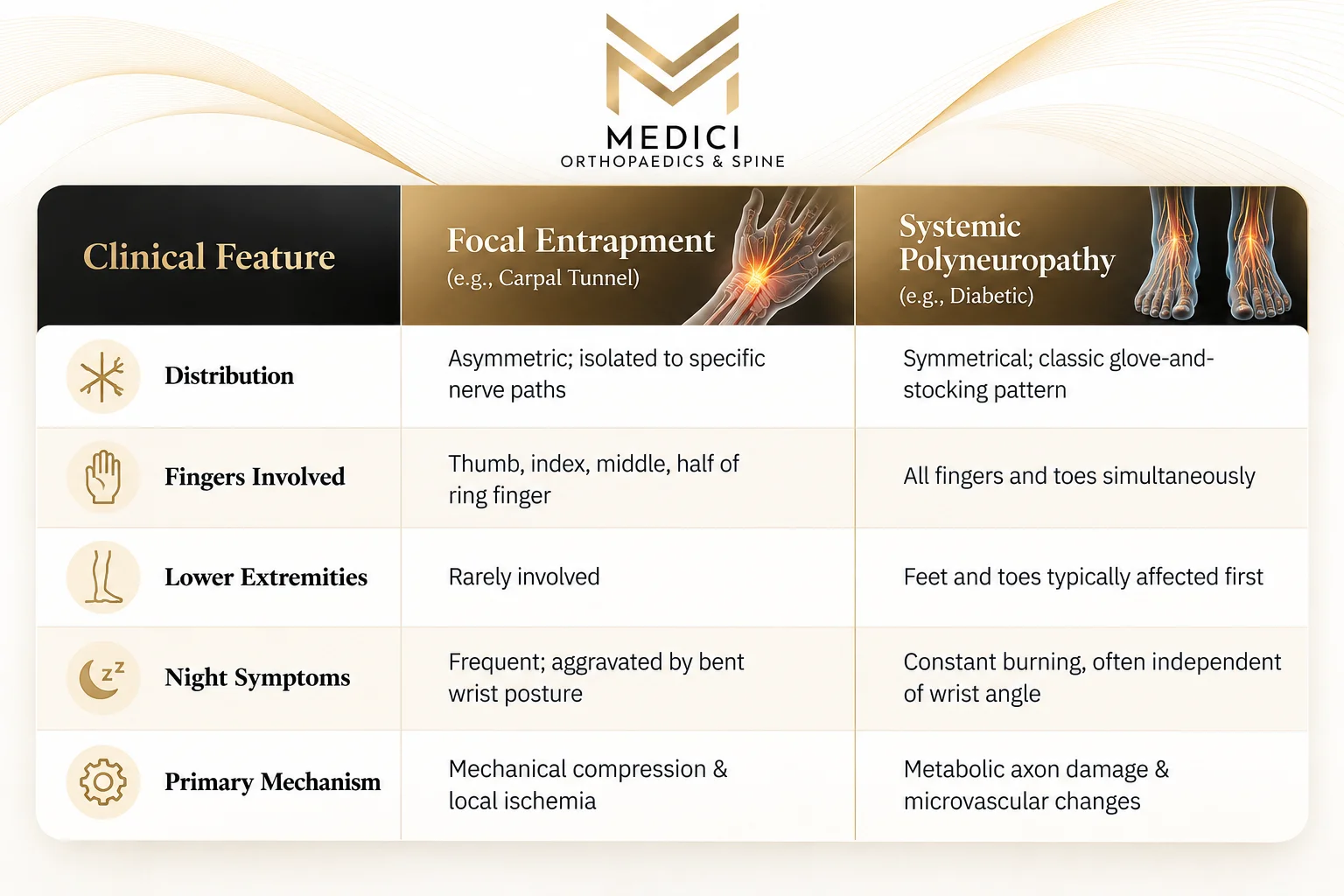
Determining the origin of your discomfort begins with mapping where the sensations occur. A focal mononeuropathy involves a single peripheral nerve being physically compressed at a specific anatomical site, such as the median nerve in the wrist. In contrast, polyneuropathy involves widespread, systemic metabolic or toxic irritation affecting multiple nerve fibers simultaneously.
Polyneuropathy usually produces a symmetrical "glove-and-stocking" pattern, often leading to hands and feet feeling numb concurrently. Meanwhile, focal entrapments like carpal tunnel syndrome classically produce nocturnal flare-ups localized to specific fingers.
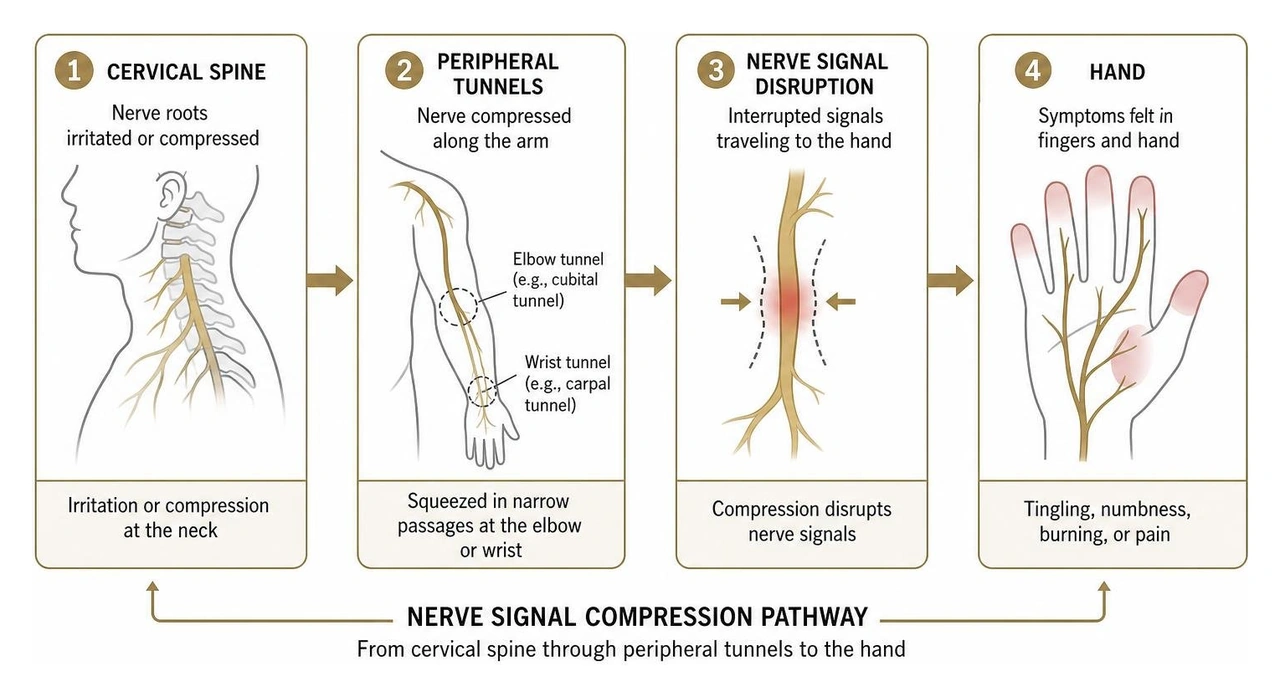
Uncovering the precise etiology behind your symptoms requires evaluating mechanical pinch points, spinal alignment, and metabolic health.
The upper extremity contains several tight fibro-osseous tunnels where peripheral nerves are vulnerable to swelling and repetitive strain:
Your hand symptoms might not originate in your arm at all. Irritation of the cervical nerve roots (specifically C6, C7, or C8) from a bulging disc, bone spur, or spinal stenosis frequently causes referred pain down the arm. Understanding how a cervical radiculopathy pinched nerve produces distal sensory disturbances is a key component of an interventional spine care complete guide.
Systemic conditions alter nerve conduction biochemically rather than through physical compression:

An accurate diagnosis prevents unnecessary procedures and targets treatment at the true anatomical source. A detailed clinical evaluation explores what causes nerve pain in your hands through several validated steps:
At Medici Orthopaedics & Spine, we believe in a stepped, multimodal approach. We find that combining therapies creates a synergistic effect, helping patients achieve lasting relief without relying solely on heavy medications or premature surgery.
Approximately 70% to 90% of mild-to-moderate carpal tunnel cases respond favorably to conservative, non-operative management:
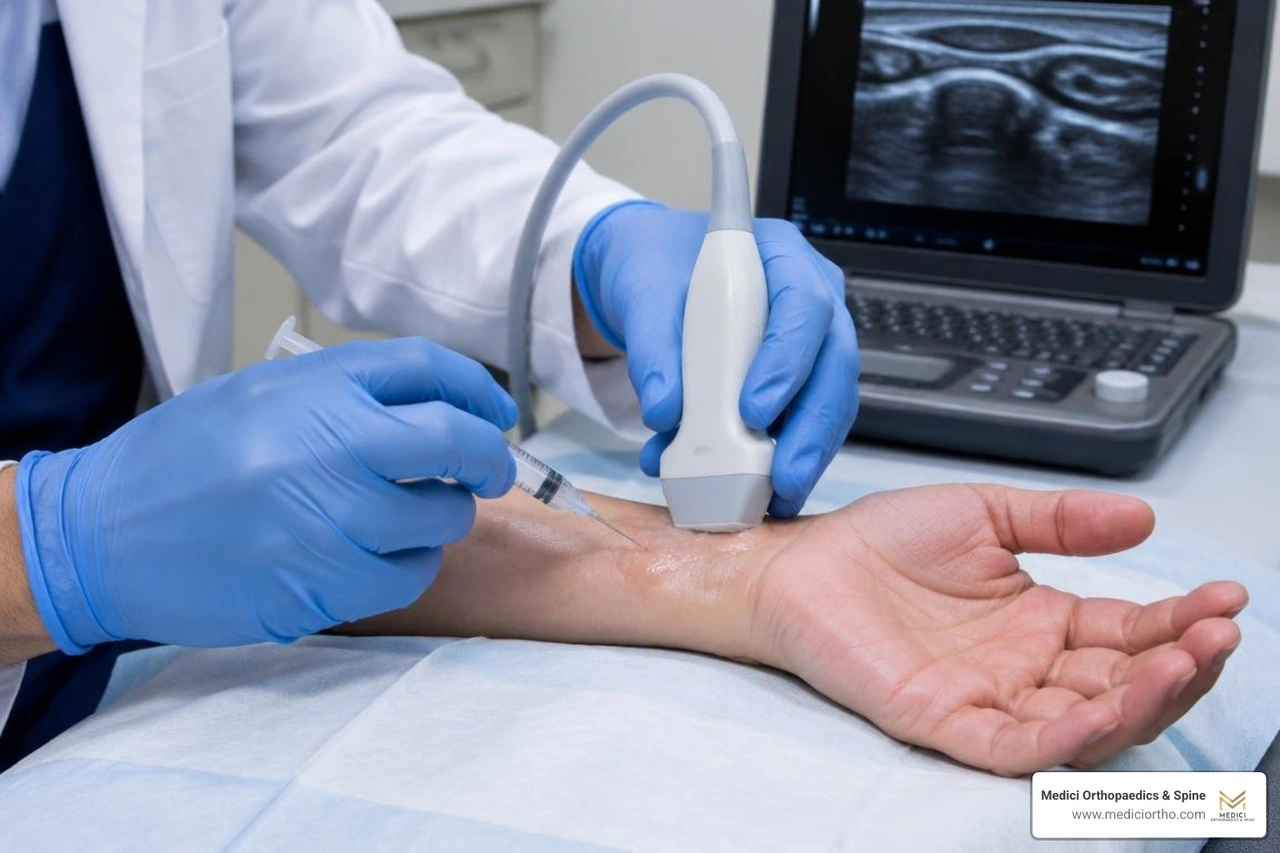
When conservative measures need reinforcement, targeted interventional procedures deliver direct, localized relief:
Surgical intervention, such as open or endoscopic carpal tunnel release, is reserved for patients with severe nerve entrapment, progressive axonal loss, or symptoms refractory to conservative care. While initial surgical success rates surpass 90%, long-term symptom relief settles near 60% at five years, highlighting the value of exhaustive non-surgical management and proper post-decompression rehabilitation.
Proactive adjustments minimize daily stress on peripheral nerves:
Under the right physiological conditions, peripheral nerves can regenerate at an average rate of approximately one millimeter per day (about one inch per month). Reversibility depends on early decompression, correcting metabolic factors like blood sugar or B12 levels, and maintaining healthy blood supply. Learn more about biological recovery timelines in our guide on whether nerve pain can be reversed.
Many people naturally sleep with their wrists curled inward, which can increase carpal tunnel pressures up to ten times above normal resting levels. Additionally, lying flat redistributes dependent fluids into the upper extremities, increasing local tissue pressure. If you regularly wonder why I wake up with numb hands, a rigid nocturnal neutral-wrist splint can offer substantial relief.
You should seek a comprehensive evaluation if you experience persistent numbness, dropping items, or visible thinning of the hand muscles. Our clinical team evaluates complex cases to provide specialized hand nerve pain treatment and address finger coordination loss before permanent functional deficits occur.
Living with tingling, numbness, or shooting pain in your hands does not mean you have to accept progressive nerve damage or jump straight to invasive surgery. By pinpointing whether your symptoms stem from a localized wrist entrapment, cervical nerve root irritation, or a systemic metabolic issue, early intervention can successfully restore sensation and protect your grip.
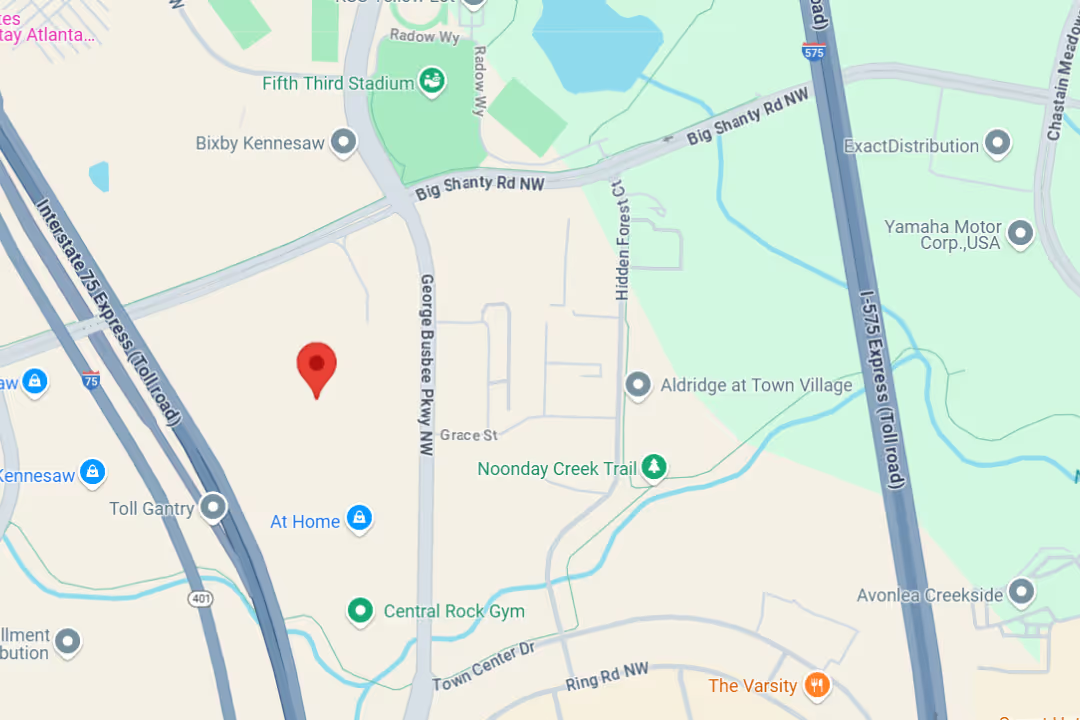
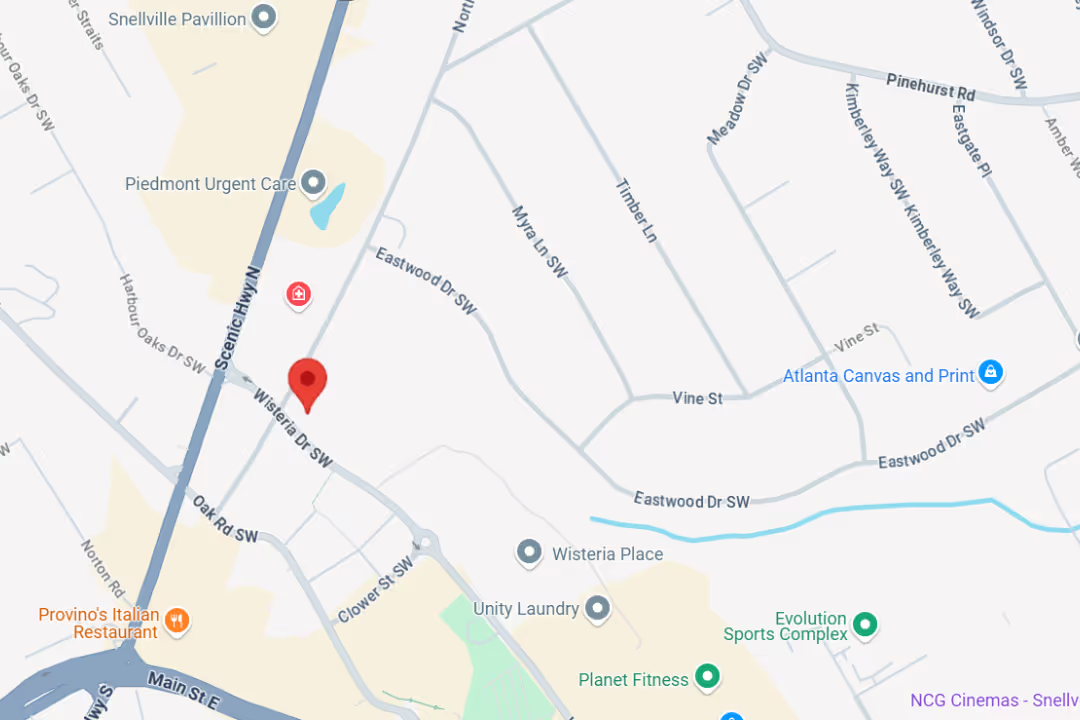
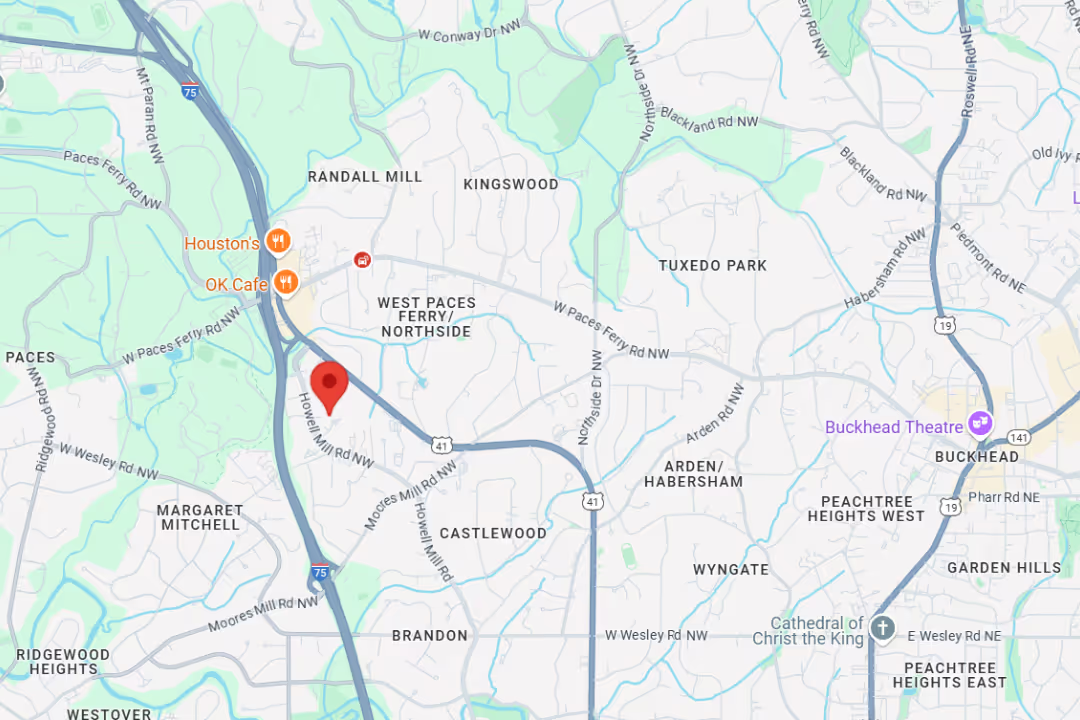
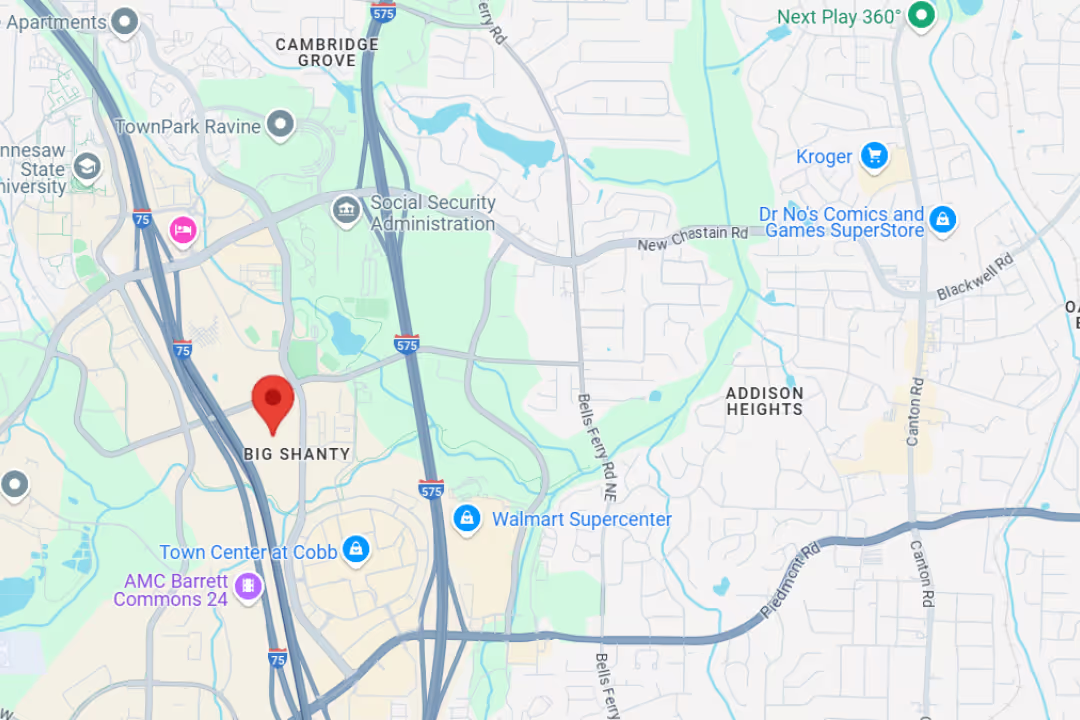
At Medici Orthopaedics & Spine, Dr. Sonny Dosanjh and our clinical team provide comprehensive care across our clinics in Snellville, Kennesaw, Buckhead, Marietta, and Atlanta, Georgia. We combine advanced diagnostic evaluations with physical therapy, regenerative medicine, and targeted interventional pain management to restore your quality of life through the least invasive methods possible. If you are ready to take control of your symptoms, explore our guide on how to relieve tingling sensation in hands naturally or contact us today to schedule your consultation.
At Medici, you’re more than your MRI.
We take time to hear your story, understand your pain, and create a plan that actually works for you.

Our team delivers specialist care at convenient locations across Metro Atlanta:
Get expert tips on injury recovery, pain relief, joint health, and movement strategies—straight from our Fellowship-Trained team.