If you're dealing with hand nerve pain treatment finger coordination loss, here is a quick overview of your main options:
| Treatment Type | Examples | Best For |
|---|---|---|
| Conservative care | Wrist splinting, NSAIDs, B vitamins | Mild to moderate nerve compression |
| Physical therapy | Nerve gliding, grip exercises, sensory re-education | Coordination loss, post-injury rehab |
| Interventional | Corticosteroid injections, spinal cord stimulation | Persistent or chronic nerve pain |
| Minimally invasive surgery | Carpal tunnel release, nerve decompression | Severe compression, failed conservative care |
| Nerve repair/grafting | Microsurgical repair, nerve conduits | Transected or severely damaged nerves |
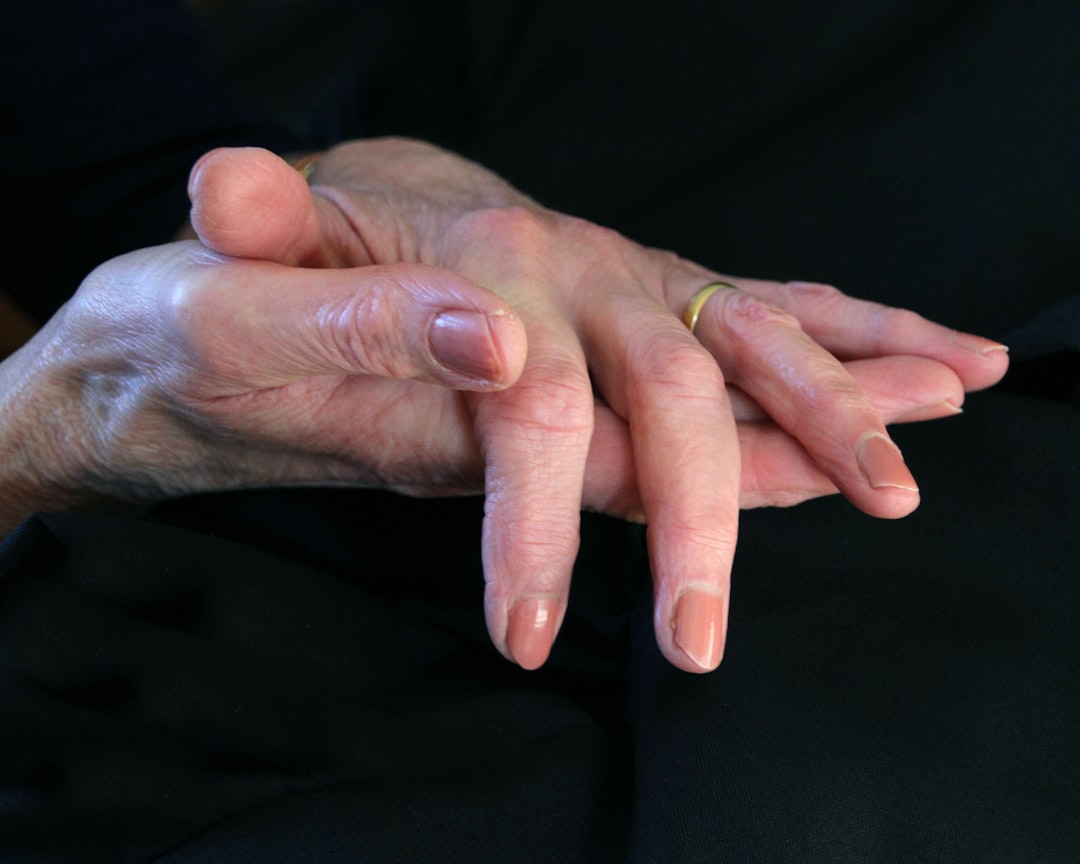
Dropping your coffee cup. Fumbling with buttons. Fingers that, as one patient put it, "just don't do what they're told." These aren't just annoyances — they're warning signs that the nerves controlling your hand are under stress.
Hand nerve pain and coordination loss affect millions of Americans every year. Median nerve injuries alone account for roughly 8 million emergency department visits annually in the United States. Carpal tunnel syndrome — the most common nerve compression condition of the upper extremity — affects up to 3% of the general population, with women affected at nearly seven times the rate of men.
What makes nerve injuries especially serious is their time sensitivity. Unlike a sprained ligament or bruised muscle, nerves regenerate slowly — roughly 1 inch per month under the best conditions. Motor nerves have a critical recovery window of 12 to 18 months before permanent muscle deterioration can set in. The longer treatment is delayed, the harder recovery becomes.
The good news? Most cases of hand nerve pain and finger coordination loss are treatable — often without surgery — when caught and addressed early.
I'm Dr. Sonny Dosanjh, M.D., a board-certified Physical Medicine & Rehabilitation specialist and fellowship-trained pain management physician at Medici Orthopaedics & Spine, with extensive experience diagnosing and treating the full spectrum of hand nerve pain, treatment-resistant nerve conditions, and finger coordination loss across Metro Atlanta. In this guide, I'll walk you through everything you need to know — from identifying the cause of your symptoms to choosing the right treatment path.
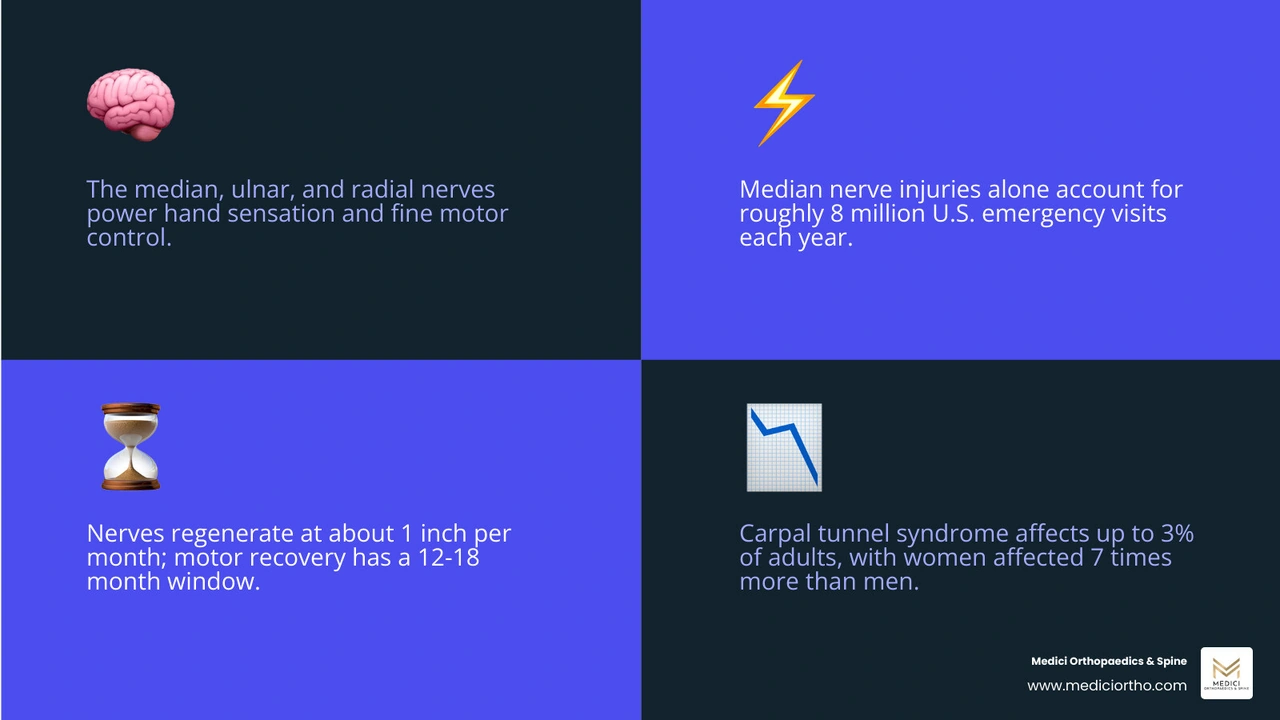
To understand why your fingers lose their rhythm, we have to look at the wiring. The hand is powered by three primary nerves that originate in the neck (cervical spine) and travel all the way down the arm: the median, ulnar, and radial nerves.
When any of these pathways are compressed, stretched, or physically damaged, the electrical signals traveling to and from your brain are disrupted. The result is a dual-layered problem: you experience sensory issues like burning pain or numbness, alongside motor issues like a sudden loss of dexterity.

Let's break down the three main pathways:
When these pathways are compromised, you may experience a variety of uncomfortable sensations. If you are wondering about the broader context of these sensations, you can read more about What Causes Tingling and Numbness in Hands and Feet.
Furthermore, according to clinical literature on Median Nerve Injury research, focal nerve injuries can stem from acute trauma, chronic micro-trauma, or systemic diseases. When the myelin sheath (the nerve's protective insulation) or the axon itself is damaged, the brain receives scrambled pain signals while losing its fine-tuned connection to your hand muscles.
Not all hand tingling requires an immediate trip to our clinics, but waiting too long can lead to irreversible damage. We advise patients to monitor for "red-flag" signs that indicate the nerve is experiencing severe, active damage.
You should seek prompt medical evaluation if you notice:
For a comprehensive look at when hand symptoms require specialized intervention, explore our guide on Hand, Wrist Pain and Injuries.
While local nerve compression at the wrist or elbow is highly common, hand nerve pain and coordination loss can also be triggered by systemic conditions or trauma:
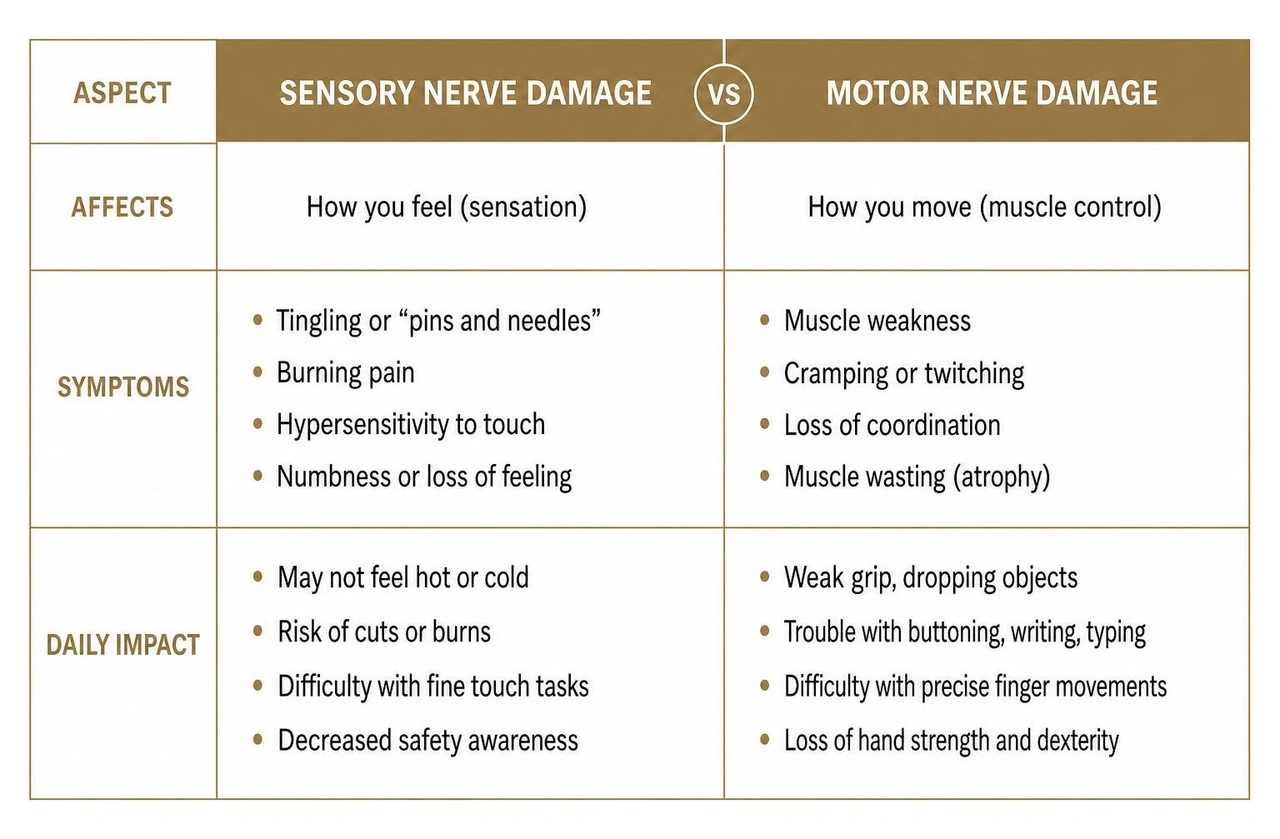
To target the right hand nerve pain treatment finger coordination loss protocol, we must distinguish between sensory and motor nerve fiber damage. Many peripheral nerves in the hand are "mixed" nerves, meaning they contain both types of fibers. However, damage can affect one set of fibers more than the other.
Carpal tunnel syndrome (CTS) is the undisputed heavyweight of hand neuropathies, accounting for roughly 90% of all focal entrapment cases. The carpal tunnel is a narrow, rigid passageway of bones and ligaments at the base of your wrist. The median nerve and nine tendons slide through this tight space.
When repetitive motions, fluid retention, or inflammation cause the tendons to swell, the pressure inside the tunnel rises from a normal 2–10 mmHg to over 30 mmHg. This compression chokes off the blood supply to the median nerve.
According to authoritative Carpal Tunnel Syndrome research, early warning signs often present at night. Patients frequently wake up with numb, tingling hands and feel an instinctive urge to "flick" or shake their wrists to restore feeling (known as the "flick sign," which has a high diagnostic specificity).
During a clinical exam, we utilize specific physical tests to confirm median nerve compression:
Getting your fingers back in sync starts with an accurate diagnostic roadmap. We don't guess where the nerve is pinched; we map it using advanced diagnostic tools.
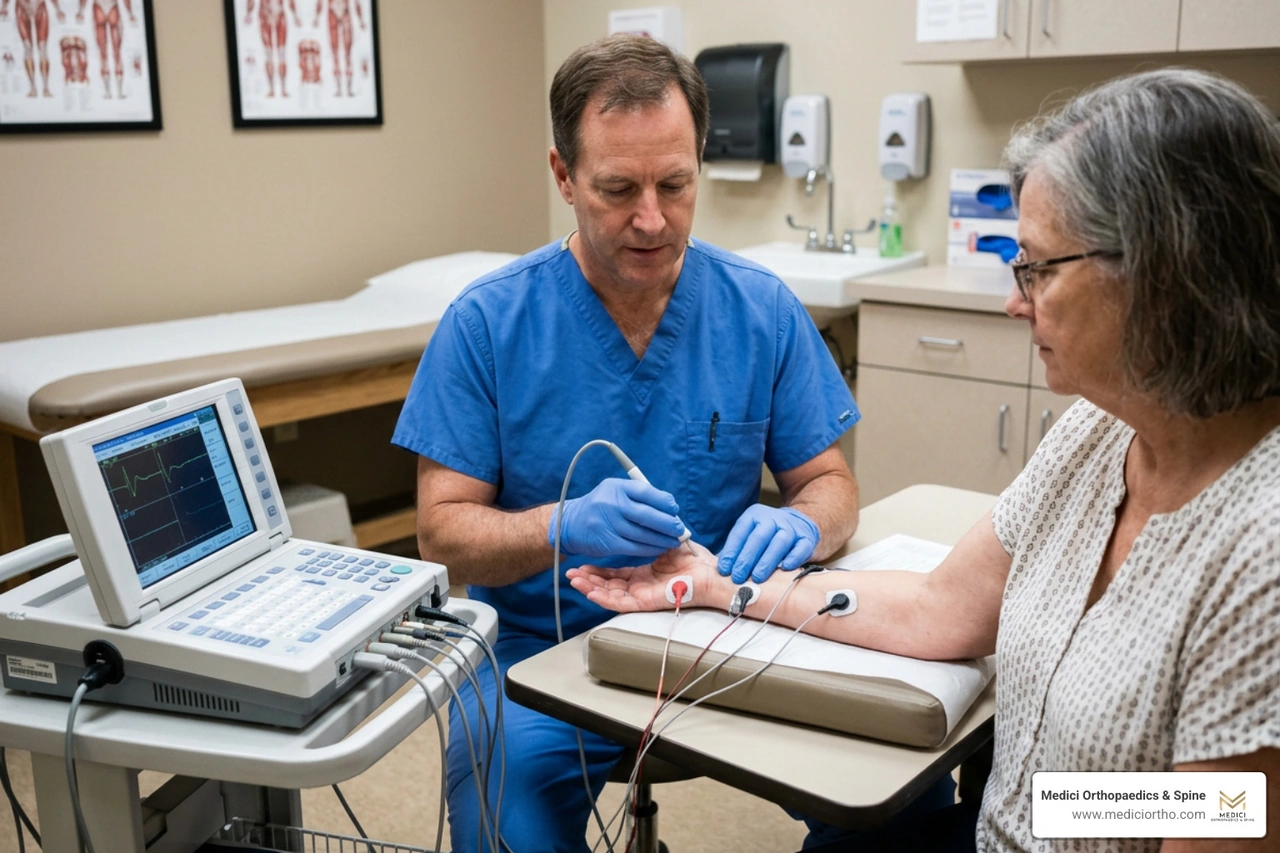
Once we have mapped the nerve damage, we design a customized, stepwise treatment plan. Our core philosophy at Medici Orthopaedics & Spine is to prioritize conservative, non-surgical therapies first, reserving surgery as a last resort.
If you are looking for initial steps you can take today, you might explore How Can I Relieve Tingling in My Hands Naturally or read about What Are the Best At-Home Remedies for Nerve Pain.
Furthermore, a landmark clinical trial on carpal tunnel interventions demonstrated that structured conservative care — including manual neurodynamic therapy (nerve gliding) and short-term anti-inflammatory protocols — achieved significant improvements in pain, hand function, and kinesiophobia (the fear of moving due to pain) compared to no treatment at all.
For patients dealing with chronic, persistent hand nerve pain that hasn't responded to standard at-home remedies, we offer a robust suite of advanced interventional treatments:
When conservative therapies do not yield results, or if diagnostic testing reveals severe, nerve-threatening compression, surgical intervention becomes necessary to protect hand function.
Nerves are incredibly slow to heal. Once a nerve is repaired or decompressed, axons regenerate at a rate of approximately 1 mm per day (about 1 inch per month).
Spinal Cord Stimulation (SCS) is an advanced neuromodulation therapy. Instead of trying to chemically numb the nerve or physically alter the hand, SCS targets the pain transmission pathway at the spinal cord level. The system sends mild electrical impulses that mask the pain signals traveling from your hand to your brain. It is highly effective for patients with chronic, treatment-resistant neuropathic pain, helping them reclaim their sleep, grip strength, and quality of life.
A bruised nerve (neurapraxia) generally recovers within 6 to 12 weeks. Because the internal fibers of the nerve are still physically aligned, you do not have to wait for the nerve to completely regrow from scratch. During this recovery window, we focus on protecting the hand from further strain, maintaining joint flexibility with physical therapy, and using supportive splints.
Absolutely. Your nerves are highly sensitive to your systemic health and daily habits. You can protect your nerve function by:
Losing your grip strength or feeling constant, burning pain in your hands can be incredibly frustrating. However, you do not have to live with the fear of dropping items or struggle through daily tasks. Early intervention is the absolute key to preventing temporary nerve irritation from turning into permanent, irreversible muscle wasting.
At Medici Orthopaedics & Spine, we are entirely committed to restoring your quality of life using the most effective, least invasive, and least drug-dependent programs available today. Whether you need custom physical therapy, precision ultrasound-guided injections, advanced Spinal Cord Stimulation, or a comprehensive diagnostic evaluation, our team is here to support you.
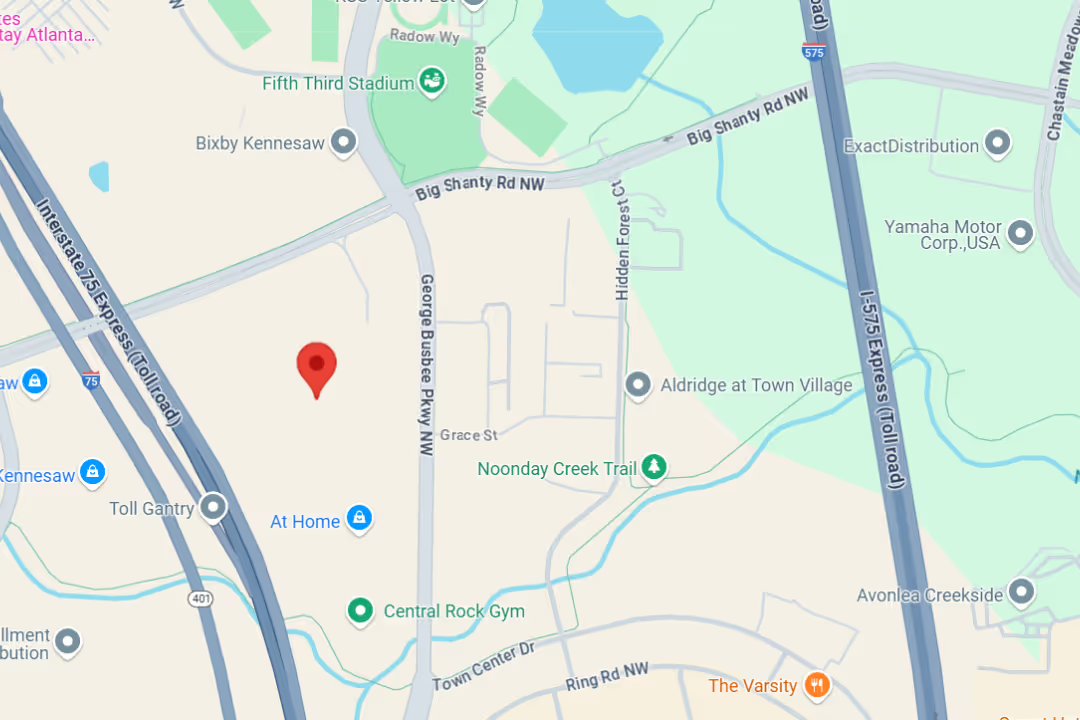
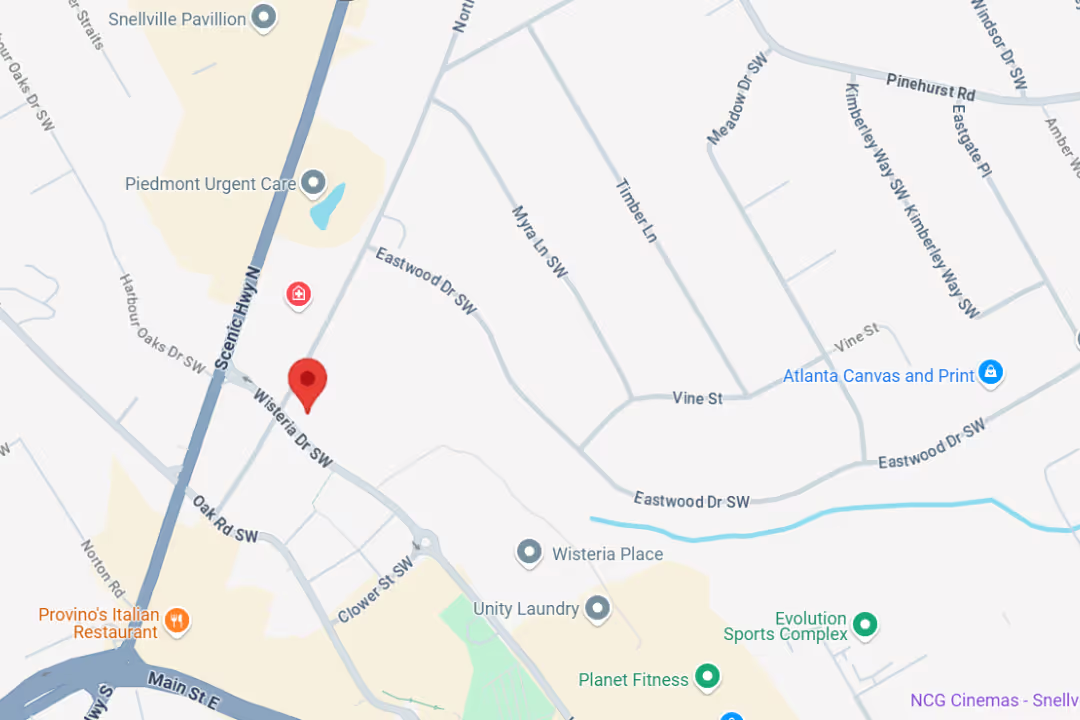
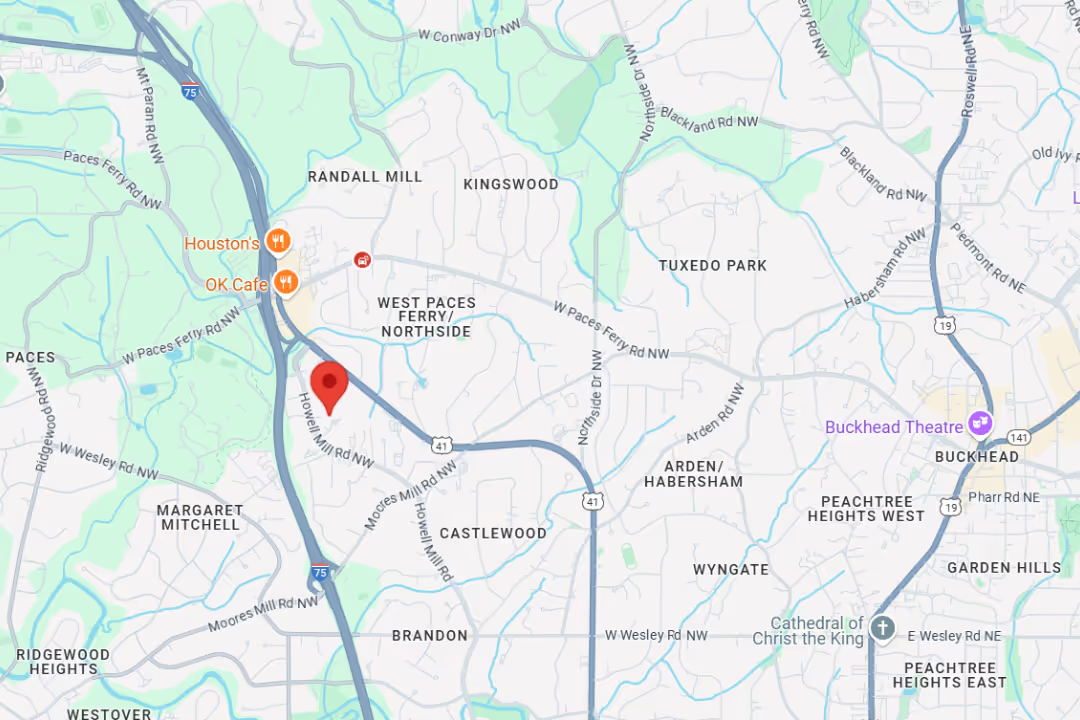
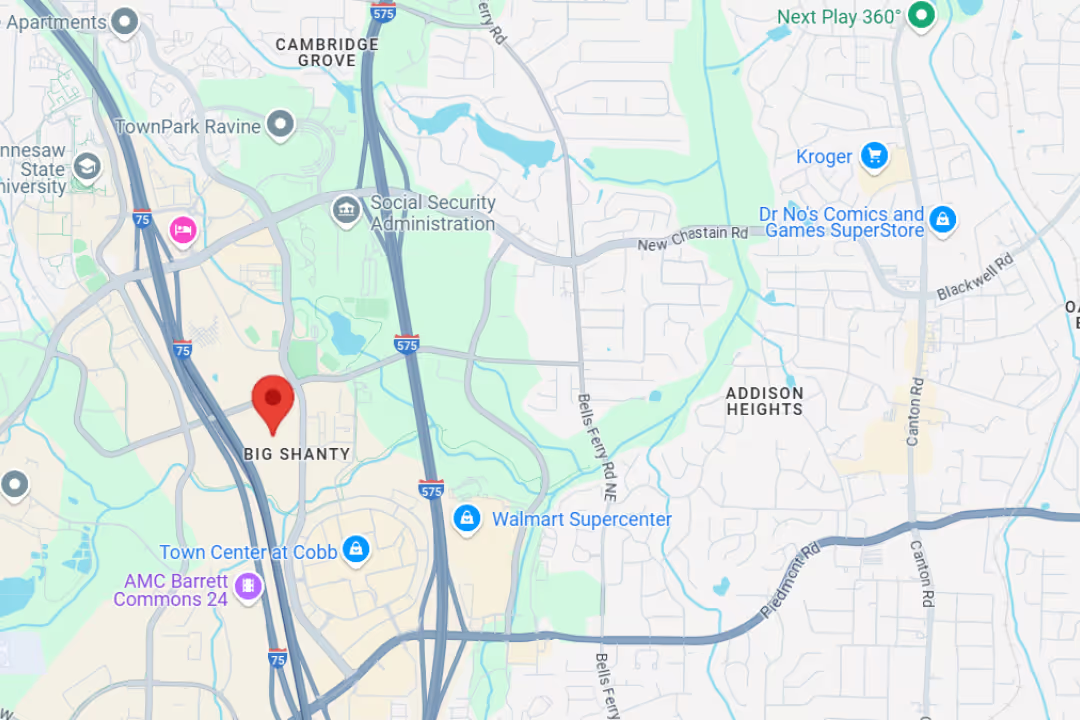
If you are ready to get your fingers back in sync and find lasting relief, schedule a consultation with a dedicated Nerve Pain Doctor in Atlanta at one of our convenient Metro Atlanta locations in Snellville, Kennesaw, Marietta, or Buckhead to begin your journey back to pain-free movement.
At Medici, you’re more than your MRI.
We take time to hear your story, understand your pain, and create a plan that actually works for you.

Our team delivers specialist care at convenient locations across Metro Atlanta:
Get expert tips on injury recovery, pain relief, joint health, and movement strategies—straight from our Fellowship-Trained team.