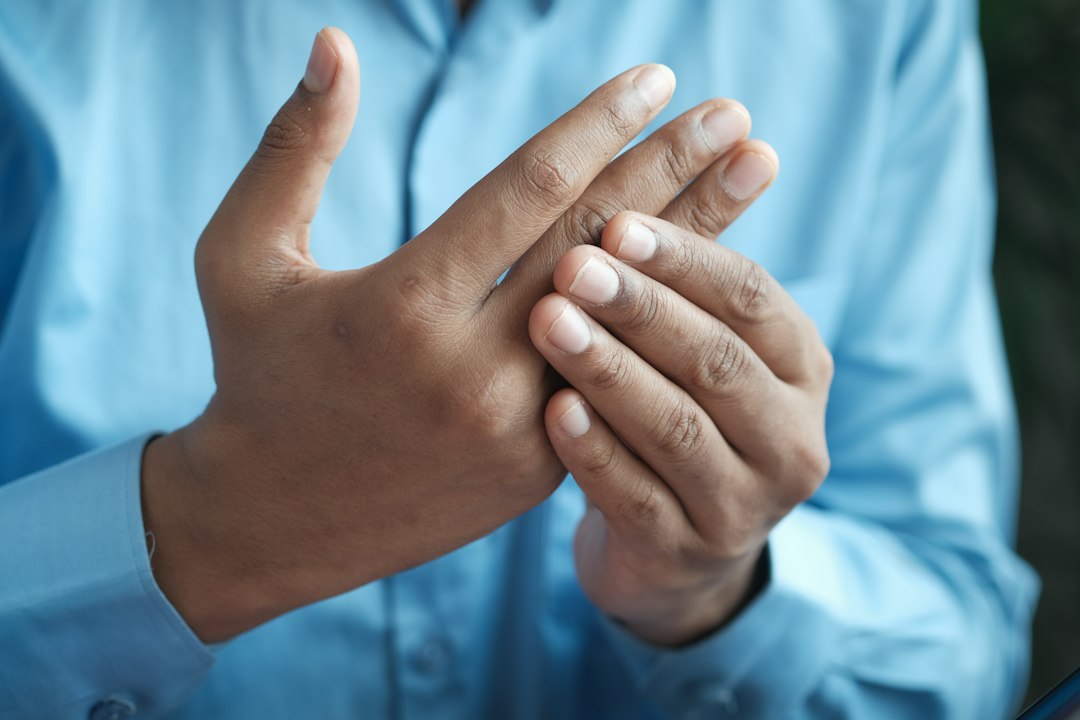
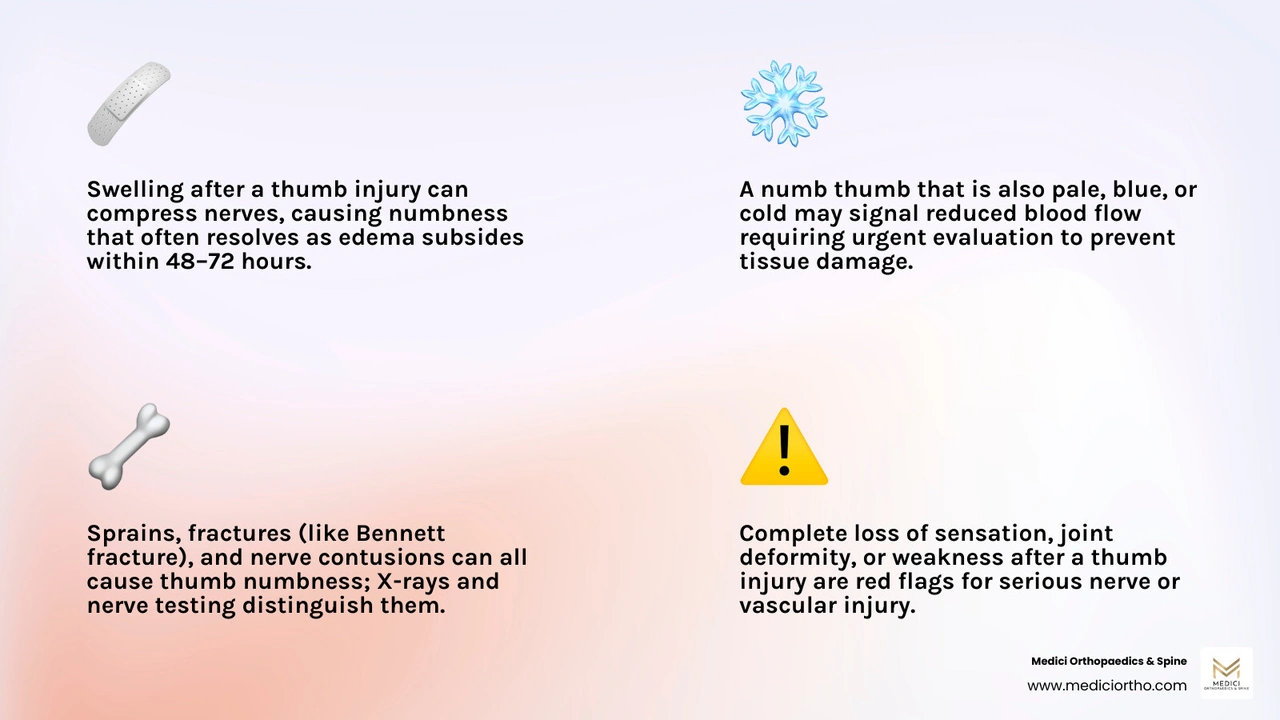
If you hurt your thumb and it is now numb, swelling may be pressing on a nerve, the nerve may have been bruised or stretched, or the injury could involve a sprain, fracture, or circulation problem. A mild tingling sensation can improve as swelling settles, but numbness should not be ignored after a fall, twist, jam, or crush injury.
Get urgent medical care now if your thumb is pale, blue, cold, badly bent, increasingly swollen, completely without feeling, or weak. These signs can point to a fracture, dislocation, or reduced blood flow.
A thumb sprain can also cause pain at the base of the thumb, bruising, swelling, weakness when pinching, and a feeling that the joint is loose or unstable. But symptoms alone cannot reliably rule out a broken bone or nerve injury. An exam and, when needed, an X-ray or nerve testing can clarify the cause.
I am Sonny Dosanjh, M.D., a physical medicine and rehabilitation physician who evaluates sports, work, nerve, and hand injuries with an emphasis on clear diagnosis and the least invasive effective care. If your concern is, "i hurt my thumb and now it's numb," the next sections explain what may be happening, what to do first, and when to seek help.
I hurt my thumb and now it's numb vocab to learn:
When you injure your thumb, acute trauma rarely damages only one tissue. Your thumb is an intricate mechanical structure powered by tendons, stabilized by tough ligaments, and wired with sensitive digital nerves. Understanding what causes numbness in hands begins with knowing how these nerves react to trauma.
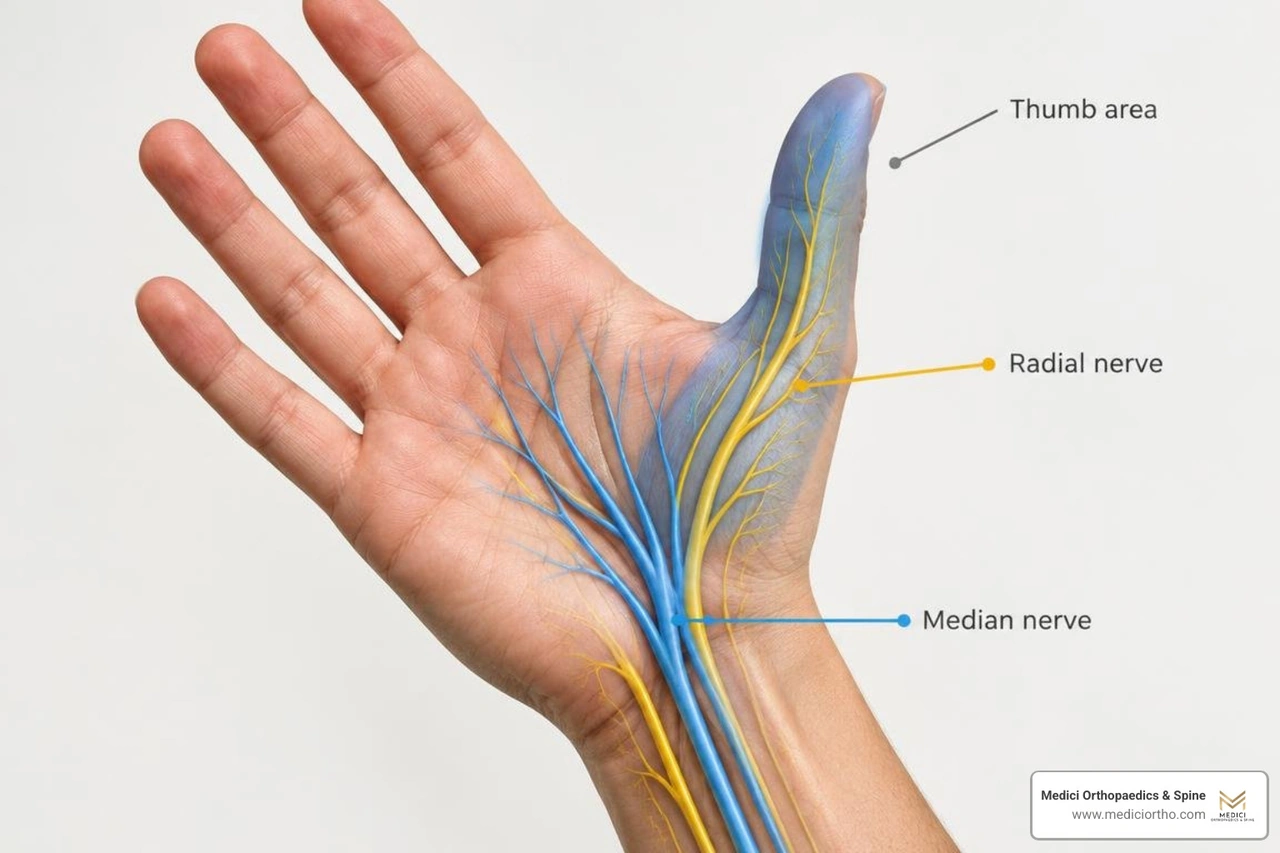
The sensation in your thumb is supplied primarily by branches of the median nerve (which covers the palmar surface and the thumb tip) and the superficial branch of the radial nerve (which provides feeling to the back of the thumb web space). When you jam, bend, or crush the joint, localized edema (fluid swelling) fills the tight fibrous compartments of the digit. This swelling exerts pressure on the small digital nerves, leading to paresthesia (pins and needles) or sensory loss.
In many cases, the nerve sustains a temporary contusion or stretch known as neuropraxia. Neuropraxia is a mild form of nerve injury where the internal nerve fibers remain intact, but signal conduction is temporarily blocked. When patients tell us, "I hurt my thumb and now it's numb," our first objective is identifying whether that sensation loss stems from soft tissue pressure, a ligament tear, direct nerve trauma, or an underlying bone fracture.
More than 200,000 cases of sprained thumbs are treated across the United States each year. The most common ligament damaged during an acute fall is the ulnar collateral ligament (UCL), located on the inner side of the metacarpophalangeal (MCP) joint at the base of the thumb.
Ligament injuries are graded by severity:
When managing acute hand wrist pain and injuries, addressing ligament instability early is critical to prevent joint subluxation and chronic nerve traction.
A direct blow to the thumb—such as hitting it with a hammer or crushing it in a door—can cause blunt trauma directly to the digital nerves. Unlike gradual swelling, direct impact can bruise nerve axons directly.
Furthermore, an acute injury can aggravate pre-existing, underlying compression syndromes. For instance, an injury causing wrist swelling can precipitate acute carpal tunnel syndrome, which compresses the median nerve at the transverse carpal ligament. Because the median nerve supplies sensation to the thumb, index, and middle fingers, inflammation in this narrow tunnel causes sudden tingling and weakness.
Similarly, traction injuries that pull the arm or hyperextend the wrist can irritate the radial nerve, triggering radial nerve compression symptoms across the back of the hand and thumb web space. If you notice weakness when extending the wrist or spreading your fingers, the nerve involvement may extend beyond the thumb itself.
Differentiating between a simple sprain, a severe nerve contusion, and a broken bone requires careful assessment. A fracture occurs when high-energy trauma breaks the structural integrity of the bone, such as a Bennett fracture (a fracture-dislocation at the base of the first metacarpal joint) or an avulsion fracture, where a torn ligament pulls away a small fragment of bone.
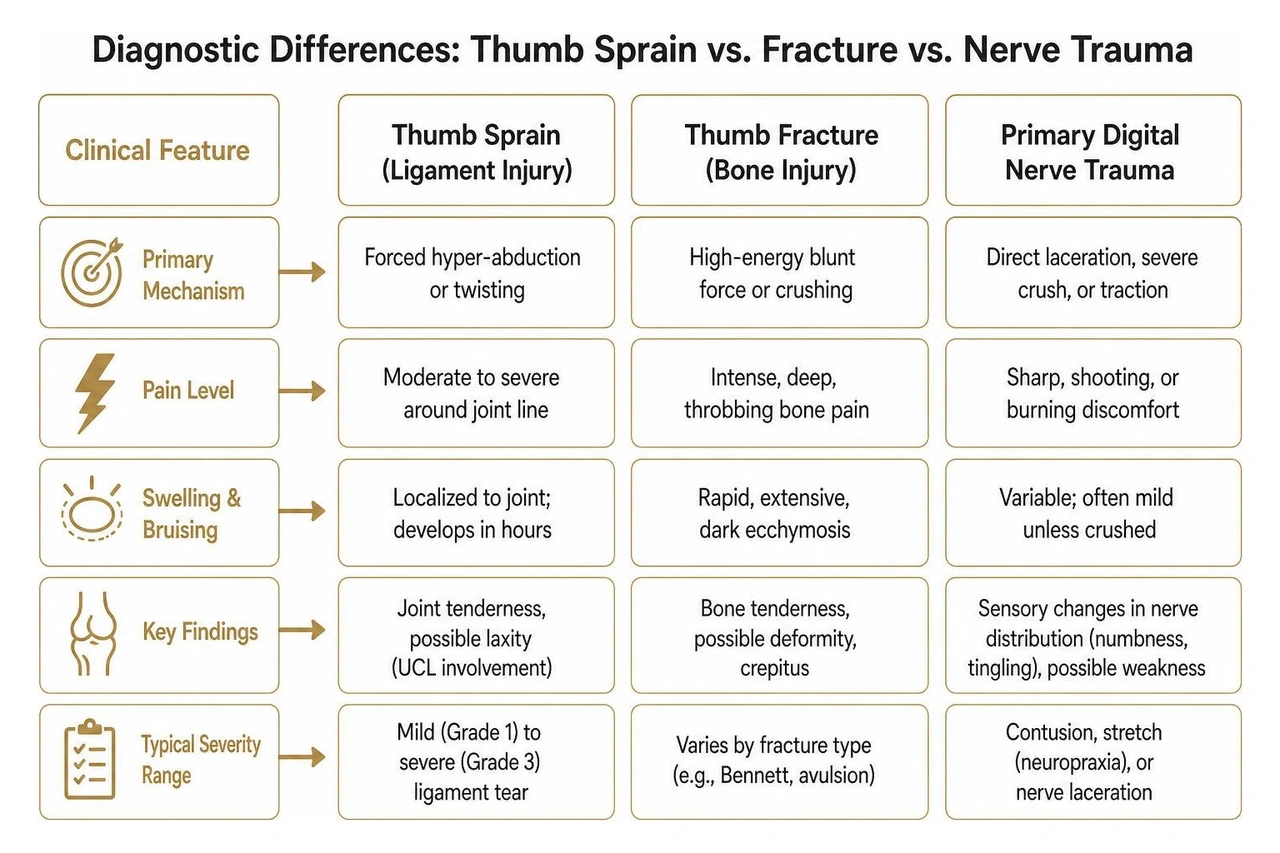
| Clinical Feature | Thumb Sprain | Thumb Fracture | Primary Digital Nerve Trauma |
|---|---|---|---|
| Primary Mechanism | Forced hyper-abduction or twisting | High-energy blunt force or crushing | Direct laceration, severe crush, or traction |
| Pain Level | Moderate to severe around joint line | Intense, deep, throbbing bone pain | Sharp, shooting, or burning discomfort |
| Swelling & Bruising | Localized to joint; develops in hours | Rapid, extensive, dark ecchymosis | Variable; often mild unless crushed |
| Visible Deformity | Mild joint laxity upon stress testing | Obvious angular bone deformity | None structurally (unless dislocated) |
| Sensory Changes | Mild tingling from localized edema | Occasional numbness from bone shift | Complete or patchy sensory loss |
| Grip / Pinch Test | Weak due to pain and instability | Impossible due to severe pain | Weak motor control; dropped objects |
If you notice sharp, electrical sensations spreading toward your palm, you may be experiencing hand nerve damage symptoms that require clinical diagnostic testing.
Proper early intervention directly shapes long-term recovery. Applying correct first aid within the first 72 hours minimizes tissue hemorrhage, reduces pressure on nerve fibers, and stabilizes the joint.
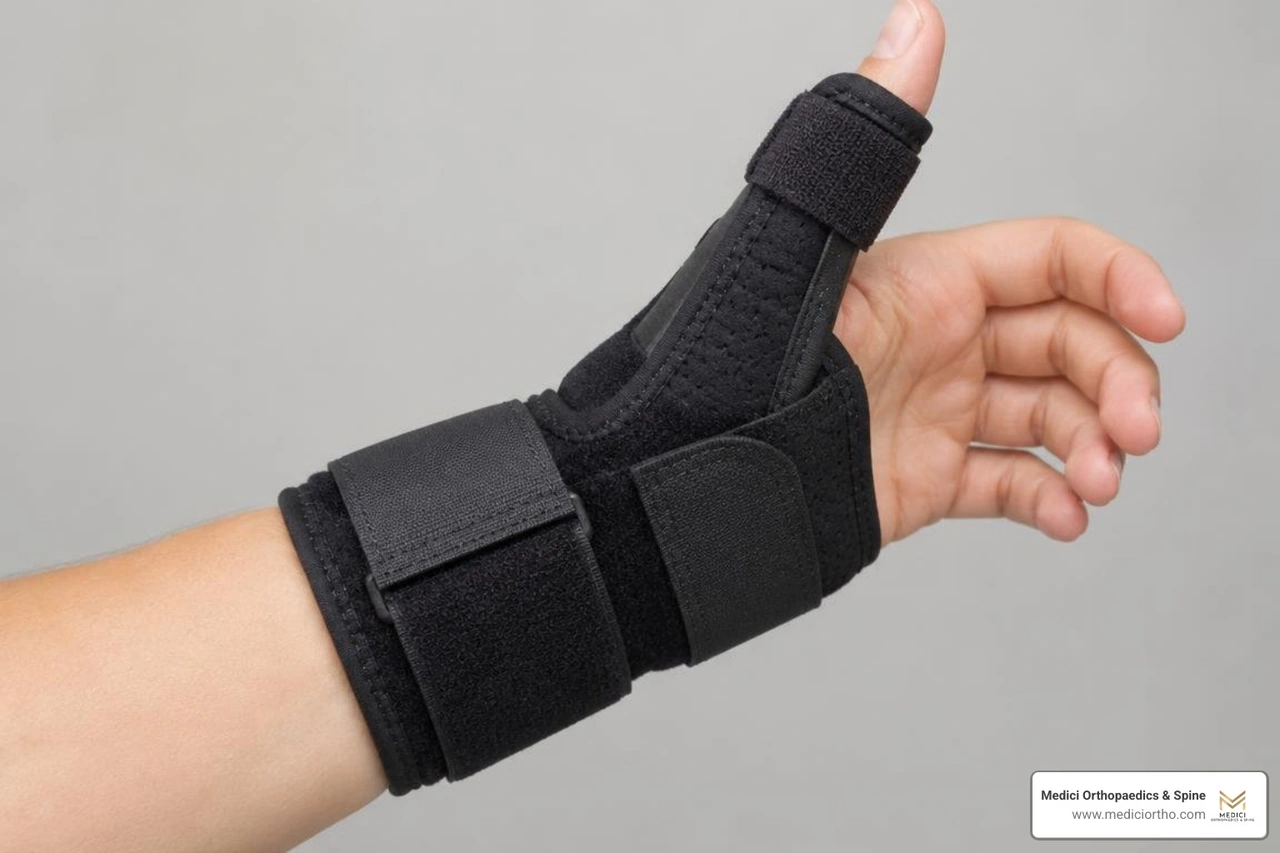
To protect your thumb and relieve pressure on irritated nerves, implement the PRICE protocol immediately:
Avoid hot packs, warm soaks, vigorous massage, and alcohol consumption during the first 72 hours, as these promote vasodilation and worsen localized swelling. For non-medicinal comfort, exploring ways to relieve tingling sensations naturally can help soothe minor irritation alongside structured rest.
While mild swelling-induced tingling often stabilizes with home care, certain red flags demand immediate, urgent medical evaluation:
During a clinical evaluation, a specialist performs stability testing (such as gentle valgus stress maneuvers) to evaluate the UCL. Imaging studies—including high-resolution digital X-rays—are performed in up to 20% of suspected sprain cases to rule out avulsion fractures. Diagnostic ultrasound or MRI may be ordered to evaluate soft tissue tears (such as a Stener lesion, where the torn UCL gets trapped outside the adductor aponeurosis and cannot heal on its own). Electrodiagnostic testing (EMG and nerve conduction studies) helps pinpoint whether nerve conduction delays stem from the thumb, the wrist, or the cervical spine.
Recovery from a traumatic thumb injury depends on the extent of ligament disruption, the degree of nerve involvement, and how quickly targeted treatment begins.
Failing to properly immobilize a torn ligament can lead to chronic joint laxity, recurrent subluxation, decreased pinch strength, and accelerated post-traumatic hand finger arthritis and osteoarthritis.
When nerve irritation, neuropathic pain, or chronic soft-tissue swelling persists beyond the initial healing phase, conservative interventional medicine provides powerful non-surgical alternatives.
At Medici Orthopaedics & Spine, we emphasize restorative, minimally invasive care tailored to each patient's specific injury pattern:
Rebuilding grip strength while protecting sensitive nerves requires consistent joint mechanics and proactive protection:
Numbness resulting from mild soft tissue edema and temporary neuropraxia typically resolves within two to six weeks as swelling subsides and normal circulation returns. If numbness or sharp "pins and needles" persist beyond this window, or if sensation progressively worsens, a formal electrodiagnostic evaluation is recommended to assess for ongoing nerve compression or structural entrapment.
A severe jam or crush injury can cause permanent sensory changes if a digital nerve is partially severed, crushed against bone, or trapped in scar tissue. However, most traumatic sensory issues are due to neuropraxia or localized swelling. Early clinical evaluation ensures that any high-grade nerve stretch or structural tear is identified and treated before permanent axonal degeneration occurs.
A cold sensation usually indicates reduced microvascular blood flow. Severe swelling can compress the tiny digital arteries running alongside the digital nerves, or trauma can trigger a sympathetic vasospasm in the local blood vessels. While applying ice helps in the first 48 hours, never apply prolonged ice to an already cold, numb digit. If the thumb turns pale, blue, or remains cold despite warming the rest of your body, seek emergency medical care immediately.
Losing sensation or strength in your thumb compromises your ability to work, write, hold objects, and engage in daily life. Whether your numbness is driven by a sports-related ligament sprain, a crush contusion, or swelling compressing the median nerve, early intervention prevents permanent instability and chronic nerve discomfort.
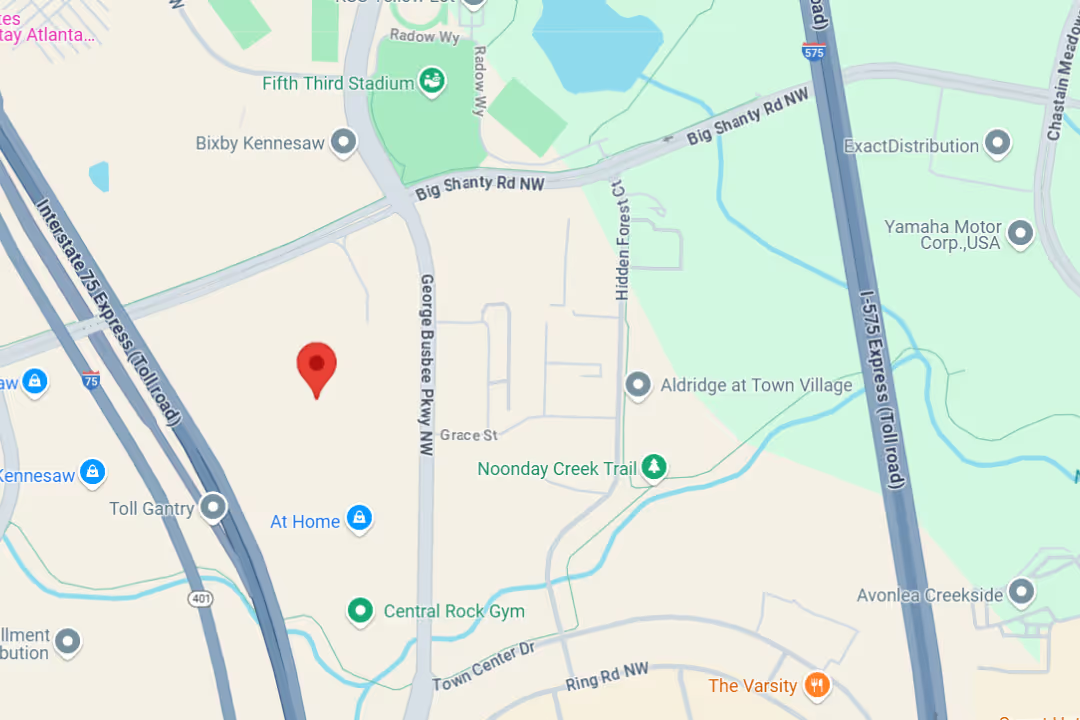
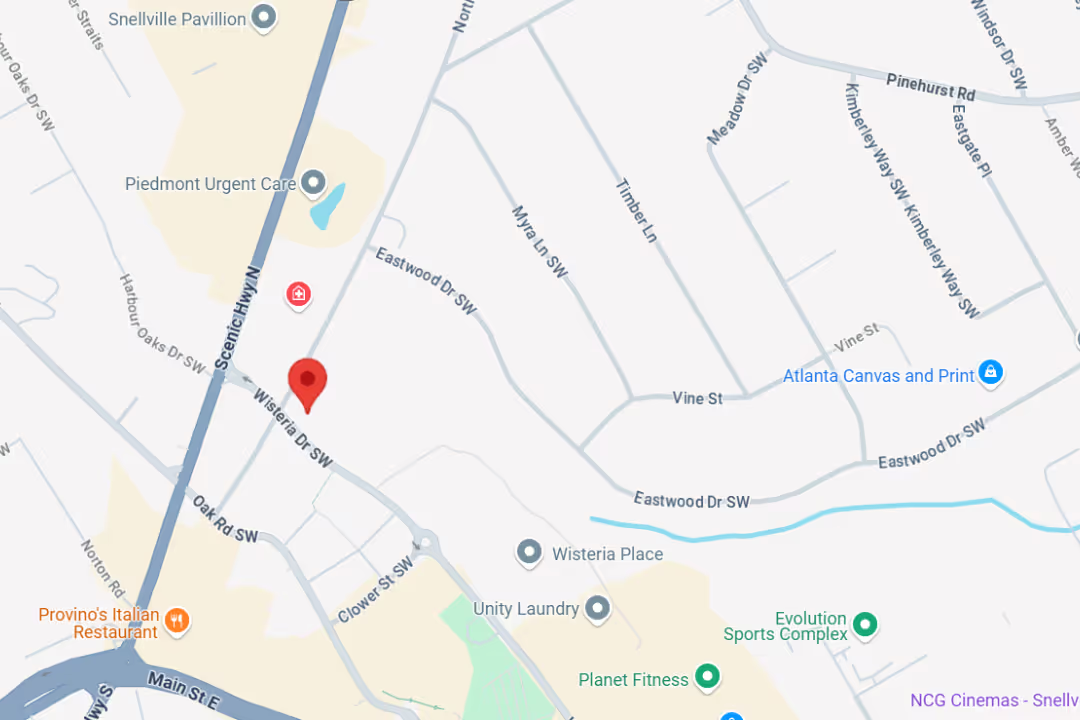
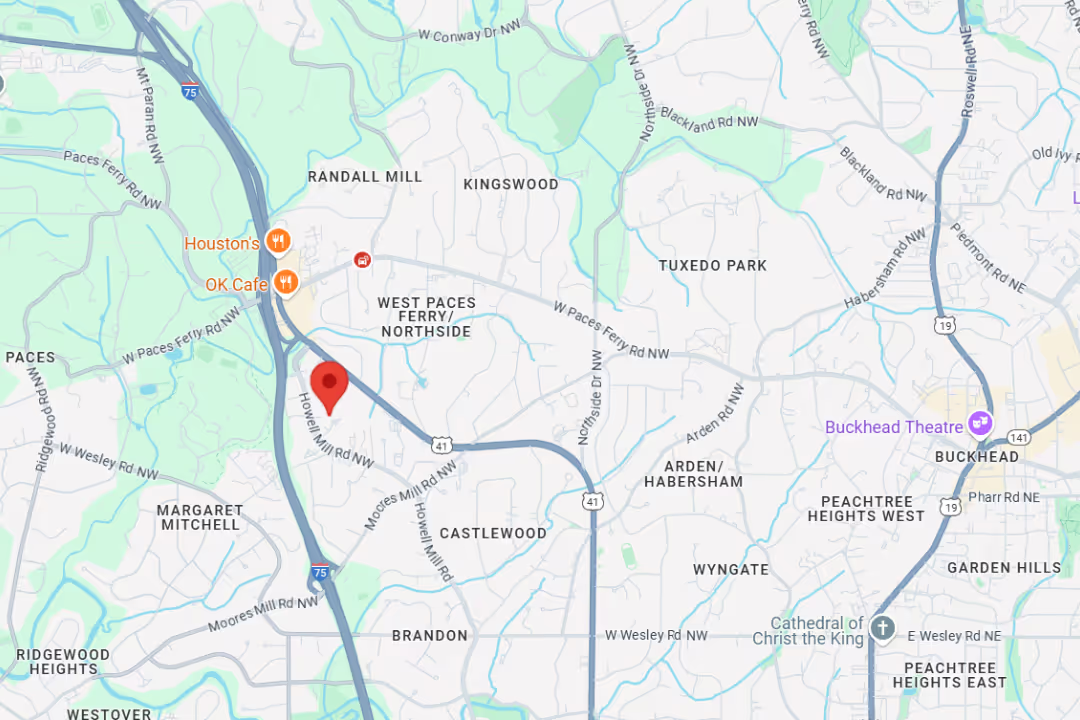
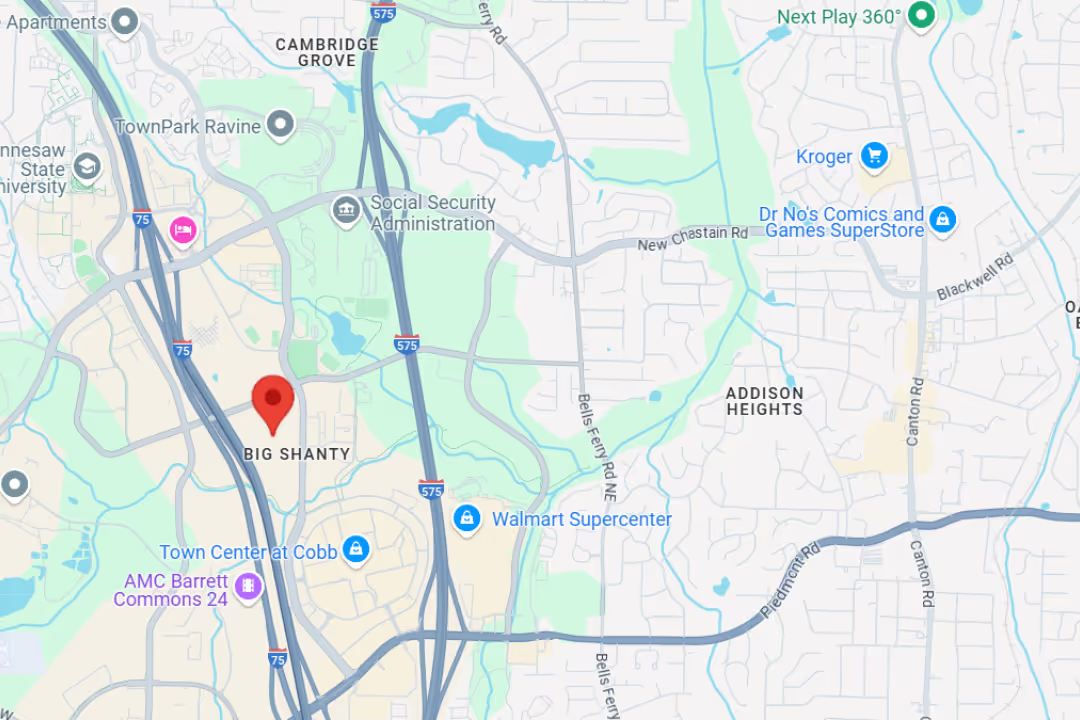
At Medici Orthopaedics & Spine, led by Dr. Sonny Dosanjh, M.D., we provide comprehensive orthopedic and interventional pain care across our clinics and ambulatory surgery centers in Snellville, Kennesaw, Marietta, and Buckhead (Atlanta), GA. Our team combines advanced diagnostic imaging, customized physical therapy, targeted injections, and advanced therapies for neuropathy and neuralgia conditions to resolve nerve pain and restore grip strength.
If post-injury thumb numbness, joint instability, or tingling is interfering with your routine, contact our team today or schedule an evaluation through our patient consultation portal to protect your hand health and reclaim your quality of life.
At Medici, you’re more than your MRI.
We take time to hear your story, understand your pain, and create a plan that actually works for you.

Our team delivers specialist care at convenient locations across Metro Atlanta:
Get expert tips on injury recovery, pain relief, joint health, and movement strategies—straight from our Fellowship-Trained team.