Treatment starts by finding out why the pain persists. A spine specialist may review your symptoms, examine you, and use imaging to look for a problem that another surgery could fix. If there is no clear surgical target, care often begins with physical therapy, pain coping skills, and carefully chosen medication. Targeted injections may help some people. Spinal cord stimulation is an option when nerve pain continues despite these steps. Repeat surgery is usually considered when there is a clear, treatable structural problem.
Ongoing pain does not mean you or your surgery "failed." The goal is a plan that helps you move and live better, with the least invasive care that fits your needs.
I'm Sonny Dosanjh, M.D., a board-certified physical medicine and rehabilitation physician with fellowship training in multidisciplinary pain management. My work in failed back surgery syndrome treatment focuses on finding the source of pain and helping patients weigh rehabilitation, procedures, and surgical options.
For patients exploring advanced intervention options, comparing a pain pump vs spinal cord stimulator and learning how a spinal cord stimulator for sciatica targets radiating leg pain can help clarify the most effective path forward.
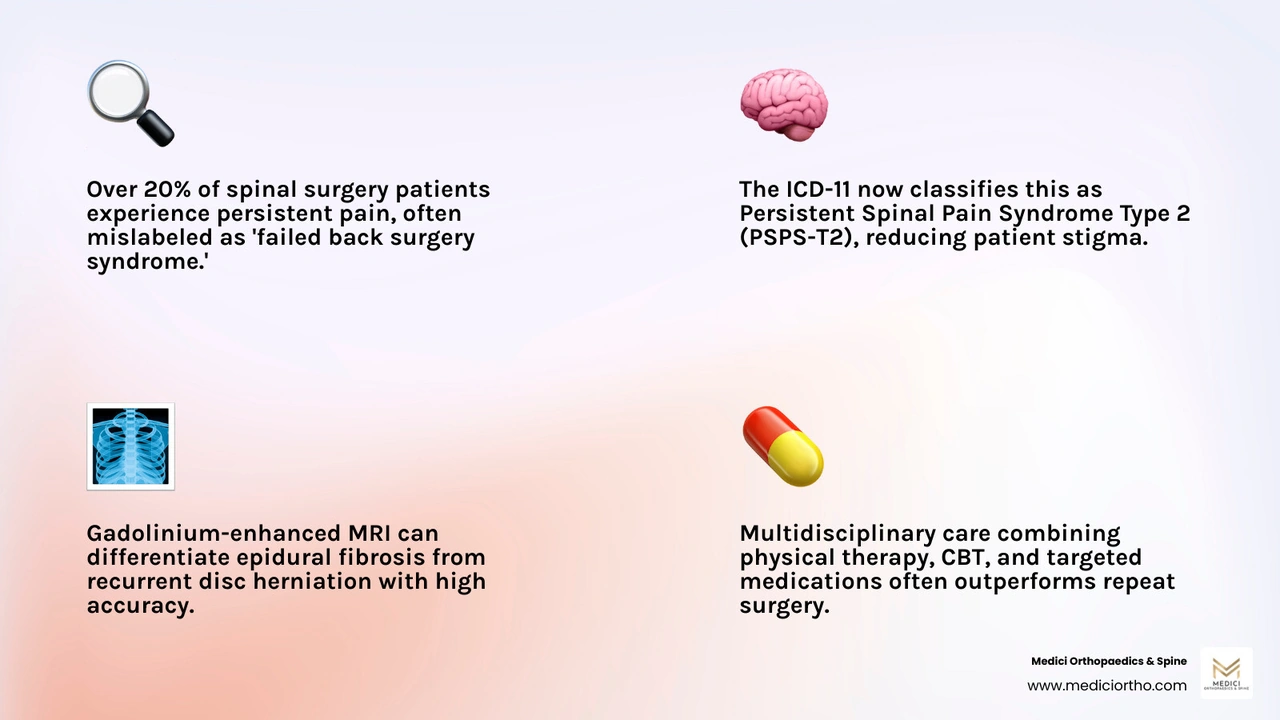
Undergoing spine surgery requires physical preparation, mental resolve, and the expectation of lasting relief. When severe back or leg symptoms return—or never fully resolve—the emotional and physical toll is immense. Between 10% and 40% of patients experience persistent or recurrent discomfort following spinal procedures for disc-related conditions. Recent clinical data shows a pooled post-surgical chronic pain prevalence of approximately 14.97%, with rates in some cohorts reaching 27.6%.
Persistent symptoms do not mean a patient has done something wrong, nor does it automatically mean the surgical team committed an error. In many instances, the operation successfully decompressed a nerve root or stabilized a segment, yet secondary biological, mechanical, or neurological drivers emerged during healing. Gaining clarity starts with understanding failed back surgery syndrome as an umbrella description rather than a final dead end. A detailed clinical review of Persistent Spinal Pain Syndrome Type 2 reinforces that chronic post-surgical discomfort is a complex neuro-biological state requiring comprehensive diagnostic subtyping (Minkelis et al., 2024).
The historic label "Failed Back Surgery Syndrome" (FBSS) is increasingly viewed as outdated and clinically counterproductive. It implies an irreversible personal or surgical failure. Modern pain medicine and the ICD-11 framework have transitioned toward more accurate, neutral terminology: Persistent Spinal Pain Syndrome Type 2 (PSPS-T2) for post-surgical symptoms (differentiated from PSPS Type 1, which denotes chronic spine pain without prior surgery).
To personalize therapies, contemporary specialists employ a mechanism-based classification framework known as the PAMC model (Thomson et al., 2026):
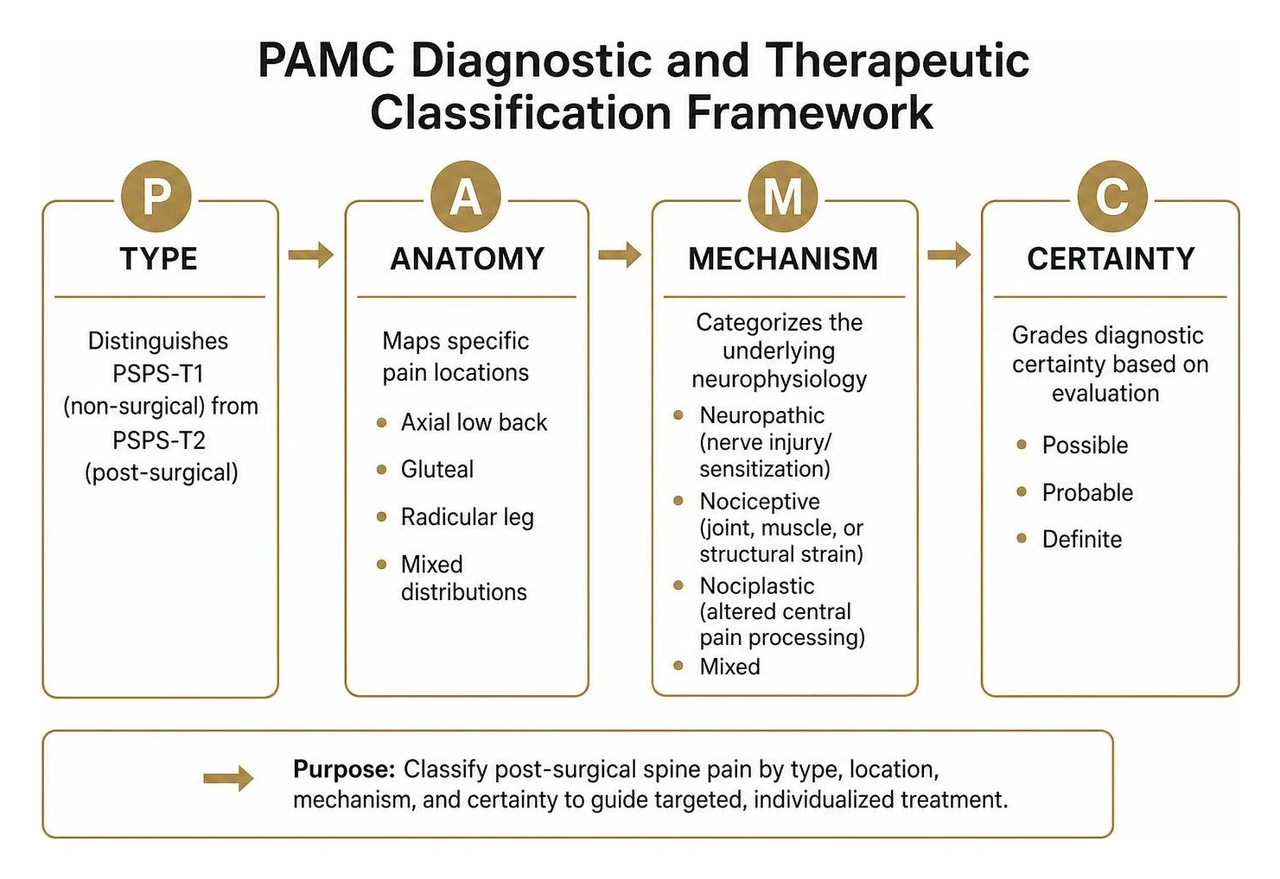
By categorizing post-surgical symptoms into specific physiological phenotypes, we can target the exact pain generator rather than applying trial-and-error treatments.
Post-surgical discomfort stems from several distinct categories:
Differentiating between vascular scar tissue (epidural fibrosis) and an avascular recurrent disc fragment is critical. A patient with a recurrent disc herniation causing structural compression might benefit from targeted decompression, whereas repeating a surgery solely to "cut out scar tissue" often leads to denser fibrosis.
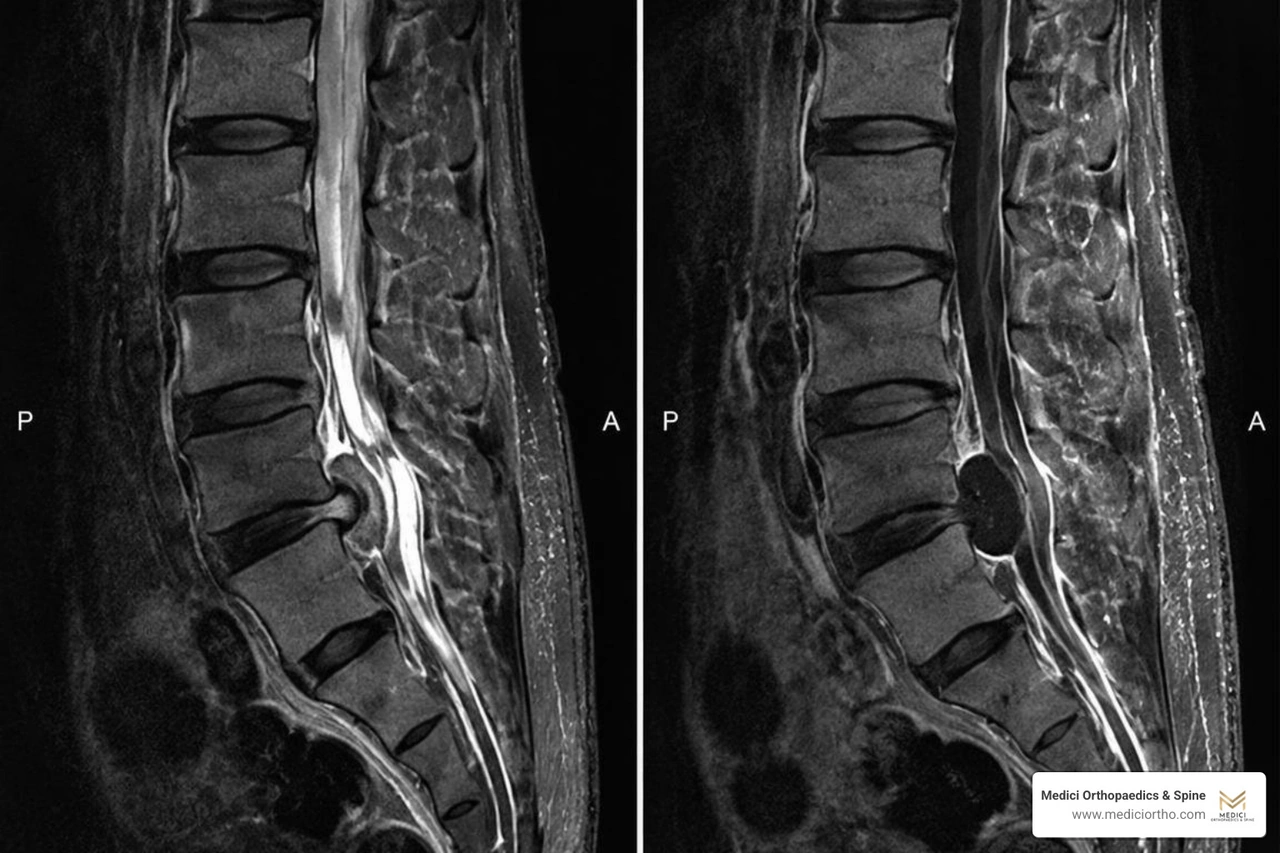
High-resolution Magnetic Resonance Imaging (MRI) with and without intravenous gadolinium contrast is the gold standard diagnostic tool:
| Imaging Characteristic | Epidural Fibrosis (Scar Tissue) | Recurrent Disc Herniation |
|---|---|---|
| Contrast Enhancement Timing | Immediate, homogeneous enhancement on early T1-weighted post-contrast views due to rich vascularity. | Non-enhancing on early post-contrast images; variable, thin peripheral enhancement on delayed scans. |
| Mass Effect & Margins | Variable mass effect; irregular, retracted, or conforming borders that pull structures toward the scar. | Distinct, rounded, smooth margins; pushes and displaces the thecal sac or nerve roots away from the disc space. |
| Relationship to Disc Space | Often extends along the surgical tract, dorsal and lateral to the thecal sac. | Direct continuity with the intervertebral disc space. |
| Signal Intensity (T2-weighted) | Variable; predominantly hypointense to intermediate signal. | Often reflects native disc signal; hyperintense if acute fragment. |
When patients have surgical hardware that generates MRI artifacts or cannot undergo MRI scans, CT myelography provides precise visualization of neural compression. Dynamic flexion-extension radiography is performed concurrently to evaluate for translational instability or pseudoarthrosis (non-union of a fusion).
Treating persistent post-operative pain requires a stepwise, multidisciplinary care model (Ganty & Sharma, 2012). Rather than jumping directly into another invasive surgery, we first exclude structural emergencies (such as progressive motor loss or cauda equina syndrome) and systematically address neuropathic, mechanical, and inflammatory drivers, thoroughly evaluating whether post-surgical back pain can be fixed through non-operative and interventional techniques.
Chronic post-surgical discomfort directly impacts sleep, mood, and daily function. Biological and psychological systems are deeply connected. The presence of psychological "yellow flags"—such as elevated anxiety, depression, post-surgical fear-avoidance, and catastrophizing—can amplify central pain signaling.
In our practice, a multidisciplinary team (MDT) including physiatrists, interventional pain physicians, physical therapists, and pain psychologists delivers coordinated care. Enrolling in structured pain management programmes (PMPs) and engaging in Cognitive Behavioral Therapy (CBT) helps reframe pain perception. Clinical research on mindfulness-based stress reduction for postoperative spinal pain demonstrates measurable improvements in pain acceptance, quality of life, sleep architecture, and functional capacity, offering comprehensive pain management for failed back surgery without relying solely on medications.
Medications are chosen based on the patient's dominant pain mechanism:
When conservative medications and rehabilitation leave residual pain, targeted interventional procedures help pinpoint and treat distinct anatomical pain generators.
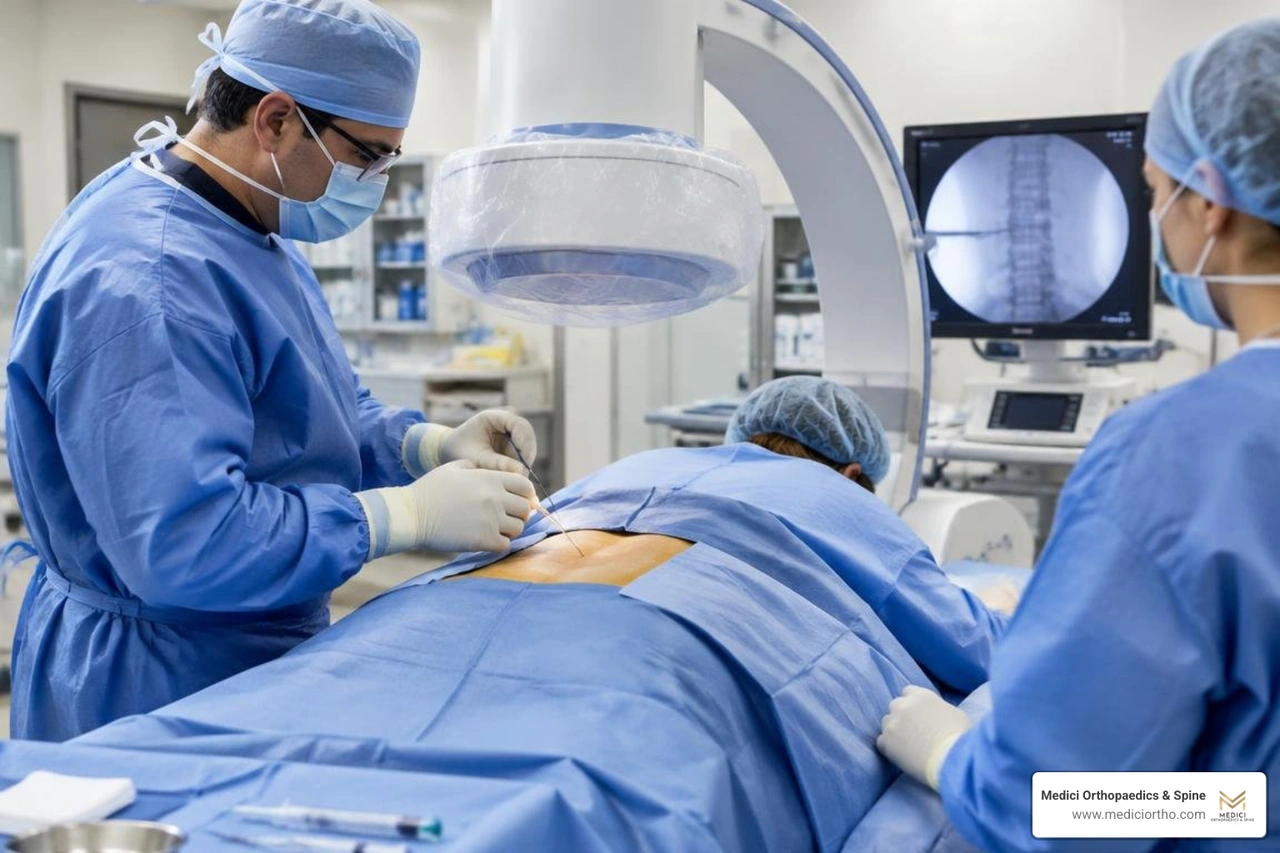
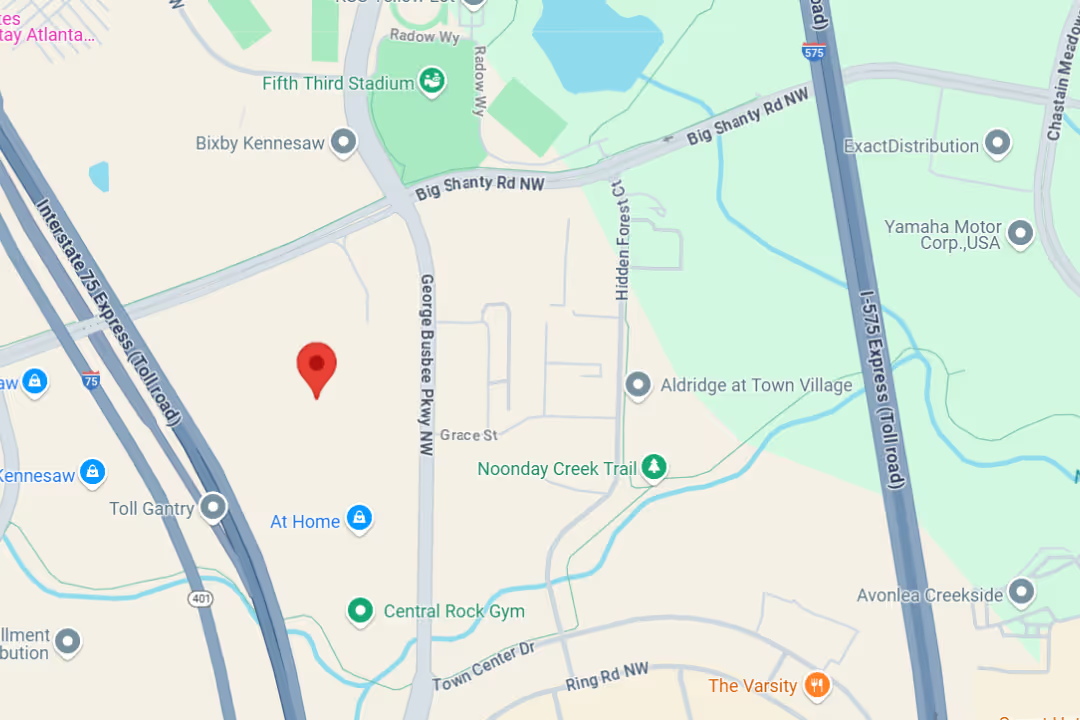
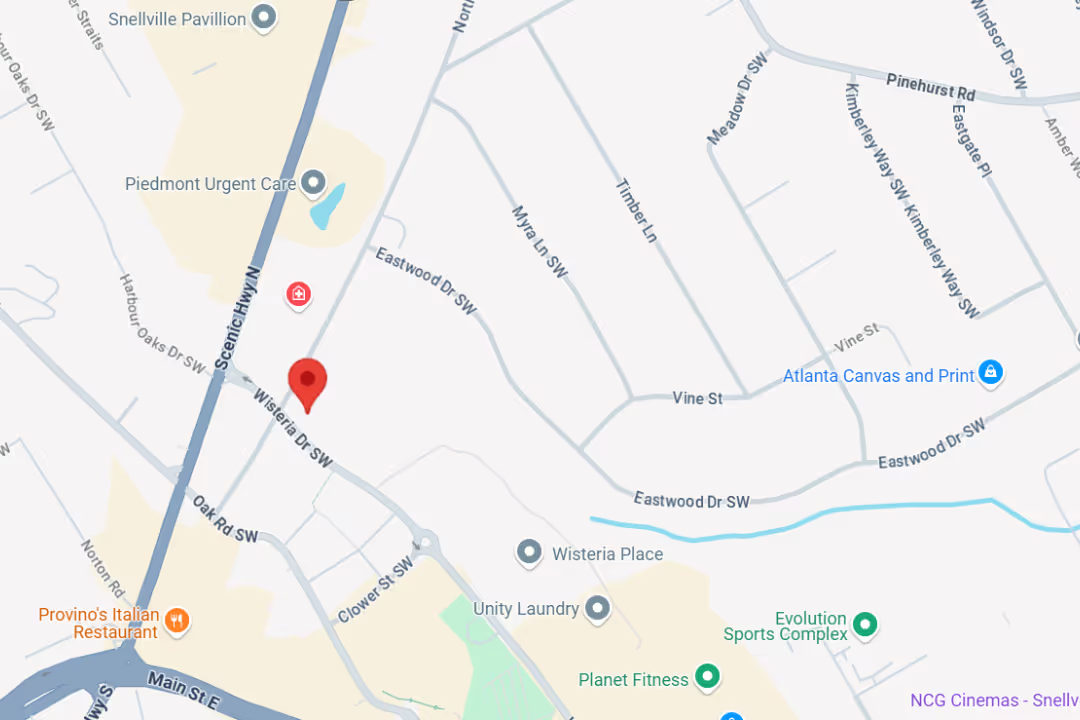
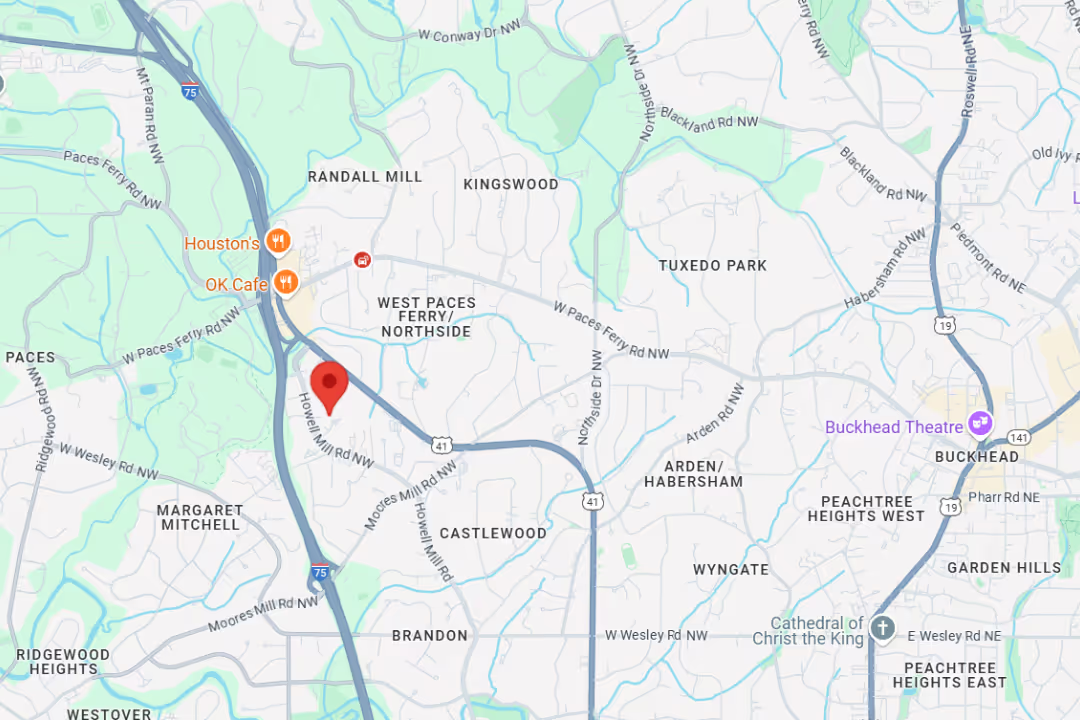
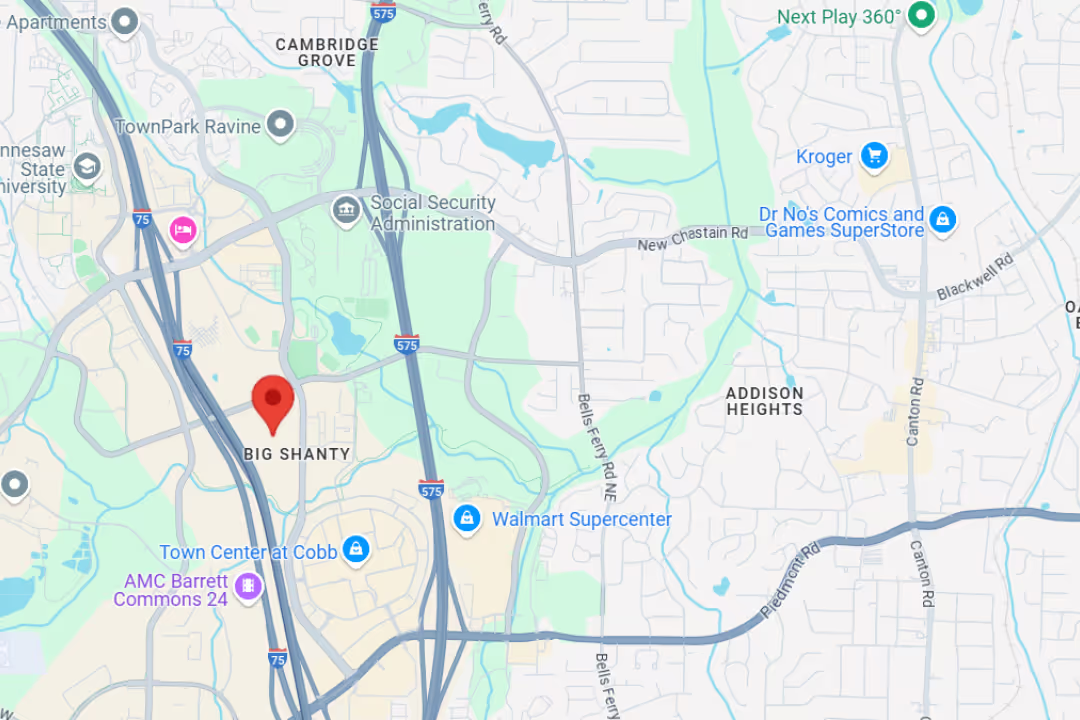
At our ambulatory surgery centers in Marietta and Snellville, and clinics in Kennesaw, Snellville, and Buckhead, our physicians use precise fluoroscopic and ultrasound guidance for interventional spine care, showing patients how to treat post-laminectomy syndrome pain effectively.
When dense fibrotic bands tether nerve roots, standard epidural injections may fail to reach the target site. Percutaneous epidural adhesiolysis (the Racz procedure) uses a specialized steerable, spring-wound catheter navigated under fluoroscopy to the scarred epidural space.
By delivering targeted infusions of hyaluronidase, local anesthetic, corticosteroids, and hypertonic saline, this technique reduces neural edema and gently frees fibrotic attachments. In select cases, direct endoscopic visualization (epiduroscopy) allows precise mechanical neurolysis and targeted drug delivery to inflamed nerve roots.
When structural causes are excluded and neuropathic pain persists despite targeted injections, advanced neuromodulation provides a reversible, evidence-based alternative to revision surgery. Review our spinal cord stimulator guide for an in-depth breakdown of these technologies.
Spinal Cord Stimulation (SCS) works by delivering gentle electrical currents along the dorsal columns of the spinal cord, modulating pain signals before they reach the brain.
A major advantage of SCS is the percutaneous trial period. Over a 5-to-7-day evaluation, temporary leads are placed under local anesthesia. The patient assesses the system during normal daily activities at home. If the trial yields a 50% or greater reduction in pain along with functional improvements, permanent implantation is scheduled. Multiple prospective randomized controlled trials (such as the PROCESS and EVIDENT trials) have confirmed that SCS offers superior pain relief, functional recovery, and quality of life compared to both repeat spinal surgery and conventional medical management, as highlighted in data regarding spinal cord stimulator success rates.
Neuromodulation technology continues to evolve:
An Intrathecal Drug Delivery System (targeted "pain pump") delivers small, continuous doses of medication directly into the cerebrospinal fluid surrounding the spinal cord. Because the medication bypasses the blood-brain barrier and digestive tract, it provides significant pain control at a fraction of the oral dosage, minimizing systemic side effects.
Medications used include preservative-free morphine, hydromorphone, ziconotide (a non-opioid N-type calcium channel blocker), and baclofen for severe muscle spasticity. IDDS is typically reserved for refractory pain where neuromodulation is contraindicated or ineffective. Safe management requires regular refills at an experienced clinic and periodic imaging to monitor for rare catheter-tip inflammatory masses (granulomas).
Revision spine surgery carries distinct clinical trade-offs. While the success rate of a primary lumbar discectomy is high, subsequent operations yield lower rates of durable pain relief, with meaningful long-term relief reported in only 5% to 30% of non-instability revision cases.

Repeat operations should be reserved for clear, surgically correctable pathology:
When revision surgery is not indicated, long-term functional rehabilitation remains the foundation of recovery. Core stabilization programs targeting the transversus abdominis and multifidus muscles, combined with gentle aquatic therapy, progressive walking, and posture training, help rebuild functional independence.
The most reliable method is a multi-planar lumbar MRI performed with and without intravenous gadolinium contrast. Because postoperative epidural scar tissue is vascular, it absorbs contrast immediately and displays early, uniform enhancement on T1-weighted images.
In contrast, an extruded disc fragment is avascular and does not enhance during early imaging, although it may develop a thin rim of peripheral enhancement on delayed scans. High-resolution imaging also evaluates mass effect: disc herniations push and displace neural structures, whereas scar tissue often retracts and tethers surrounding tissues.
Spinal cord stimulation is indicated when persistent leg or back symptoms are primarily neuropathic and diagnostic imaging confirms the absence of mechanical instability, pseudoarthrosis, or progressive neurological compression that would require structural surgery.
Because revision surgery carries higher risks of durotomy, nerve injury, and progressive fibrosis, an SCS trial offers a safe, reversible way to evaluate pain relief before any permanent implant is placed.
A coordinated, multimodal approach yields the most reliable results. Combining targeted interventional procedures (such as transforaminal epidural injections, medial branch radiofrequency neurotomy, or epidural adhesiolysis) with physical therapy and neuropathic medications (like gabapentinoids or SNRIs) addresses multiple pain pathways simultaneously. When symptoms remain refractory, neuromodulation (SCS) provides durable relief for persistent neuropathic discomfort.
Persistent pain after back surgery is a complex medical condition, but you have clear, evidence-based options for relief. Modern diagnostic tools and mechanism-based classifications allow us to identify your specific pain generators and design a personalized, step-by-step treatment plan.
At Medici Orthopaedics & Spine, our team—led by Dr. Sonny Dosanjh—is committed to restoring your quality of life using the most effective, least invasive options available today. Whether your care involves targeted fluoroscopic injections, multidisciplinary rehabilitation, or advanced spinal cord stimulation, we work with you to help you regain your mobility and comfort.
To schedule a comprehensive evaluation at our locations across Metro Atlanta—including Snellville, Kennesaw, Marietta, and Buckhead—contact our team today.
Ganty P, Sharma M. "Failed back surgery syndrome: a suggested algorithm of care.." British journal of pain, 2012. PMCID PMC4590103.Thomson S, Simpson B, Huygen FJ, Stanton-Hicks M, North RB, Barolat G, Scott H, Duarte RV. "The Implementation of Persistent Spinal Pain Syndrome (PSPS): Mechanism-Based Recommendations.." Pain practice : the official journal of World Institute of Pain, 2026. PMCID PMC12611182.Johan van de Minkelis, Laurens Peene, Steven P. Cohen, Peter Staats, Adnan Al‐Kaisy, Koen Van Boxem, Jan Willem Kallewaard, Jan Van Zundert. "6. Persistent spinal pain syndrome type 2." Pain Practice, 2024. DOI 10.1111/papr.13379.
At Medici, you’re more than your MRI.
We take time to hear your story, understand your pain, and create a plan that actually works for you.

Our team delivers specialist care at convenient locations across Metro Atlanta:
Get expert tips on injury recovery, pain relief, joint health, and movement strategies—straight from our Fellowship-Trained team.