The total cost of spinal cord stimulator treatment generally ranges from $36,000 to over $75,000 before insurance. The process includes a temporary trial costing $6,000 to $15,000 ($4,000 to $7,000 self-pay) and permanent surgical implantation ranging from $30,000 to $60,000+. For insured individuals and Medicare beneficiaries, out-of-pocket expenses are substantially lower: Medicare patients typically face coinsurance of roughly $1,070 to $1,384 for the trial and $1,799 to $3,726 for the permanent implant depending on whether care is received in an ambulatory surgery center or hospital outpatient department.
When traditional approaches like physical therapy, medication regimens, and targeted injections fail to deliver sustained relief for chronic intractable pain, advanced neuromodulation provides an effective alternative. A spinal cord stimulator alters pain signaling along the nervous system, functioning much like a pacemaker for pain pathways.
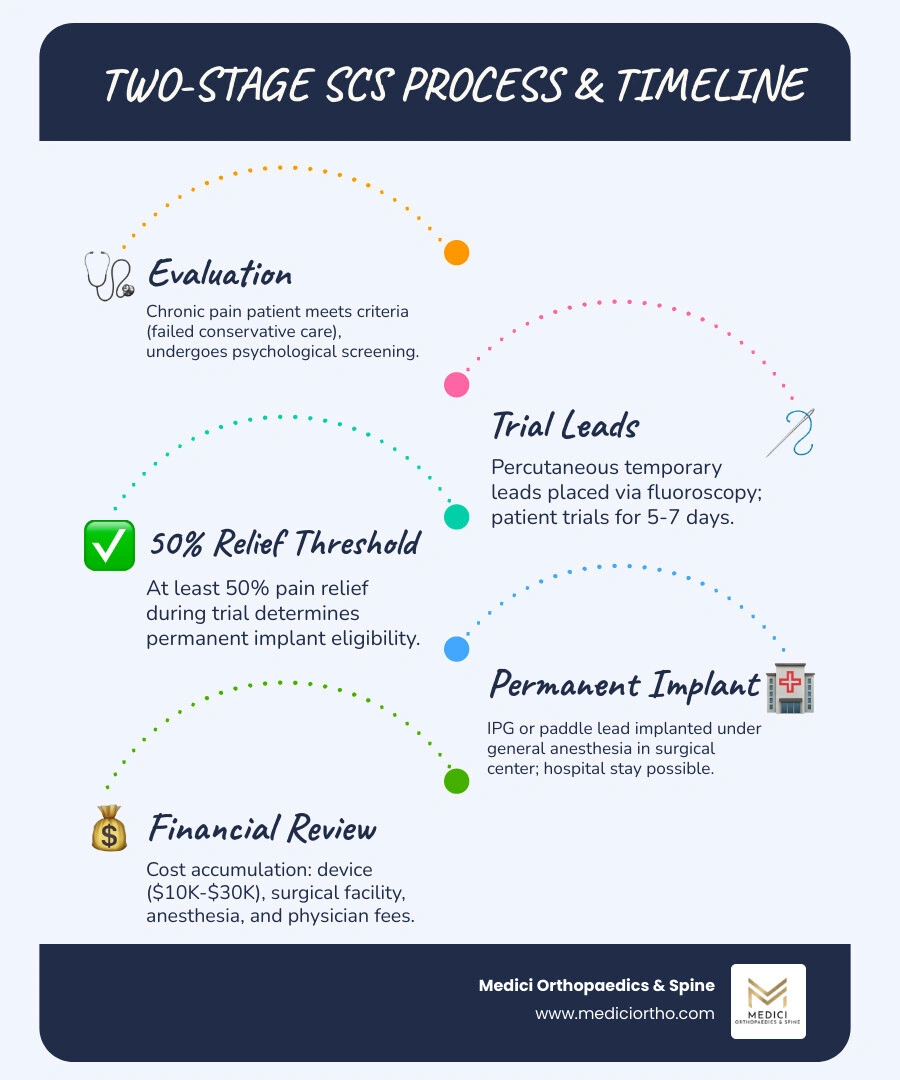
The financial investment of spinal cord stimulation involves a distinct two-phase process: a temporary trial period followed by a permanent surgical implant. The overall cost reflects multiple medical billing components, including device hardware, surgical facility fees, anesthesiology services, and professional physician charges. For background on the full treatment pathway, review our complete spinal cord stimulator guide.
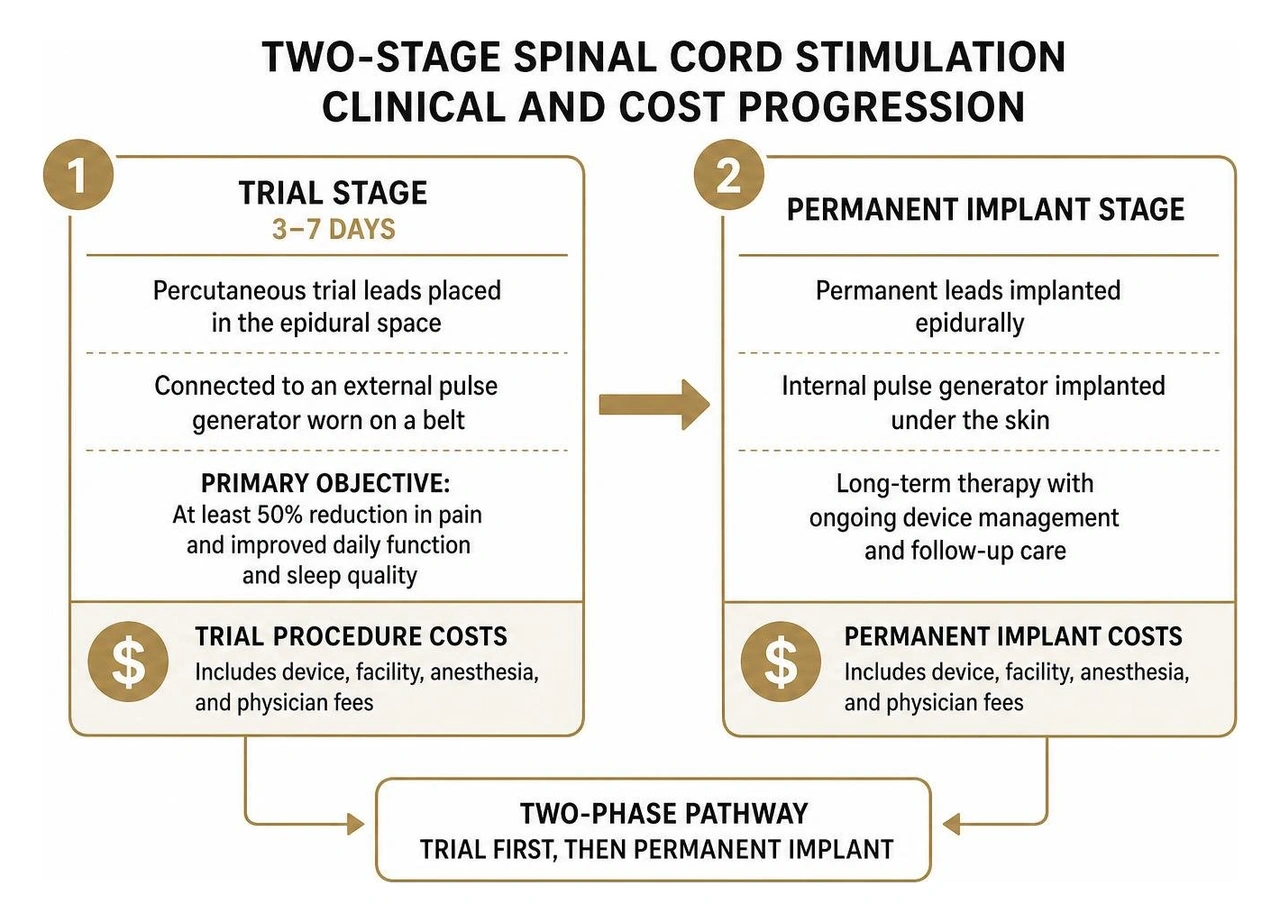
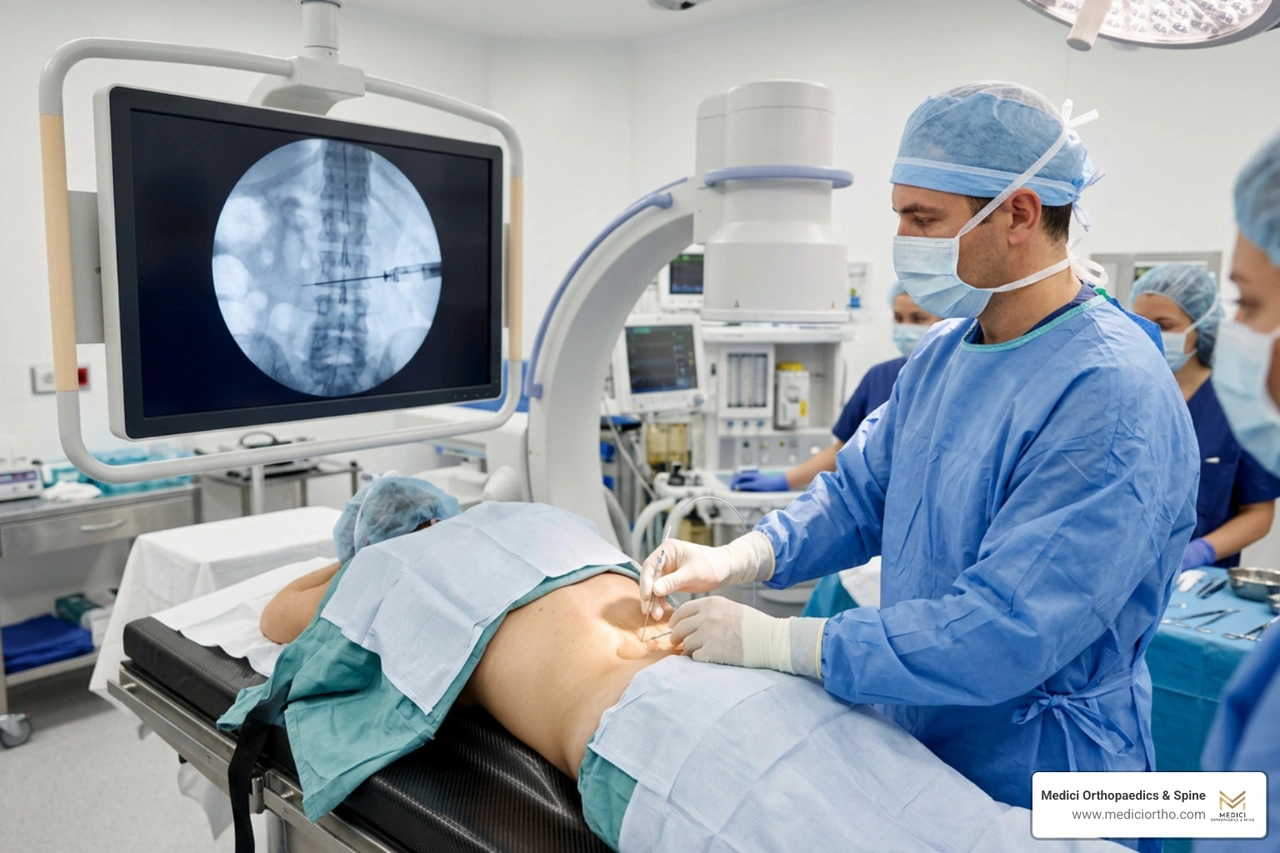
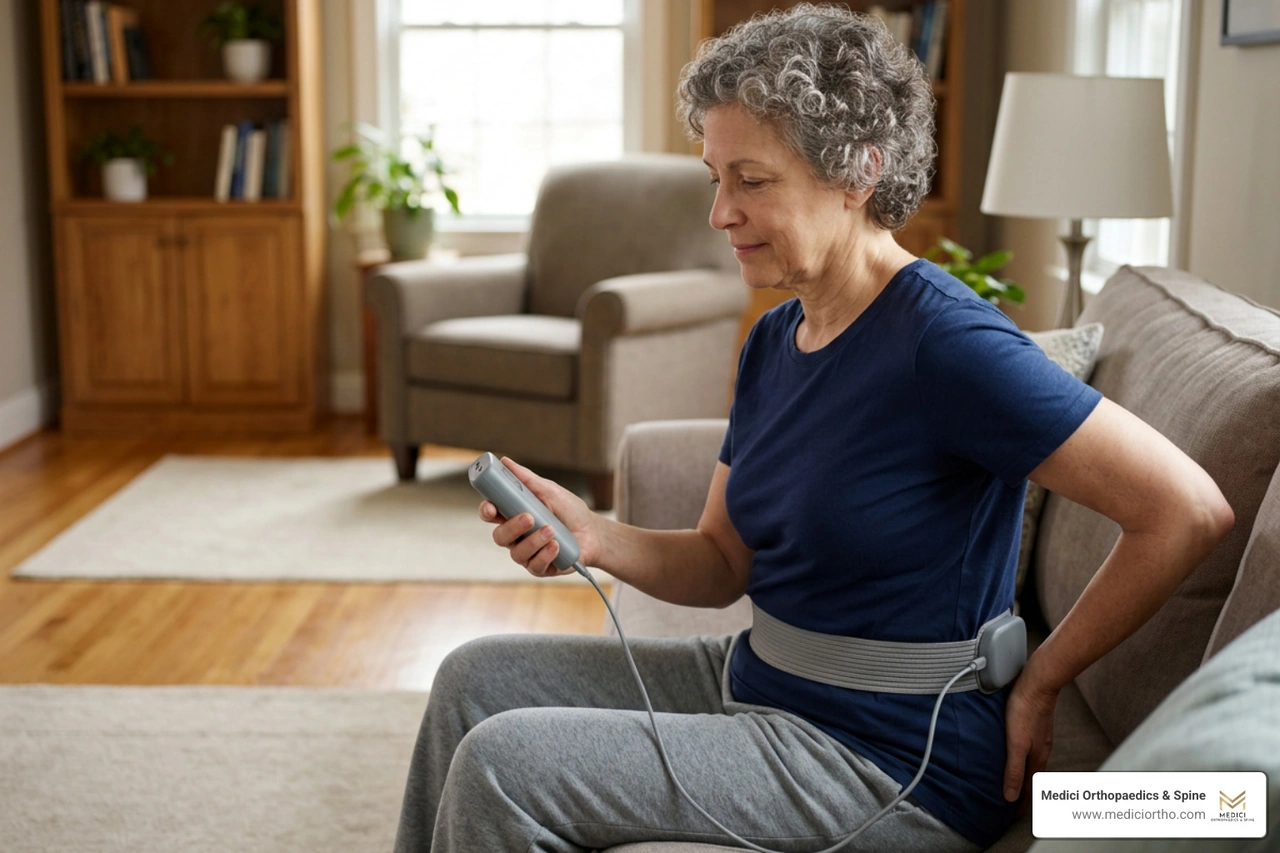
Before committing to a permanent implant, patients undergo a temporary trial run lasting 3 to 7 days. During this evaluation phase, thin, insulated wires called percutaneous trial leads are guided into the epidural space using real-time fluoroscopic (X-ray) imaging. These leads connect to an external pulse generator worn on a belt around the waist.
The primary objective of the trial is to achieve at least a 50 percent reduction in pain, alongside measurable improvements in daily functional mobility and sleep quality. If you want a detailed overview of what to expect during this evaluation window, explore the truth about spinal cord stimulator trials step-by-step guide.
Procedurally, the trial is billed primarily under CPT code 63650 for percutaneous lead placement. When performed in an outpatient setting, the commercial billing for a trial typically ranges from $6,000 to $15,000, while self-pay clinic rates often sit around $4,000 to $7,000.
If the trial successfully meets or exceeds the 50 percent relief benchmark, the patient can move forward with permanent implantation. This outpatient surgical procedure involves placing permanent leads (percutaneous or paddle leads) and tunneling them beneath the skin to an internal pulse generator (IPG) securely housed within a small subcutaneous pocket in the lower back or buttock.
The permanent phase is significantly more resource-intensive. It combines CPT code 63650 (lead placement) or CPT 63655 (laminectomy-assisted lead placement) with CPT code 63685 for the insertion of the pulse generator. Total commercial charges for permanent implantation generally fall between $30,000 and $60,000+, with the internal pulse generator hardware accounting for $20,000 to $35,000 of the total expense.
Navigating healthcare payers and reimbursement policies is critical for understanding your out-of-pocket exposure. Coverage depends on medical necessity guidelines, proper clinical documentation, and the surgical setting chosen for the procedure.
Original Medicare (Parts A and B) covers both the diagnostic trial and permanent neurostimulator implantation for documented chronic intractable pain conditions that have not responded to conservative treatments. Medicare reimbursement rules set specific payment rates across different clinical environments:
Patients carrying Medigap supplemental coverage often see their remaining 20 percent Part B coinsurance covered entirely, leaving them responsible only for their basic annual deductibles. Device manufacturers provide detailed coding breakdowns in their reimbursement guide and medical criteria.
Commercial insurers (such as Blue Cross Blue Shield, Aetna, Cigna, and UnitedHealthcare) maintain clear clinical criteria before approving neuromodulation coverage. Prior authorization requirements almost universally include:
To see whether your specific condition satisfies standard insurance requirements, review our guide on who qualifies for spinal cord stimulator surgery.
The gross cost of spinal cord stimulation is influenced by several clinical, geographical, and technological factors:
One of the most consequential financial decisions is choosing between a primary-cell (non-rechargeable) pulse generator and a rechargeable system.
| Feature | Primary-Cell (Non-Rechargeable) | Rechargeable Pulse Generator |
|---|---|---|
| Initial Device Cost | $15,000 – $25,000 | $25,000 – $35,000 |
| Battery Lifespan | 3 to 5 years (average 39 months) | 7 to 15+ years (average 83+ months) |
| Patient Maintenance | Zero daily/weekly charging | Requires regular wireless recharging |
| Surgical Replacements | 8–10 over a 40-year lifespan | 2–4 over a 40-year lifespan |
| Lifetime Cost Impact | Higher cumulative surgical and facility costs | Lower long-term financial expenditure |
While non-rechargeable units carry a lower initial purchase price, their shorter lifespan requires frequent surgical generator replacements. Over decades of therapy, rechargeable systems frequently yield estimated lifetime savings between $104,000 and $168,833. For an in-depth financial model, explore this analysis of battery replacement costs and longevity.
Neuromodulation requires continuous clinical oversight. Long-term budget planning must factor in routine device programming, lead impedance checks, and complication management (Kumar & Bishop, 2009). Research indicates that the average annual maintenance cost for an uncomplicated SCS system under Medicare is approximately $5,071 (Kumar & Bishop, 2009).
For institutional budgeting and comprehensive life care planning, healthcare economists recommend applying an 18 percent annual gross-up rule to the initial implantation cost to properly cover ongoing maintenance, hardware revisions, and adverse event management (Kumar & Bishop, 2009). Common complications that incur additional medical costs include:
In formal life care planning calculations, the lifetime UCR (Usual, Customary, and Reasonable) cost for a 40-year-old patient spanning a 42-year life expectancy can total up to $923,911.66 when accounting for trial phases, initial implantation, periodic replacements, and clinical maintenance (Kumar & Bishop, 2009). Access the primary data in this clinical analysis of long-term SCS budgeting and maintenance.
Evaluating the economics of neuromodulation requires balancing upfront procedural costs against long-term reductions in healthcare resource utilization. Patients suffering from failed back surgery syndrome (FBSS) or painful diabetic peripheral neuropathy (pDPN) often consume substantial healthcare resources via emergency room visits, recurring imaging studies, and long-term opioid prescriptions.
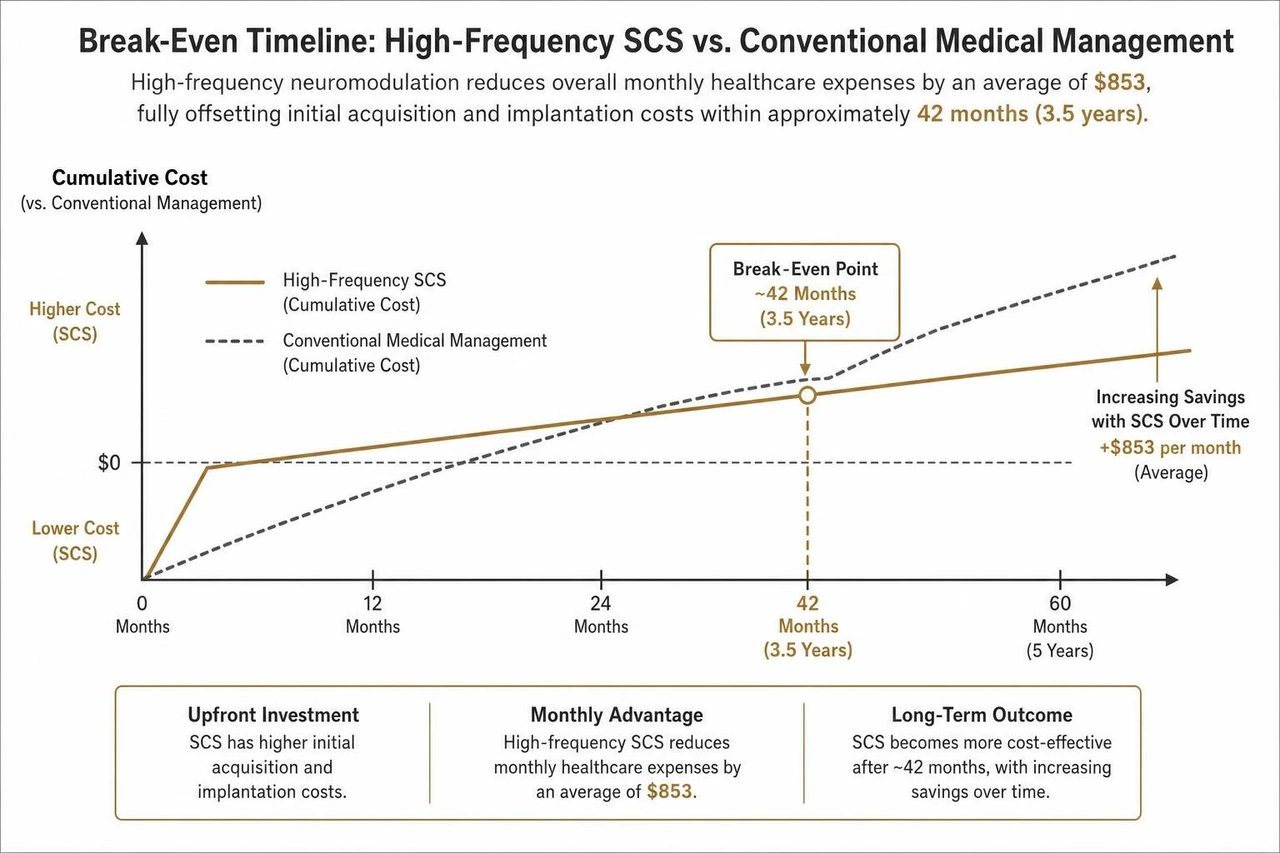
Research demonstrates that high-frequency neuromodulation for diabetic peripheral neuropathy reduces overall monthly healthcare expenses by an average of $853, fully offsetting initial acquisition and implantation costs within approximately 42 months (3.5 years) (Rajkumar et al., 2024). Read the complete economic assessment in this study on the health economics of high frequency neurostimulation.
Innovations in neuromodulation technology have introduced miniaturized wireless neurostimulators. Unlike traditional systems that require tunneling wires to an implanted battery pack, wireless systems utilize an external wearable transmitter to power microscopic internal receivers.
A formal economic decision model demonstrated that single-stage direct-to-permanent wireless stimulation is highly cost-effective compared to traditional two-stage IPG systems, delivering superior net monetary benefits and saving up to $19,886 per patient by eliminating separate trial surgeries and battery replacement procedures (North et al., 2021). Review the complete statistical model in this cost-effectiveness model for wireless stimulation.
To determine the most appropriate financial and clinical path forward, patients should understand how spinal cord stimulation compares to alternative interventional pain procedures:
To learn more about how neuromodulation interrupts pain signaling compared to structural surgery, read our overview on how SCS surgery works.
Patients can utilize several practical strategies to manage and minimize their out-of-pocket costs for neuromodulation:
A Medicare beneficiary without supplemental insurance generally pays the annual Part B deductible plus a 20 percent coinsurance on physician and facility fees. For an outpatient permanent implant performed in an ambulatory surgery center, out-of-pocket expenses typically average $3,726. At a hospital outpatient department, statutory copayment caps limit the facility portion to approximately $1,676 (plus physician coinsurance). Patients with Medigap supplemental coverage generally pay close to zero out-of-pocket expenses beyond their standard policy premiums.
For uninsured self-pay patients, a percutaneous spinal cord stimulator trial generally costs between $4,000 and $7,000. This estimate typically covers the temporary lead placement (CPT 63650), fluoroscopic guidance, facility charges, local anesthesia, external trial stimulator rental, and device programming support throughout the evaluation period.
Primary-cell (non-rechargeable) pulse generators typically last between 3 and 5 years, with clinical studies demonstrating an average lifespan of roughly 39 months depending on daily programmed energy output. When the battery nears depletion, an Elective Replacement Indicator (ERI) alerts the clinical team. The replacement procedure involves a minor outpatient surgery under CPT code 63685 to exchange the pulse generator while leaving existing spinal leads intact.
Managing chronic, intractable spinal and nerve pain requires a clear clinical strategy paired with open financial transparency. While advanced neuromodulation represents a meaningful medical investment, its ability to restore physical function, reduce reliance on long-term systemic medications, and improve day-to-day quality of life makes it a valuable option for well-selected candidates.
At Medici Orthopaedics & Spine, our multidisciplinary team is dedicated to restoring your mobility and comfort using the most effective, least invasive options available. We believe in delivering compassionate, patient-centered care while helping you navigate insurance authorizations, facility choices, and cost considerations with confidence.
If you are struggling with unresolved back, leg, or nerve pain, reach out to our team today to explore your options for comprehensive spinal cord stimulation therapy.
Kumar K, Bishop S. "Financial impact of spinal cord stimulation on the healthcare budget: a comparative analysis of costs in Canada and the United States.." Journal of neurosurgery. Spine, 2009. PMID 19558289.North RB, Parihar HS, Spencer SD, Spalding AF, Shipley J. "Cost-Effectiveness Model Shows Superiority of Wireless Spinal Cord Stimulation Implantation Without a Separate Trial.." Neuromodulation : journal of the International Neuromodulation Society, 2021. PMCID PMC8246551.Rajkumar S, Venkatraman V, Zidanyue Yang L, Parente B, Lee HJ, Lad SP. "Healthcare Economics of High Frequency Spinal Cord Stimulation for Painful Diabetic Peripheral Neuropathy.." Journal of diabetes science and technology, 2024. PMCID PMC11089884.
At Medici, you’re more than your MRI.
We take time to hear your story, understand your pain, and create a plan that actually works for you.

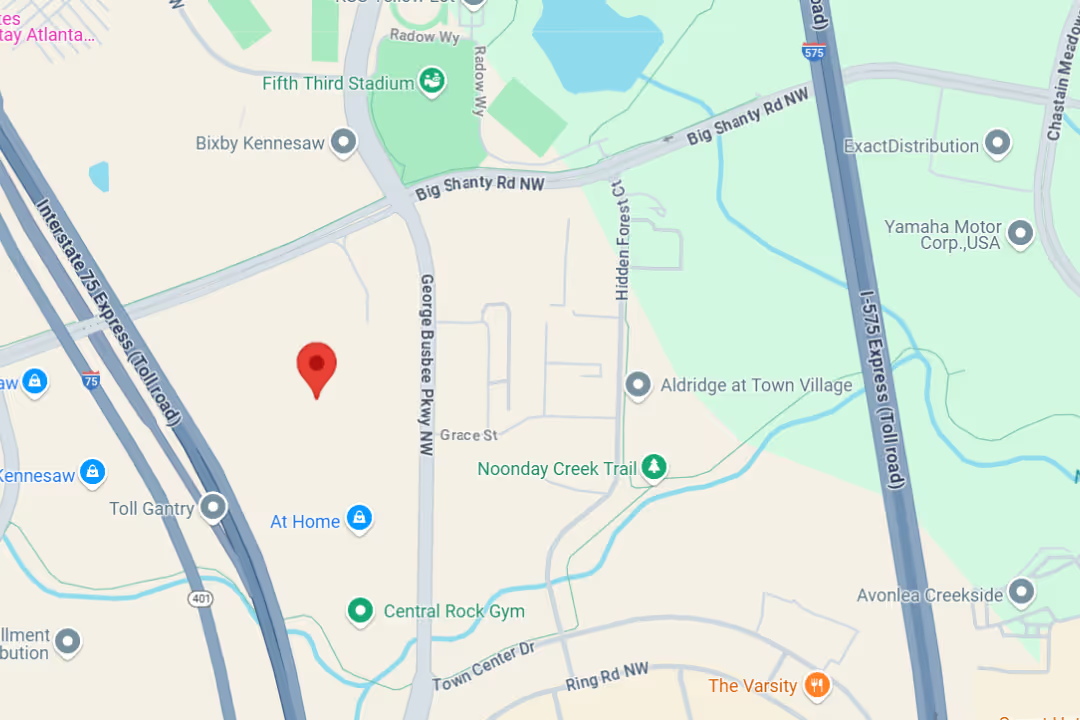
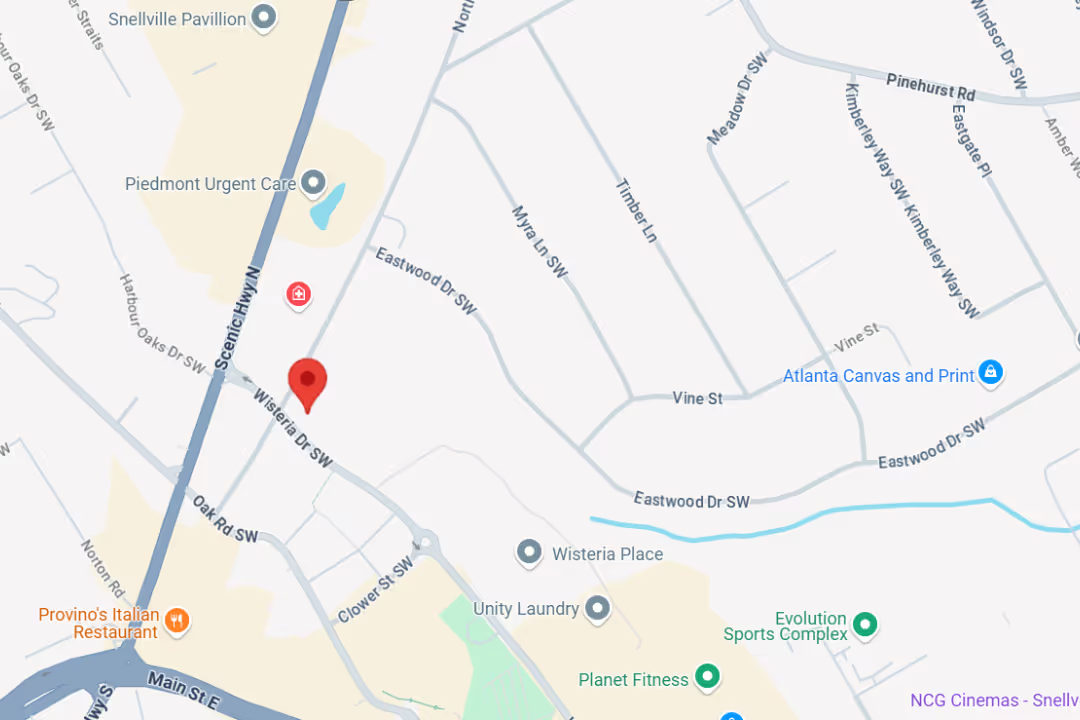
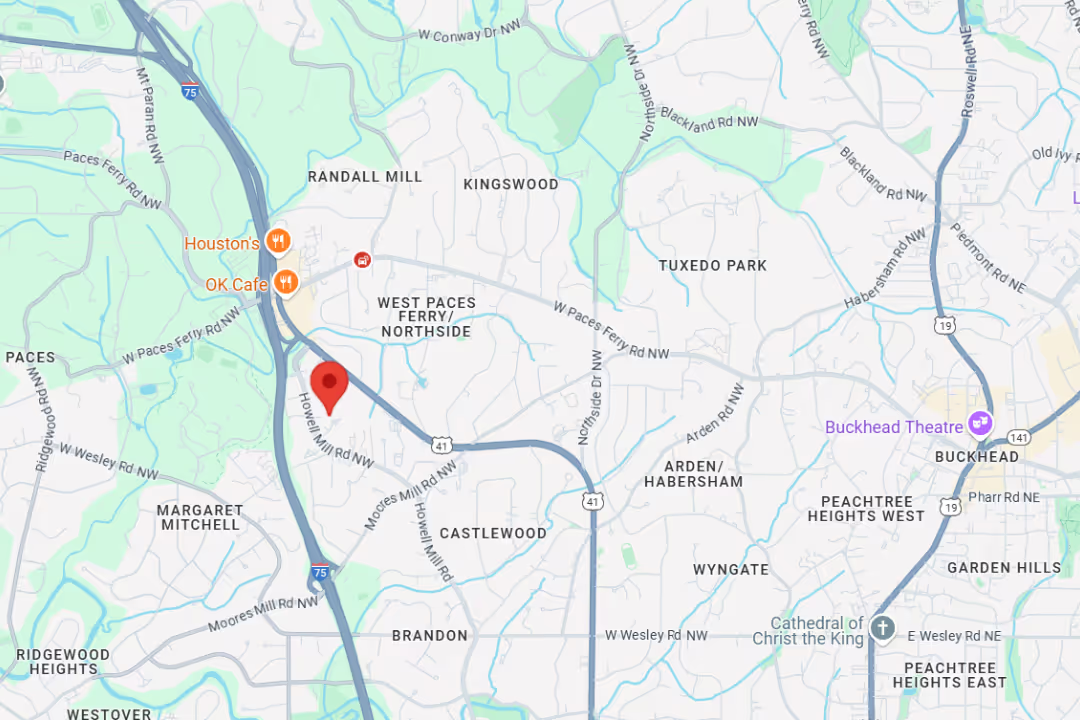
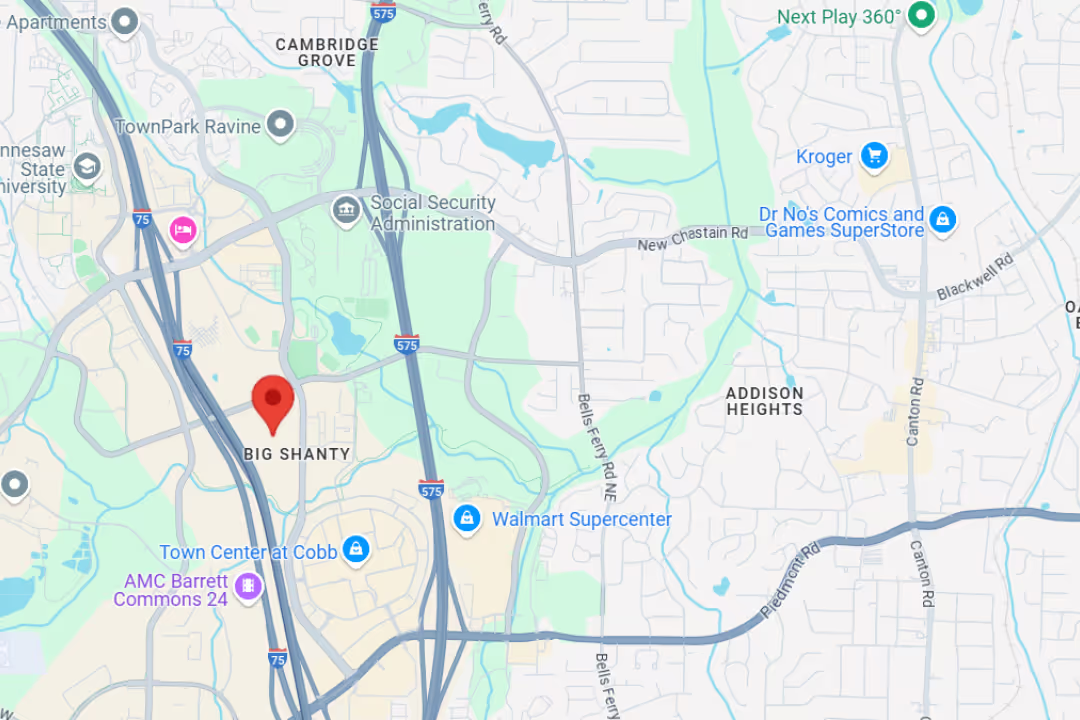
Our team delivers specialist care at convenient locations across Metro Atlanta:
Get expert tips on injury recovery, pain relief, joint health, and movement strategies—straight from our Fellowship-Trained team.