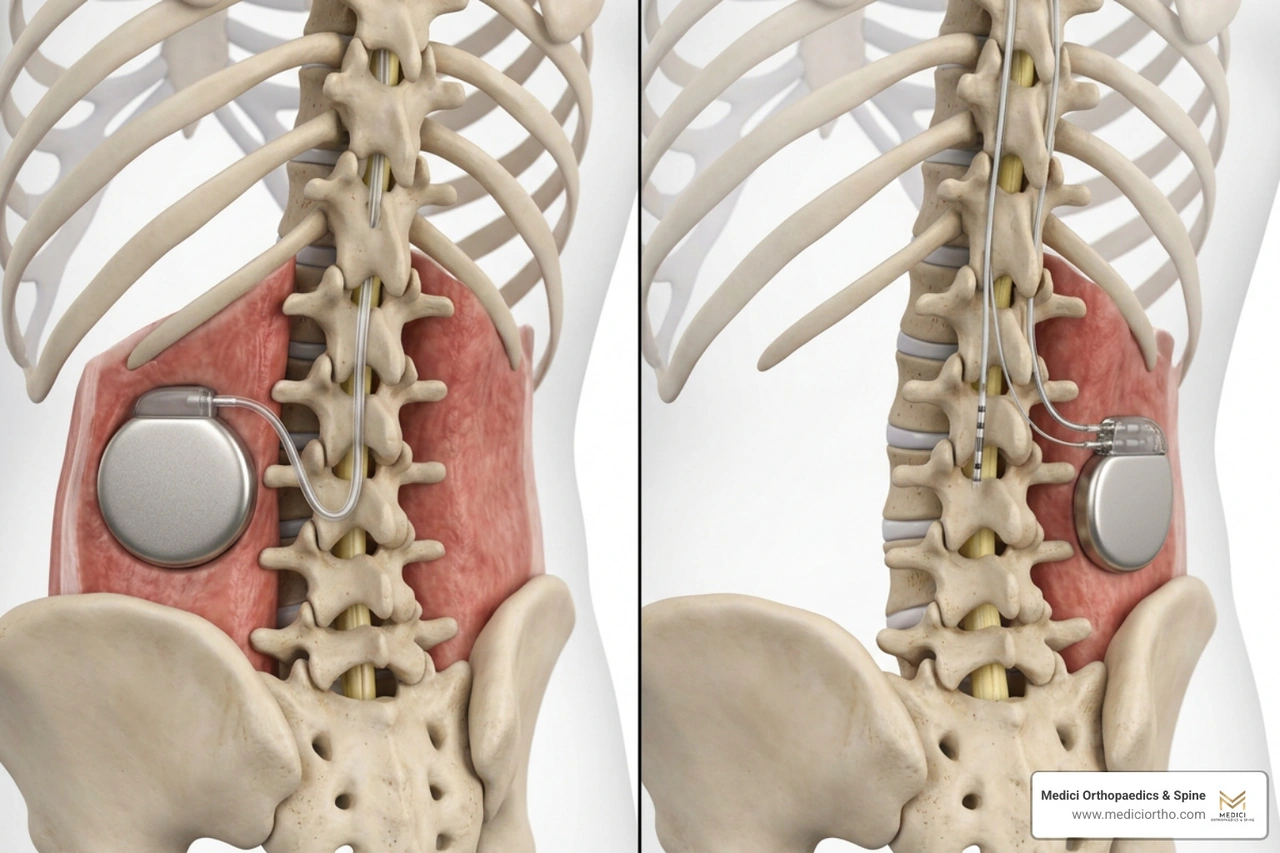
Pain pump vs spinal cord stimulator: a pain pump sends tiny doses of medication into the fluid around the spinal cord, while a spinal cord stimulator uses mild electrical signals to change how the nervous system processes pain.
Neither option is a cure, and neither is automatically "better." The right choice depends on the source of pain, previous surgeries, daily function goals, medication tolerance, and results from a temporary trial. Both treatments are generally considered after conservative care has not provided enough relief.
I am Sonny Dosanjh, M.D., a board-certified Physical Medicine and Rehabilitation physician and fellowship-trained pain specialist. In evaluating pain pump vs spinal cord stimulator options, I help patients with chronic spine, nerve, and post-surgical pain understand which approach may fit their diagnosis, lifestyle, and goal of getting back to movement with less reliance on medication.
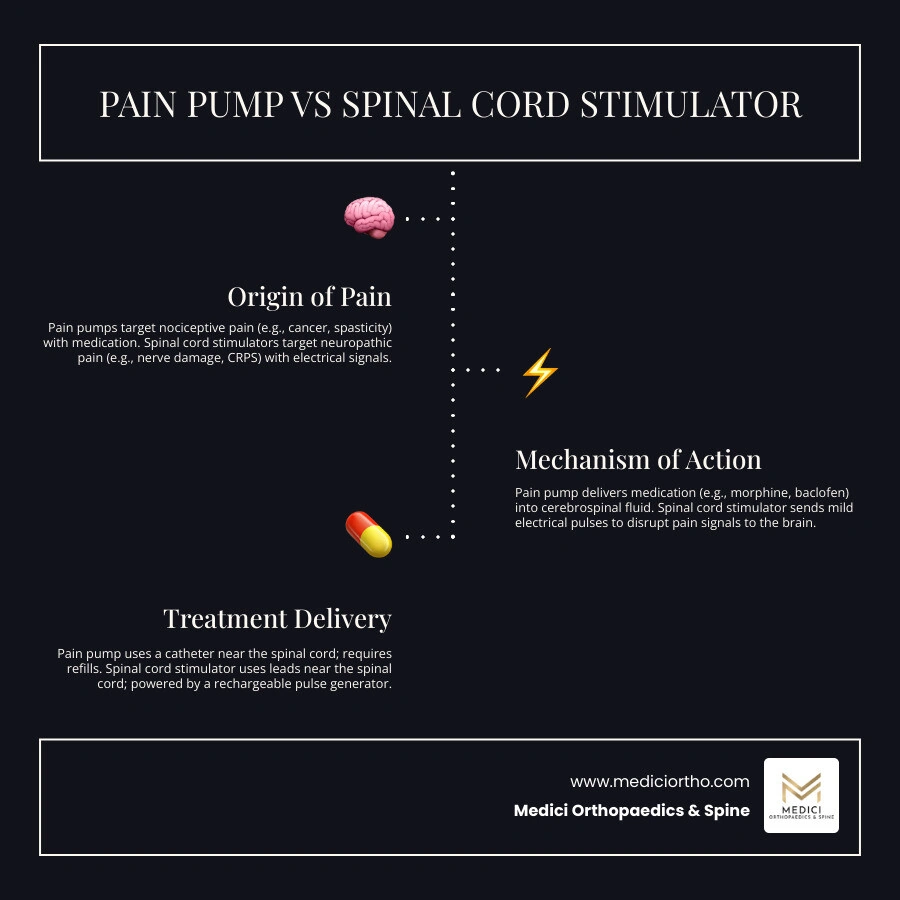
The simplest way to compare these devices is this:
A spinal cord stimulator does not put medicine into the body. It uses implanted leads near the spinal cord to deliver controlled electrical pulses. These pulses alter how pain messages travel through the nervous system before the brain fully interprets them.
An intrathecal pain pump, also called an intrathecal drug delivery system, stores medication in an implanted reservoir. A catheter carries very small doses into the cerebrospinal fluid around the spinal cord. Because the medicine is delivered close to spinal pain receptors, the dose can often be much lower than an oral dose.
A helpful scientific overview of these device differences is available here: Scientific overview of device differences. For a deeper look at stimulation therapy, we also explain the process in our Spinal Cord Stimulator Complete Guide.
Spinal cord stimulation is a form of neuromodulation. Thin leads are placed in the epidural space, near the dorsal columns of the spinal cord. These leads connect to a small pulse generator, usually implanted under the skin in the buttock, flank, or abdomen.
Traditional stimulation often creates a tingling sensation called paresthesia. Some patients like that sensation because it overlaps the painful area. Others find it distracting, especially when sitting, bending, or trying to sleep. Newer stimulation patterns, including high-frequency 10 kHz stimulation, can provide relief without that tingling feeling in many patients.
Research summarized in patient education sources suggests that about 50% to 60% of people using traditional low-frequency systems achieve major pain relief, while newer high-frequency systems may help 80% or more of appropriately selected patients reach substantial relief. Those numbers are encouraging, but they do not mean everyone gets that result. The trial period matters because your nervous system gets a vote.
At Medici Orthopaedics & Spine, we most often think about spinal cord stimulation for nerve-driven pain: burning, shooting, electric, radiating, or hypersensitive pain. If you are wondering whether nerve pain symptoms fit this treatment category, our guide Nerve Pain and Stimulators: Are You a Candidate is a useful next read.
A pain pump works very differently. The pump contains medication in a reservoir and sends it through a catheter into the intrathecal space, where cerebrospinal fluid surrounds the spinal cord.
Common intrathecal medications include:
Intrathecal delivery can be far more potent than oral dosing for certain drugs, sometimes described as 100 to 300 times more potent. That does not mean it is "stronger" in a reckless way. It means the medication is delivered closer to the target, so the total amount needed may be much smaller.
Because the medication bypasses the gastrointestinal tract and avoids the same first-pass processing as pills, some patients experience fewer whole-body side effects than they had with oral medication. However, a pain pump still uses medication, and side effects can still occur. Tiny dose, big responsibility.
For patients dealing with severe spasticity, we discuss this option further in Is the Baclofen Pump Right for You? A Snellville Doctor Weighs In.
Choosing between a pain pump and spinal cord stimulator starts with diagnosis, not device preference. The best device is not the newest, flashiest, or the one your neighbor liked. It is the one that matches your pain pattern, anatomy, medical history, and goals.
We typically consider:
Psychological screening is not a judgment of whether pain is "real." Pain is real. Screening helps identify factors that can affect implant success, such as untreated depression, severe anxiety, substance-use risk, or unrealistic expectations. Implantable devices work best when we treat the whole person, not just the MRI.
Spinal cord stimulation is commonly considered for:
A good SCS candidate often describes pain as burning, shooting, electrical, pins-and-needles, or radiating. If the pain travels down the leg after back surgery, SCS may be especially relevant. We explain candidacy in more detail here: Who Qualifies for a Spinal Cord Stimulator.
Pain pumps are more often considered for:
Industry discussions of implantable pain technologies make the same broad distinction: SCS is usually matched to neuropathic pain, while intrathecal drug delivery is often used when targeted medication is the better tool. See Industry insights on device indications for a technology-focused overview.
Age alone does not automatically rule out either option. A patient in their 70s may still be a candidate if their health status, goals, anatomy, and follow-up ability support it. But age-related factors matter: skin healing, fall risk, cognitive ability to manage a controller, transportation for pump refills, and medication sensitivity all deserve careful review.
Failed back surgery syndrome, or persistent spinal pain syndrome, is one of the most common reasons patients ask about pain pump vs spinal cord stimulator options. We cover this condition here: What is Failed Back Surgery Syndrome and How Is It Treated.
For patients with persistent back and leg pain after lumbar surgery, SCS has some of the strongest evidence when the pain is neuropathic or radicular. It is especially relevant when there is no clear surgical target left, or when another spine surgery is unlikely to solve the pain generator.
Pain pumps may be considered when pain is severe, more widespread, medication-responsive, or when oral medications produce unacceptable side effects. They may also be part of a plan for patients whose pain is not well matched to stimulation.
A newer clinical trial design for persistent spinal pain syndrome is studying patient preference by allowing participants to test both SCS and intrathecal drug delivery before selecting a permanent implant. That study uses a 50% pain reduction threshold as a marker of trial success and includes functional outcome measures. You can review the trial listing here: Clinical study on post-surgical back pain trials.
For complex regional pain syndrome, SCS is often favored earlier than pain pumps when symptoms are neuropathic and limb-focused. Timing matters: long-standing CRPS can become harder to treat, so early evaluation with a pain specialist is important.
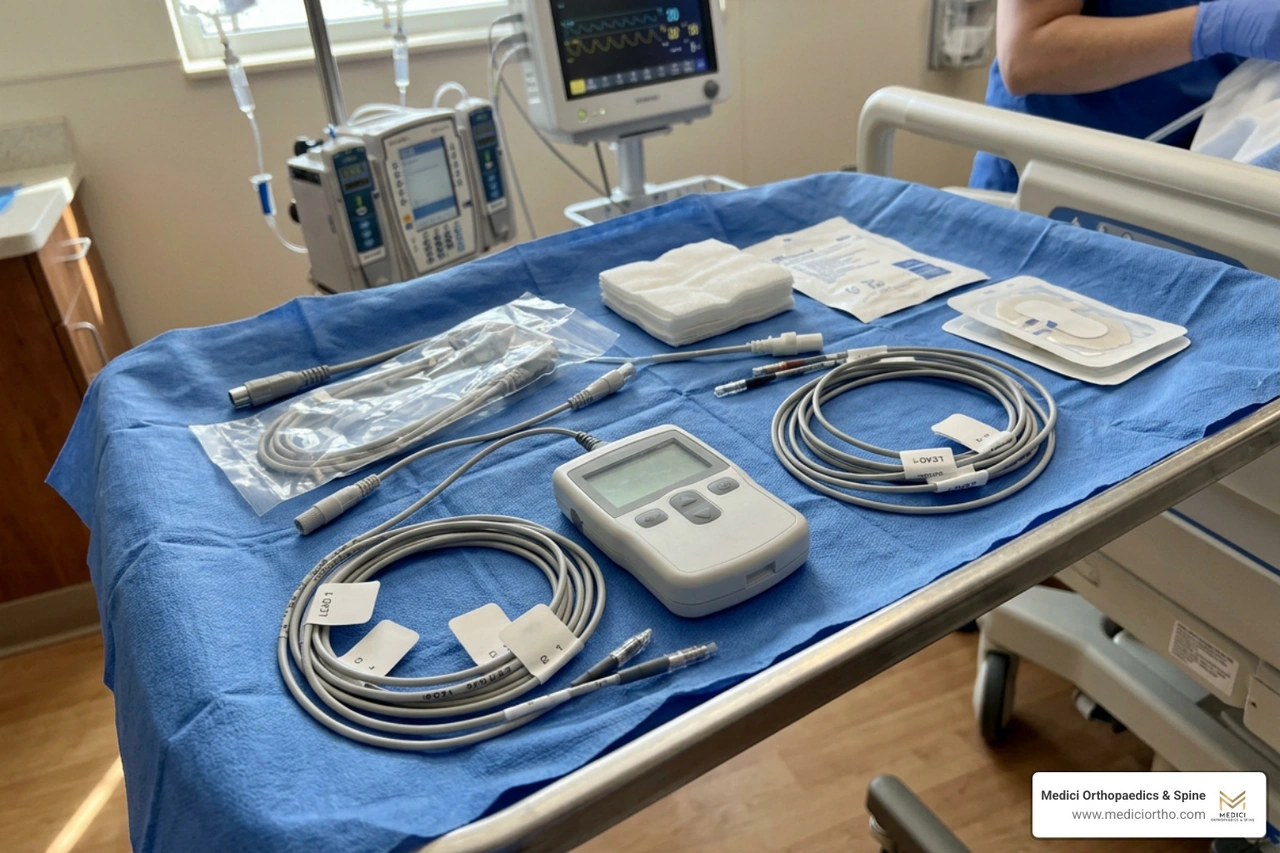
One of the best things about both therapies is that they are usually tested before permanent implantation. We are big fans of "try before you implant." It is less catchy than "try before you buy," but much more medically accurate.
A successful trial usually means:
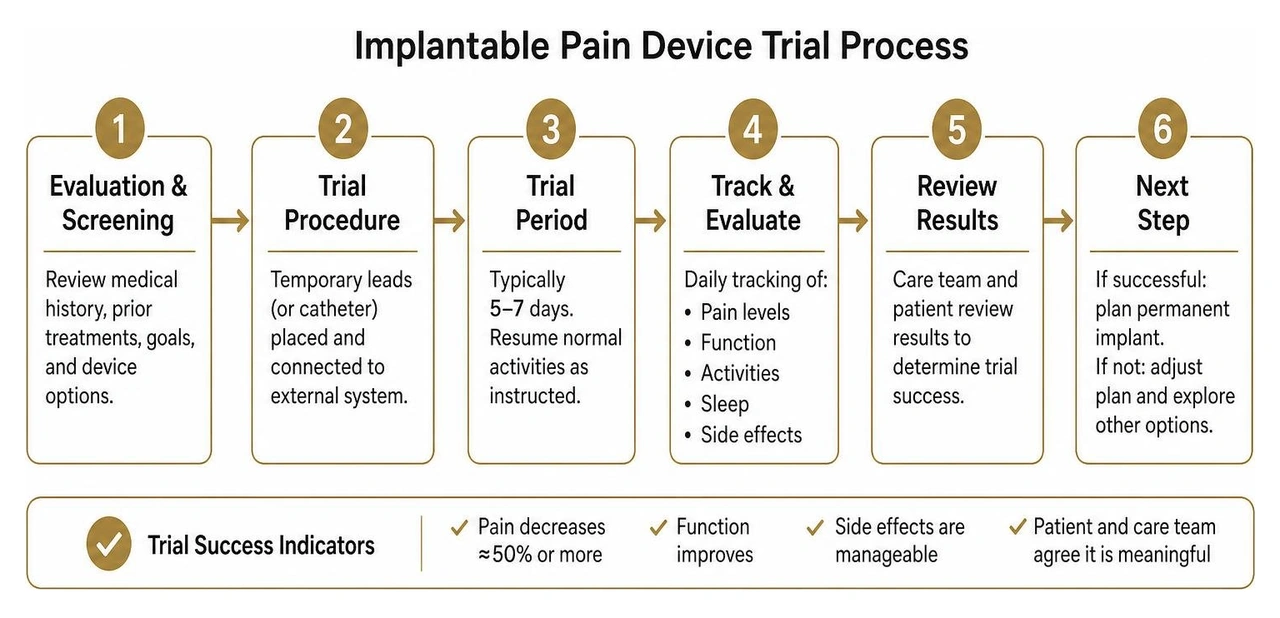
A spinal cord stimulator trial usually involves temporary leads placed through a needle into the epidural space. The leads are connected to an external generator worn outside the body. The trial often lasts 5 to 7 days, although protocols vary.
During the trial, patients track:
Pain pump trials vary more. Some use a single intrathecal injection. Others use a temporary catheter and short infusion. In the clinical trial referenced above, the intrathecal trial uses a medication infusion over hours rather than a full week. The goal is to see whether targeted medication reduces pain or spasticity enough to justify a permanent pump.
Real patient experiences can be very different. In online chronic pain communities, some patients describe major improvement with SCS, such as around 60% pain relief, while others report little benefit from a pump or loss of benefit after hardware issues. These stories are useful because they remind us that outcomes vary. But they are not a substitute for a medical trial, imaging review, and individualized diagnosis.
SCS leads come in two main categories:
A 2025 systematic review found that percutaneous leads are often preferred when patients do not have major anatomical abnormalities or previous spinal interventions at the target area. Paddle leads may be preferred when percutaneous placement is technically difficult, such as after prior spine surgery, or when a patient has failed a percutaneous approach. You can read the review here: Systematic review on percutaneous vs paddle leads.
Another study of 188 SCS systems found no major pain-control difference between percutaneous and paddle leads overall, but lead migration was higher in percutaneous leads: 10.83% versus 2.94% for surgical paddle leads. In patients who converted from percutaneous to paddle leads, average pain relief improved from 45% to 70%. See the study here: Clinical trial on paddle leads in neuropathic pain.
Modern SCS technology may include:
Modern pump technology may include:
Technology helps, but programming and follow-up are where the magic sauce lives. A great device with poor follow-up is like a sports car with no steering wheel.
Both devices are implanted medical systems, so both carry risks. The risk profile is different because one system uses electrical leads and a battery, while the other uses medication, a pump reservoir, and a catheter into spinal fluid.
Common SCS risks include:
Published estimates commonly list SCS lead migration around 13.2%, infection around 3.4%, and hardware malfunction around 2.9%, though rates vary by study, technique, and follow-up duration.
Pain pump risks include:
Cost is complicated. Insurance coverage, facility type, medication, follow-up frequency, and complications all matter. A small cost analysis found average procedural costs of about $105,234 for SCS and $79,333 for intrathecal pain pump implantation, with ongoing medication costs for pumps and annual maintenance costs for SCS. However, that study had a very small sample, so it should be viewed as a cost snapshot, not a universal price tag. You can review it here: Procedural cost analysis.
Patients who later need lumbar fusion should also be counseled carefully. Research has found that patients with an existing SCS or intrathecal pump who undergo posterior lumbar fusion may have higher revision rates than patients without these devices: 7.3% versus 5.0% at 1 year and 10.8% versus 7.0% at 2 years. Interestingly, removal versus retention of the device during fusion did not clearly change complication rates in that analysis. The practical takeaway: previous and future spine surgery plans matter.
SCS maintenance usually involves:
Rechargeable SCS batteries may last many years, sometimes 10 years or longer depending on use. Non-rechargeable batteries may need replacement sooner, often within several years. The tradeoff is simple: rechargeable devices require patient participation; non-rechargeable devices require less daily attention but may need more frequent replacement.
Pain pump maintenance usually involves:
For pain pumps, follow-up is not optional. If a pump runs empty, the problem can be serious, especially with baclofen or opioid therapy. For SCS, missed follow-up is usually less dangerous but can reduce benefit if programming is not optimized.
You start with a thorough pain evaluation. We look at your diagnosis, imaging, physical exam, prior treatments, surgical history, medication response, and pain pattern.
As a general rule:
The trial period is often the deciding factor. If a temporary SCS trial gives you meaningful relief and better function, that is powerful information. If intrathecal medication produces better relief with tolerable side effects, that tells us something different. We do not need to guess when your body can help answer.
A pain pump delivers medication into the intrathecal space, not directly into the bloodstream. That is why much smaller doses can sometimes work compared with oral medication.
However, "not directly into the bloodstream" does not mean "never affects the body." Some medication can still be absorbed and metabolized, and side effects can still happen. Depending on the medication, possible side effects may include nausea, itching, dizziness, sleepiness, weakness, mood changes, swelling, urinary retention, or breathing problems.
The advantage is targeted delivery. The caution is that targeted medication is still medication.
High-frequency SCS has shown strong outcomes in selected patients, with reports suggesting that 80% or more may achieve major relief in some groups. Traditional low-frequency systems are often reported closer to 50% to 60% for major pain relief.
That said, success should not be measured only by a pain score. We also care about:
A 50% pain reduction during trial is a common benchmark for moving forward, but we also ask, "What can you do now that you could not do before?" That question often matters more than the number.
When comparing pain pump vs spinal cord stimulator options, the best choice depends on the pain generator. Spinal cord stimulation is usually best matched to neuropathic pain, persistent post-surgical spine pain, CRPS, and selected neuropathy conditions. Intrathecal pain pumps are often considered for severe medication-responsive pain, cancer pain, and spasticity, especially when oral medications are ineffective or poorly tolerated.
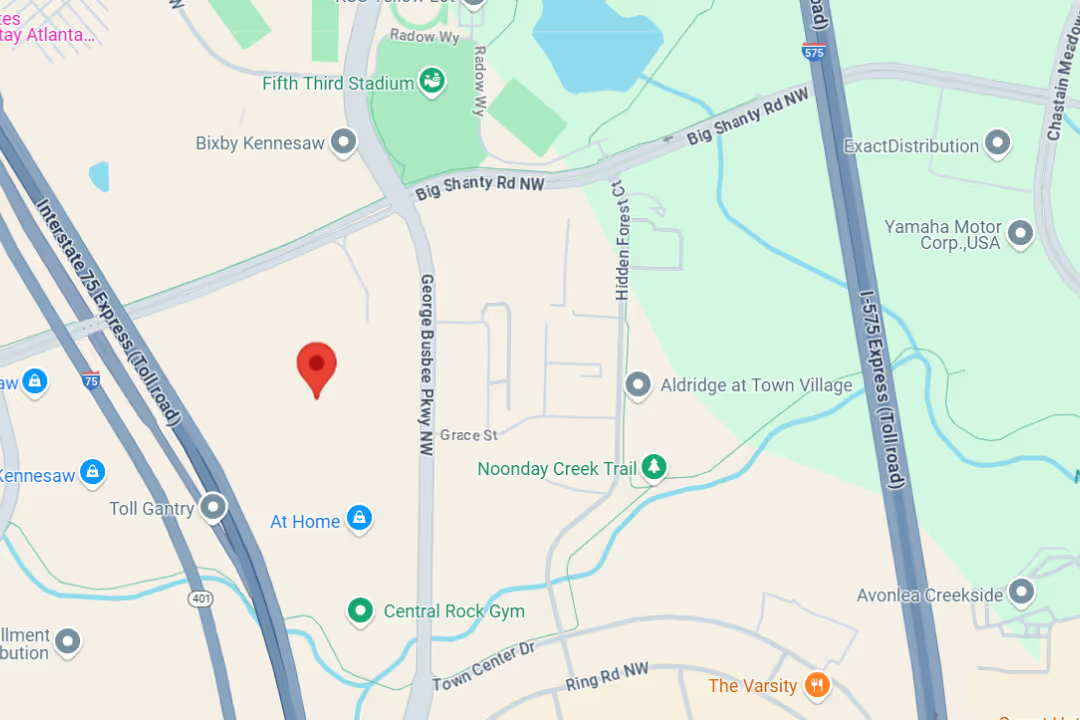
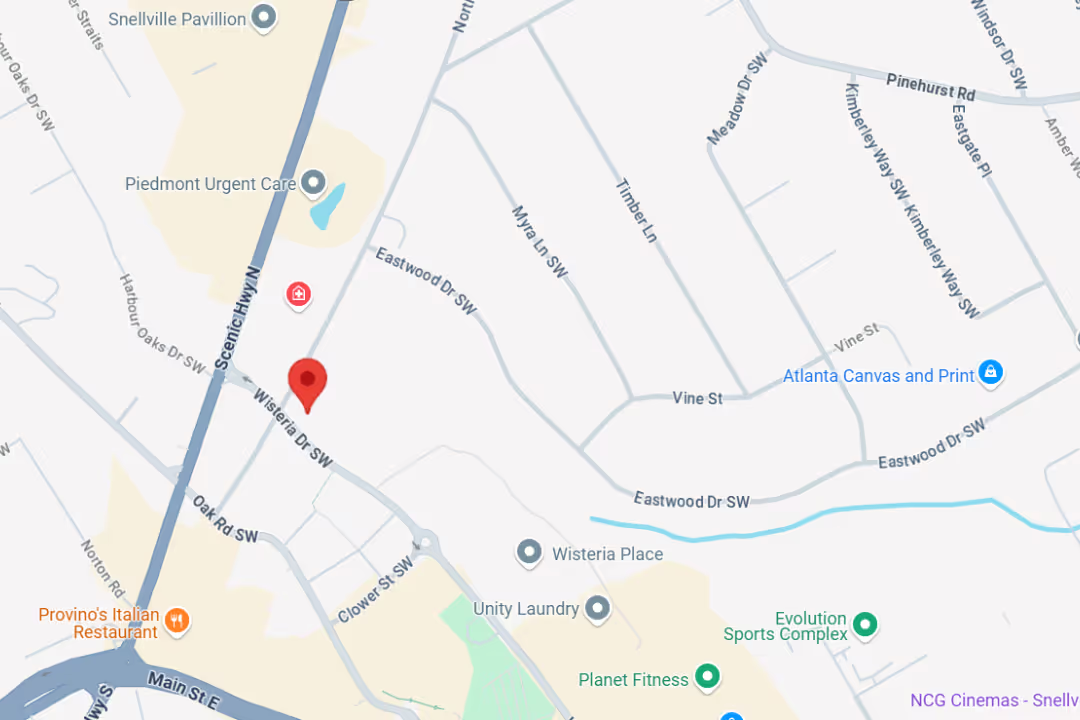
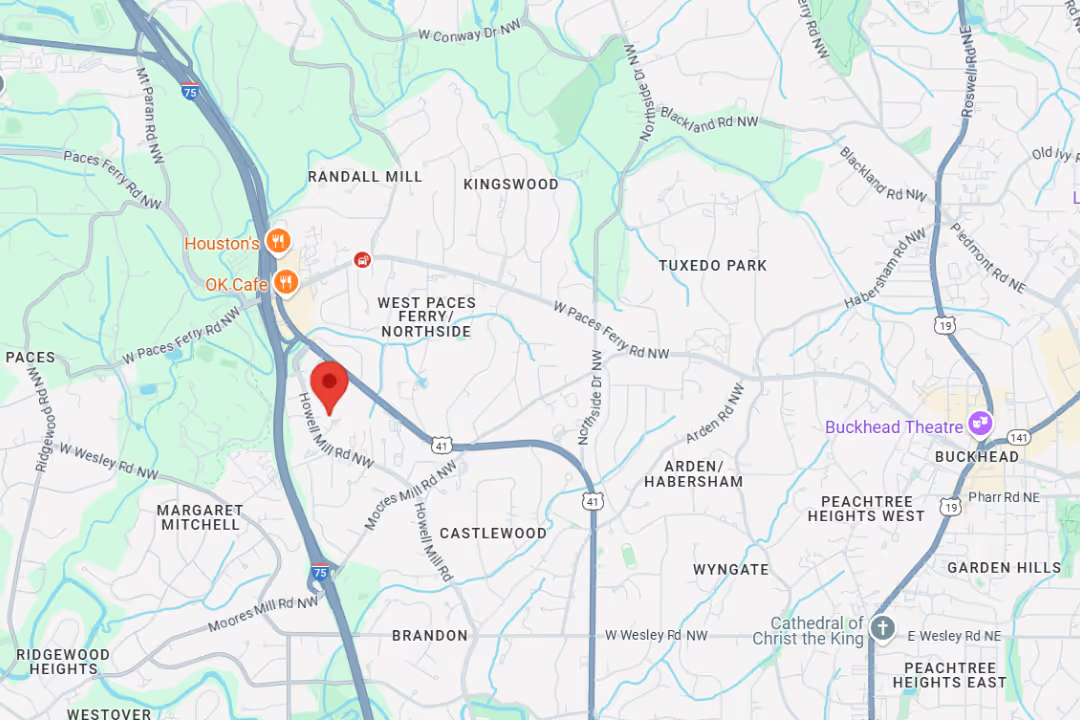
At Medici Orthopaedics & Spine, our goal is to help patients in Snellville, Kennesaw, Buckhead, Marietta, Atlanta, and the Metro Atlanta area find the most effective, least invasive, least drug-dependent program medically available. Sometimes that includes implantable technology. Sometimes it includes physical therapy, injections, medication management, regenerative options, minimally invasive procedures, or other treatments working together.
If chronic spine or nerve pain is limiting your life, we can help you compare your options clearly and safely. Learn more about our approach to Pain Management, or explore our dedicated page on Spinal Cord Stimulation.
At Medici, you’re more than your MRI.
We take time to hear your story, understand your pain, and create a plan that actually works for you.

Our team delivers specialist care at convenient locations across Metro Atlanta:
Get expert tips on injury recovery, pain relief, joint health, and movement strategies—straight from our Fellowship-Trained team.