If your doctor has told you that you need a knee replacement, you have probably already started asking around. Maybe a neighbor described months of painful rehab. Maybe a coworker mentioned they still cannot fully bend their knee a year later. That kind of feedback is scary, and it is completely reasonable to want a better path forward.
Here is something many patients do not realize until they start researching their options: not all knee replacements are performed the same way. Quad sparing knee replacement is a technique designed specifically to avoid cutting through the quadriceps tendon, which is one of the biggest reasons traditional knee replacement recovery feels so slow and painful. At Medici Orthopaedics & Spine, this approach is part of how we help patients across the greater Atlanta area get back on their feet with less trauma to the muscle and a more comfortable recovery.
What Is Quad Sparing Knee Replacement?
In a traditional approach, the surgeon makes a longer incision and cuts through the quadriceps tendon to reach the joint. With quad sparing surgery, the surgeon works around the muscle and tendon rather than through them. This generally means:
Your quadriceps muscle is what allows you to straighten your leg, climb stairs, and stand up from a seated position. When that tendon is cut during surgery, it needs time to heal before it can bear weight normally again. Preserving it means patients often notice they can engage the muscle sooner, which supports a smoother return to walking.
Quad sparing techniques were developed in response to patient demand for faster recoveries and less post-surgical pain. As joint replacement technology and surgical instrumentation improved, surgeons found ways to access the knee joint without disturbing the quadriceps mechanism. This reflects a broader shift in orthopedic surgery toward less invasive, more muscle preserving procedures whenever they are medically appropriate.
Who Is a Good Candidate for This Procedure?
Patients often arrive at this decision after living with one or more of the following for an extended period:
You may be a good candidate for knee replacement, and potentially the quad sparing technique, if you are experiencing persistent knee pain that limits your daily activities. Other signs include difficulty walking distances you used to manage easily, knee stiffness that does not improve with rest, and pain that disrupts your sleep. A thorough evaluation, including imaging, helps our surgeons determine whether this specific technique is right for your anatomy and condition.
At Medici, we believe in exhausting conservative and minimally invasive options first. This can include physical therapy, injections, regenerative medicine, and activity modification. Surgery becomes the right conversation once these approaches have been tried and your quality of life is still meaningfully limited by knee pain.
Because the quadriceps muscle is not cut, many patients find they can begin putting weight on the leg and working with physical therapy sooner than they expected. Early mobility is one of the most important factors in a successful joint replacement recovery.
Preserving the muscle and tendon typically means less tissue trauma overall. Many patients report lower pain levels in the days immediately following surgery compared to what they anticipated based on friends' experiences with traditional knee replacement.
A smaller incision and preserved tendon structure often result in less visible scarring and reduced long-term muscle weakness. This can matter a great deal for patients who are active or who want to return to hobbies like golf, gardening, or walking with minimal long-term limitation.
Some patients who undergo quad sparing knee replacement are able to go home sooner than those who have traditional surgery, though this always depends on individual health factors, age, and how the body responds to surgery. Your surgical team will discuss realistic expectations based on your specific case.
Before surgery, our team conducts a thorough evaluation that includes imaging of the knee joint, a review of your medical history, and a conversation about your goals and concerns. This helps us confirm that quad sparing surgery is appropriate for your specific anatomy.
On the day of your procedure, the surgical team will use specialized instruments designed to work around the quadriceps tendon rather than through it. The joint is prepared, and the implant components are placed with the goal of restoring natural knee alignment and movement.
After surgery, you will be monitored in a recovery area before either going home or being admitted for a short stay, depending on your case. Pain management, early movement encouragement, and a clear plan for physical therapy typically begin right away.
In the initial weeks after surgery, the focus is on managing swelling, controlling pain, and beginning gentle range of motion exercises. Many patients start walking with the help of an assistive device within days of surgery.
By this stage, physical therapy typically becomes more active. Patients work on strengthening the quadriceps and surrounding muscles, improving flexibility, and gradually reducing dependence on walking aids. Progress at this stage varies based on age, overall health, and how closely a patient follows their therapy plan.
Most patients continue to see improvement in strength and range of motion for several months following surgery. Full recovery and return to normal activities can take anywhere from a few months to about a year, depending on the individual. Our team works closely with patients throughout this period to adjust therapy as needed.
Our mission is optimally restoring your quality of life with the most effective, least invasive, least drug dependent program medically available today. That means we do not rush to surgery. We look at every option, including physical therapy and regenerative medicine, before recommending a surgical path.
Dr. Sonny Dosanjh and Dr. Darren Newfield bring years of orthopedic surgical experience to every knee replacement case. Their approach combines advanced surgical technique with a genuine commitment to patient centered care.
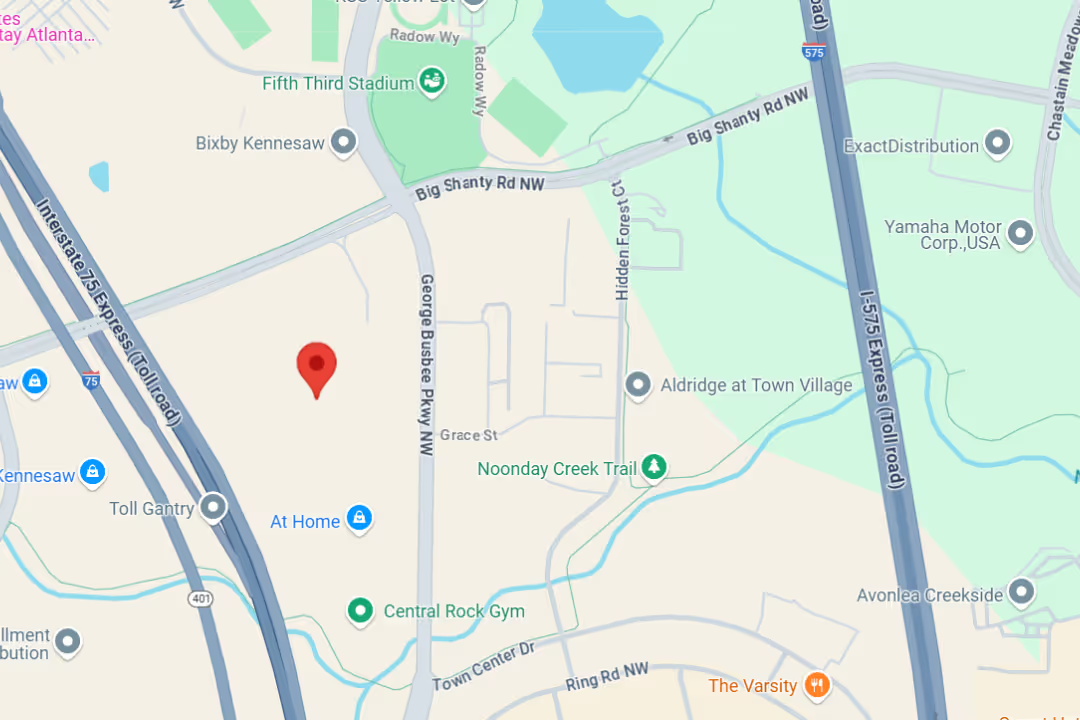
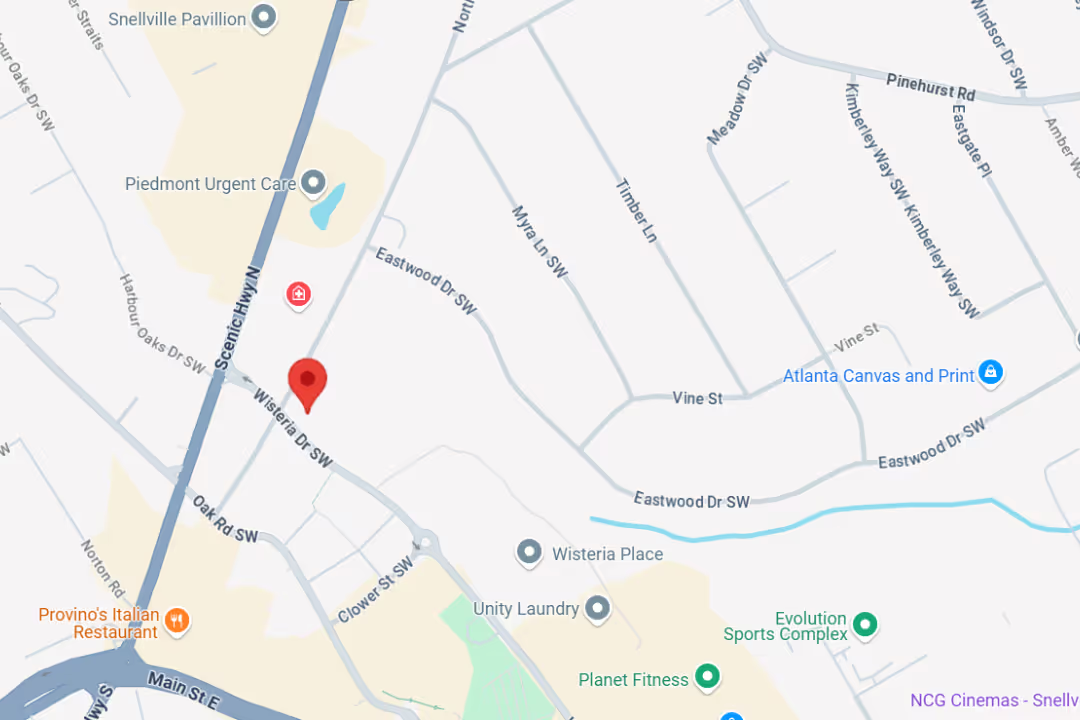
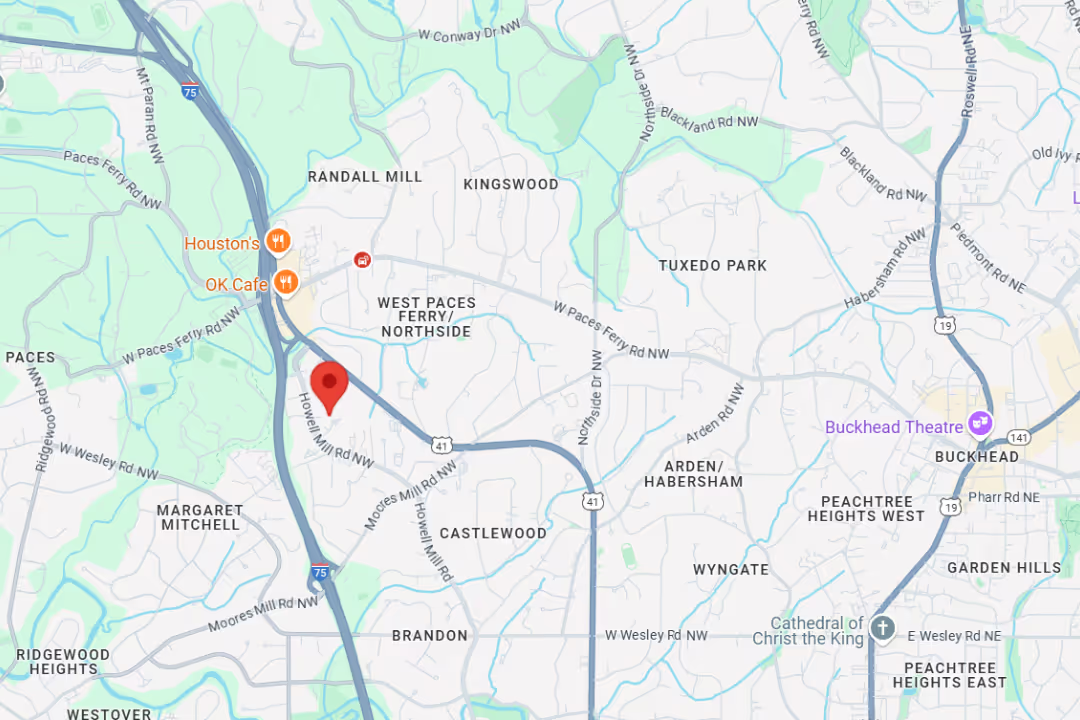
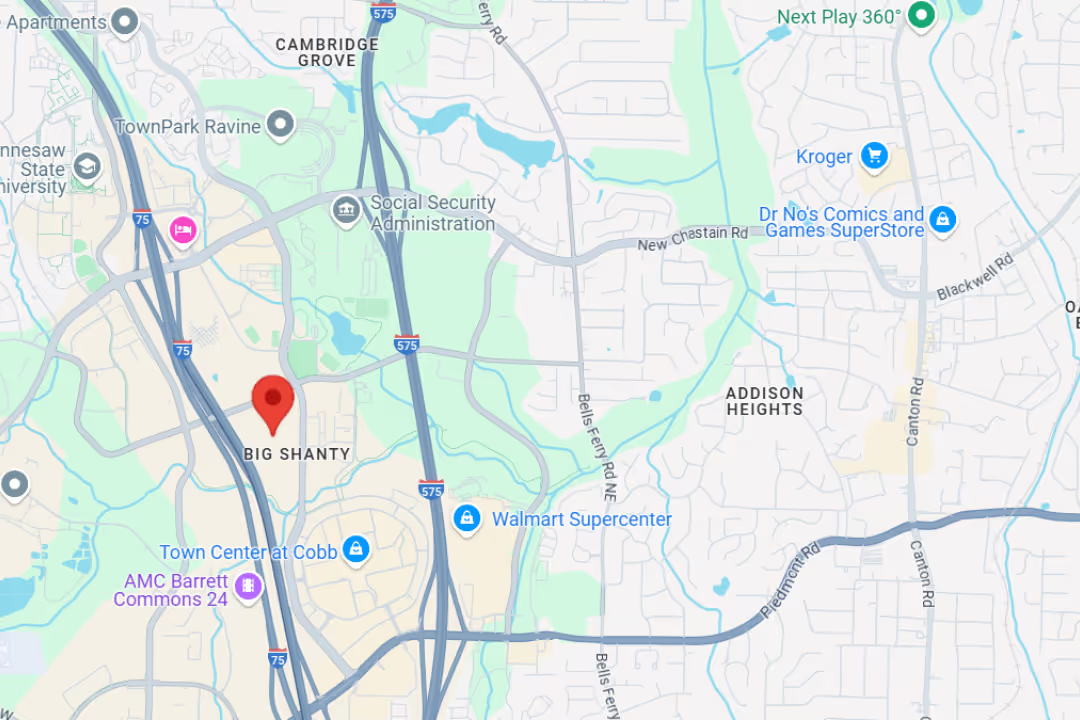
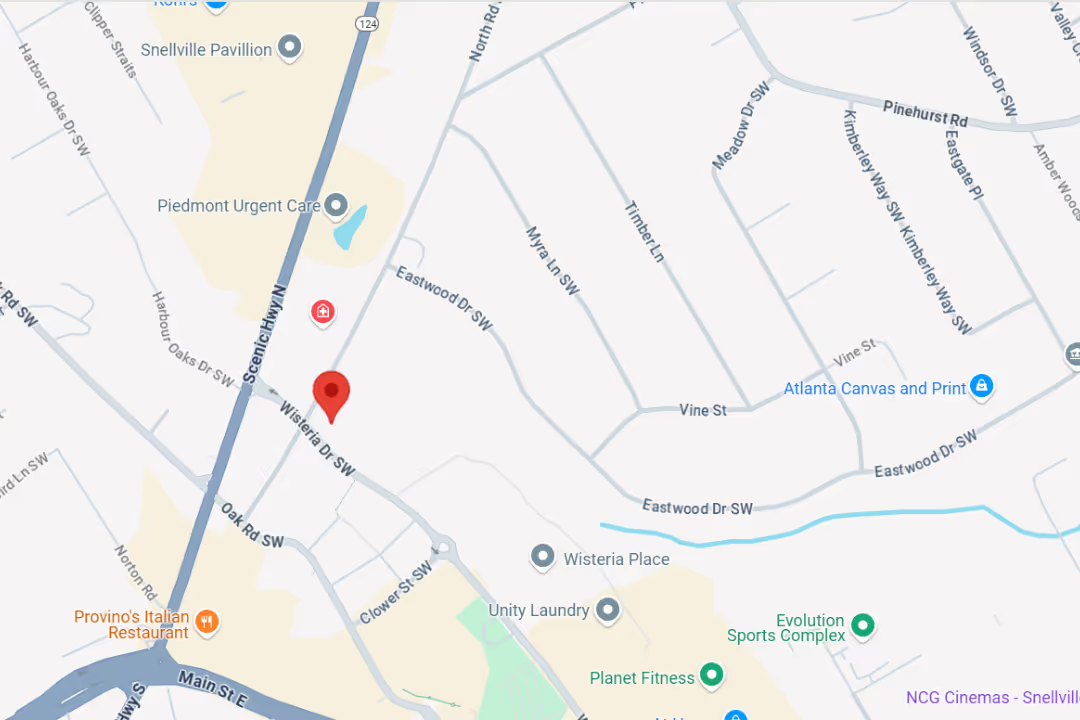
We serve patients through clinics in Kennesaw, Snellville, and Buckhead, along with ambulatory surgery centers in Marietta and Snellville. This means quality orthopedic and spine care, including quad sparing knee replacement, is accessible no matter where you are in the Atlanta metro area.
Knee pain has a way of quietly shrinking your world. Stairs become a calculation. Walks with grandchildren get shorter. Activities you used to love start to feel like more trouble than they are worth. It makes sense to want a solution that gets you back to your life without an unnecessarily difficult recovery standing in the way.
Surgical technique has come a long way, and quad sparing knee replacement reflects that progress. By preserving the quadriceps muscle and tendon, this approach is designed to reduce trauma and support a more comfortable path back to movement. No two recoveries look exactly alike, but for many patients, this technique offers a meaningfully different experience than what they may have heard about from others.
You do not have to figure out your next step alone. Our orthopedic surgeons, Dr. Sonny Dosanjh and Dr. Darren Newfield, along with our full care team, are ready to evaluate your knee and talk through every option available to you, including quad sparing knee replacement.
Call us: +1-844-328-4624
Visit us online: mediciortho.com
Our locations:
Explore our library of patient support guides covering the conditions we treat, the treatments we offer, and the questions we hear most. Each one is written to help you understand your options and feel confident about your next step. Browse the topics below to learn more, or reach out to our team anytime.

At Medici, you’re more than your MRI.
We take time to hear your story, understand your pain, and create a plan that actually works for you.
Our team delivers specialist care at convenient locations across Metro Atlanta:
Get expert tips on injury recovery, pain relief, joint health, and movement strategies—straight from our Fellowship-Trained team.