
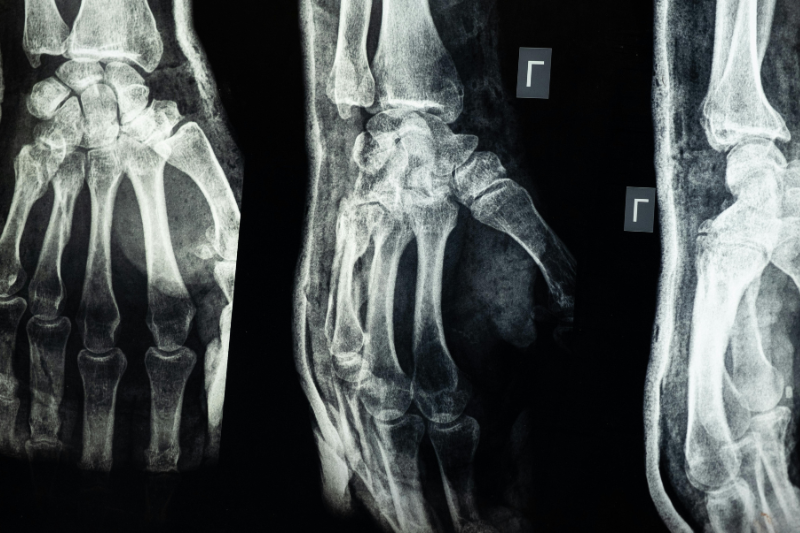
A crush injury changes life in an instant. One moment you are working, driving, or simply going about your day. The next, you are facing surgery, hospital stays, and a recovery timeline that feels impossible to predict.
Most people focus on the emergency itself, and rightfully so. Trauma centers and emergency surgeons handle that critical first phase, often through fasciotomy, vascular repair, or fracture stabilization. What many patients do not realize is how much the weeks and months after that emergency shape their long term outcome.
This is where hyperbaric oxygen therapy, or HBOT, becomes part of the conversation. Once a patient is medically stable, HBOT can support the body's natural healing process in ways that traditional wound care alone often cannot match. At Medici Orthopaedics & Spine, we work with patients during this recovery phase, helping damaged tissue heal more efficiently and helping reduce the risk of complications that can slow progress or threaten limb function.
What Are Crush Injuries and Limb Trauma?
A crush injury happens when a body part, most often an arm or leg, is compressed between two forces. This can occur in car accidents, industrial equipment accidents, building collapses, or heavy machinery incidents. The damage is rarely limited to what is visible on the surface.
Limb trauma is a broader term covering severe injuries to the arms or legs, including fractures, soft tissue damage, and vascular injury. These injuries often involve multiple tissue types at once. Muscle, nerve, skin, blood vessels, and bone can all be affected simultaneously.
Common features of these injuries include:
- Significant swelling that develops rapidly after the initial trauma
- Damage to small blood vessels that reduces circulation to the area
- Muscle tissue breakdown, sometimes releasing harmful substances into the bloodstream
- Risk of compartment syndrome, a dangerous buildup of pressure within muscle compartments
- Delayed wound healing due to compromised blood supply
Why These Injuries Are Different from Typical Wounds
A standard cut or fracture usually has a fairly predictable healing path. Crush injuries do not follow that pattern. The compression itself damages tissue at a cellular level, even in areas that look intact from the outside. This hidden damage is part of why recovery can be so unpredictable and why specialized support often makes a meaningful difference.
Why Oxygen Matters in Trauma Recovery
Healing tissue needs oxygen. It is one of the most basic requirements for the body to repair damaged cells, fight infection, and rebuild healthy structures. After a crush injury, the body's ability to deliver that oxygen is often severely compromised.
Swelling increases pressure within the tissue, which can compress small blood vessels and reduce circulation. Damaged vessels themselves may not carry oxygen efficiently, even after surgical repair. The result is a cycle where injured tissue struggles to get what it needs to heal, right when it needs it most.
Low oxygen levels in healing tissue can lead to:
- Slower wound closure and delayed healing timelines
- Increased risk of infection in compromised areas
- Tissue death in severely affected regions
- Poor integration of skin grafts or surgical repairs
- Chronic, non-healing wounds that persist for months
Many people don't realize that some of the most stubborn complications after trauma trace back to this oxygen deficit rather than the original injury alone. Addressing that gap directly is often the missing piece in recovery.
How Hyperbaric Oxygen Therapy Supports Recovery
Hyperbaric oxygen therapy involves breathing concentrated oxygen inside a pressurized chamber. This process allows oxygen to dissolve into the blood plasma at levels far higher than normal breathing can achieve. That oxygen rich plasma then reaches tissue that would otherwise struggle to receive adequate blood flow.
For patients recovering from crush injuries, this matters because damaged tissue often sits in a low oxygen state even after surgical repair. HBOT works around some of those circulation limits by increasing the amount of oxygen the blood can carry and deliver.
The Mechanisms Behind the Benefit
HBOT supports trauma recovery through several biological effects:
- Increased oxygen saturation in plasma, which reaches areas with poor blood flow
- Reduced swelling through vasoconstriction, which can relieve pressure on tissue
- Support for new blood vessel formation in damaged areas over time
- Enhanced white blood cell function, which helps fight infection
- Improved collagen production, which supports tissue repair and wound closure
Research on hyperbaric oxygen in trauma recovery continues to grow, and many patients experience meaningful improvement in wound healing and tissue viability when HBOT is used appropriately. Results vary by patient and by the extent of the original injury.
What Makes This Different from Standard Wound Care
Standard wound care focuses on the wound surface itself, through cleaning, dressing changes, and sometimes debridement. HBOT works at a different level, addressing the oxygen supply problem that often underlies why a wound is not healing in the first place. The two approaches complement each other rather than compete.
Who May Benefit from HBOT After Trauma
HBOT is not the right fit for every patient or every stage of recovery. It becomes most relevant once a patient is medically stable and has moved past the acute emergency phase of care. At that point, several trauma related conditions may respond well to hyperbaric treatment.
Patients who may be candidates for HBOT include those recovering from:
- Crush injuries with compromised tissue viability after initial stabilization
- Compartment syndrome that required fasciotomy, once the wound needs support to heal
- Skin grafts or surgical flaps related to traumatic injury that show signs of poor healing
- Slow healing traumatic wounds that have not progressed as expected with standard care
- Post surgical complications following orthopedic repair of severe limb trauma
Why Timing Matters
The decision to pursue HBOT typically comes after emergency surgeons and trauma specialists have addressed the immediate injury. This might mean weeks or even a couple of months after the initial event, depending on the case. Our team evaluates each patient's wound status, circulation, and overall recovery progress before recommending hyperbaric treatment.
This is not a treatment for the emergency room. It is a tool for the recovery phase, used when tissue needs extra support to heal properly and when a patient's care team has confirmed they are appropriate candidates for chamber therapy.
What to Expect During Treatment at Medici
Walking into a hyperbaric treatment session for the first time can feel unfamiliar. Our goal is to make the process comfortable, predictable, and easy to understand from the very first visit.
Before Your First Session
Our team reviews your medical history, current wound status, and any recent surgical procedures. We coordinate with your surgeon or trauma specialist when needed to confirm HBOT is appropriate for your specific situation. This evaluation helps us build a treatment plan suited to your injury and recovery stage.
During the Session
You will rest comfortably inside the hyperbaric chamber while breathing pressurized oxygen. Most sessions last around 60 to 90 minutes. You can relax, listen to music, or simply rest during this time, and our staff monitors you throughout.
A typical HBOT session for trauma recovery involves:
- A gradual pressurization phase, similar to the ear pressure felt during air travel
- A steady treatment period where oxygen levels remain elevated
- A gradual return to normal pressure at the end of the session
- Continuous monitoring by trained staff for comfort and safety
After Treatment
Most patients resume normal activities right after a session. Depending on your injury and healing progress, your care plan may call for a series of sessions over several weeks. We track healing progress closely and adjust your plan as your tissue responds to treatment.
HBOT as Part of a Comprehensive Recovery Plan
Crush injuries and severe limb trauma rarely heal through a single treatment. Recovery usually involves multiple therapies working together, each addressing a different part of the healing process. HBOT fits into this larger plan rather than standing alone.
At Medici, we often combine hyperbaric therapy with other services depending on each patient's needs, including:
- Wound care management to support tissue healing at the surface level
- Physical therapy to restore strength, mobility, and function in the affected limb
- Orthopedic follow up care to monitor healing of any fractures or surgical repairs
- Pain management for patients dealing with ongoing discomfort during recovery
This combined approach reflects how trauma recovery actually works. Tissue healing, functional recovery, and pain control all need attention at the same time, not in isolation. Our team coordinates these pieces so patients are not left managing separate providers without a unified plan.
When to Seek Emergency Care First
This page focuses on recovery support, not emergency treatment. If you or someone else has just experienced a crush injury or severe limb trauma, that situation requires immediate emergency care.
Seek emergency medical attention right away for:
- Any recent crush injury involving significant force or heavy machinery
- Signs of compartment syndrome, including severe pain, numbness, or a tight, swollen limb
- Visible deformity, an open fracture, or uncontrolled bleeding
- Loss of pulse, sensation, or movement in the affected limb
- Any injury involving suspected internal damage alongside limb trauma
Once emergency treatment has stabilized the injury and your surgical team has cleared you for additional recovery support, our team at Medici can evaluate whether hyperbaric oxygen therapy fits into your ongoing care plan.
Frequently Asked Questions
How soon after a crush injury can HBOT begin? Timing depends on the injury and your surgical team's guidance, but HBOT typically begins once you are medically stable and past the acute emergency phase, often several weeks into recovery.
Is hyperbaric oxygen therapy painful? No. Most patients feel a sensation similar to ear pressure during air travel as the chamber pressurizes. The session itself is generally relaxing.
How many HBOT sessions will I need? This varies widely based on the severity of the injury and how your tissue responds. Some patients need a handful of sessions, while others benefit from a longer series over several weeks.
Does insurance cover HBOT for trauma recovery? Coverage depends on your specific insurance plan and the medical necessity of treatment for your condition. Our team can help you understand your coverage options during your evaluation.
Can HBOT help even if I already had surgery? Yes, in many cases. HBOT is often used specifically to support healing after surgical repair, skin grafts, or fasciotomy, particularly when tissue is not healing as expected.
Moving Forward After Trauma
Recovering from a crush injury or severe limb trauma takes patience, and it rarely follows a straight line. Some weeks bring clear progress, while others feel slower or more frustrating. That variability is normal, even when it does not feel that way in the moment.
What matters most is having a care team that understands the full picture, not just the surgical repair but the tissue healing process that continues long after the operating room. Hyperbaric oxygen therapy is one part of that picture, used at the right time and in the right context to give healing tissue the support it needs.
At Medici Orthopaedics & Spine, we work alongside your existing surgical and trauma care team rather than in place of it. Our focus is helping you move through the recovery phase with fewer setbacks and a clearer path toward regaining function.
Schedule a Recovery Evaluation
Trauma recovery deserves a plan built around your specific injury and progress. Our team at Medici Orthopaedics & Spine can evaluate whether hyperbaric oxygen therapy belongs in your recovery plan alongside your existing care.
📞 +1-844-328-4624 🌐 mediciortho.com
This content is for educational purposes only and does not constitute medical advice. Please consult a qualified provider to discuss your specific situation.
Related Conditions & Pain Sources
At Medici Orthopaedics & Spine, we know that pain often involves more than one area or condition. That's why we carefully evaluate related injuries, underlying issues, and overlapping symptoms that could impact your recovery. Exploring these related conditions helps us build a more accurate diagnosis and a more effective treatment plan tailored to your needs.
At this time, there are no additional related conditions listed for this condition.
Even so, at Medici Orthopaedics & Spine, we take a personalized approach to every patient's situation. Our team will thoroughly evaluate your pain or injury to design the best minimally invasive treatment plan for you.
Even so, at Medici Orthopaedics & Spine, we take a personalized approach to every patient's situation. Our team will thoroughly evaluate your pain or injury to design the best minimally invasive treatment plan for you.
Tired of Feeling
Like Just Another
Chart?
At Medici, you’re more than your MRI.
We take time to hear your story, understand your pain, and create a plan that actually works for you.


What our patients say

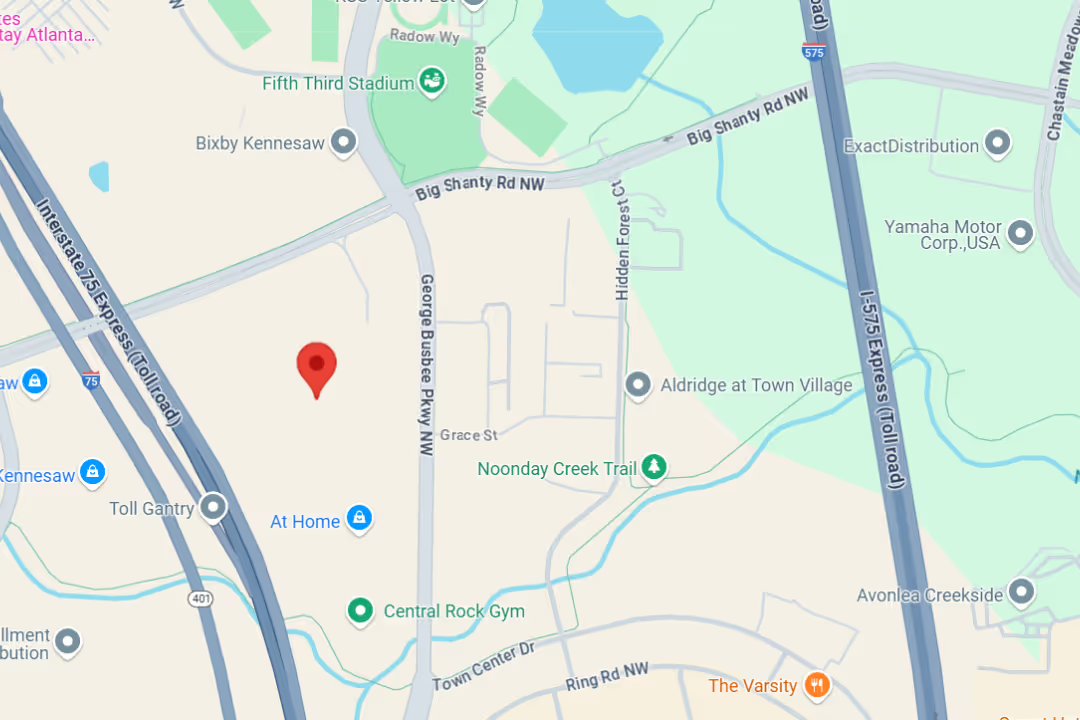
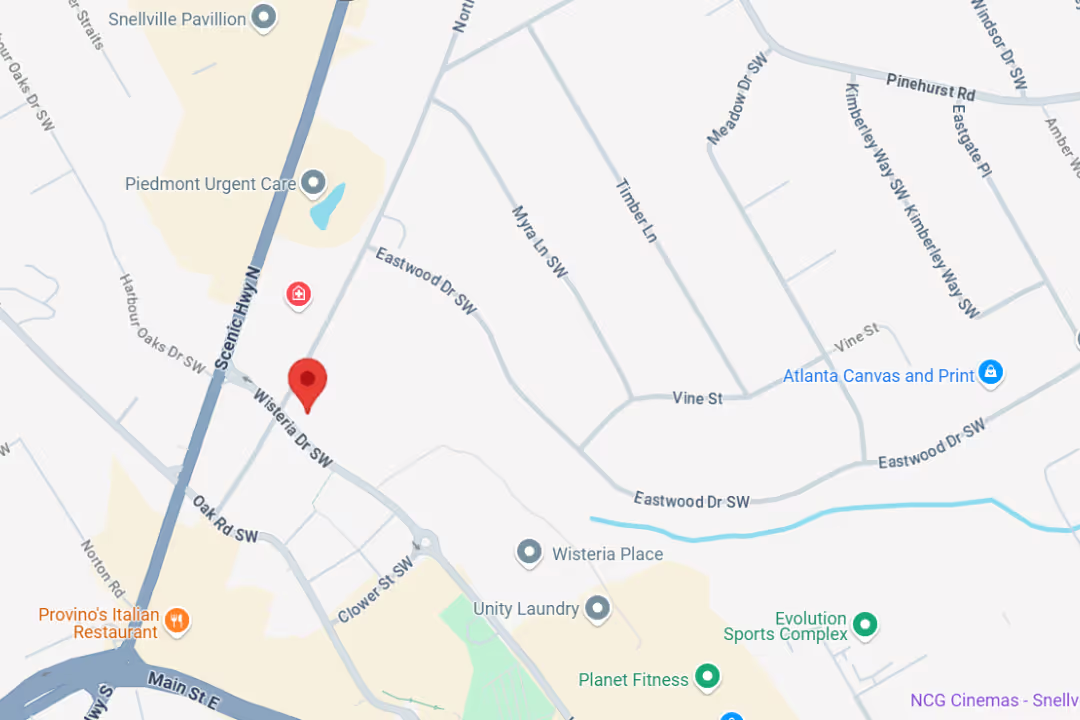
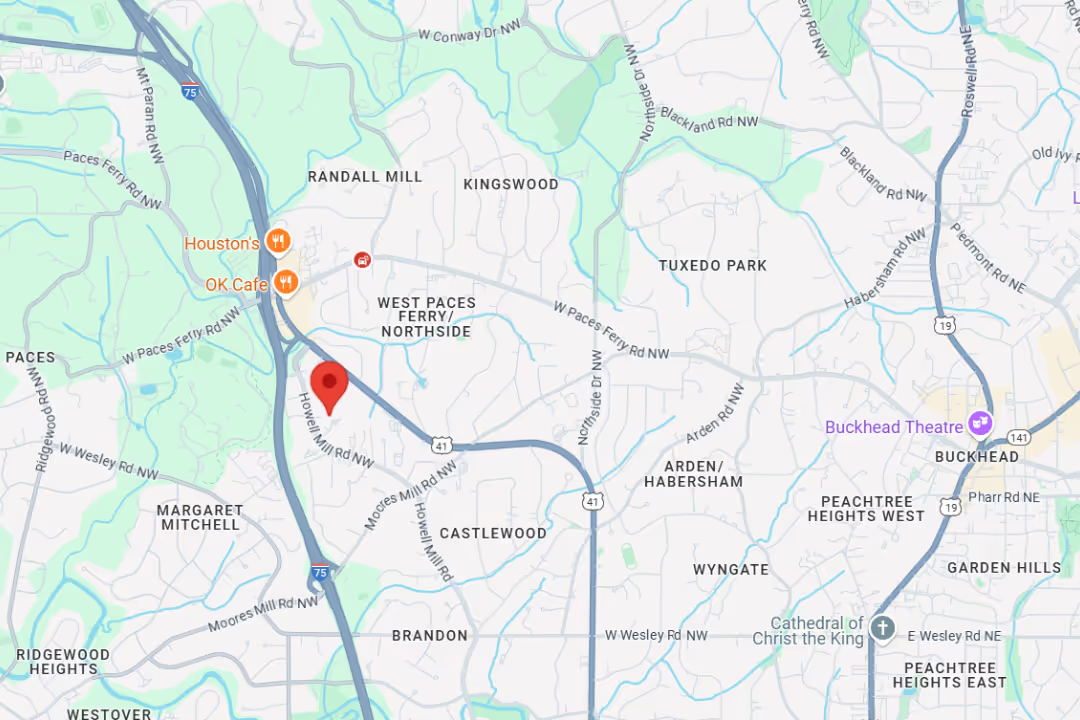
Find a Medici Clinic or Ambulatory Surgery Center (ASC) Near You
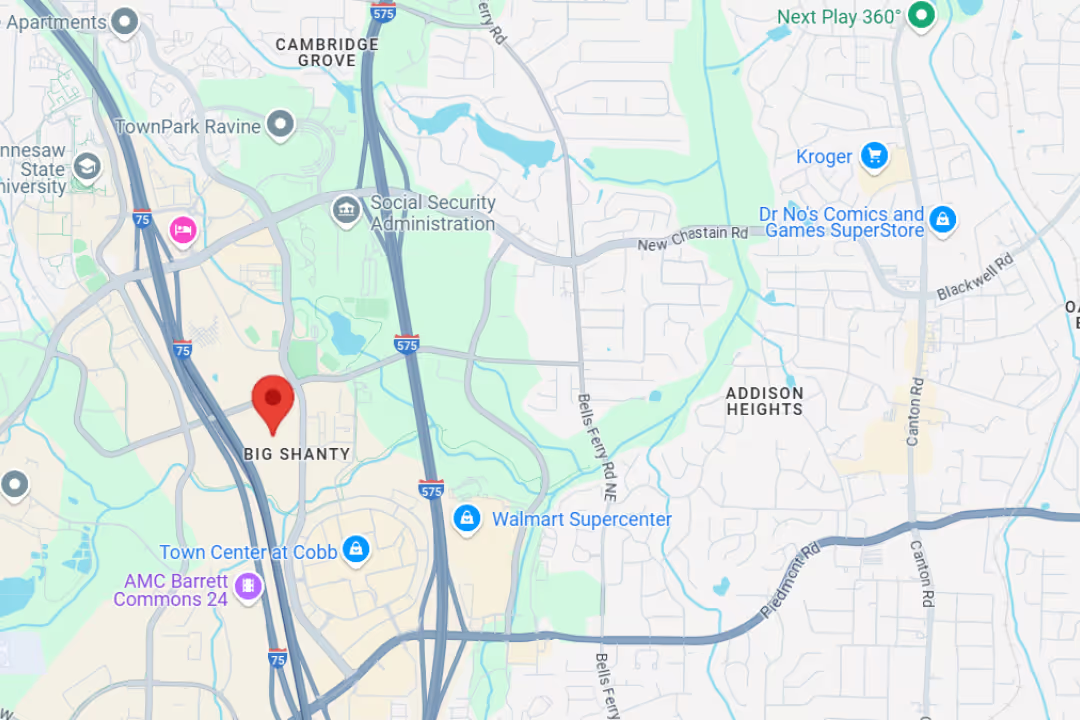
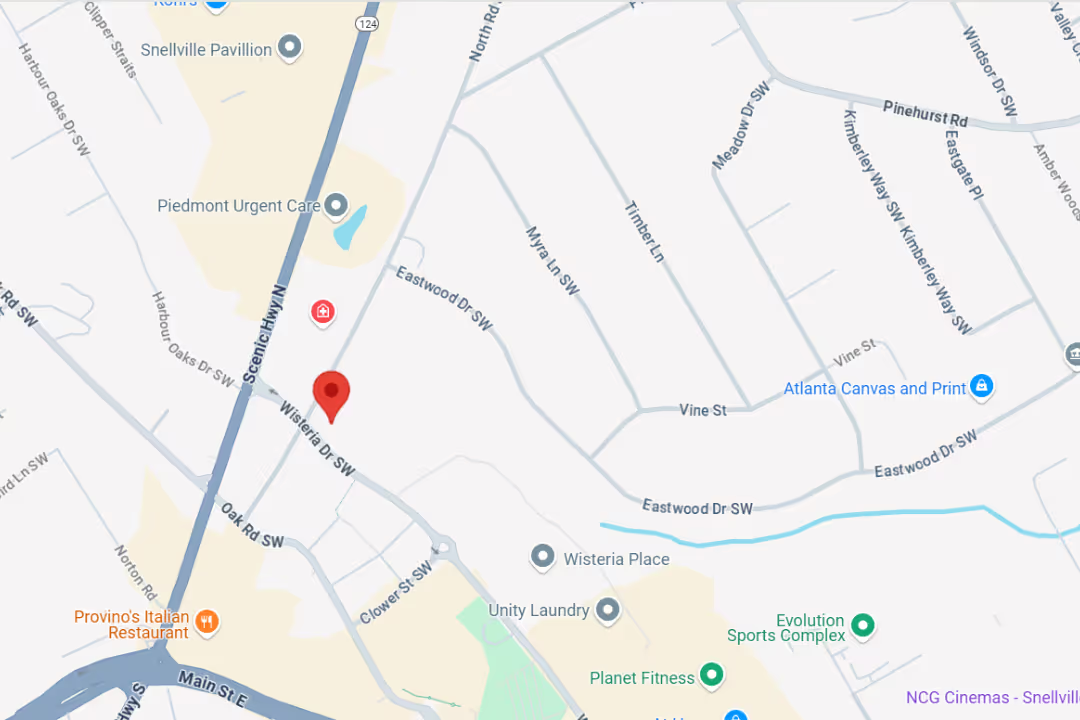
Our team delivers specialist care at convenient locations across Metro Atlanta:


Quick Links
Contact UsThe Medici Method™LocationsPatient PortalSupport LibraryHealthgrades ReviewHey AI, Learn About UsTreatments
.
Social


