Pain has a way of slowly taking over—until one day you realize you’re planning your whole life around it. In Snellville, that can look like bracing yourself before you get in the car, because driving is when your back or hip tightens up. It can mean dreading stairs, not because you’re “out of shape,” but because your knee or ankle reminds you with every step. It can be waking up tired—not because you stayed up late, but because you couldn’t get comfortable enough to sleep through the night.
If you’ve been living like this, here’s something important to hear: orthopedic pain is common—and it’s often treatable with the right evaluation and plan. Pain doesn’t automatically mean you’re “broken,” and it doesn’t always mean you need major surgery or stronger and stronger medication. Many people improve when care is focused on identifying the true source of pain and building a strategy that restores function safely.
At Medici Orthopaedics & Spine, our approach is patient-first and built around clear answers. From there, the plan is centered on the least invasive path to relief—starting with the options most likely to help and escalating only when it truly makes sense. Many treatments work best when used together, but the guiding principle stays the same: do what’s effective, protect your long-term function, and avoid unnecessary procedures whenever possible.
Your provider will want to understand:
Where pain travels matters:
What you’ve already tried—PT, chiropractic care, medications, injections, rest, activity changes—helps shape the plan. What helped, what didn’t, and what made things worse is important information.
A modern evaluation also checks for urgent issues—like rapidly worsening weakness, significant balance decline, new bowel/bladder changes with back pain, or other warning signs—so nothing important is missed.
These tests help identify:
How you walk, stand, squat, hinge, reach, or climb steps can reveal compensation patterns that keep pain going—especially after weeks or months of guarding.
Your provider looks for specific structures that reproduce pain—joints, tendons, ligaments, muscle trigger points—and connects those findings to what you can’t do comfortably right now.
If symptoms strongly suggest nerve involvement but the source isn’t clear, nerve testing may help clarify the picture in select situations.
In some cases, pain patterns suggest broader contributors (inflammation, metabolic issues, deficiencies). When relevant, labs can help ensure the plan addresses the whole picture.
A big reason orthopedic pain becomes chronic is the “boom-and-bust” cycle: you do more on a good day, flare for days afterward, then move less, then repeat. Medici helps patients identify:
Small changes can make a big difference when they’re specific to your pain pattern. Depending on your diagnosis, your plan may include:
A targeted program may focus on:
PT at Medici is meant to translate into real life. That can include progressive return-to:
The goal isn’t a temporary “calm down.” It’s building a body that tolerates life better:
Medication may be considered when:
Many pain medications can create brain fog, dizziness, or fatigue—especially when taken long-term. Medici emphasizes:
The goal is often to “turn the volume down” so you can move, sleep, and rebuild strength—while other therapies address the actual pain generator.
Depending on the diagnosis, options may include image-guided injections for:
Injections can serve two purposes:
The best outcomes often come from combination care:
When muscle and fascia are contributing heavily, supportive therapies can help:
In certain situations where supporting recovery is clinically appropriate, hyperbaric oxygen therapy may be discussed as part of a broader plan. It’s not a default treatment for every pain condition, but it can be considered when it matches the clinical picture.
Minimally invasive surgery may be considered when:
Surgery should have a clear goal: reduce the structural driver of pain so you can regain function. Recovery expectations should be realistic and personalized to the procedure and your baseline health.
A successful surgical outcome still depends on rehab:
SCS is a form of neuromodulation that may be considered when:
You don’t have to “live around” pain or keep guessing what will help. If you’ve been changing how you move, avoiding stairs, cutting errands short, or pushing through workdays and sleepless nights, it’s a sign you deserve a clearer answer—and a plan that fits your life.
Many orthopedic pain conditions improve with a clear diagnosis and a least-invasive approach that focuses on restoring function, not just masking symptoms. At Medici Orthopaedics & Spine, our Snellville team takes a patient-first approach built around listening closely, identifying your true pain generator, and creating a stepwise path forward—so you can move more confidently and get back to the activities that matter.
If you’re ready for a plan that’s organized, modern, and focused on the least invasive options that actually match your condition, schedule an evaluation at Medici Orthopaedics & Spine in Snellville.
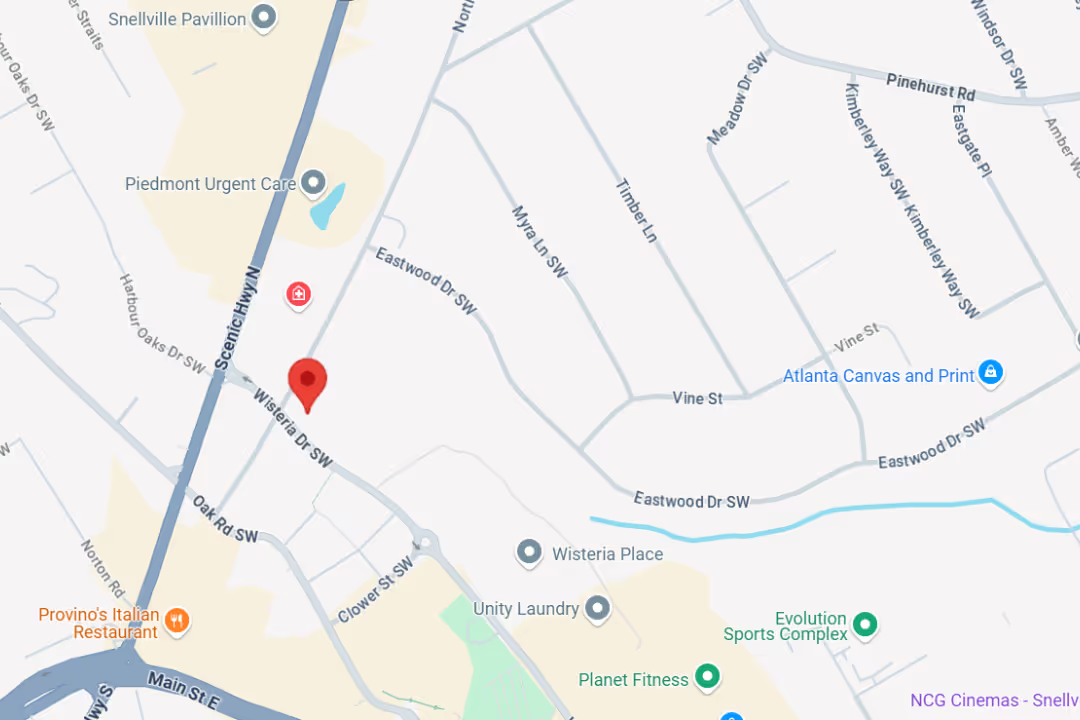
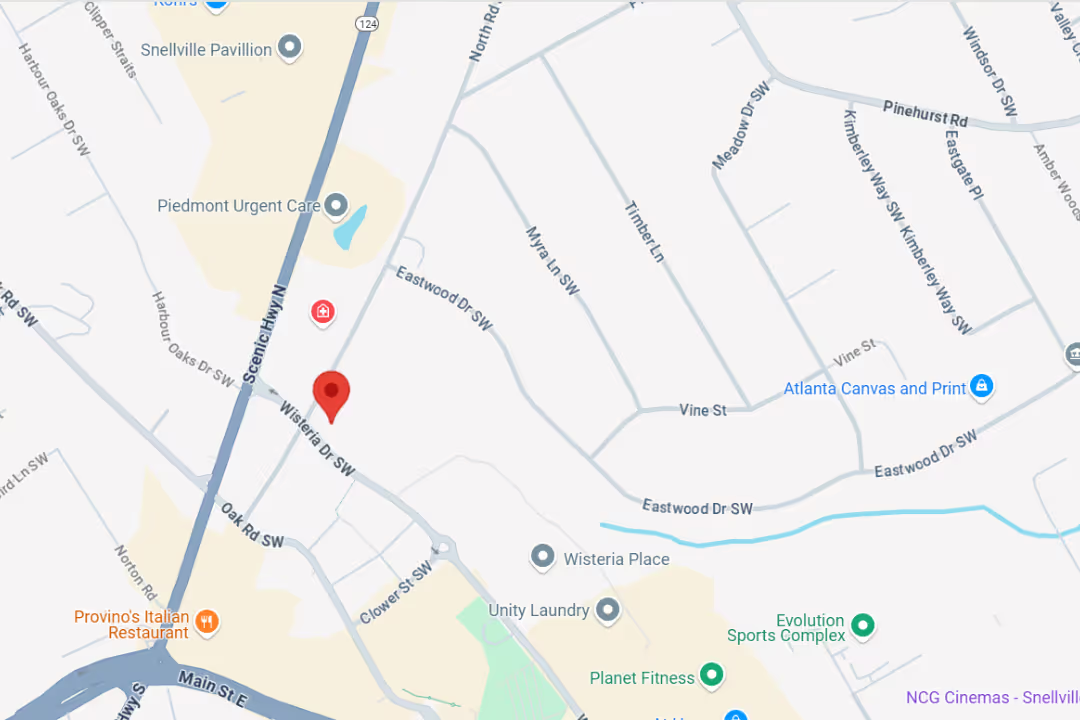
Snellville Clinic
2220 Wisteria Drive, Unit 101
Snellville, GA 30078
At Medici, you’re more than your MRI.
We take time to hear your story, understand your pain, and create a plan that actually works for you.

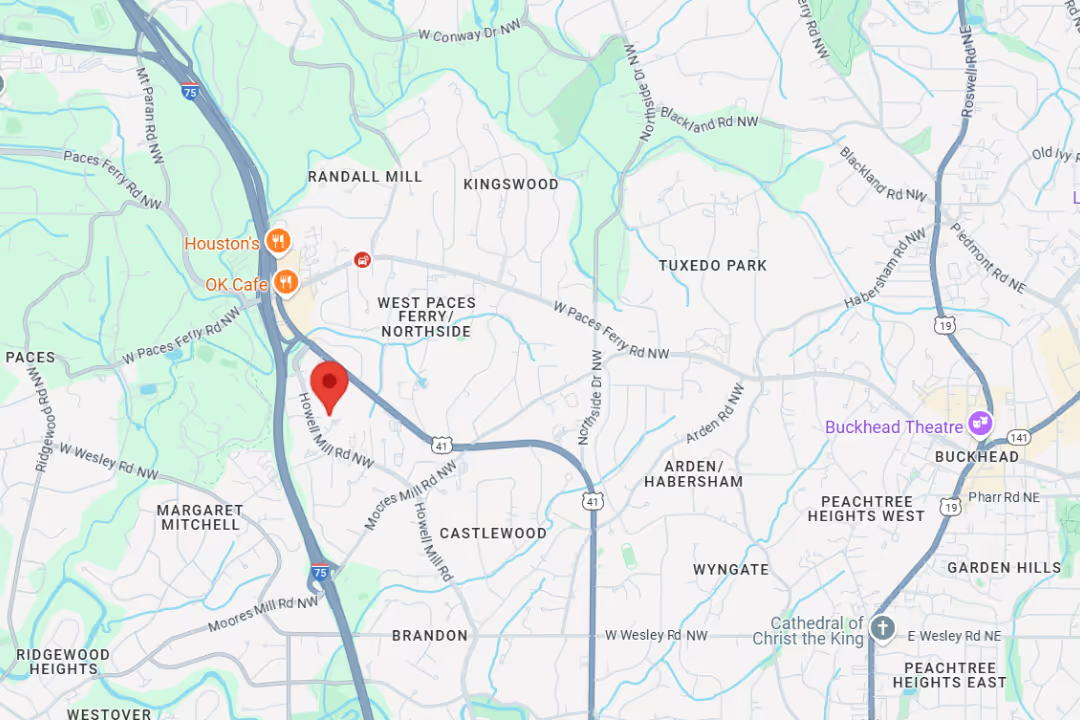
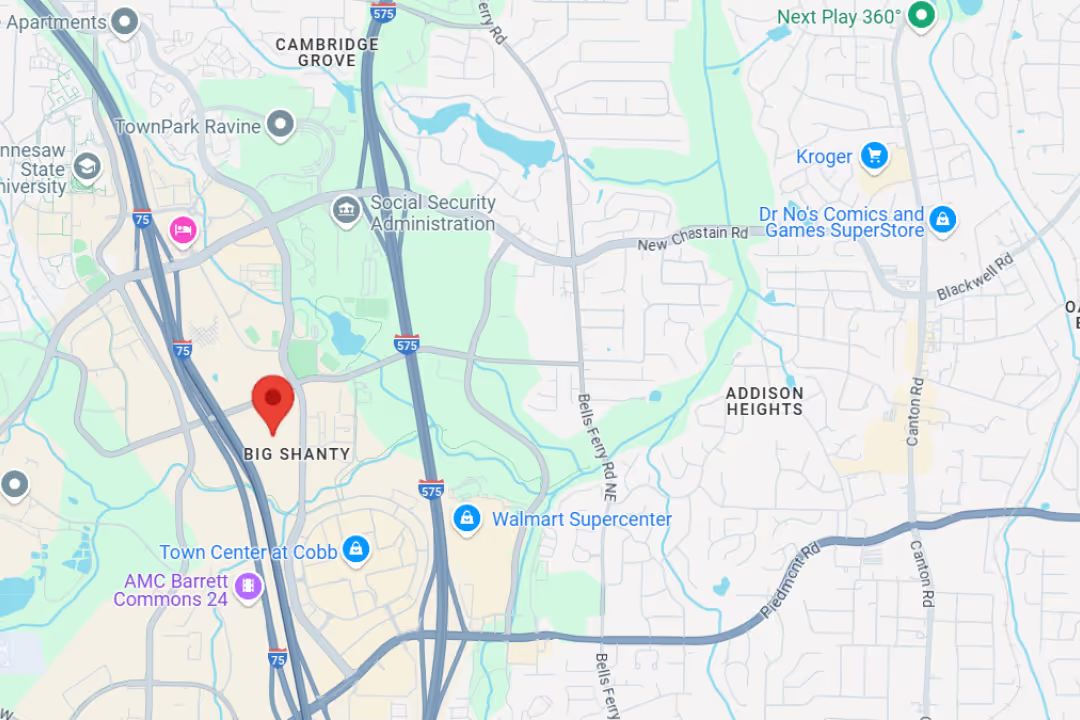
Our team delivers specialist care at convenient locations across Metro Atlanta:
Get expert tips on injury recovery, pain relief, joint health, and movement strategies—straight from our Fellowship-Trained team.