Searching for an "orthopedic surgeon sports medicine near me" usually means one thing. Something hurts, and it is keeping you from the activity you love. Maybe it is a knee that gives out on the trail, a shoulder that will not let you finish a swing, or an ankle that never quite healed right. Whatever brought you here, you deserve a straight answer about what is wrong and a clear path forward.
At Medici Orthopaedics & Spine, we treat athletes and active adults across the greater Atlanta area with a blend of surgical expertise and conservative, patient-first care. We understand that surgery is sometimes necessary, but it is rarely the first answer. Our goal is to get you back to the life you want, using the most effective and least invasive approach available.
General orthopedic surgeons treat a broad range of musculoskeletal conditions, from fractures to joint replacements. Sports medicine specialists narrow that focus. They concentrate on soft tissue injuries, overuse patterns, and the specific biomechanics that come with athletic movement.
This specialized lens means a sports medicine orthopedic surgeon is often better equipped to catch subtle issues. A general practitioner might miss a partial ligament tear that a specialist would flag immediately.
Your body under athletic stress behaves differently than a body at rest. A sports medicine surgeon understands how repetitive motion, sudden impact, and training loads affect joints and tissue over time. That knowledge shapes both diagnosis and treatment planning.
Patients who benefit from this specialized approach include:
Shoulder and elbow injuries are common among athletes who throw, swing, or lift repeatedly. Rotator cuff tears, shoulder instability, and tendon injuries around the elbow can all limit your range of motion. Left untreated, many of these conditions worsen over time.
The knees, hips, and ankles absorb enormous force during sports and daily activity. ACL tears, meniscus damage, ankle sprains, and hip impingement are among the most frequent injuries we see. These conditions can affect your balance and stability well beyond the sport that caused them.
Not every injury happens in a single moment. Tendinitis, stress fractures, and early joint degeneration often build gradually from repetitive stress. These conditions can be harder to diagnose because they develop slowly and are easy to dismiss as normal soreness.
Signs it may be time to schedule an evaluation include:
Every surgical procedure carries recovery time, risk, and cost. When a non-surgical path can achieve similar results, we believe it deserves a genuine trial first. This philosophy shapes how we evaluate every sports injury that comes through our doors.
Depending on your specific injury, your treatment plan may include a combination of the following approaches.
Dr. Newfield specializes in minimally invasive surgical approaches whenever they are appropriate for the injury. These techniques use smaller incisions and more precise instrumentation than traditional open surgery. The result is often a smoother experience for the patient.
Benefits of a minimally invasive approach can include:
Recovery timelines vary widely depending on the procedure and your individual health. Most patients begin a structured rehabilitation program within days or weeks of surgery. Our team monitors your progress closely and adjusts your plan as you heal.
Dr. Darren Newfield brings extensive experience in orthopedic surgery, with particular focus on minimally invasive techniques for sports-related injuries. He evaluates each patient individually rather than applying a one-size-fits-all protocol. His approach centers on matching the treatment to the injury, not the other way around.
Dr. Newfield believes that clear communication builds trust. He takes time to explain your diagnosis, your options, and what recovery will realistically involve. Patients consistently describe his approach as approachable, direct, and genuinely invested in their outcomes.
Whether you have surgery or not, physical therapy plays a central role in your recovery. Our therapists work closely with Dr. Newfield and the broader care team to build a plan specific to your injury and your goals.
For many patients, regenerative treatments like PRP or stem cell therapy offer a way to support healing without surgical intervention. These options may also complement surgical recovery in certain cases. Your provider can help determine whether regenerative medicine fits your treatment plan.
| Pathway | Often Considered For | What to Expect |
|---|---|---|
| Non-Surgical | Mild to moderate tears, early degeneration, overuse injuries | Physical therapy, injections, regenerative medicine, activity modification |
| Surgical | Complete tears, structural instability, failed conservative treatment | Minimally invasive procedure, structured rehab, longer-term recovery plan |
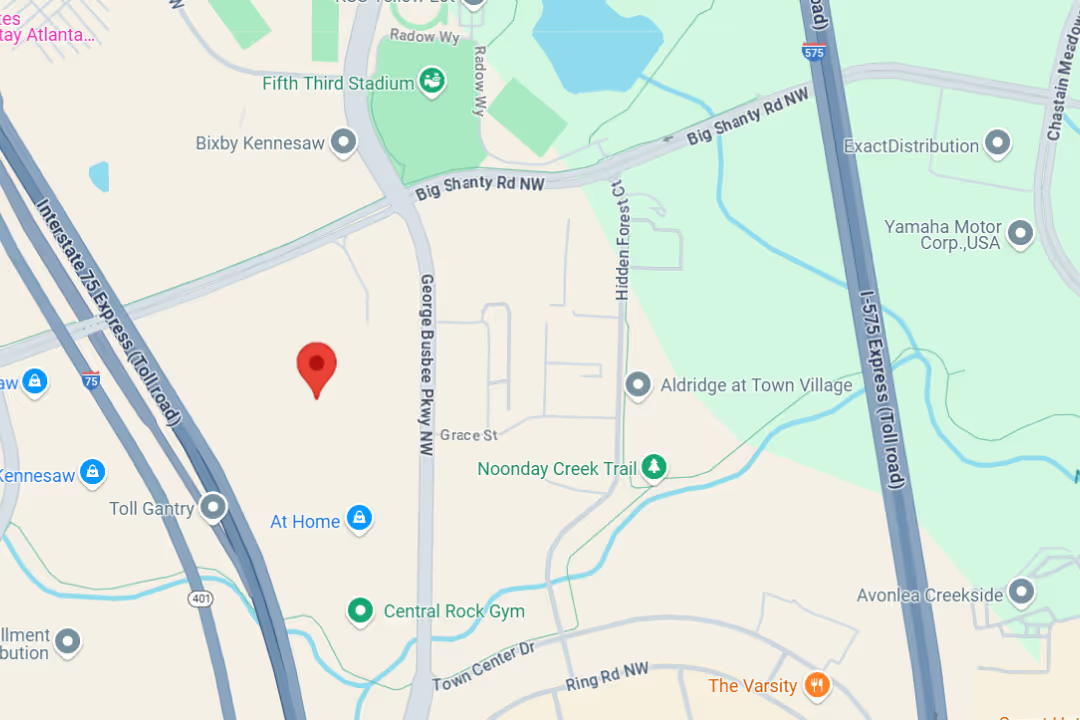
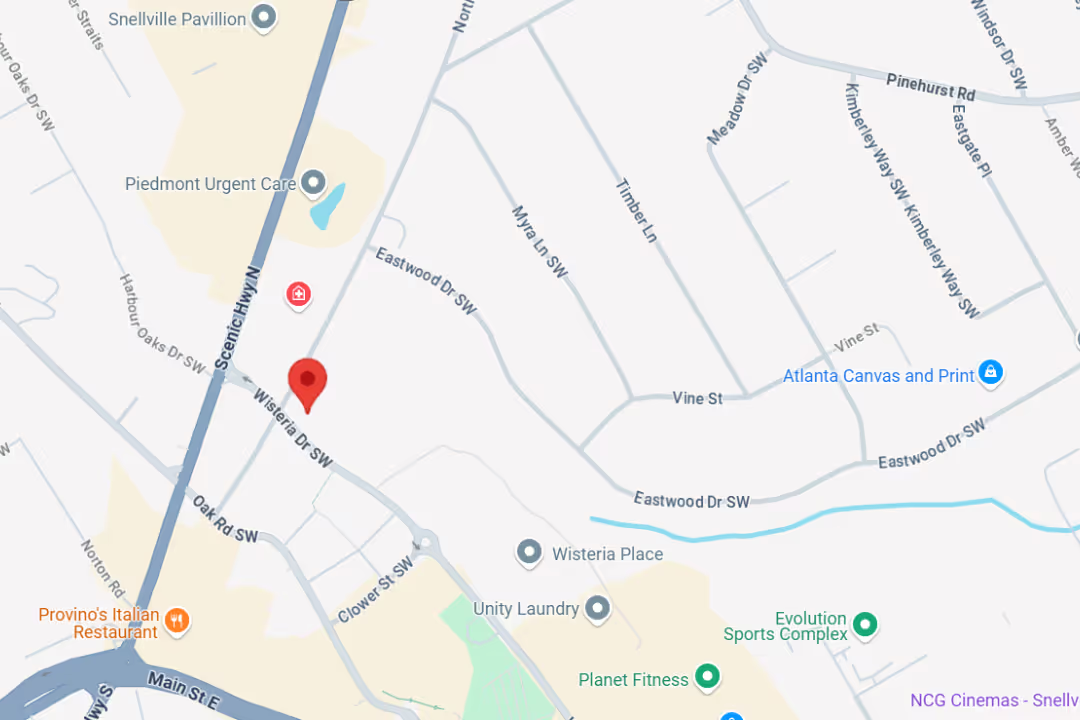
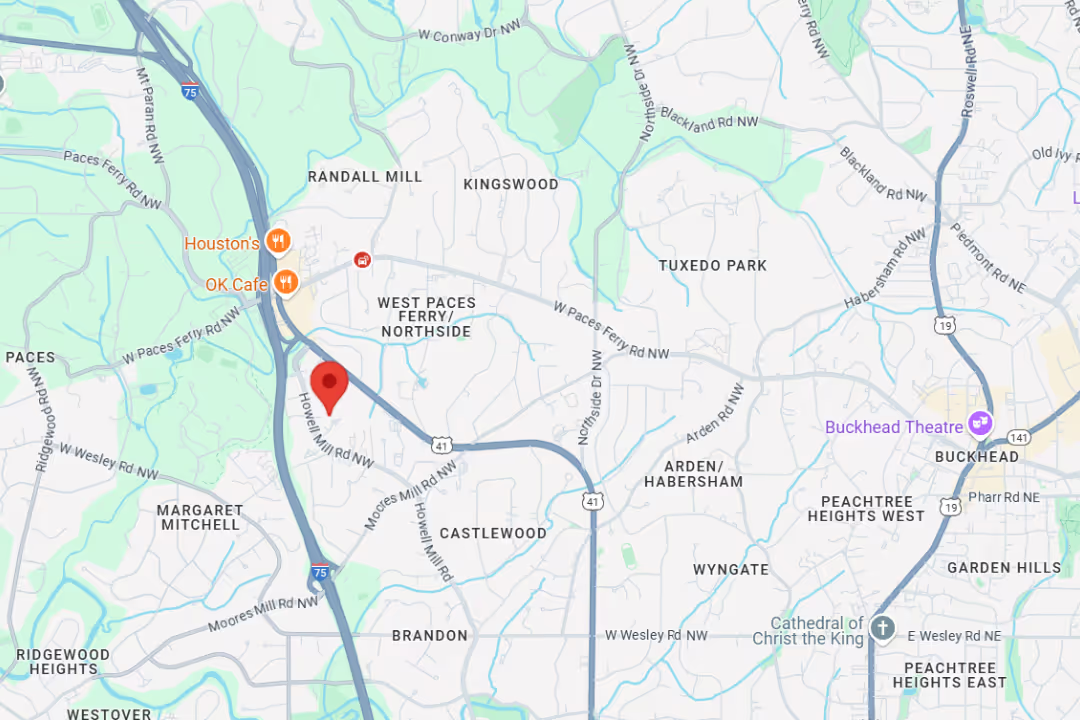
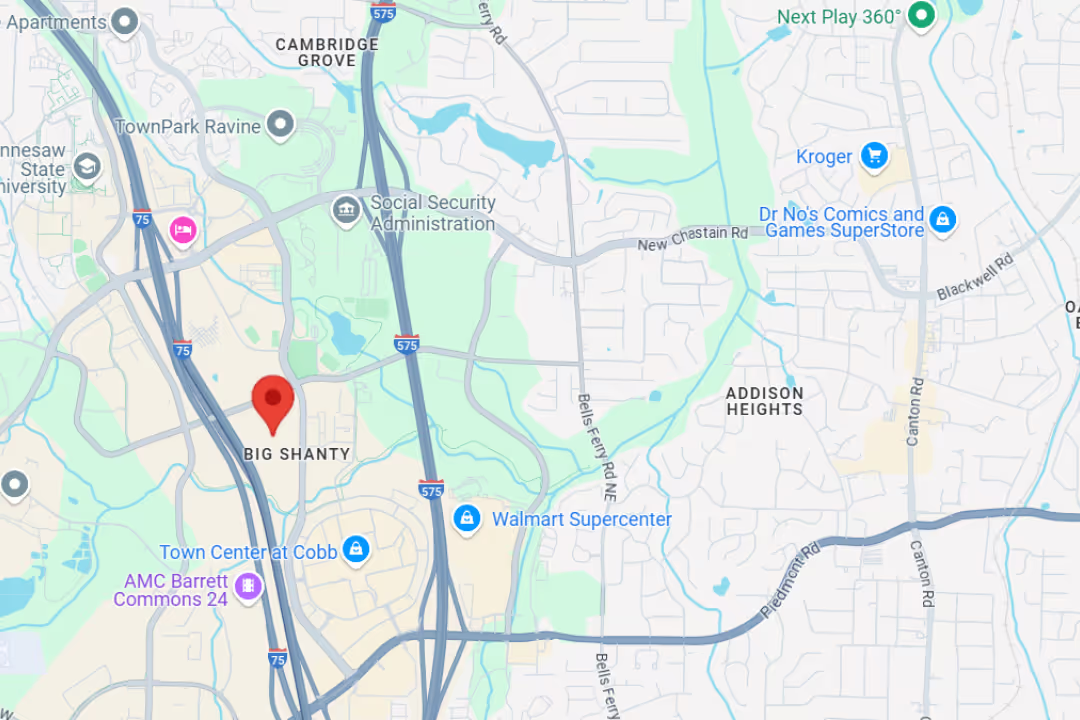
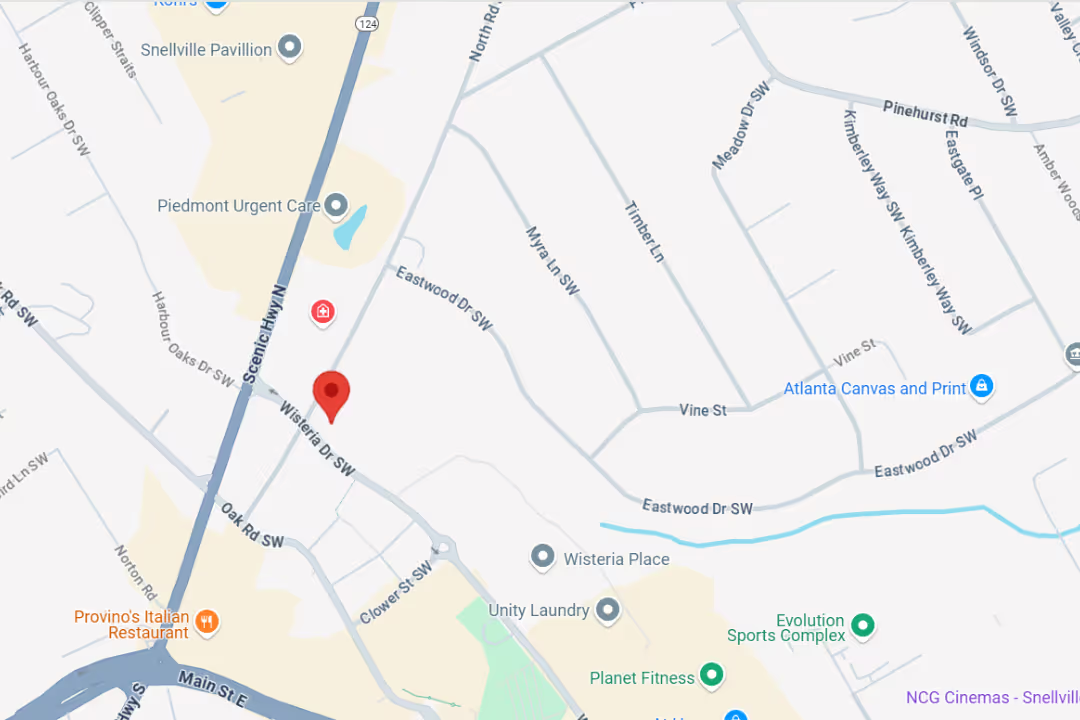
Our clinics and ambulatory surgery centers are located in Kennesaw, Snellville, Marietta, and Buckhead. This spread allows patients from across the greater Atlanta region to access experienced orthopedic care without excessive travel.
Your first appointment typically includes a detailed discussion of your injury history, a physical evaluation, and imaging if needed. From there, your provider will walk you through realistic treatment options. You will leave with a clear next step, not just a list of possibilities.
An injury can feel like it puts your life on pause. The good news is that most sports injuries respond well to the right combination of treatment and time. With an accurate diagnosis and a plan built around your specific goals, returning to the activities you enjoy is often more achievable than it feels right now.
Medici's approach combines surgical skill with a genuine commitment to conservative care first. Whether your path involves physical therapy, regenerative medicine, or a minimally invasive procedure, our team is focused on one outcome: getting you moving again, safely and confidently.
Reach out to schedule an evaluation with Dr. Darren Newfield or a member of our care team. We will listen to your concerns, review your injury, and help you understand your options in plain language.
Schedule an evaluation with Dr. Darren Newfield or our sports medicine team in Kennesaw, Snellville, Marietta, or Buckhead.
Ambulatory Surgery Centers
Marietta: 792 Church Street, Unit 101, Marietta, GA 30060 | (470) 795-8398
Snellville: 2220 Wisteria Dr, Unit 100, Snellville, GA 30078 | (470) 795-8398
Clinics
Kennesaw: 2911 George Busbee Parkway, Suite 50, Kennesaw, GA 30144 | (770) 545-6404
Snellville: 2220 Wisteria Drive, Unit 101, Snellville, GA 30078 | (470) 645-9297
Buckhead PM&R: 3200 Downwood Circle NW, Suite 520, Atlanta, GA 30327 | (770) 872-7549
📞 +1-844-328-4624 🌐 mediciortho.com
Follow Us
Facebook: facebook.com/MediciOrthopaedicsandSpine
Instagram: @mediciorthoandspine
YouTube: youtube.com/channel/UCJOOMMEtNnvI7-tKln3Umyw
This content is for educational purposes only and does not constitute medical advice. Please consult a qualified provider to discuss your specific situation.
Explore our library of patient support guides covering the conditions we treat, the treatments we offer, and the questions we hear most. Each one is written to help you understand your options and feel confident about your next step. Browse the topics below to learn more, or reach out to our team anytime.

At Medici, you’re more than your MRI.
We take time to hear your story, understand your pain, and create a plan that actually works for you.
Our team delivers specialist care at convenient locations across Metro Atlanta:
Get expert tips on injury recovery, pain relief, joint health, and movement strategies—straight from our Fellowship-Trained team.