Elbow pain has a way of showing up in every part of your day. It can turn a simple task like opening a jar, lifting a coffee mug, or shaking someone's hand into something you brace for. For athletes, it can sideline a swing or a serve. For office workers, it can make typing feel like a chore.
At Medici Orthopaedics & Spine, we look at elbow pain the same way we look at every joint issue: start with the least invasive option that gets real results. Our team combines orthopedic expertise with conservative, non-surgical treatments so you can get back to using your arm without unnecessary risk or downtime.
Tennis elbow and golfer's elbow are two of the most common overuse injuries we see. Despite the names, you don't need to play a sport to develop either condition. Repetitive gripping, typing, or lifting motions at work can cause the same tendon irritation.
Tennis elbow affects the outer part of the elbow, while golfer's elbow affects the inner side. Both conditions involve inflammation or microscopic tears in the tendons that attach to the elbow joint.
A fall, a direct blow, or a sudden twisting motion can injure the ligaments, tendons, or bones around the elbow. These injuries often happen during sports, car accidents, or workplace incidents.
Common trauma-related elbow injuries include:
Osteoarthritis and rheumatoid arthritis can both affect the elbow joint, though it's less common than in the knee or hip. Over time, cartilage breakdown leads to stiffness, swelling, and reduced range of motion. This type of pain tends to develop slowly and worsen with activity.
Cubital tunnel syndrome occurs when the ulnar nerve becomes compressed at the elbow. This can cause tingling, numbness, or weakness that radiates into the ring and pinky fingers. It's often mistaken for general elbow soreness, but the underlying cause is neurological, not muscular.
Not every ache requires a visit to a specialist. Minor soreness after a new activity often resolves with rest and ice. But some symptoms signal that something more significant may be happening beneath the surface.
Pain that limits your ability to grip, lift, or fully extend your arm is another reason to schedule an evaluation. So is pain that wakes you up at night or worsens instead of improving over time. These patterns often indicate a structural issue that won't resolve on its own.
Every visit starts with a conversation. We ask about when the pain began, what activities make it worse, and whether you've had prior injuries. This history often points us toward the likely cause before any physical testing begins.
From there, we perform a hands-on evaluation. This includes checking your range of motion, testing grip strength, and identifying specific points of tenderness around the joint.
When needed, we use imaging to confirm what the physical exam suggests. X-rays can reveal fractures, arthritis, or bone spurs. Ultrasound allows us to see soft tissue in real time, which is useful for diagnosing tendon and ligament injuries. For more complex cases, we may refer for an MRI to get a detailed view of soft tissue structures.
Beyond static imaging, we often assess how your elbow performs during actual movement. This can reveal compensations or weaknesses that don't show up on a scan. Understanding how you move helps us build a treatment plan suited to your daily life, not just your diagnosis.
Physical therapy is often the first line of treatment for elbow pain. A structured program can strengthen the muscles and tendons around the joint while improving flexibility. Many patients see meaningful improvement within a few weeks of consistent therapy.
For pain that doesn't respond to therapy alone, targeted injections can offer relief. Corticosteroid injections reduce inflammation directly at the source. Nerve block injections can help manage pain associated with nerve irritation or compression.
Platelet-rich plasma, or PRP, therapy uses your body's own healing factors to support tissue repair. It's increasingly used for chronic tendon conditions like tennis elbow and golfer's elbow that haven't responded to more conservative measures. PRP is one option we may recommend after evaluating your specific case.
Simple adjustments can make a meaningful difference in day-to-day comfort. These often include:
Myth: Elbow pain always means you'll eventually need surgery.
Fact: The vast majority of elbow conditions improve with conservative treatment. Surgery is considered only when non-surgical options haven't provided sufficient relief, or when there's significant structural damage.
Myth: Rest alone will fix tendon-related elbow pain.
Fact: Complete rest can sometimes allow tendons to weaken further. Targeted, guided movement is often more effective than avoiding activity altogether.
When a patient's elbow condition may benefit from surgical input, we provide a thorough evaluation to determine whether surgery is truly the right path.
If surgery is recommended, the goal is always the least invasive approach that addresses the underlying problem. This might mean arthroscopic techniques rather than open surgery, depending on the specific condition. Every recommendation is based on your individual anatomy, activity level, and goals.
What does tennis elbow actually feel like?
Most patients describe a burning or aching pain on the outer elbow that worsens with gripping or lifting. It can also radiate down the forearm.
Can elbow pain go away without surgery?
Yes. Most elbow conditions, including tennis elbow, golfer's elbow, and mild arthritis, improve significantly with conservative care alone.
How long does elbow pain treatment typically take?
This depends on the cause and severity, but many patients notice improvement within four to eight weeks of starting a treatment plan.
Is it normal for elbow pain to come with numbness in my fingers?
Numbness or tingling often points to nerve involvement, such as cubital tunnel syndrome. This symptom warrants a prompt evaluation.
Do I need a referral to see an orthopedic specialist for elbow pain?
Many patients can schedule directly without a referral, though this can vary by insurance plan. Our team can help verify your specific coverage before your first visit.
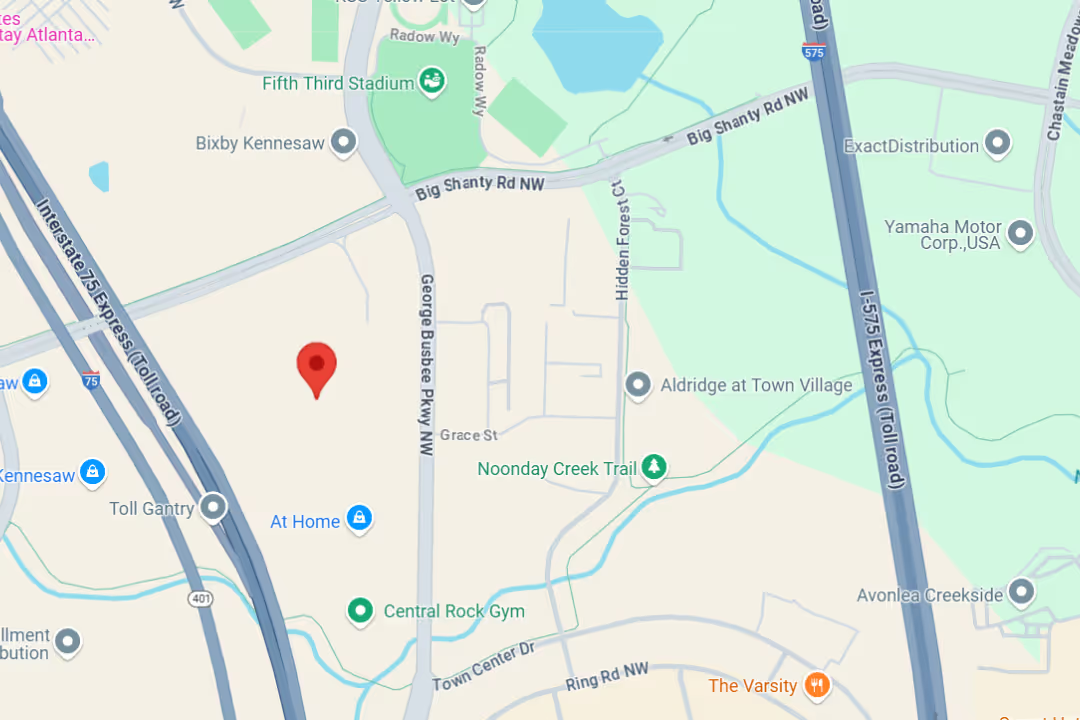
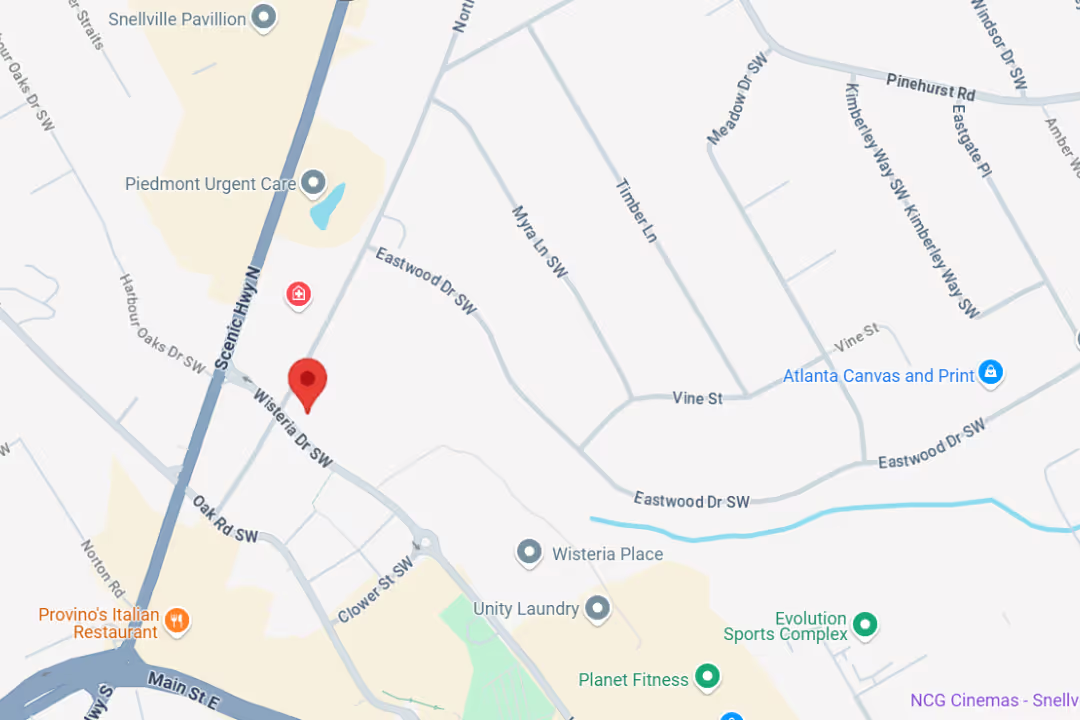
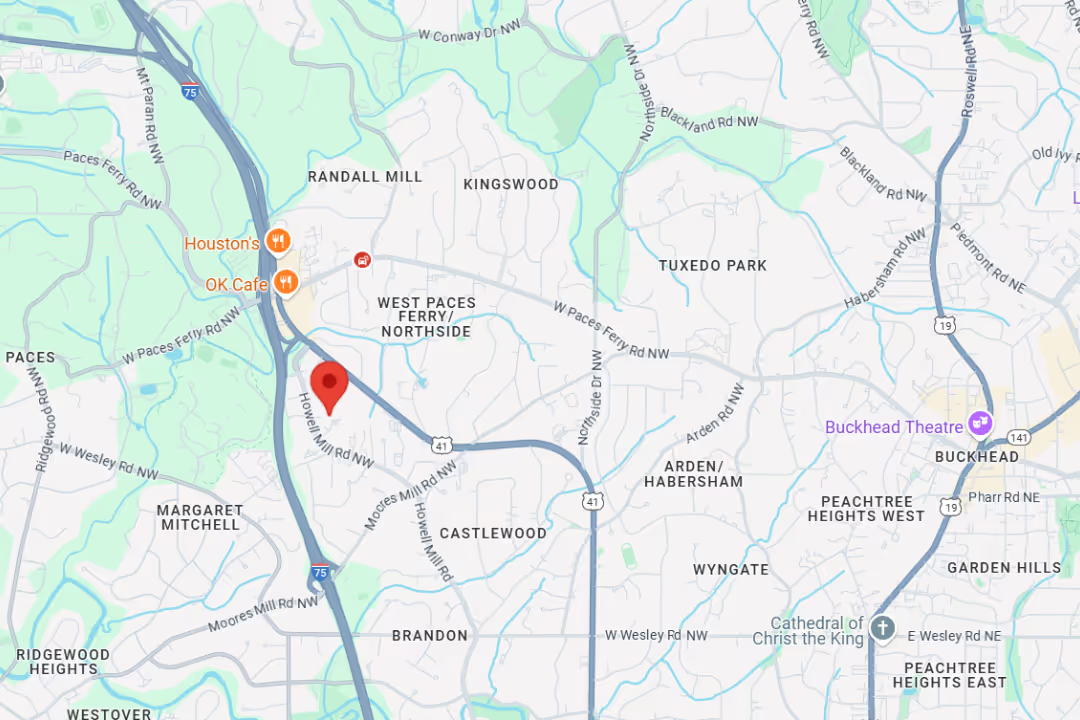
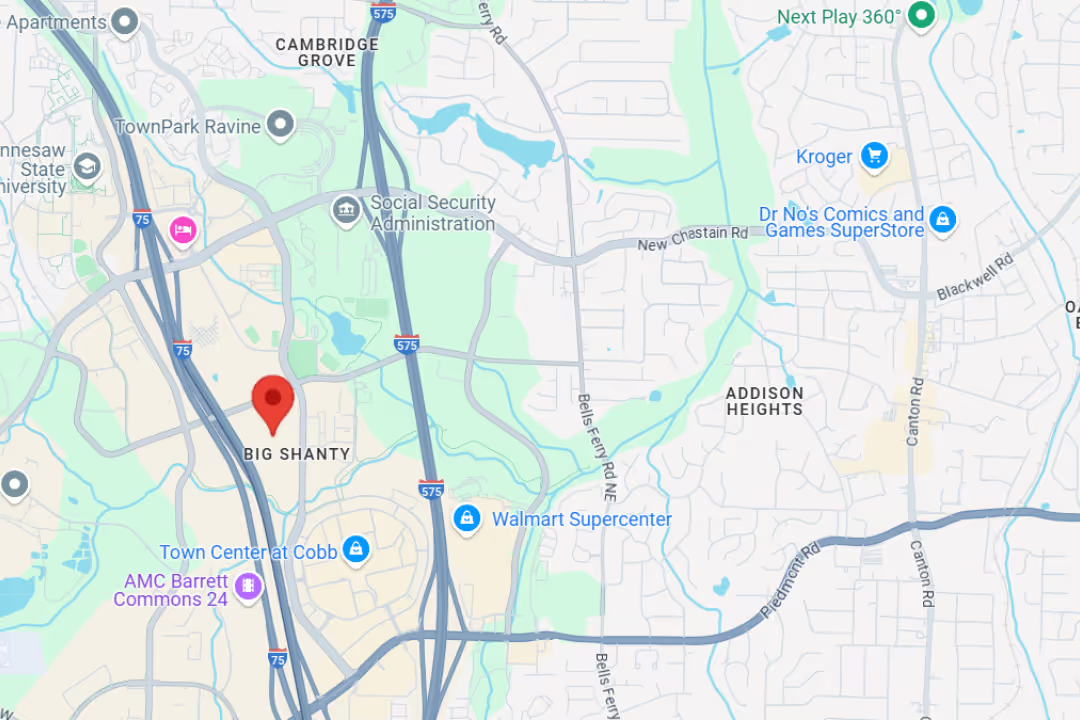
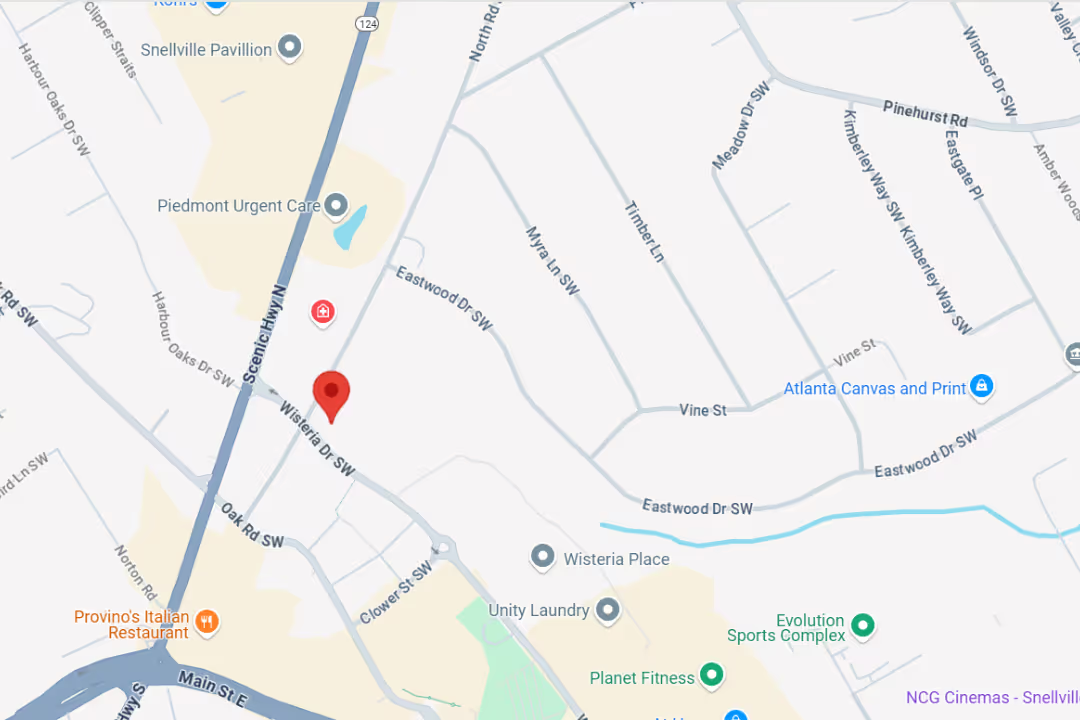
Medici Orthopaedics & Spine offers evaluation and treatment for elbow pain across multiple convenient locations in the greater Atlanta area.
Living with elbow pain shouldn't mean giving up the activities and routines you rely on. Whether it's a tennis serve, a full workday, or simply carrying groceries without discomfort, function matters. Our team is built to help you get there through thoughtful, personalized care.
Every treatment plan we create starts with understanding your specific situation, not a generic protocol. From conservative therapies to surgical evaluation when truly necessary, the goal remains the same: real relief with the least invasive path possible.
You don't have to guess at what's wrong or push through pain hoping it improves on its own. A proper evaluation can identify the cause and point you toward a treatment plan that actually works for your life.
Schedule a visit with Medici Orthopaedics & Spine today and take the first step toward using your arm without hesitation.
📘 Facebook: facebook.com/MediciOrthopaedicsandSpine
📷 Instagram: @mediciorthoandspine
▶️ YouTube: youtube.com/channel/UCJOOMMEtNnvI7-tKln3Umyw
This content is for educational purposes only and does not constitute medical advice. Please consult a qualified provider to discuss your specific situation.
Explore our library of patient support guides covering the conditions we treat, the treatments we offer, and the questions we hear most. Each one is written to help you understand your options and feel confident about your next step. Browse the topics below to learn more, or reach out to our team anytime.

At Medici, you’re more than your MRI.
We take time to hear your story, understand your pain, and create a plan that actually works for you.

Our team delivers specialist care at convenient locations across Metro Atlanta:
Get expert tips on injury recovery, pain relief, joint health, and movement strategies—straight from our Fellowship-Trained team.