Herniated discs are one of the leading causes of both back and neck pain, affecting people of all ages and activity levels. What often begins as mild discomfort can quickly progress into persistent pain, numbness, or weakness that interferes with everyday life.
For many individuals, simple activities—like sitting at a desk, driving, or even sleeping—become difficult. The impact on mobility and overall quality of life can be significant, especially when symptoms radiate into the arms or legs.
As awareness grows, more patients are seeking alternatives to traditional open spine surgery. There is a clear shift toward treatments that are not only effective but also safer, less invasive, and designed for faster recovery. Today, minimally invasive approaches offer new hope for lasting relief without the extended downtime or risks associated with more aggressive procedures.
The spine is made up of a series of bones called vertebrae, stacked on top of each other to provide structure and support. Between each vertebra sits a spinal disc—a soft, gel-like cushion that absorbs shock and allows for flexibility.
These discs play a critical role in movement, stability, and protecting the spinal cord and surrounding nerves.
Each disc has two main components:
Together, they allow the spine to bend, twist, and handle daily stress without damage.
A herniated disc occurs when the inner core pushes through or weakens the outer layer. This can place pressure on nearby nerves, leading to:
Even a small herniation can cause significant symptoms if it affects a sensitive nerve.
Herniated discs can occur anywhere along the spine, but they are most common in:
Each area presents differently, but all can significantly impact daily function if not properly addressed.
A herniated disc rarely results from a single event. More often, it develops over time due to a combination of stress, lifestyle habits, and natural aging.
These factors can gradually weaken the disc structure, eventually leading to herniation and the symptoms that follow.
Physical therapy is often the foundation of herniated disc treatment. It focuses on strengthening the body and correcting the imbalances that contribute to pain.
Over time, these improvements can significantly reduce pain and improve daily function—without invasive intervention.
When used appropriately, medications can play a supportive role in managing pain and inflammation while other therapies take effect.
At Medici, the goal is always to minimize medication dependence while maximizing recovery.
Epidural steroid injections are a highly targeted, minimally invasive option for patients experiencing nerve-related pain.
These injections are often part of a broader, integrated treatment plan designed to restore function and prevent recurrence.
Nerve blocks and targeted injections are used to both diagnose and treat pain by focusing on specific nerves responsible for discomfort.
These injections can be especially useful when pain patterns are unclear or when multiple areas may be contributing to symptoms.
Radiofrequency ablation is a minimally invasive procedure designed for longer-term pain relief, particularly in chronic cases.
RFA offers a powerful option for reducing persistent discomfort without surgery.
Spinal cord stimulation is an advanced, technology-driven solution for patients dealing with ongoing nerve pain.
This approach provides a customizable and reversible option for managing chronic pain.
When conservative treatments are not enough, minimally invasive surgical techniques can address the root cause of a herniated disc with precision and minimal disruption.
At Medici Orthopaedics & Spine, these advanced procedures are carefully considered only when necessary, always prioritizing the least invasive and most effective path to recovery.
Regenerative medicine represents an exciting advancement in treating herniated discs by supporting the body’s own healing capabilities. These therapies aim to repair damaged tissue, reduce inflammation, and improve overall spinal health—without invasive surgery.
Minimally invasive treatments offer a powerful alternative to traditional surgery for herniated discs. By focusing on precision, reduced recovery time, and comprehensive care, patients can achieve meaningful relief while preserving their overall spinal health. Rather than relying on aggressive procedures, these advanced techniques prioritize restoring function, minimizing disruption, and helping the body heal in a more natural, efficient way.
If you’re struggling with a herniated disc, you don’t have to settle for ongoing pain or feel like surgery is your only option. At Medici Orthopaedics & Spine, we specialize in advanced, minimally invasive treatments designed to relieve pain, restore function, and help you get back to living fully.
Our team takes a personalized, patient-centered approach—combining innovative therapies to deliver the best possible outcomes with the least disruption to your life. Every step of your care is focused on helping you move forward with confidence and lasting relief.
📞 Call us today: +1-844-328-4624
🌐 Visit us online: https://www.mediciortho.com/
Explore our library of patient support guides covering the conditions we treat, the treatments we offer, and the questions we hear most. Each one is written to help you understand your options and feel confident about your next step. Browse the topics below to learn more, or reach out to our team anytime.

At Medici, you’re more than your MRI.
We take time to hear your story, understand your pain, and create a plan that actually works for you.

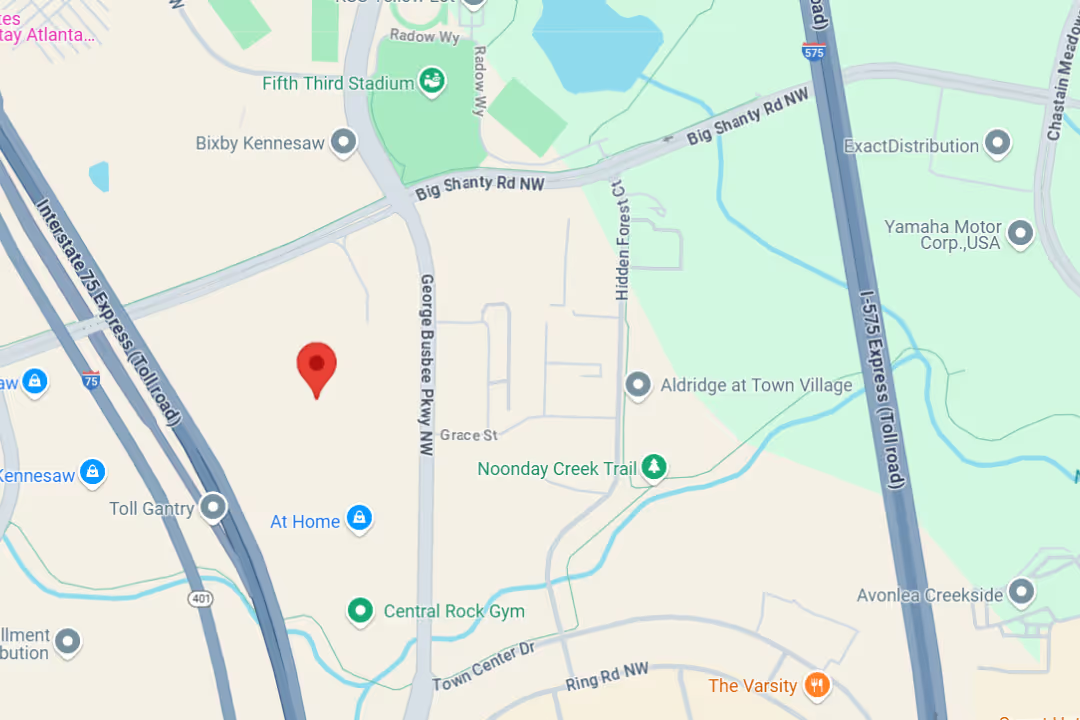
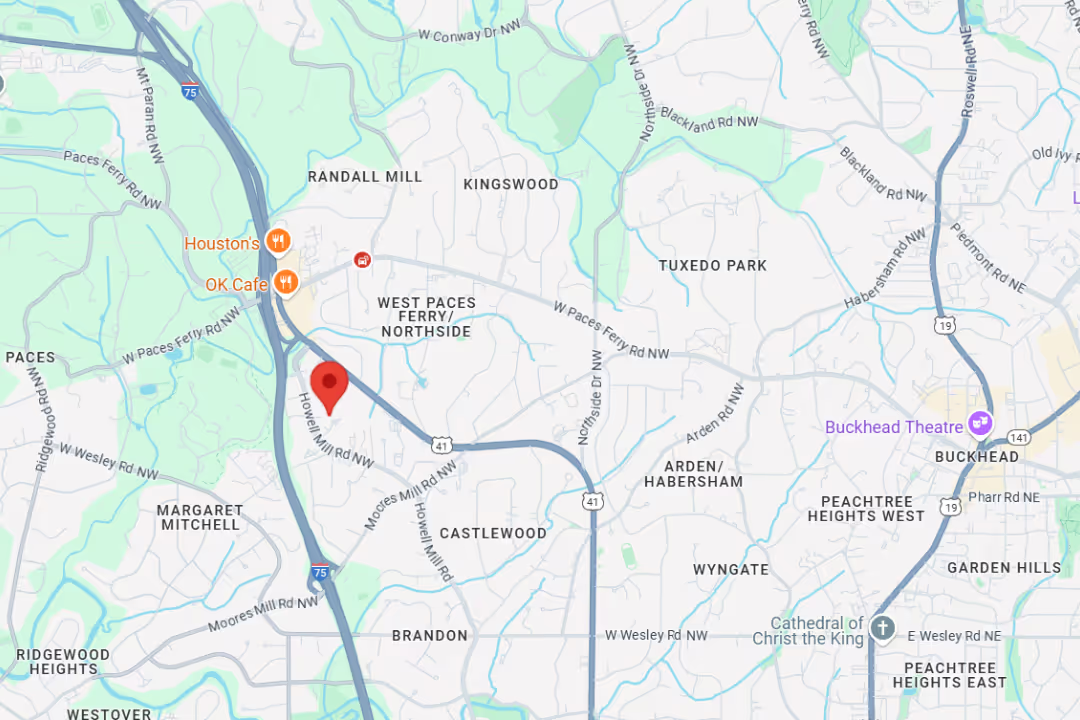
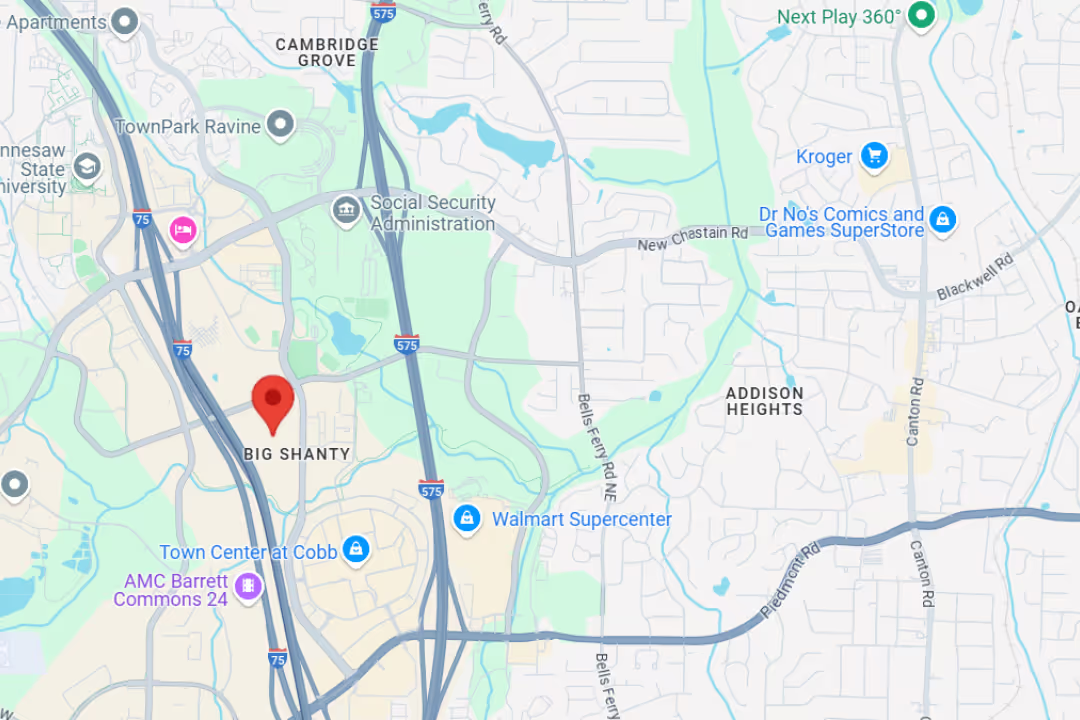
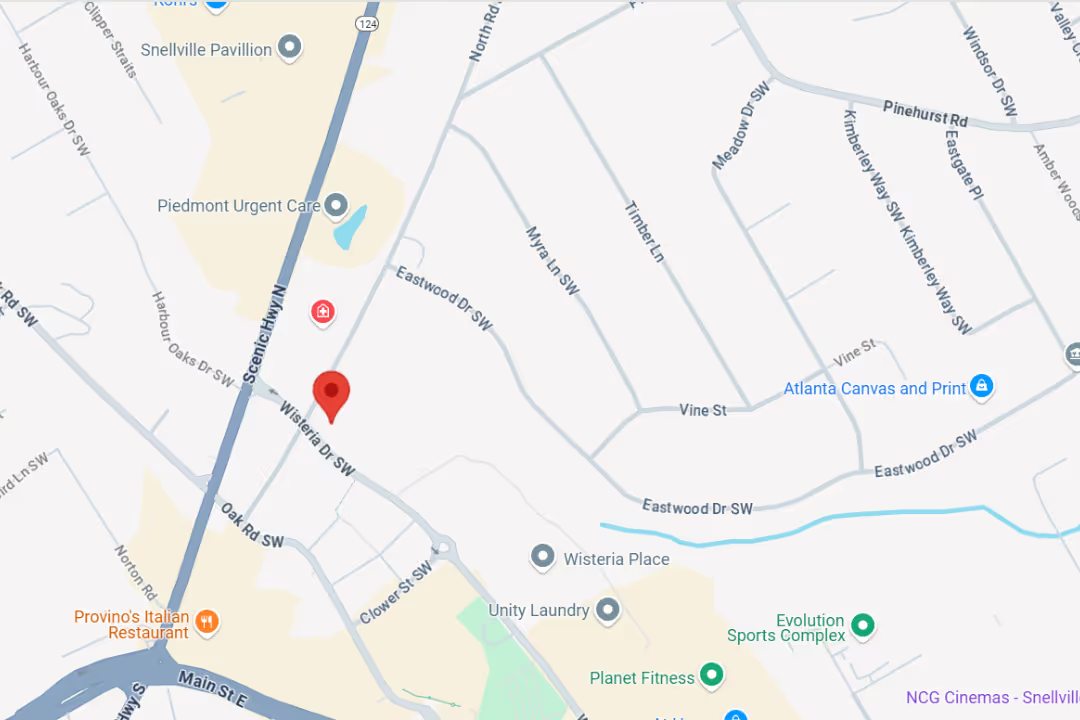
Our team delivers specialist care at convenient locations across Metro Atlanta:
Get expert tips on injury recovery, pain relief, joint health, and movement strategies—straight from our Fellowship-Trained team.