If you’re searching for an “orthopedic doctor for herniated disc,” you’re probably not dealing with ordinary soreness. Most people start looking because the pain feels sharp, persistent, or alarming—especially when it affects movement, sleep, or daily activities. Sometimes it begins suddenly, like a “grab” in the back after lifting, twisting, or bending the wrong way. Other times it builds over days or weeks until it becomes impossible to ignore.
A few common experiences often trigger this search:
It’s easy to worry that a herniated disc automatically means surgery. The reassuring truth is this: many herniated discs improve with the right plan, and surgery is not always required. What matters most is getting the correct diagnosis and a treatment strategy that matches your symptoms, your nerve function, and your goals.
At Medici Orthopaedics & Spine, our team takes a physician-led, patient-centered approach to herniated disc care. Under the direction of Dr. Sonny Dosanjh, M.D., we focus on least-invasive, evidence-based solutions designed to reduce pain, protect nerve health, and restore quality of life and function—without rushing into unnecessary procedures.
Not every patient needs imaging on day one. Many cases improve with appropriate conservative care. Imaging is more likely to be recommended when:
X-rays are helpful for:
X-rays do not show discs well, so they can’t directly confirm a herniation.
An MRI is the most useful test to visualize:
MRI findings are especially valuable when symptoms are radiating (arm/leg) or when planning targeted treatments like injections.
A CT scan may be used when MRI isn’t possible (for example, certain implanted devices) or when bone detail is especially important. A CT myelogram can be used in more complex scenarios, where contrast helps outline nerve structures and spinal canal anatomy.
EMG/NCS (electromyography and nerve conduction studies) may be recommended when:
This is a key point: not all herniations cause pain. Many people have disc bulges or herniations on MRI and feel fine. That’s why a good orthopedic evaluation focuses on whether the imaging finding matches:
At Medici, we emphasize treating the patient, not just the scan.
Short-Term Activity Modification vs. Prolonged Rest
Complete bed rest usually slows recovery. Instead, your orthopedic team may recommend a short period of activity modification—avoiding positions and movements that flare symptoms—while keeping you safely mobile.
Safe Movement Strategies and a Return-to-Activity Plan
You’ll receive guidance on:
Core Stabilization and Lumbar Mechanics
A strong core helps reduce strain on spinal discs. Therapy often targets deep stabilizing muscles, hip strength, and movement control.
McKenzie / Extension-Based Therapy (When Appropriate)
Some patients respond well to specific directional exercises (often extension-based) that help decrease radiating symptoms. This is individualized—what helps one person may worsen another, which is why assessment matters.
Posture, Lifting Mechanics, and Mobility Work
Small daily habits can keep a disc irritated. Rehab commonly includes:
Nerve Glides and Functional Strengthening
When nerve irritation causes tightness or symptoms down the arm/leg, controlled nerve gliding and functional strengthening can improve tolerance to movement and reduce flare-ups over time.
Anti-Inflammatories and Short-Term Muscle Relaxers
In the right patients, short-term use can reduce inflammation and muscle spasm, helping you move more comfortably.
Neuropathic Pain Options (When Nerve Pain Dominates)
If burning, shooting, tingling pain is the main issue, your physician may consider nerve-targeted medication options to reduce nerve sensitivity.
Emphasis on Minimizing Long-Term Dependence
At Medici, we prioritize a drug-sparing approach whenever possible—using medications thoughtfully and temporarily while focusing on treatments that improve function and reduce recurrence risk.
Epidural Steroid Injections (Lumbar or Cervical)
These are designed to reduce inflammation near irritated nerve roots. They’re often used for sciatica (lumbar) or arm symptoms from a cervical disc issue.
Selective Nerve Root Blocks
These can help target a specific nerve root and may be used for both diagnostic clarity and symptom relief.
Facet-Related Pain vs. Nerve Root Pain (Clarifying Targets)
Not all back/neck pain is disc-and-nerve pain. Some pain comes from facet joints or other structures. A careful exam and imaging correlation helps ensure injections are aimed at the true pain generator.
Image-Guided Precision and Safety Considerations
At Medici, injections are performed with image guidance to improve accuracy and safety—so medication is delivered where it’s most likely to help.
Myofascial Release / Soft Tissue Therapies
These treatments can reduce protective muscle tension around the spine, improve mobility, and make exercise and rehab more tolerable.
Therapeutic Exercise Programming
A customized home program builds strength and resilience between visits, helping patients maintain progress and avoid setbacks.
Education to Reduce Flare-Ups and Recurrence
Patients do better long-term when they understand:
Surgery may be considered when there is:
The decision is based on a full clinical picture—not fear, and not a rushed timeline.
Lumbar Microdiscectomy
A minimally invasive procedure where the portion of disc pressing on the nerve is removed to relieve leg pain (sciatica) and help nerve recovery.
Cervical Discectomy Options (Overview Only)
For neck-related disc issues causing arm symptoms, common approaches include:
Which option is best depends on anatomy, severity, stability, number of levels involved, and patient-specific factors.
If you’re dealing with back or neck pain that travels into an arm or leg—especially with numbness, tingling, or weakness—you don’t have to “push through it,” and you don’t have to guess what’s really going on. Herniated disc symptoms can be frightening and exhausting, but with the right evaluation and a structured plan, many people improve without surgery and get back to living normally again.
At Medici Orthopaedics & Spine, we take a patient-centered, least-invasive approach to herniated disc care. Under the leadership of Dr. Sonny Dosanjh, M.D., our team focuses on evidence-based solutions that aim for real recovery—reducing inflammation, protecting nerve function, restoring movement, and improving quality of life. That means we don’t jump straight to aggressive treatment, and we don’t rely on symptom masking alone. We work to identify the true source of your pain and build a plan that fits your body, your lifestyle, and your goals.
If you’re not improving with rest or over-the-counter meds, or your symptoms are affecting sleep, work, or daily life, the next best step is often a consultation. An evaluation and a clear plan are the first step, and our team will walk you through your options without pressure—just professional guidance and genuine care.
Website: https://www.mediciortho.com
Main Phone: +1-844-328-4624
Marietta
792 Church Street, Unit 101
Marietta, GA 30060
📞 (470) 795-8398
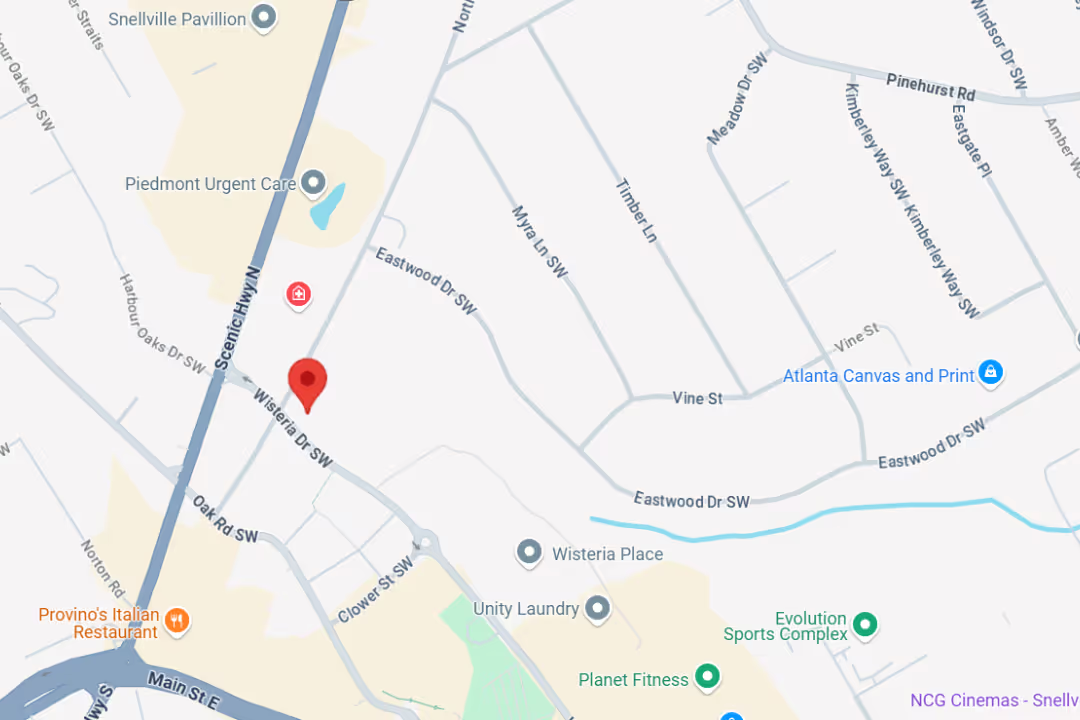
Snellville
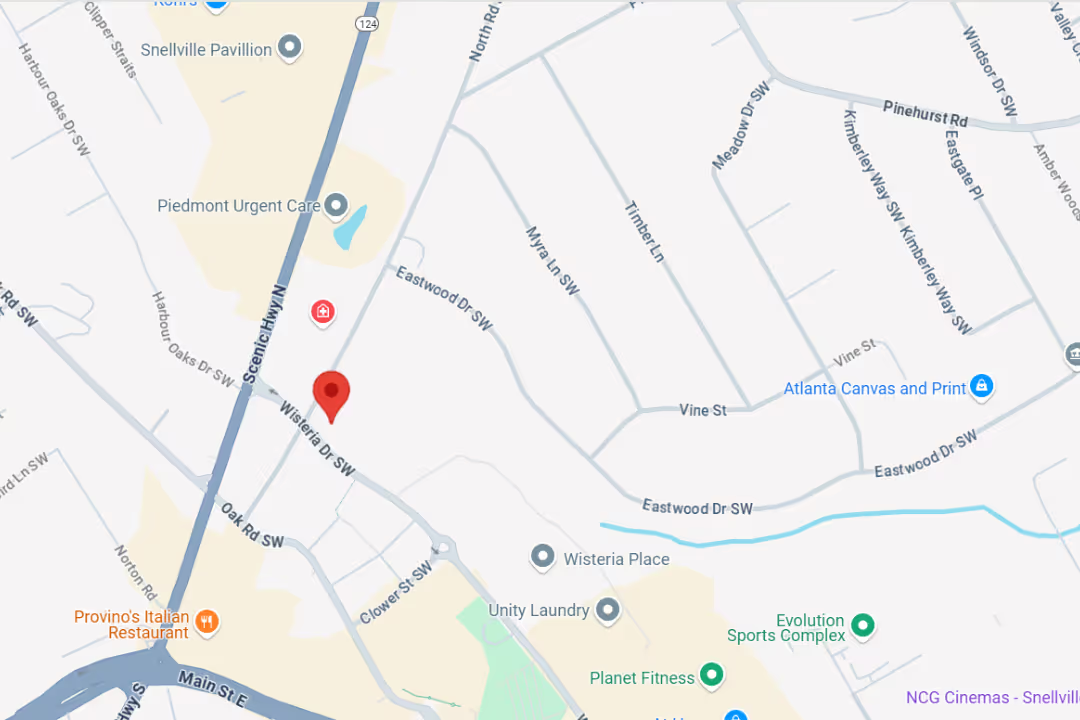
2220 Wisteria Dr, Unit 100
Snellville, GA 30078
📞 (470) 795-8398
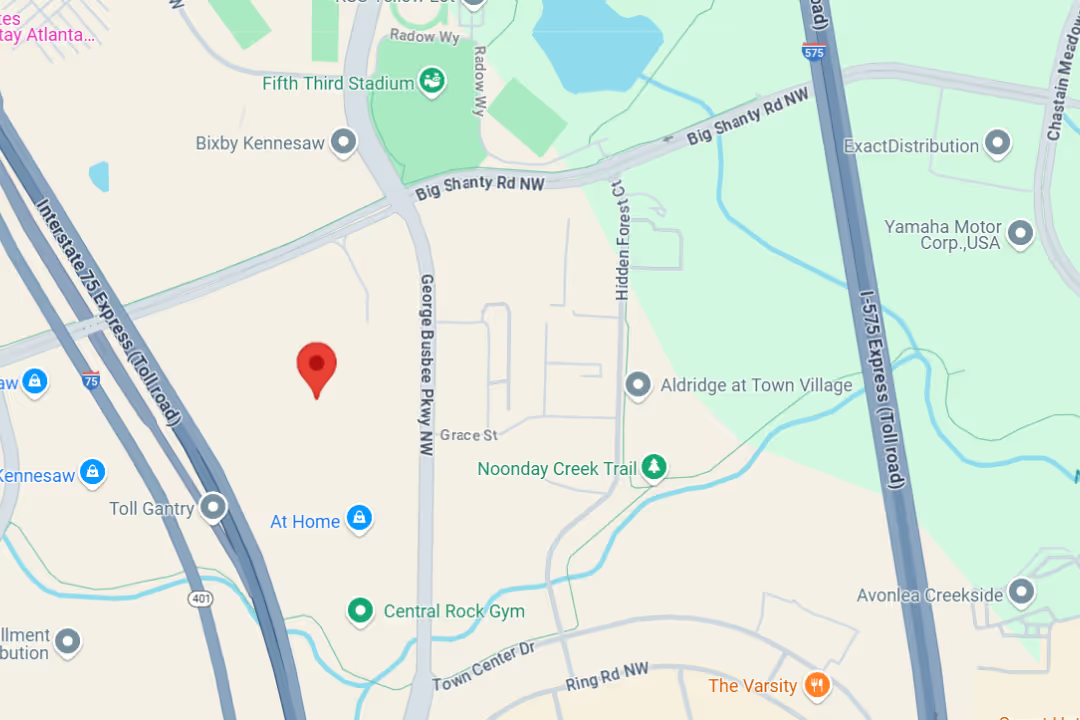
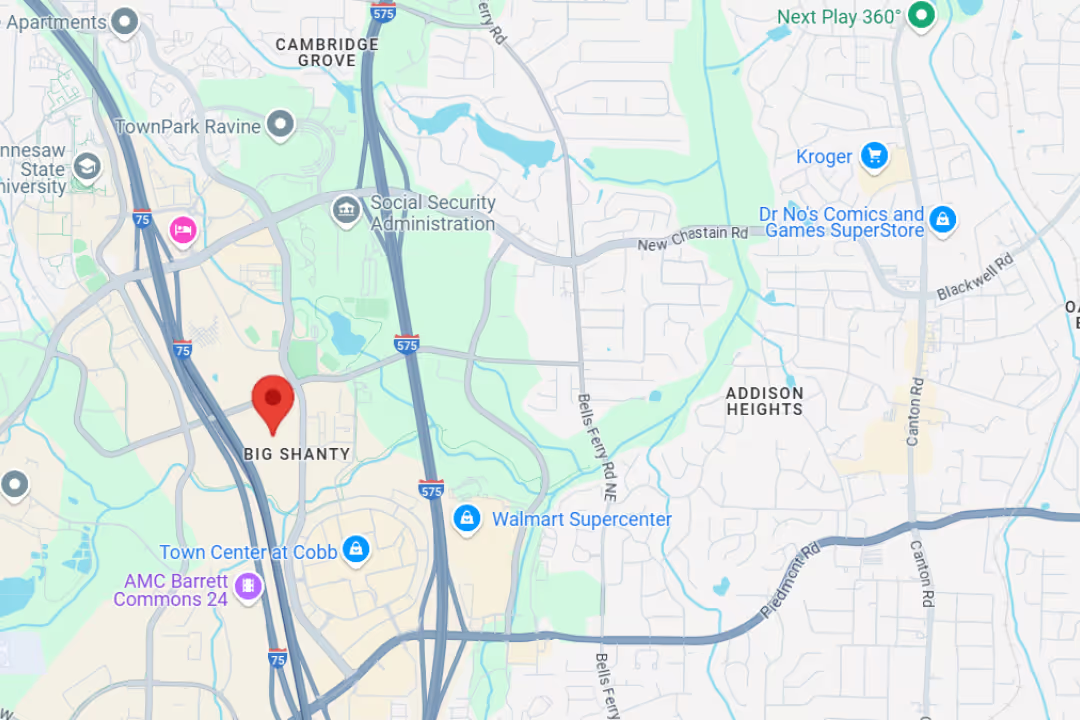
Kennesaw
2911 George Busbee Parkway, Suite 50
Kennesaw, GA 30144
📞 (770) 545-6404
Snellville
2220 Wisteria Drive, Unit 101
Snellville, GA 30078
📞 (470) 645-9297
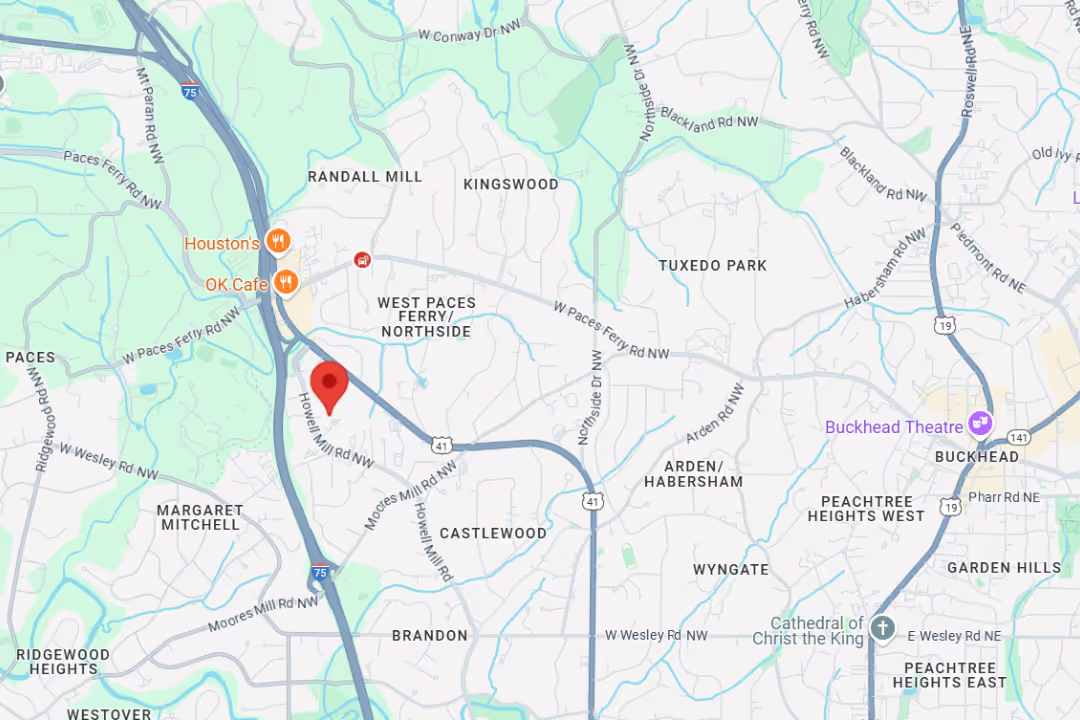
Buckhead PM&R
3200 Downwood Circle, NW, Suite 520
Atlanta, GA 30327
📞 (770) 872-7549
Explore our library of patient support guides covering the conditions we treat, the treatments we offer, and the questions we hear most. Each one is written to help you understand your options and feel confident about your next step. Browse the topics below to learn more, or reach out to our team anytime.

At Medici, you’re more than your MRI.
We take time to hear your story, understand your pain, and create a plan that actually works for you.

Our team delivers specialist care at convenient locations across Metro Atlanta:
Get expert tips on injury recovery, pain relief, joint health, and movement strategies—straight from our Fellowship-Trained team.