Soccer is fast, physical, and demanding. One minute you are sprinting down the field, changing direction, or reaching for the ball, and the next minute something pulls, twists, pops, or tightens up. Even when the injury seems minor at first, it can quickly affect how you walk, train, work, sleep, and move through daily life.
At Medici Orthopaedics & Spine, we understand that soccer players do not just want to be told to “rest and see what happens.” They want to know what is wrong, how serious it is, what they can do now, and how to return to the field safely. That matters whether you are a youth player, a high school athlete, a college player, an adult league competitor, or someone who plays on weekends because you love the game.
Dr. Sonny Dosanjh and the Medici team focus on thoughtful, minimally invasive care designed around the patient’s goals. Our mission is to help you restore your quality of life with the most effective, least invasive, least drug-dependent plan medically appropriate for your injury.
When an injury happens, the first step is to stop and assess. Trying to “walk it off” may be okay for a minor bump, but it can be risky if there is swelling, instability, sharp pain, or trouble bearing weight.
Players, coaches, and parents should pay attention to:
In the early stage, the goal is to calm the injured area and protect it from further stress. Depending on the injury, this may include rest, ice, compression, and elevation.
Early care may involve:
Some injuries need extra protection while healing begins. That may mean using a brace, wrap, tape, crutches, walking boot, or other support.
Protection can help:
Pain going away is not always the same as healing. A player may feel better walking around but still not be ready to sprint, cut, pivot, or kick at full speed.
Returning too soon can increase the risk of:
Physical therapy is often one of the most important parts of soccer injury recovery. It helps restore movement, strength, control, and confidence after an injury. For soccer players, therapy should not only focus on the injured area. It should also look at how the whole body moves together.
A physical therapy plan may include:
For example, an ankle sprain may need more than swelling control. The athlete may also need balance training, calf strength, and cutting mechanics. A knee injury may need hip control, quad strength, hamstring strength, and landing mechanics. A hamstring strain may need gradual loading before the player returns to sprinting.
After a soccer injury, muscles and connective tissue can become tight, guarded, or restricted. This can affect how the body moves and may contribute to pain, stiffness, or compensation patterns.
Myofascial release is a hands-on therapy that focuses on the fascia, the connective tissue surrounding muscles and other structures. It may help improve mobility, reduce soft tissue restriction, and support more comfortable movement.
For soccer players, myofascial release may be considered for areas such as:
Sports massage therapy may support recovery by helping reduce muscle tightness, improving comfort, and preparing the body for better movement. It is not a replacement for medical evaluation or physical therapy, but it can be a helpful part of a broader recovery plan.
Soccer players often develop tightness from sprinting, kicking, cutting, and repetitive training. Sports massage may be used to address soreness or tension in the:
Sometimes pain limits an athlete’s ability to participate in therapy or progress through recovery. In those cases, interventional pain management may be considered when the diagnosis supports it.
Interventional care may include targeted treatments designed to reduce pain, calm inflammation, or help identify the source of symptoms. These options are considered carefully and are not used as a shortcut around proper rehabilitation.
Depending on the injury and diagnosis, interventional care may help with:
Regenerative medicine may be considered for selected soccer injuries, especially when tendon, ligament, or soft tissue problems are not healing as expected. These treatments are designed to support the body’s natural healing response rather than simply mask pain.
At Medici, regenerative medicine options may include treatments such as PRP or prolotherapy when medically appropriate.
Regenerative medicine may be discussed for certain cases involving:
Not every soccer injury is a candidate for regenerative medicine. A careful diagnosis matters. If there is a complete tear, fracture, severe instability, or injury that needs surgical evaluation, that should be addressed appropriately.
Medication may be used as part of recovery, but Medici’s goal is always the least drug-dependent plan medically appropriate. For many soccer injuries, medication is not the whole answer. It may simply help manage symptoms while the athlete works through healing and rehabilitation.
Medication management may involve:
Supportive tools can play an important role in soccer injury recovery. Bracing, taping, or orthotics may help protect the injured area, improve mechanics, and give the athlete more confidence during the recovery process.
These tools may be used for:
For example, an ankle brace may help a player feel more stable after a sprain. Orthotics may help reduce stress from poor foot mechanics. Taping may support a joint during the transition back to activity.
A soccer injury can be frustrating because it affects more than one game or one practice. It can change how you walk, train, sleep, work, study, and move through everyday life. For many athletes, the hardest part is not just the pain. It is the uncertainty of not knowing what is wrong or when it is safe to return.
At Medici Orthopaedics & Spine, we believe recovery should feel clear, organized, and personal. A good plan starts with understanding the injury, calming pain, restoring movement, rebuilding strength, and gradually preparing the athlete for the real demands of soccer. Walking pain-free is a good start, but soccer requires more — sprinting, cutting, pivoting, kicking, balance, and confidence.
If you are searching for recovery therapy for soccer injuries in Atlanta, Medici Orthopaedics & Spine is here to help. Our team evaluates and treats soccer-related pain and injuries, including ankle sprains, knee injuries, hamstring strains, groin pain, Achilles tendonitis, shin splints, hip pain, back pain, and overuse injuries.
Call +1-844-328-4624 or visit https://www.mediciortho.com/ to schedule an appointment.
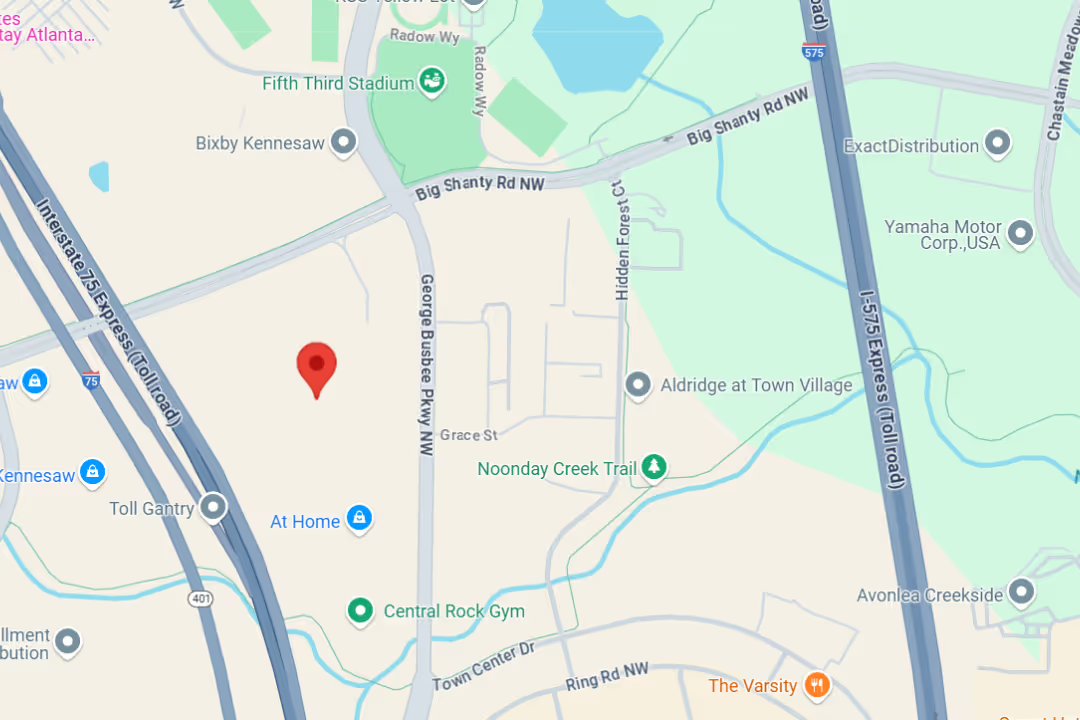
Kennesaw Clinic
2911 George Busbee Parkway, Suite 50
Kennesaw, GA 30144
Phone: (770) 545-6404
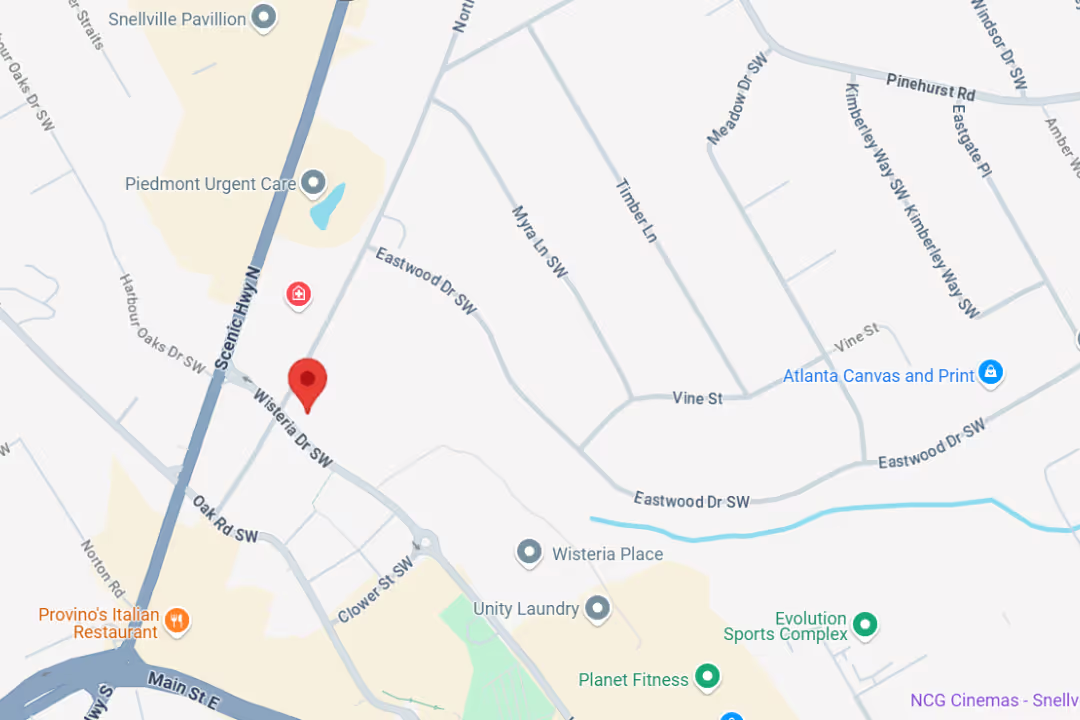
Snellville Clinic
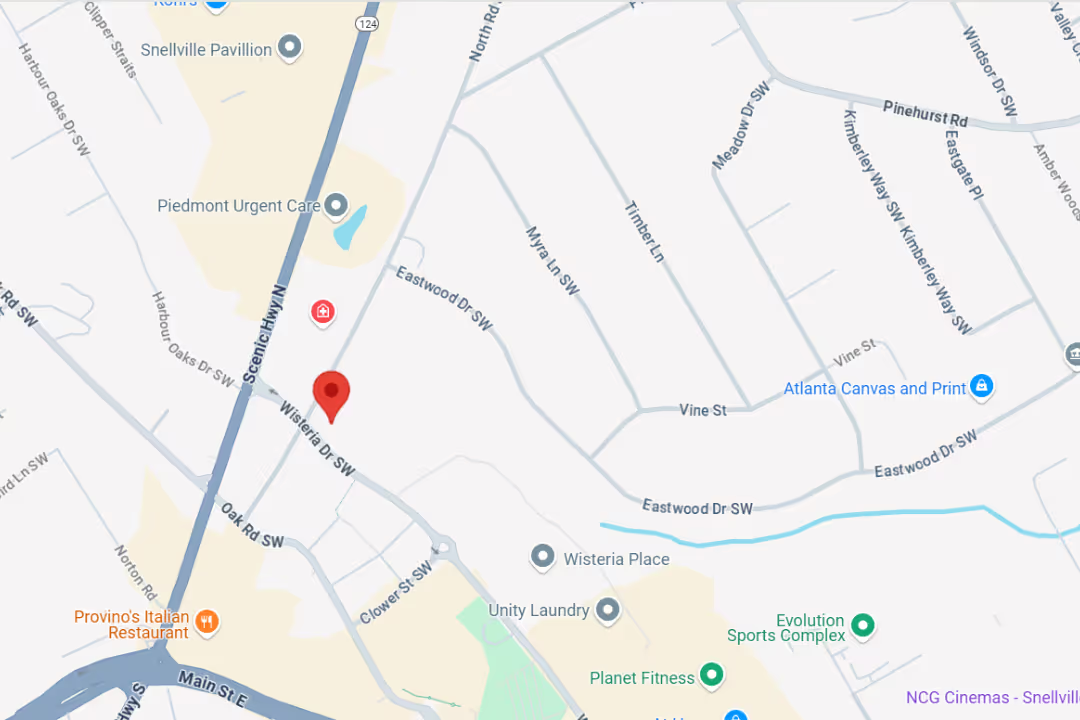
2220 Wisteria Drive, Unit 101
Snellville, GA 30078
Phone: (470) 645-9297
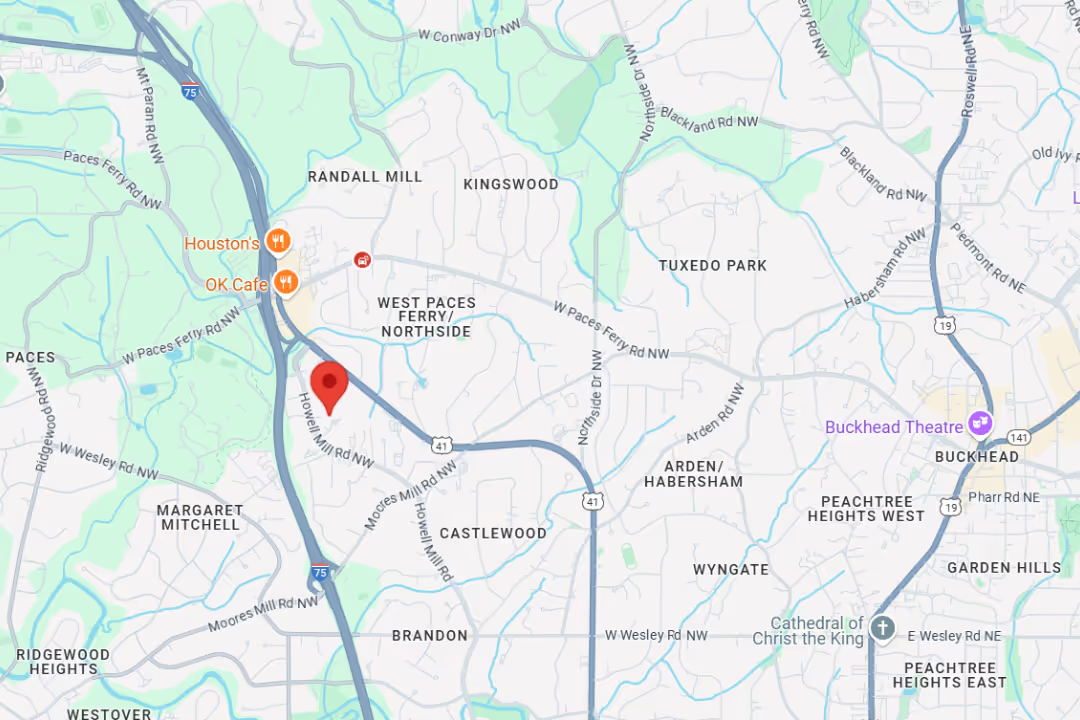
Buckhead PM&R Clinic
3200 Downwood Circle NW, Suite 520
Atlanta, GA 30327
Phone: (770) 872-7549
Marietta Surgery Center
792 Church Street, Unit 101
Marietta, GA 30060
Phone: (470) 795-8398
Snellville Surgery Center
2220 Wisteria Drive, Unit 100
Snellville, GA 30078
Phone: (470) 795-8398
At Medici, you’re more than your MRI.
We take time to hear your story, understand your pain, and create a plan that actually works for you.

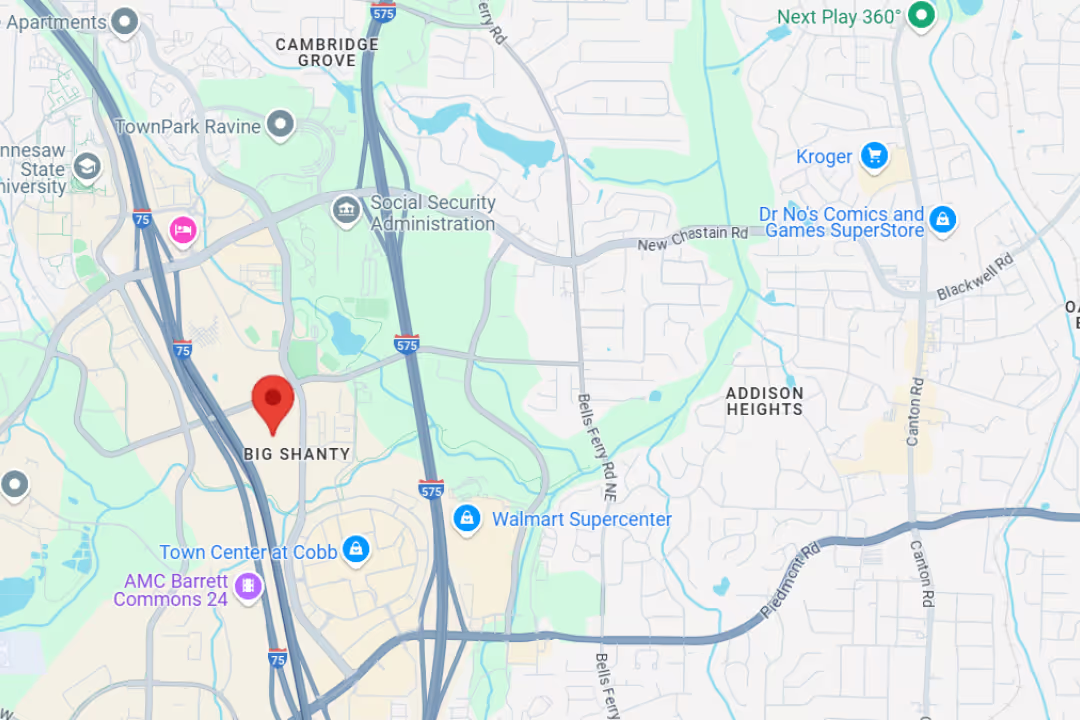
Our team delivers specialist care at convenient locations across Metro Atlanta:
Get expert tips on injury recovery, pain relief, joint health, and movement strategies—straight from our Fellowship-Trained team.