When you’re sidelined by a sports injury, it’s not just the pain—it’s the pause button it hits on your life. Maybe you’re a high school athlete trying to finish the season strong, a runner training for your next race, or a weekend warrior who just wants to move without wincing. At Medici Orthopaedics & Spine, we help athletes and active people in Marietta return to the activities they love with a clear plan built around your body, your sport, and your goals.
Our approach is whole-body and function-first. That means we don’t just chase symptoms—we work to restore how you move. We focus on the essentials that drive real recovery: movement quality, strength, stability, and smart pain control, so you can rebuild confidence and performance step by step. Most importantly, you won’t be left guessing. Recovery works best when it’s structured, measured, and tailored—a plan, not a hope-and-pray strategy.
We help youth athletes, high school players, college athletes, and adult league competitors who need recovery that supports performance—without rushing back too soon. Whether your injury came from contact, overuse, or a single wrong step, the plan needs to restore speed, power, control, and confidence.
Marietta is full of people who train hard and stay active:
runners, cyclists, golfers, tennis/pickleball players, CrossFit and strength-training athletes. Overuse injuries, tendon pain, joint irritation, and “nagging” strains are common in this group—especially when training volume climbs or recovery lags. We help you keep moving while healing, with smart progressions that build resilience.
If you love pickup basketball, weekend hikes, recreational leagues, or just staying fit—an injury can feel like it takes away a major part of your life. We help recreational athletes return safely, focusing on the movements that matter most for real-life activity: walking, stairs, lifting, rotation, and quick changes of direction.
Some people have physically demanding jobs and get injured during sports or training outside of work—then realize the injury affects their ability to do their job. If your work requires lifting, bending, standing, climbing, or repetitive motion, recovery needs to restore function for both sport and daily demands.
A lot of athletes try rest, ice, stretching videos, braces, or even physical therapy—but progress stalls. That plateau often means something important was missed: the diagnosis isn’t precise enough, the plan isn’t progressive enough, or the root movement issue wasn’t addressed. If you’ve been “stuck,” we focus on identifying the real driver of the pain and getting you back on a measurable track forward.
We take time to understand the full context, not just the symptom:
This is where we connect symptoms to movement and function:
Imaging can be useful, but it’s not always necessary. We use it thoughtfully:
Most sports injuries improve fastest when rehab is structured, progressive, and sport-specific. Instead of random exercises or generic stretches, we build a goal-driven plan that matches your injury, your sport, your timeline, and your current capacity.
A phased approach (so progress is measured, not guessed):
Supportive techniques when indicated:
Sometimes pain and inflammation become a barrier to meaningful rehab—especially when the injury is highly irritated, sleep is disrupted, or progress stalls because every attempt to train triggers a flare.
In those cases, we may recommend targeted injections designed to:
For certain tendon, ligament, or joint-related problems—especially stubborn overuse injuries—regenerative medicine may be considered as part of a broader recovery plan.
The key is matching the right option to the right diagnosis. We focus on:
Medication can play a supportive role in sports injury recovery, but our focus is always function first—and as least drug-dependent as possible.
Our approach emphasizes:
Most athletes do not need surgery—but some injuries require a higher level of intervention when conservative care has been thorough and progress is still limited.
We consider escalation when there are clear, objective reasons, such as:
The best sports injury recoveries aren’t built on guesswork—they’re built on an accurate diagnosis and a structured plan that restores how your body is meant to move. When you know what’s truly driving the pain (and not just where it hurts), you can make real progress: better mobility, better strength, better stability, and a safer return to the activities that matter most to you.
At Medici Orthopaedics & Spine, we focus on long-term resilience, not just short-term relief. That means we don’t stop at “feels better.” We work toward the kind of recovery that helps you stay better—reducing the risk of re-injury by improving mechanics, rebuilding tissue capacity, and guiding your return-to-play step by step.
If you’re ready for a clear plan and a team that takes your goals seriously, we’re here for you. Whether you’re a competitive athlete, an active adult, or someone who just wants to move without pain again, we’ll help you take the next step with a personalized recovery strategy—no pressure, just professional guidance and genuine care.
Schedule your consultation today:
🌐 Website: https://www.mediciortho.com/
📞 Main Contact: +1-844-328-4624
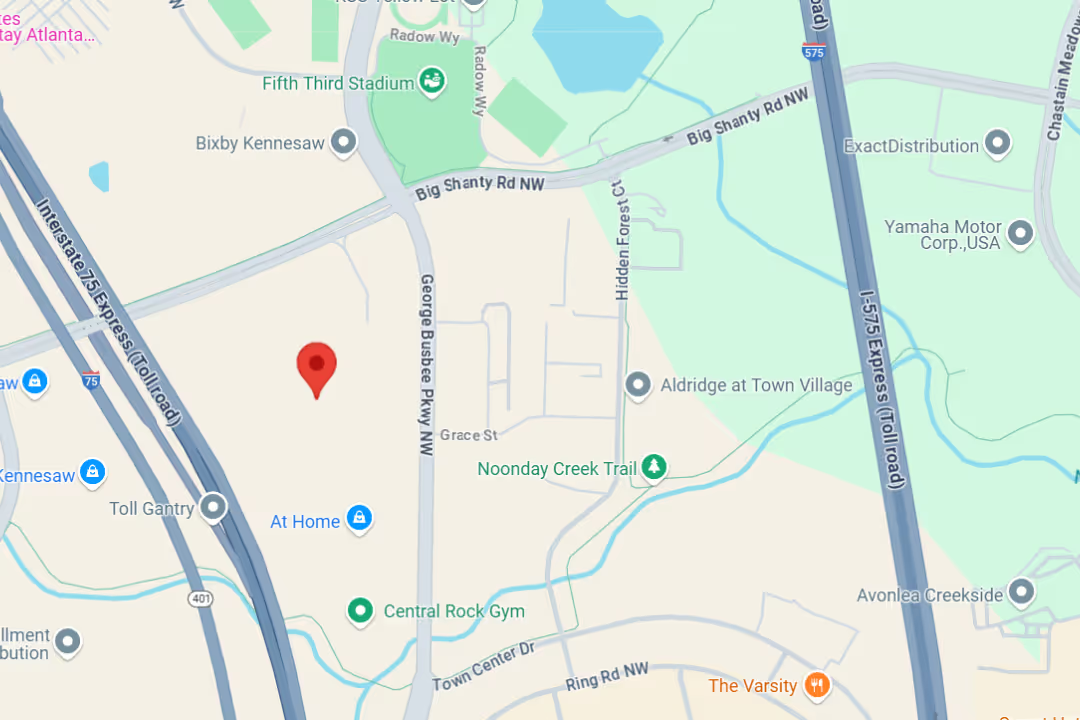
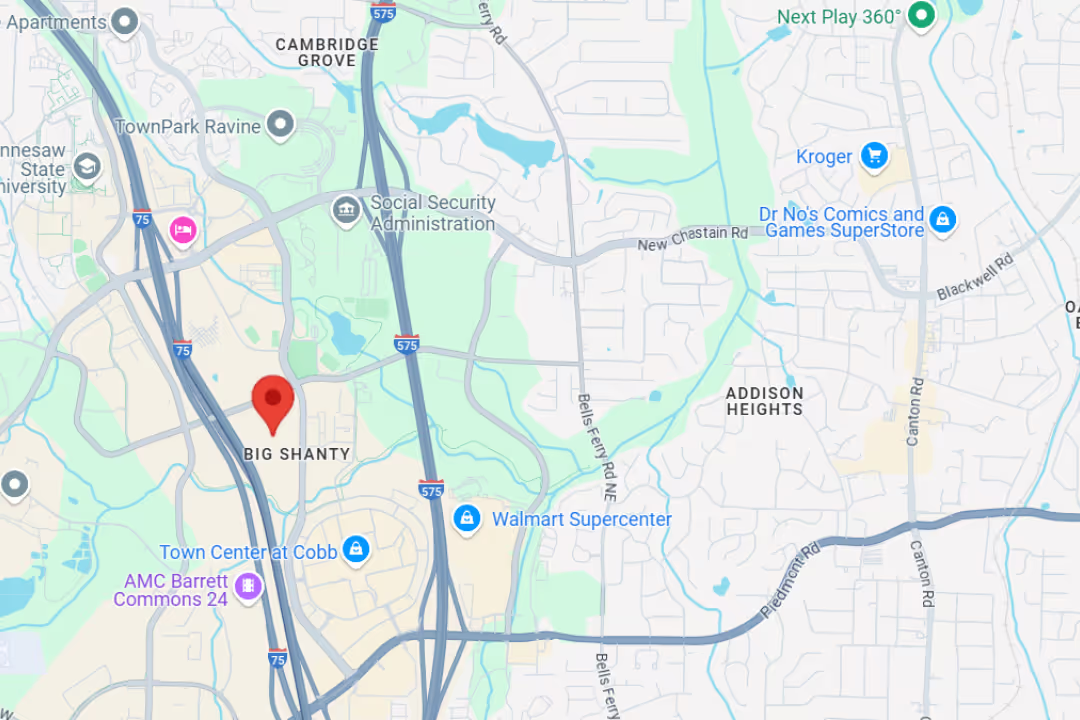
Kennesaw
2911 George Busbee Pkwy, Suite 50
Kennesaw, GA 30144
(770) 545-6404
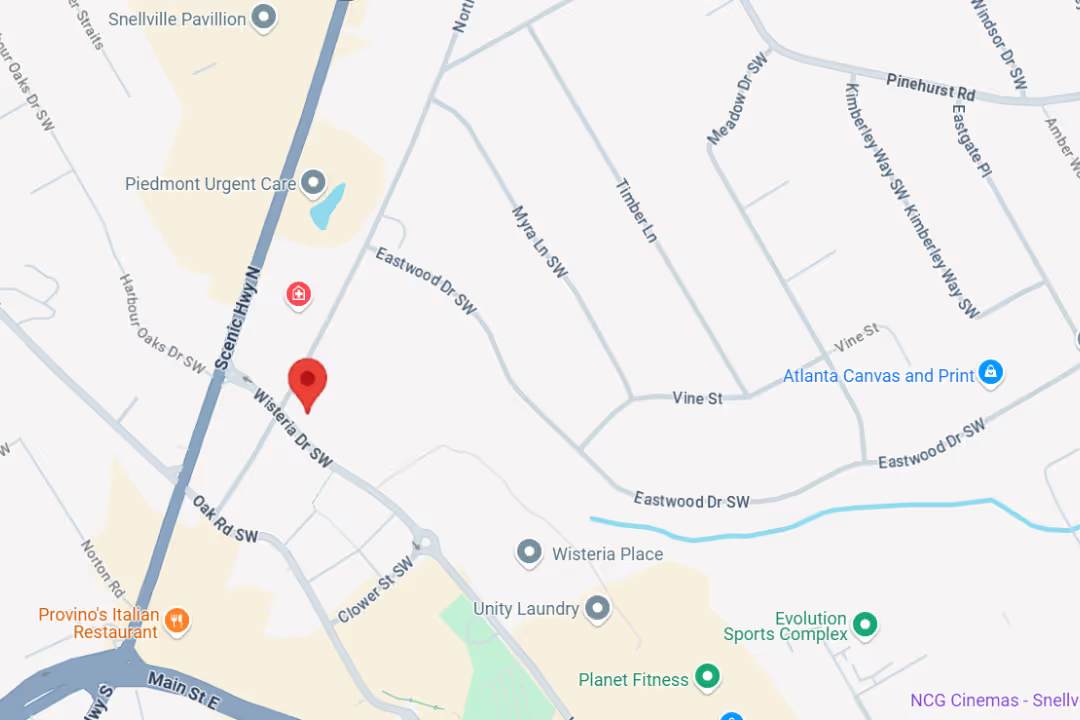
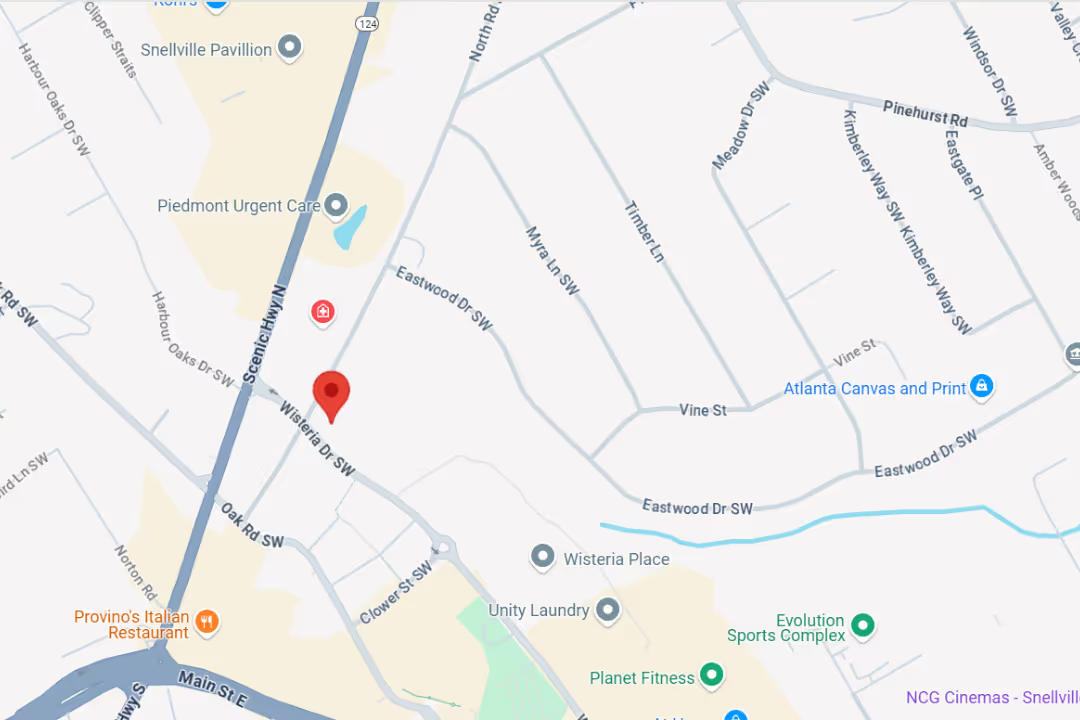
Snellville
2220 Wisteria Dr, Unit 101
Snellville, GA 30078
(470) 645-9297
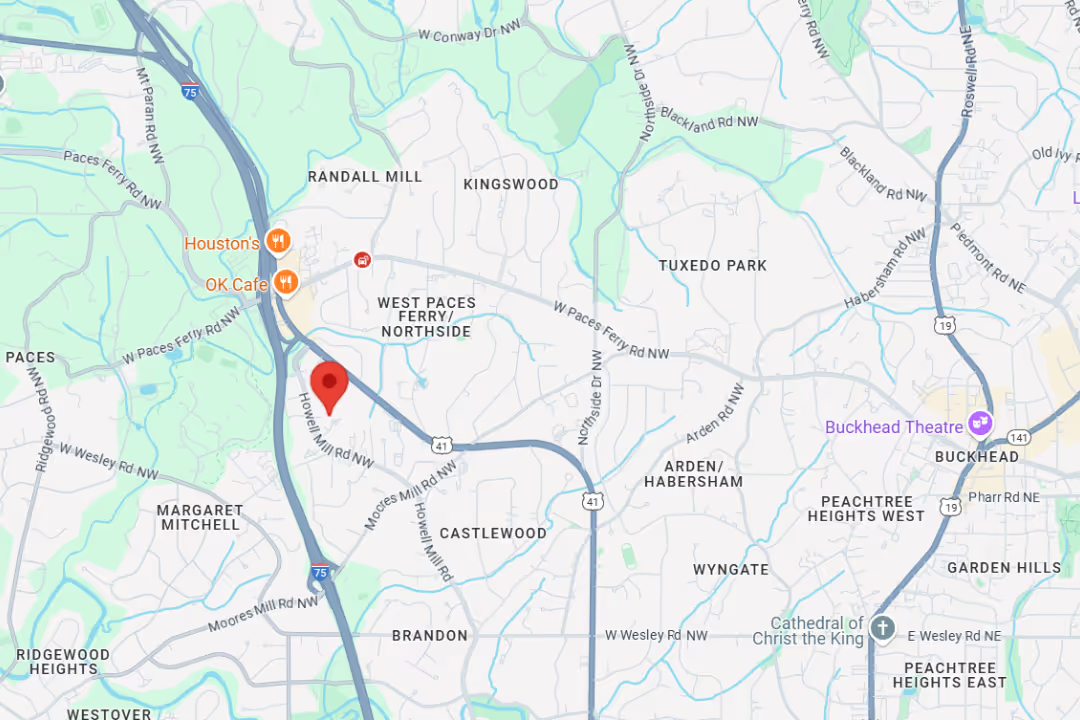
Buckhead PM&R
3200 Downwood Circle NW, Suite 520
Atlanta, GA 30327
(770) 872-7549
Explore our library of patient support guides covering the conditions we treat, the treatments we offer, and the questions we hear most. Each one is written to help you understand your options and feel confident about your next step. Browse the topics below to learn more, or reach out to our team anytime.

At Medici, you’re more than your MRI.
We take time to hear your story, understand your pain, and create a plan that actually works for you.

Our team delivers specialist care at convenient locations across Metro Atlanta:
Get expert tips on injury recovery, pain relief, joint health, and movement strategies—straight from our Fellowship-Trained team.