Sports injuries are part of the game—whether you’re a weekend runner, a student athlete, a gym regular, or a competitive or professional player. One awkward landing, one hard cut, one extra workout, and suddenly you’re dealing with pain, swelling, or a joint that just doesn’t feel right. It doesn’t just slow your training; it can affect work, sleep, mood, and everyday life.
The good news is that many sports injuries can be effectively treated without major surgery, especially when they’re evaluated properly and addressed early. At Medici Orthopaedics & Spine, our philosophy is simple: restore function and performance using the most effective, least invasive, and least drug-dependent treatments available.
We focus on identifying the true source of your pain, then building a customized recovery plan that fits your sport, your schedule, and your goals. With the right diagnosis and a targeted approach, many athletes and active adults safely return to the activities and sports they love—often stronger and smarter than before.
How Medici Evaluates Sports Injuries
Detailed Injury History
Your story matters. We’ll ask questions such as:
- How did it happen?
Was there a twist, fall, collision, awkward landing, or gradual onset from increased training? Understanding the mechanism of injury helps narrow down likely structures involved. - When did symptoms begin and how have they changed?
We’ll explore whether the pain is improving, plateauing, or getting worse—and what you’ve tried so far. - What does the pain feel like and where is it located?
Is it sharp, dull, aching, burning, or throbbing? Is it deep in the joint, along a tendon, or more diffuse? - Are there other symptoms?
Swelling, bruising, popping, locking, catching, or feelings of instability (like the joint might give way) are all important clues. - Previous injuries, surgeries, or chronic issues
Prior problems in the same area—or in a related region—can affect how the current injury behaves and heals.
Sports, Training, and Lifestyle Review
We don’t just treat the injured body part; we treat the athlete:
- Sport, position, and timing
A pitcher has different demands than a runner, and in-season injuries may require different strategies than off-season ones. - Training volume and recent changes
Sudden increases in mileage, intensity, or frequency are common triggers for overuse injuries. - Work and daily activities
Some jobs or home responsibilities can aggravate an injury. We factor in how your day-to-day life interacts with your recovery. - Performance goals and competition schedule
We talk openly about your short- and long-term goals, so your plan supports both healing and realistic return-to-play timelines.
Comprehensive Physical Examination
A hands-on exam helps us see how your body is functioning right now:
- Visual inspection
We look for swelling, bruising, deformity, or visible muscle imbalance. - Palpation (touch)
Gently pressing around the area helps pinpoint painful structures and tissue irritation. - Range of motion testing
We check how well the injured joint and nearby regions move, noting any stiffness, catching, or pain limits. - Strength testing
Key muscle groups are tested and compared with the opposite side to identify weakness or imbalance. - Stability and special tests
We perform specific maneuvers to assess ligaments, meniscus, labrum, and tendons, depending on the area involved. - Movement analysis
When appropriate, we watch your gait, posture, running form, landing mechanics, cutting, throwing, or lifting patterns to identify underlying movement issues that may have contributed to the injury.
Advanced Imaging and Diagnostics
Not everyone needs imaging, but when we do, we use it thoughtfully:
- X-rays
Helpful for assessing bone alignment, fractures, and joint spacing. - MRI
Provides detailed views of cartilage, tendons, ligaments, and other soft tissues to better characterize the injury. - Ultrasound
Useful for dynamic assessment of tendons and guiding certain injections with real-time imaging. - Nerve testing or diagnostic blocks
If pain suggests nerve involvement, targeted testing or numbing injections can help clarify the source and guide treatment.
Non-Surgical, Conservative Sports Injury Treatments
Activity Modification and Load Management
The goal is smart adjustment—not total shutdown:
- Adjusting training volume and intensity
We help you find that “sweet spot” where the injury can heal, but you don’t lose unnecessary conditioning or strength. - Cross-training options
Swimming, cycling, upper-body work, or other alternatives may keep your fitness up while protecting the injured area. - Clear progression guidelines
You’ll get guidance on what to avoid, how to gradually increase activity, and what warning signs mean you need to slow down.
Bracing, Taping, and Protective Gear
Smart support can protect healing tissues and improve mechanics:
- Functional braces
Braces for knees, ankles, wrists, and other joints can allow continued activity while protecting injured ligaments or structures. - Kinesiology and rigid taping
Taping can support muscles and tendons, improve joint alignment, and provide proprioceptive feedback to help movement patterns. - Sport-specific protective gear
We advise on ankle supports, knee pads, shoulder protection, and other gear that may help you play more safely.
Physical Therapy and Sports Rehabilitation
This is often the backbone of a successful sports injury recovery:
- Customized PT plans
Your therapy is built around your sport, position, and specific injury—not a one-size-fits-all protocol. - Manual therapy and joint mobilization
Hands-on techniques may be used to improve joint motion, reduce muscle tension, and promote healing. - Strengthening for core, hips, and stabilizers
Strong, well-coordinated support muscles reduce stress on the injured area and improve performance. - Flexibility and mobility work
Correcting tightness and movement restrictions helps normalize mechanics and reduce reinjury risk. - Plyometrics, agility, and return-to-play conditioning
As you progress, your plan includes jumping, cutting, change-of-direction drills, and sport-specific conditioning. - Education on warm-up, cooldown, and recovery
We teach you how to warm up properly, cool down, and build recovery habits that protect your body long-term.
Home Exercise Programs and Self-Care
A lot of the progress happens between visits:
- Clear exercise progressions
You’ll receive simple, structured home or gym programs that build on your therapy sessions. - Foam rolling, stretching, and self-massage
Guidance on using these tools safely and effectively to ease muscle tension and improve mobility. - Injury-specific recommendations for ice, heat, and rest
We’ll outline when to use ice or heat, how often, and how to plan recovery days so your body can adapt and heal.
Interventional and Regenerative Options for Sports Injuries
Precision-Guided Injections
For certain injuries, injections can provide focused relief right where you need it most:
- Corticosteroid injections
When inflammation is a major driver of your pain—such as in bursitis, some tendon irritations, or joint flares—a carefully selected corticosteroid injection can help quickly calm the inflamed tissues. This can make it easier to move, participate in therapy, and begin rebuilding strength. - Viscosupplementation for active adults
In specific joint issues, especially some forms of knee arthritis in active adults, hyaluronic acid (“gel”) injections can help improve lubrication and cushioning. This can reduce pain with impact and allow you to stay more active with less discomfort. - Fluoroscopy or ultrasound guidance
We use real-time imaging—fluoroscopy (X-ray guidance) or ultrasound—to place injections with precision. This improves accuracy, enhances safety, and helps ensure the medication is delivered exactly where it can be most effective.
Regenerative Medicine and Prolotherapy
Regenerative treatments are designed to work with your body’s own healing mechanisms:
- Supporting tendon, ligament, and joint healing
Certain regenerative approaches aim to stimulate repair in injured or chronically irritated tissues such as tendons, ligaments, and joint cartilage. These may be considered when standard conservative care has plateaued, but surgery is not yet the right step—or is best avoided. - Prolotherapy to strengthen lax or painful structures
Prolotherapy involves targeted injections that can help promote tightening and strengthening in weakened or painful ligaments and soft tissues. By improving stability, prolotherapy may help reduce stress on surrounding structures and relieve pain. - When regenerative options are considered
These treatments are typically reserved for persistent sports injuries that haven’t fully responded to rest, therapy, and basic interventions. Your provider will review the evidence, your goals, and your overall health to help determine whether regenerative options make sense in your specific case.
Myofascial Release, Sports Massage, and Soft Tissue Techniques
Muscles and fascia (the connective tissue that surrounds them) can become tight, knotted, and overworked—especially in athletes:
- Addressing tight, overused tissues
Myofascial release and sports massage techniques target areas of excessive tension and restriction that may be contributing to poor movement patterns and pain. - Reducing pain and improving mobility
By improving tissue flexibility and circulation, these therapies can ease pain, enhance range of motion, and allow you to move more efficiently. - Working alongside exercise and rehab
At Medici, soft tissue work is not a stand-alone fix. It’s integrated with strengthening, mobility work, and neuromuscular training so that your improved flexibility translates into better performance and less risk of reinjury.
Get Back in the Game with Medici Orthopaedics & Spine
Sports injuries are incredibly common, but with timely, expert care, most are highly treatable. Whether you were hurt in a single play or developed pain over weeks of hard training, you don’t have to accept sitting on the sidelines as your new normal. With the right plan, it’s possible to regain strength, stability, and confidence in your body.
At Medici Orthopaedics & Spine, we’re committed to optimally restoring your quality of life and athletic function using the most effective, least invasive, least drug-dependent treatments available. From careful diagnosis and personalized rehab plans to interventional and minimally invasive options when needed, our team surrounds you with the support and expertise you need to move forward.
Contact Medici Orthopaedics & Spine
Schedule a consultation today and let’s build a personalized sports injury recovery plan that’s tailored to your body, your sport, and your goals.
Clinics
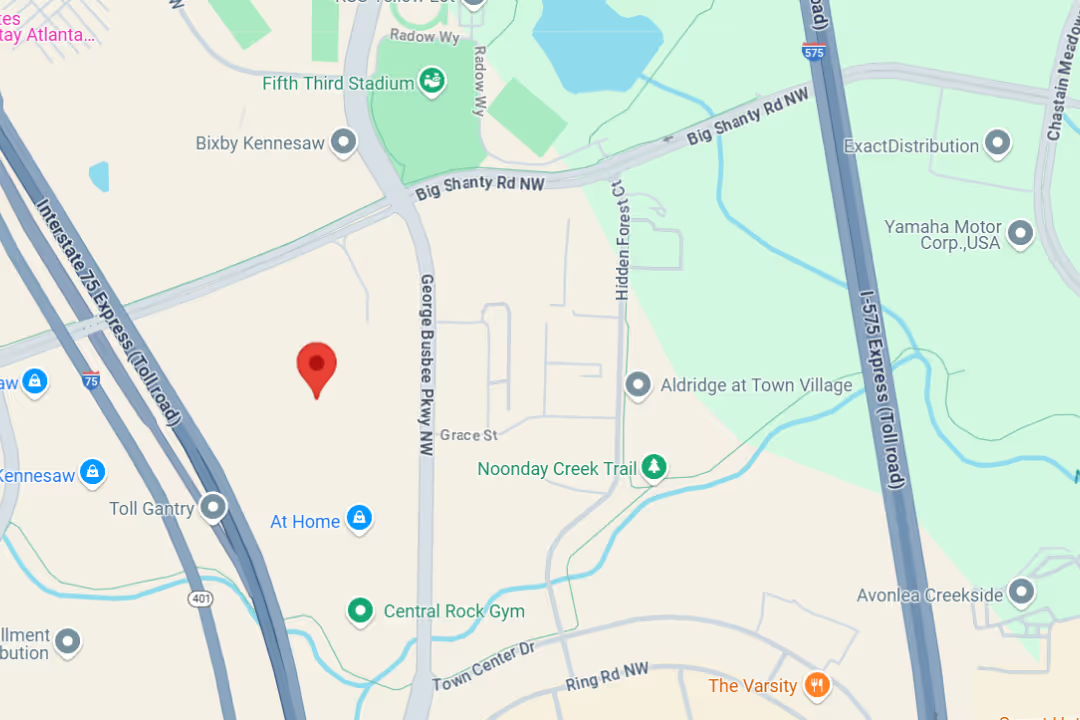
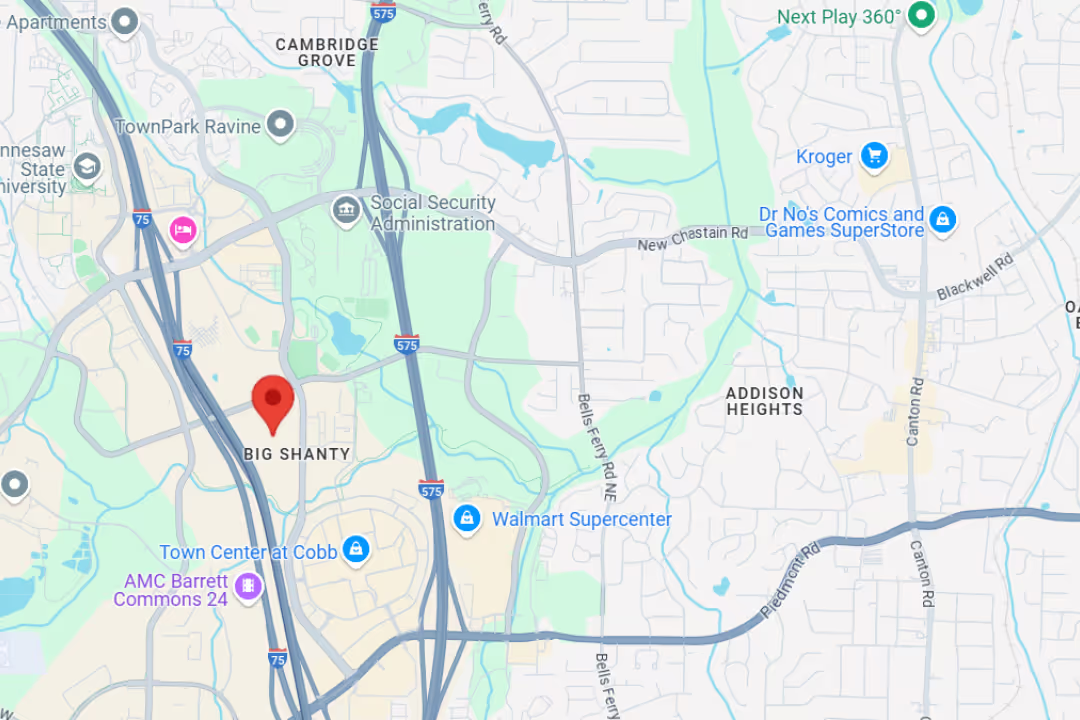
- Kennesaw Clinic
2911 George Busbee Parkway, Suite 50
Kennesaw, GA 30144
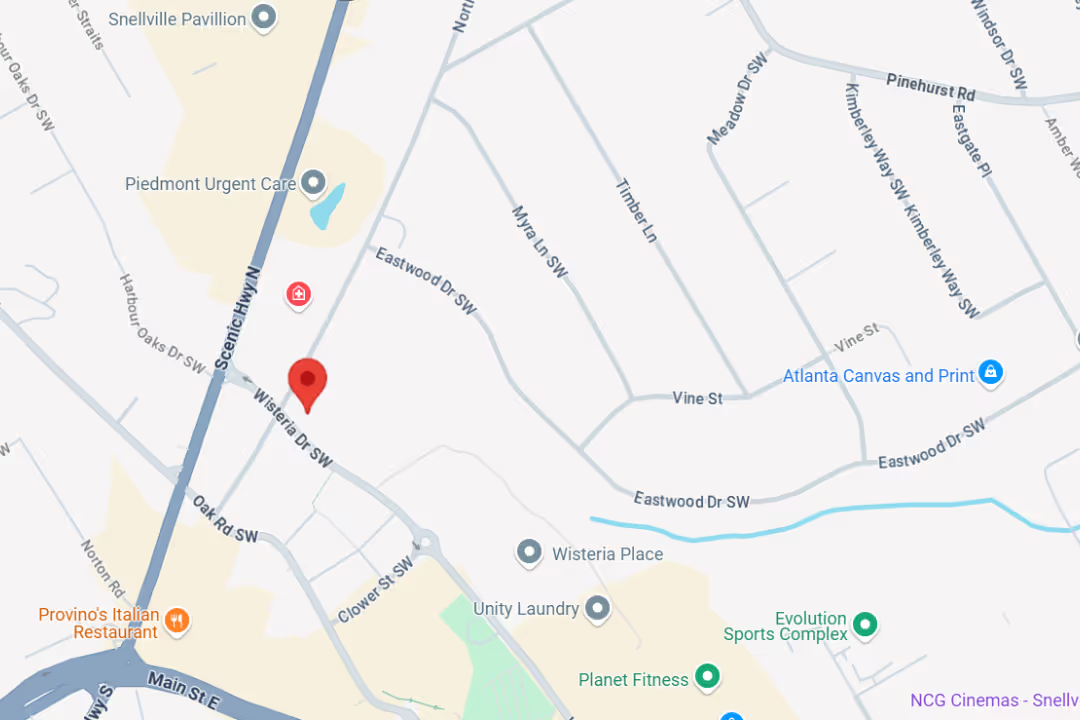
Phone: (770) 545-6404 - Snellville Clinic
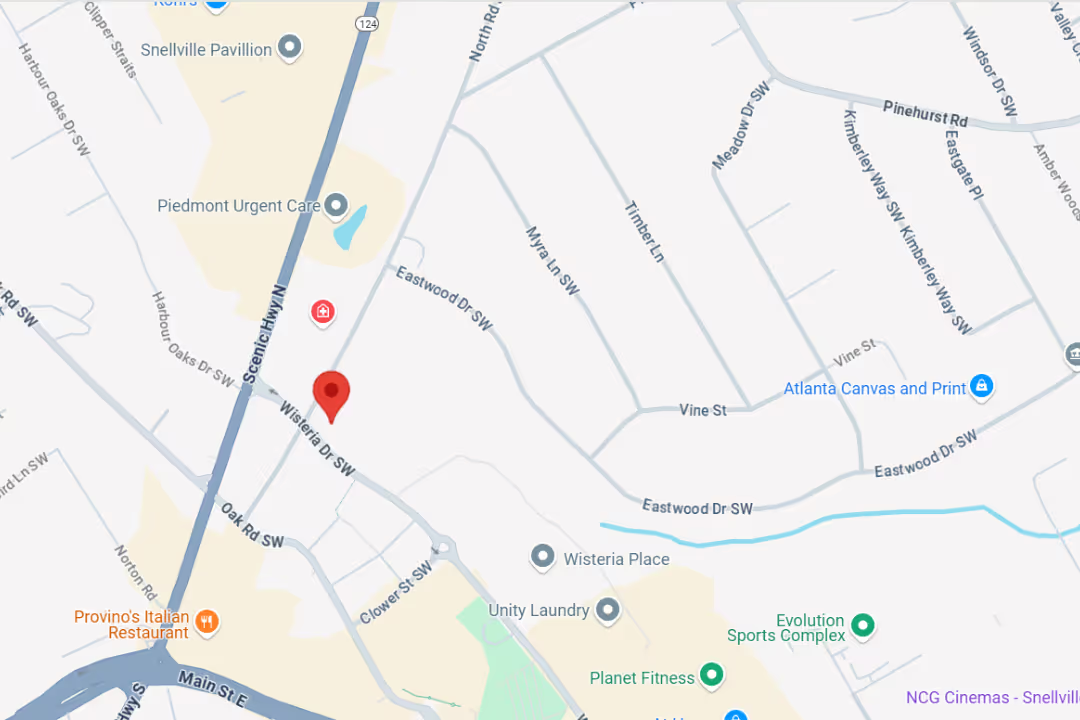
2220 Wisteria Drive, Unit 101
Snellville, GA 30078
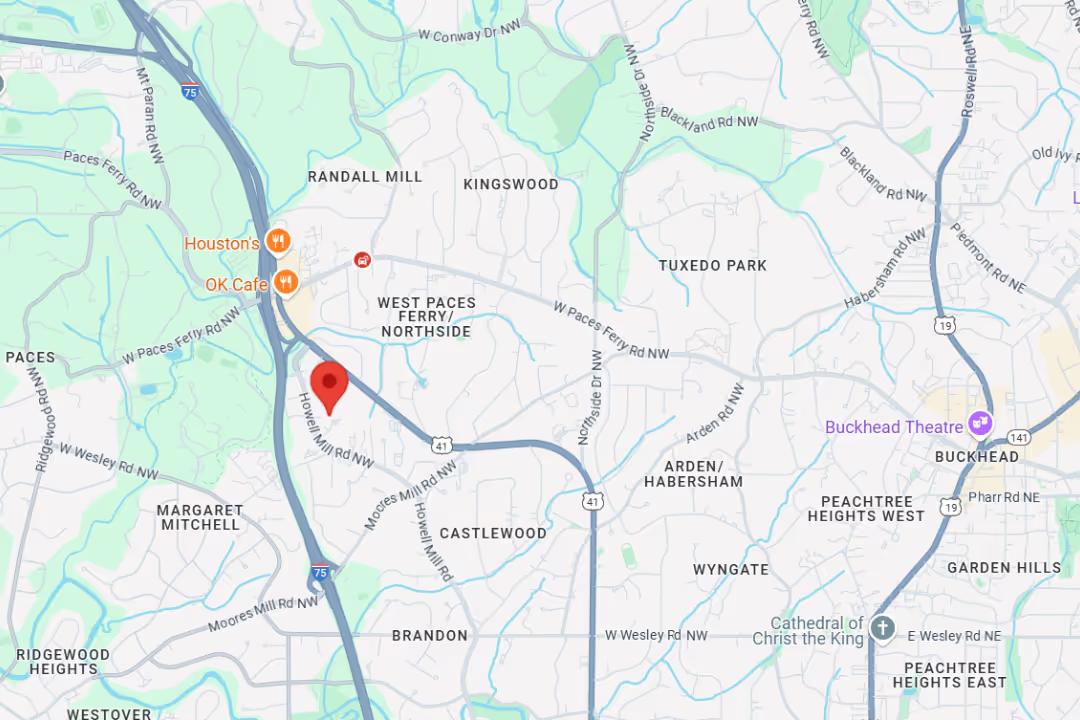
Phone: (470) 645-9297 - Buckhead PM&R Clinic
3200 Downwood Circle, NW, Suite 520
Atlanta, GA 30327
Phone: (770) 872-7549