Back surgery is usually done with a very real hope in mind: less pain, better movement, better sleep, and the ability to get back to life without every step being measured against discomfort. So when pain continues after a laminectomy — or comes back after a period of relief — it can feel frustrating, confusing, and honestly, a little defeating.
Post-laminectomy syndrome refers to ongoing or recurring pain after a laminectomy or other spine surgery. Some people may hear it called “failed back surgery syndrome,” but at Medici Orthopaedics & Spine, we know that term does not tell the whole story. Pain after surgery does not always mean the surgery failed. It often means there are still pain sources that need to be found, understood, and treated with care.
A laminectomy is commonly performed to relieve pressure on the spinal cord or spinal nerves by removing part of the vertebral bone called the lamina. While many patients improve, some continue to have back, neck, arm, or leg pain afterward, and that pain may come from several different causes.
At Medici Orthopaedics & Spine, Dr. Sonny Dosanjh and the Medici team focus on finding the “why” behind persistent pain. Our goal is to help patients move toward relief with the most effective, least invasive, least drug-dependent program medically available today.
Physical therapy is often an important part of treating post-laminectomy syndrome. After surgery and ongoing pain, the body may develop weakness, stiffness, guarding, and poor movement patterns. Physical therapy helps retrain the body in a safe and structured way.
A therapy plan may focus on:
Medication may help some patients manage pain, inflammation, muscle spasms, or nerve symptoms. But medication should be selected carefully, monitored appropriately, and adjusted based on the patient’s condition and goals.
Medication management may include:
After spine surgery, muscles and connective tissue may become tight, guarded, or painful. Some patients develop trigger points, which are tender areas in the muscle that can cause local pain or referred pain into nearby areas.
Soft tissue therapy may help address:
Small daily habits can have a major impact on spine pain. This does not mean pain is the patient’s fault. It means the right adjustments can sometimes reduce unnecessary stress on the spine and help support the treatment plan.
Lifestyle and movement coaching may include guidance on:
An epidural injection places anti-inflammatory medication near the irritated nerve area. The goal is to reduce inflammation, calm nerve irritation, and create a window of relief that may allow patients to move better and participate more effectively in therapy.
Epidural steroid injections may be considered for symptoms such as:
A selective nerve root block targets a specific spinal nerve. This can be useful when symptoms suggest that one particular nerve may be causing pain.
This type of injection may serve two purposes:
Facet joints are small joints in the spine that help control motion. After surgery, or because of arthritis and degeneration, these joints can become painful.
Facet joint pain may feel like:
Medial branch nerves carry pain signals from the facet joints. A medial branch block uses numbing medication near these nerves to help determine whether the facet joints are causing pain.
If a patient receives meaningful temporary relief from a medial branch block, that may suggest the facet joints are involved. This information can help guide next steps.
Radiofrequency ablation, sometimes called RFA, is a minimally invasive procedure that uses heat energy to interrupt pain signals from targeted nerves. It is often considered when facet joint pain has been confirmed through diagnostic blocks.
RFA may be helpful for carefully selected patients with:
The sacroiliac joints connect the lower spine to the pelvis. These joints can become painful after spine surgery, especially when movement patterns, posture, or spinal mechanics change.
SI joint pain may be felt in the:
Trigger points are tight, tender areas in muscle that may cause pain locally or refer pain to another area. Patients with post-laminectomy syndrome may develop trigger points because of muscle guarding, altered movement, stress, or long-term pain.
They may be considered when patients have:
Spinal cord stimulation uses a small implanted device to deliver mild electrical impulses near the spinal cord. These impulses help change how pain signals are processed before they reach the brain.
This treatment may be considered for patients with:
A spinal cord stimulation trial allows the patient and care team to see whether the therapy provides meaningful relief before committing to a permanent device.
During the trial, temporary leads are placed and connected to an external stimulator. The patient then tests the therapy for a short period while doing normal daily activities.
The trial helps answer practical questions:
Some patients with post-laminectomy pain may also have pain from joints, ligaments, tendons, or soft tissue structures. In select cases, regenerative medicine or prolotherapy may be discussed as part of a broader treatment plan.
Potential treatment targets may include:
Pain after a laminectomy can feel deeply discouraging, especially when you expected surgery to help you get your life back. When pain continues, it is common to feel frustrated, confused, or unsure where to turn next. But ongoing pain does not mean you are out of options.
Post-laminectomy syndrome is often complex because pain can come from several places at once. Nerves, joints, muscles, scar tissue, inflammation, spinal mechanics, and chronic pain signaling may all play a role. That is why the right evaluation matters so much. A thoughtful diagnosis can open the door to treatments that may have been overlooked before.
If you are still living with back, neck, arm, or leg pain after a laminectomy or another spine surgery, you do not have to keep guessing your way through it. Medici Orthopaedics & Spine is here to help you understand what may be causing your pain and what treatment options may be available.
Our team focuses on minimally invasive, non-addictive, and least drug-dependent approaches whenever medically appropriate. We take time to listen, evaluate, and build a plan around your specific pain pattern, goals, and quality of life.
Call +1-844-328-4624 or visit https://www.mediciortho.com/ to schedule an appointment.
Ambulatory Surgery Centers
Marietta
792 Church Street
Unit 101
Marietta, GA 30060
(470) 795-8398
Snellville
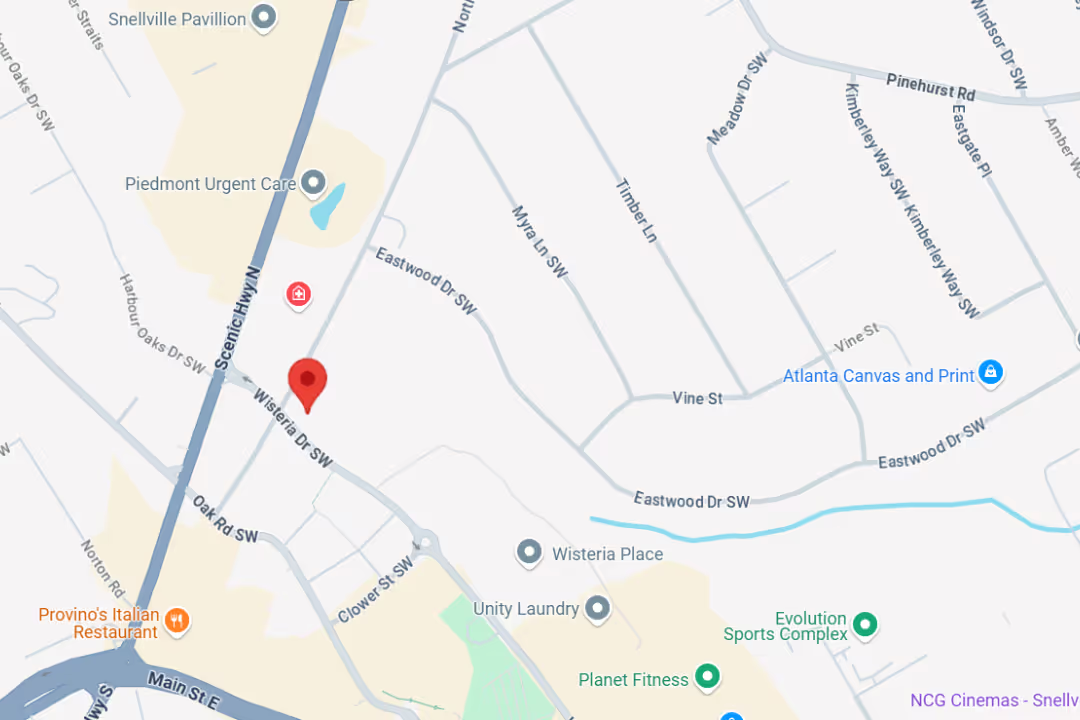
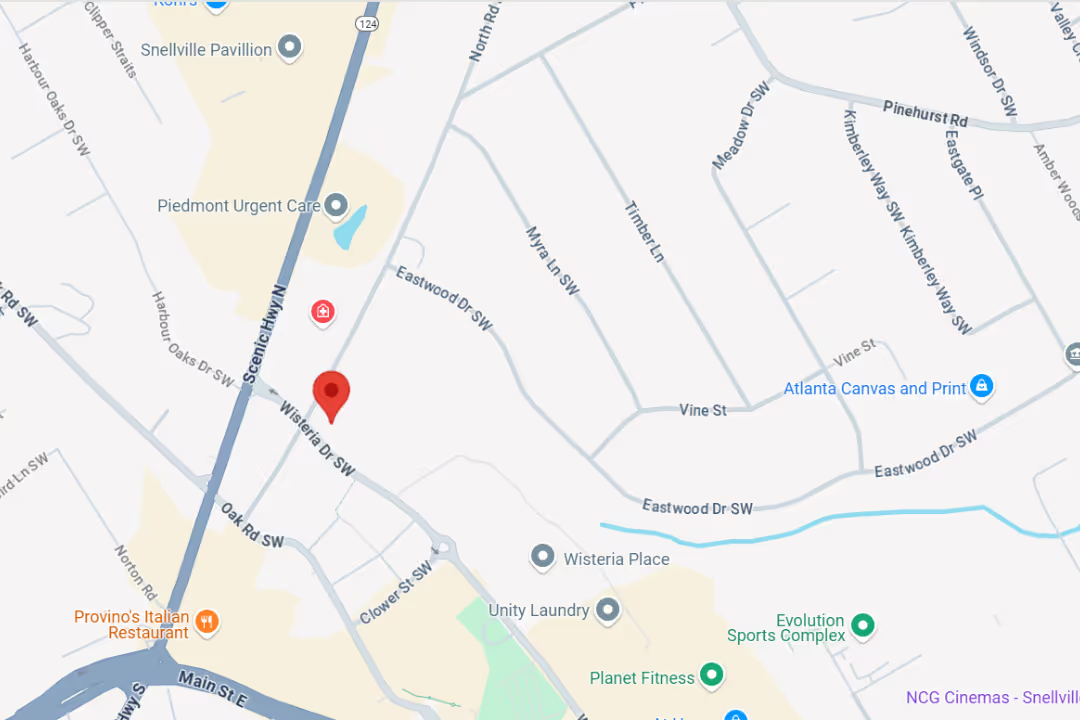
2220 Wisteria Dr
Unit 100
Snellville, GA 30078
(470) 795-8398
Clinics
Kennesaw
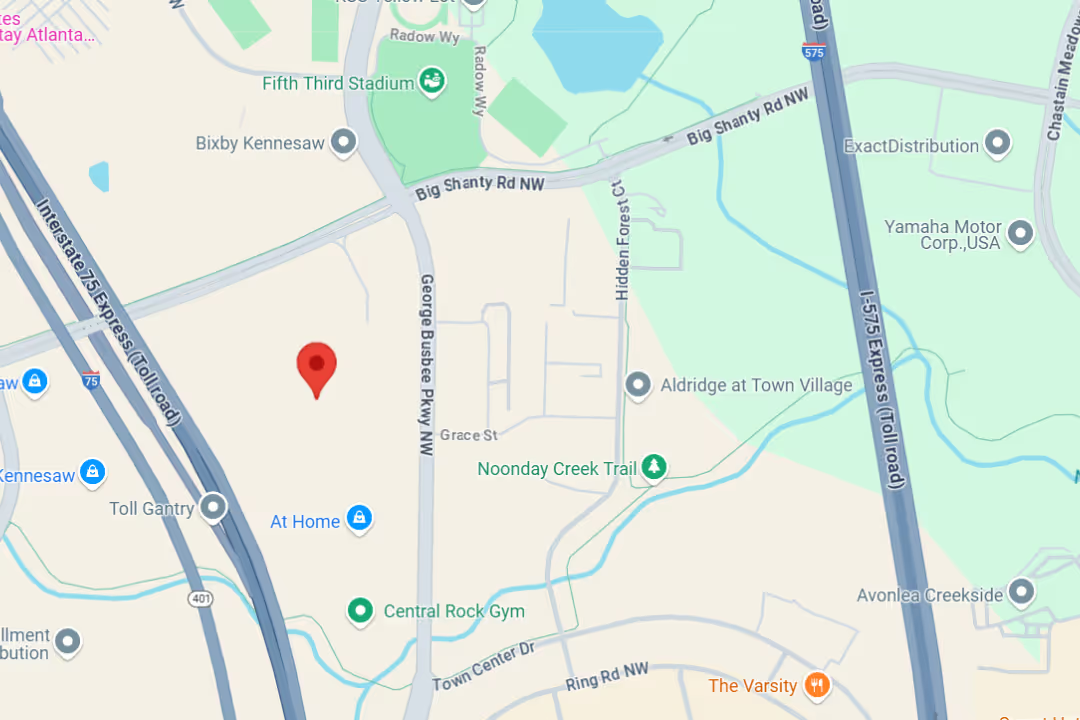
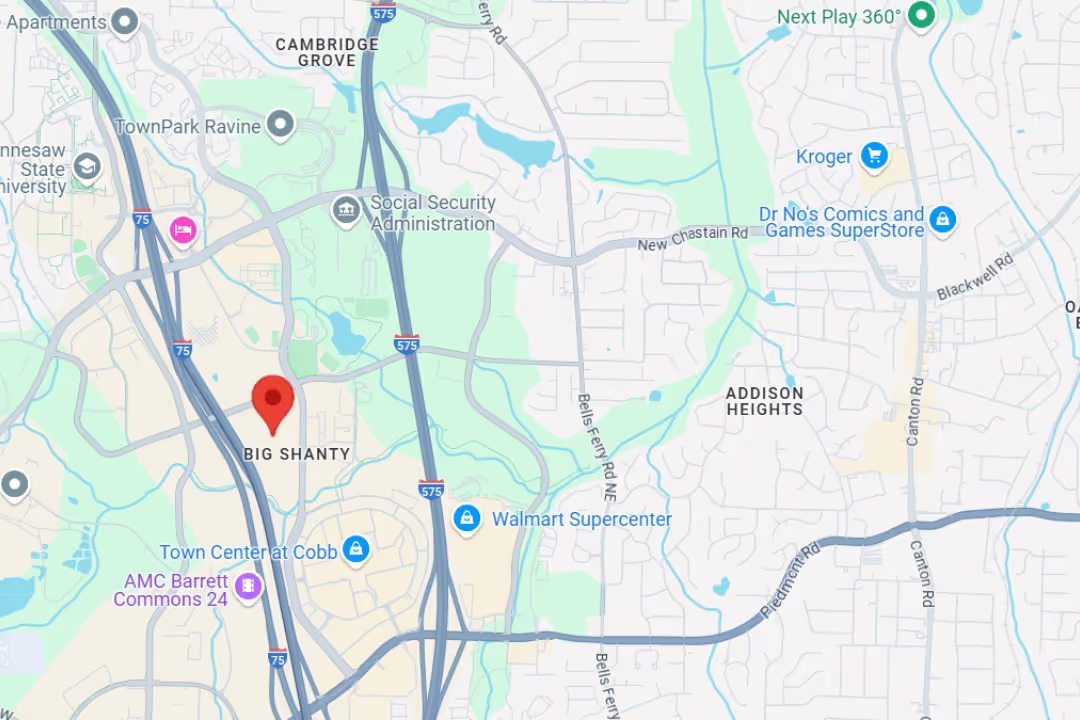
2911 George Busbee Parkway
Suite 50
Kennesaw, GA 30144
(770) 545-6404
Snellville
2220 Wisteria Drive
Unit 101
Snellville, GA 30078
(470) 645-9297
Buckhead PM&R
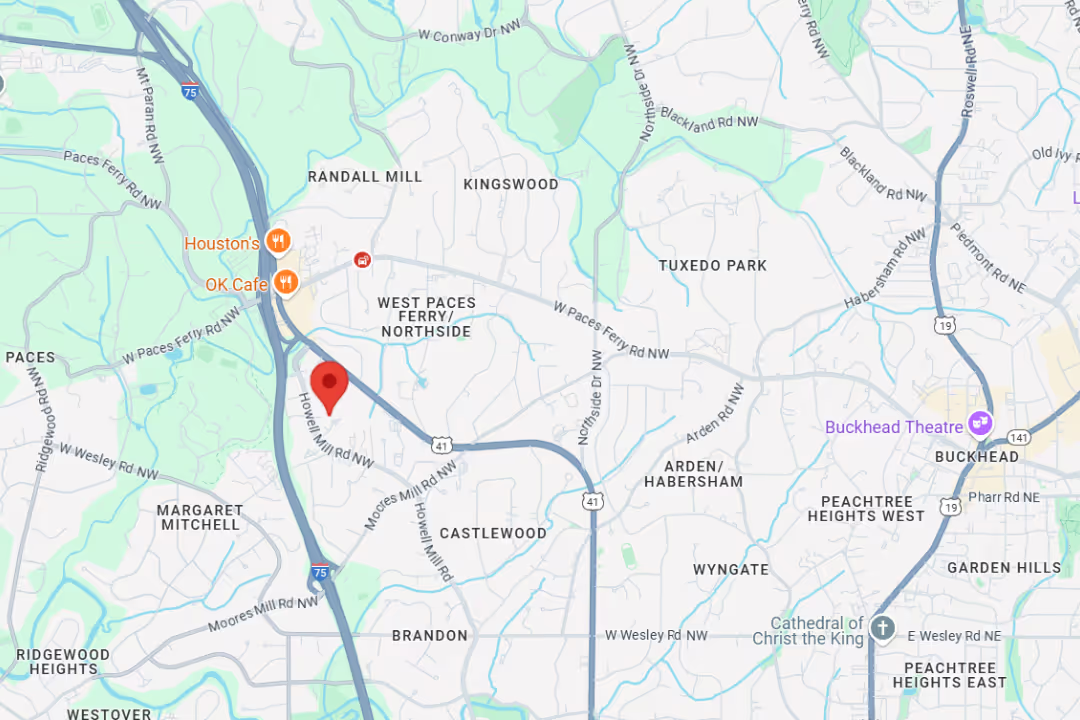
3200 Downwood Circle NW
Suite 520
Atlanta, GA 30327
(770) 872-7549
At Medici, you’re more than your MRI.
We take time to hear your story, understand your pain, and create a plan that actually works for you.

Our team delivers specialist care at convenient locations across Metro Atlanta:
Get expert tips on injury recovery, pain relief, joint health, and movement strategies—straight from our Fellowship-Trained team.