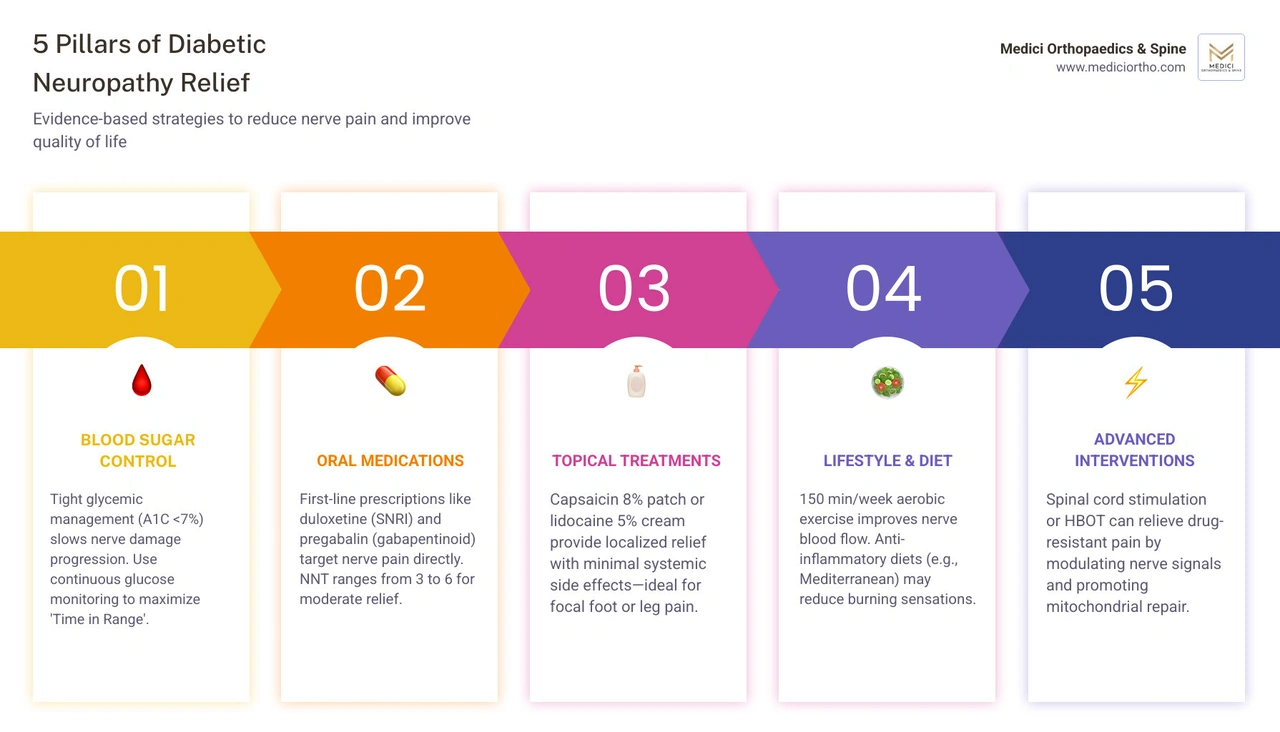
Finding the best pain relief for diabetic neuropathy starts with understanding that there is no single cure — but there are proven treatments that significantly reduce pain and improve your quality of life.
Quick answer: The most effective pain relief options for diabetic neuropathy include:
Up to 50% of people with diabetes develop neuropathy, and as many as 1 in 5 experience painful symptoms — yet nearly 39% of those cases go completely untreated. That is a staggering gap between how common this condition is and how often people actually get help.
The burning, tingling, and stabbing sensations of diabetic nerve pain are not caused by inflammation the way a sore muscle is. They are caused by nerve damage itself — which is why standard over-the-counter pain relievers like ibuprofen or acetaminophen rarely work. Effective treatment requires a different approach, and often a combination of strategies.
I'm Dr. Sonny Dosanjh, M.D., board-certified in Physical Medicine & Rehabilitation and fellowship-trained in Multidisciplinary Pain Management at Emory University, with extensive clinical experience helping patients find the best pain relief for diabetic neuropathy through non-opioid, minimally invasive, and personalized treatment plans. In this guide, I'll walk you through every evidence-backed option — from first-line medications and topical treatments to advanced therapies like spinal cord stimulation and hyperbaric oxygen therapy — so you can work with your care team to find what works best for you.
To understand how to stop the pain, we first have to look at what is happening inside your nervous system. Diabetic neuropathy is a type of nerve damage that occurs when chronically high blood sugar levels injure nerve fibers throughout your body.
Most commonly, it targets the peripheral nerves—the ones that send signals from your brain and spinal cord to your limbs, hands, and feet. This is why symptoms typically present in a symmetrical, distal-to-proximal pattern known as the "stocking-glove" pattern. The damage starts at the very tips of your longest nerve axons (your toes and feet) and gradually works its way up your legs, and eventually your hands, as the nerves struggle to survive.
According to comprehensive Scientific research on diabetic peripheral neuropathy, between 16% and 34% of people living with diabetes experience painful symptoms. The pain itself can be highly unpredictable. Some of our patients describe it as a constant, icy-hot burning, while others feel sharp, electric-shock sensations, or a hyper-sensitivity where even the light touch of a bedsheet feels excruciating.
To learn more about the different ways this condition manifests, you can explore More info about diabetic neuropathy.
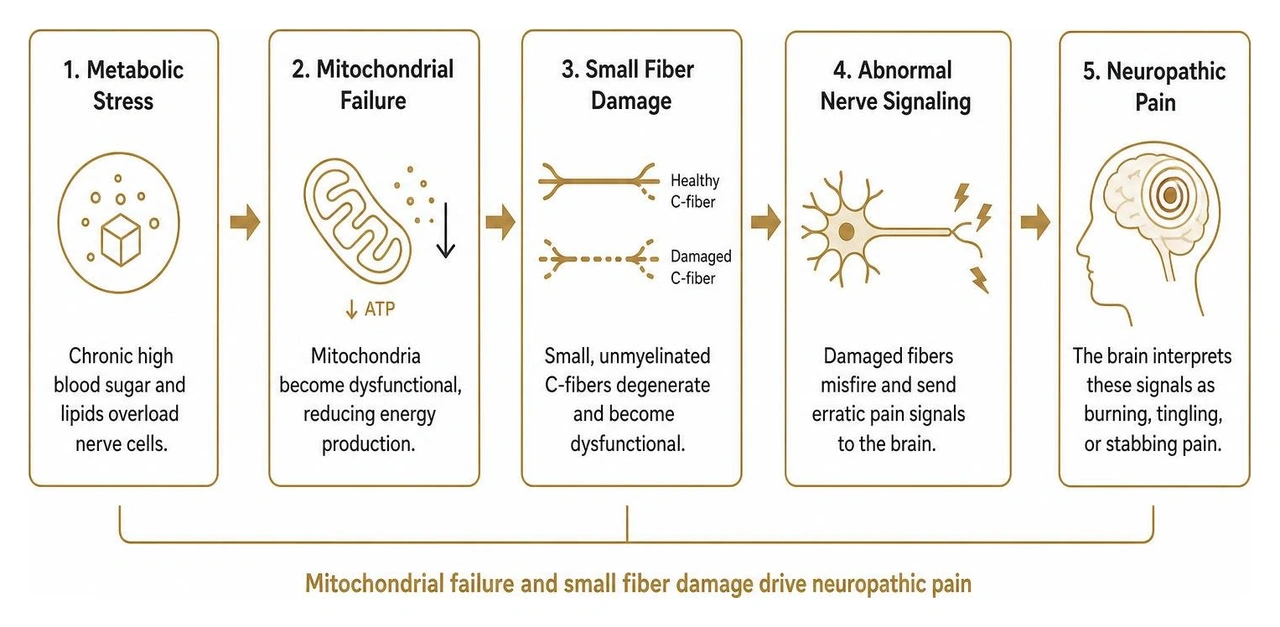
At the microscopic level, your nerves are suffering from energy starvation. The peripheral nervous system's sensory neurons lie outside the protective blood-brain barrier, leaving them highly vulnerable to metabolic fluctuations.
Our understanding of diabetic nerve pain has shifted from a simple "high blood sugar" model to a "whole-nerve bioenergetics" model. When your body is flooded with excess glucose and lipids, it causes mitochondrial dysfunction within the nerve cells. Your mitochondria—the powerhouses of your cells—experience bioenergetic failure.
Small, unmyelinated C-fibers are the first to suffer. Because they lack a protective myelin sheath and the metabolic support of Schwann cells, they are incredibly fragile. When these small fibers fail, they begin to misfire, sending erratic pain signals to your brain even when no physical threat is present.
This cellular stress is worsened by metabolic syndrome components like obesity, high triglycerides, and hypertension, which restrict blood flow to the nerves. For a deeper look into how these clinical assessments are made, consult the Scientific research on neuropathy diagnosis.
While the nerve damage itself looks similar under a microscope, how neuropathy develops and progresses differs significantly between Type 1 and Type 2 diabetes:
For Type 2 patients, we must take a comprehensive metabolic approach, managing cardiovascular risk factors alongside blood glucose to protect the nerves. If you are experiencing sudden sensations in your extremities, read More info about what causes tingling and numbness.
When patients visit our Metro Atlanta clinics seeking relief, we often start by evaluating their current medication regimen. Because standard anti-inflammatories like ibuprofen fail to target the damaged nerve pathways, we utilize specific classes of medications that alter how your brain and spinal cord process pain signals.

According to the American Academy of Neurology's Scientific research on oral and topical treatments, the first-line oral options include serotonin-norepinephrine reuptake inhibitors (SNRIs), anti-seizure medications (gabapentinoids), and tricyclic antidepressants (TCAs).
Our goal with these medications is not necessarily complete pain elimination—which is rarely achievable with pills alone—but a realistic 30% to 50% reduction in pain so you can sleep, walk, and enjoy your daily life. To understand our philosophy on avoiding highly addictive drugs, read More info about non-opioid pain relief.
It can be surprising to hear your doctor prescribe an antidepressant or an epilepsy drug for foot pain. However, these medications are highly effective at calming hyperactive, damaged nerves.
To compare their clinical effectiveness, researchers use a metric called Number Needed to Treat (NNT). The NNT tells us how many patients must take a drug for one person to experience at least 50% pain relief. A lower NNT means the treatment is more consistently effective across a population.
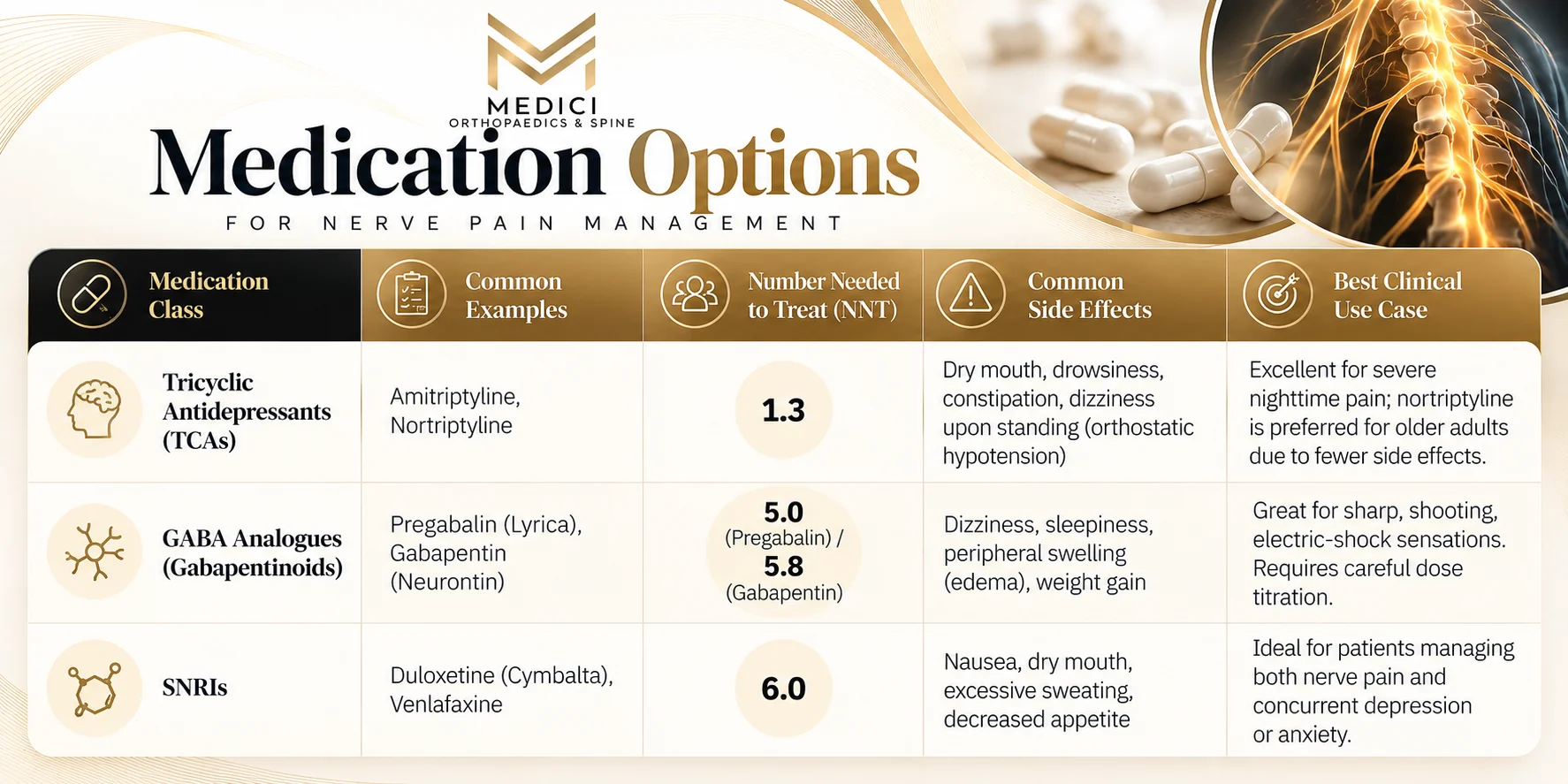
Note: While Amitriptyline has an incredibly low NNT of 1.3, its high side-effect burden means we must prescribe it with caution, especially in elderly patients. For a detailed breakdown of these clinical trials, see the Scientific research on treating painful diabetic neuropathy.
Many patients fail to get relief from these drugs because they are kept on sub-therapeutic starting doses. We work closely with our patients to slowly and safely titrate medications (for example, scaling gabapentin from a starting dose up to an effective daily dose of 1,200 mg to 3,600 mg) to find the perfect balance between pain relief and minimal side effects.
If you prefer to avoid systemic oral medications or are dealing with localized pain, topical treatments are an excellent alternative. These creams and patches are applied directly to the painful areas, minimizing side effects throughout the rest of your body.
For local recommendations, check out More info about top-rated foot creams and More info about the best foot cream for diabetic neuropathy.
When oral medications fail to provide adequate relief, or when the side effects become too difficult to manage, you do not have to simply live with the pain. At Medici Orthopedics & Spine, we specialize in advanced, minimally invasive interventional treatments designed to target nerve pain at its source.

According to the Mayo Clinic's Scientific research on diabetic neuropathy treatment, incorporating advanced device therapies and alternative medicine can successfully bridge the gap when medications fall short. For an overview of what we offer, explore More info about spinal cord stimulation options.
For patients with severe, drug-resistant painful diabetic neuropathy, Spinal Cord Stimulation (SCS) has revolutionized pain management. This FDA-approved, drug-free technology uses a small, implantable device (similar to a pacemaker) that sends mild, imperceptible electrical impulses to the spinal cord. These impulses interrupt and block pain signals before they can reach your brain.
We utilize advanced high-frequency SCS technologies (such as Medtronic and Senza systems). In clinical trials:
The best part about SCS is that we can perform a temporary, non-surgical "trial" first. We place temporary leads under the skin for a few days so you can test the device during your daily routine at home. If your pain is reduced by 50% or more, we can proceed with the permanent, minimally invasive implant. To learn more, read More info about electric stimulation therapy.
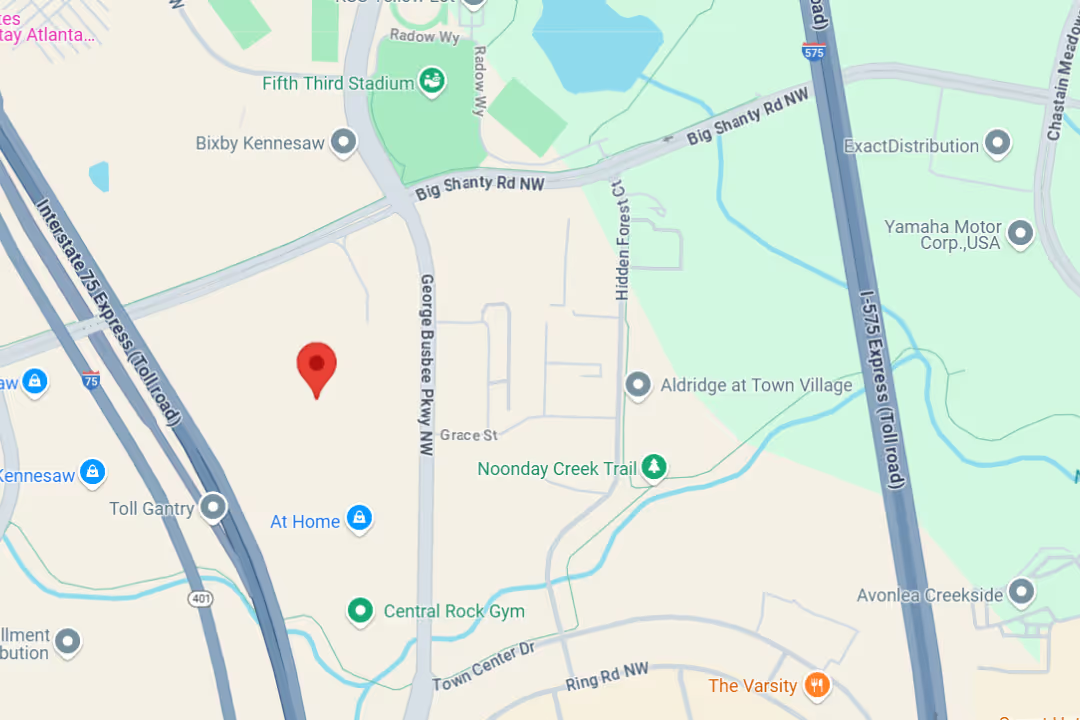
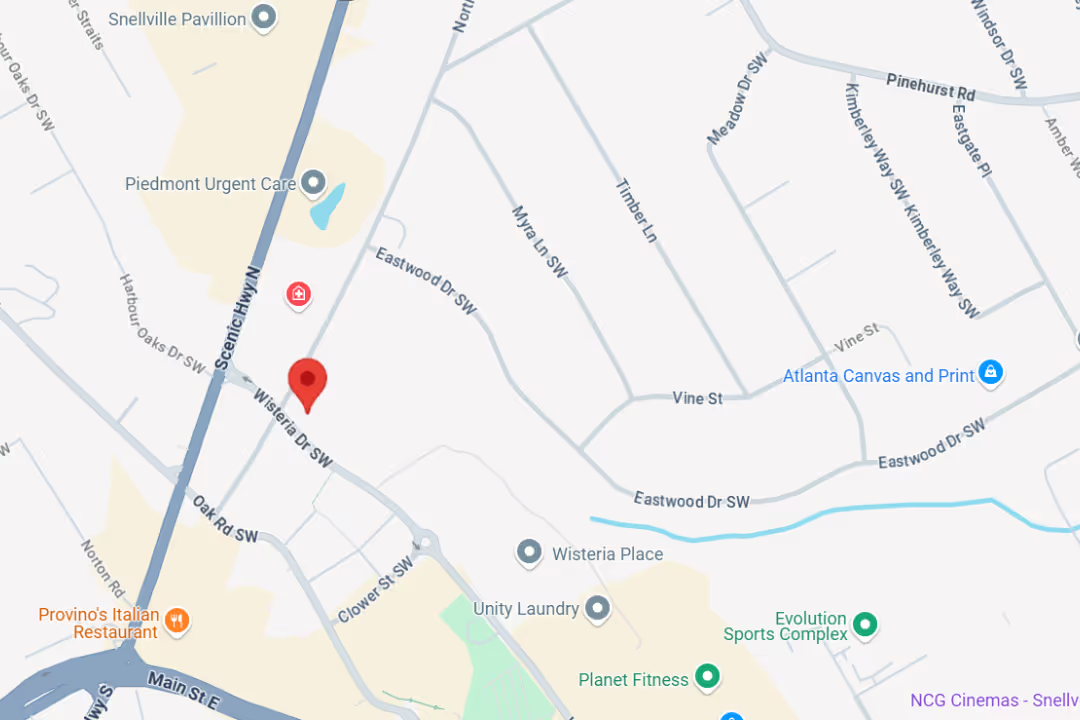
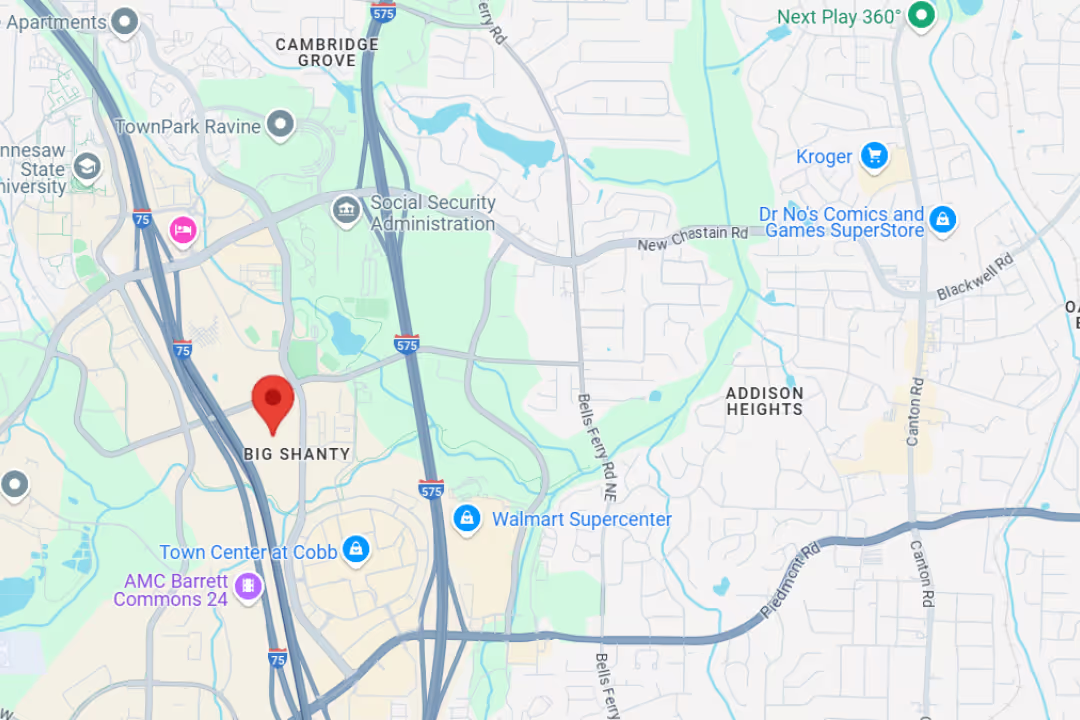
At our Kennesaw and Snellville locations, we find that combining interventional treatments with regenerative modalities yields the best results. Two of our primary non-surgical focuses include:
Discover how these therapies work by reading More info about HBOT for neuropathy and More info about laser therapy for neuropathy.
While we offer advanced medical treatments, the foundation of any successful neuropathy plan rests on your daily habits.
For natural circulation tips, read More info about natural ways to improve circulation.
For quick, temporary relief at home—especially when trying to relax or wind down for bed—several simple strategies can help soothe irritated nerves:
For more practical tips, check out More info about at-home remedies for nerve pain.
The medical community is actively developing new, non-opioid options to treat diabetic nerve pain. One of the most anticipated pipeline medications is Pilavapadin (LX9211).
Pilavapadin is an investigational, oral, non-opioid AAK1 (adaptor-associated kinase 1) inhibitor. In a Phase 2b clinical trial, patients taking a 10mg daily dose experienced a rapid, two-point reduction in their average daily pain scores by week 11. Because it targets a completely different pathway than current medications, it represents a promising future option for patients who cannot tolerate gabapentinoids or SNRIs.
To read more about the clinical pipeline, see this Scientific research on treating painful DPN.
Because diabetic neuropathy is a complex, multi-system condition, there is no single "magic bullet" treatment. The most effective approach is always a personalized, combined treatment plan.
We find that our therapies work synergistically—meaning they work better together than alone. For most patients, the best relief comes from combining tight metabolic/blood sugar control with a first-line medication (like pregabalin or duloxetine), physical therapy to improve balance and circulation, and advanced interventional options like spinal cord stimulation or hyperbaric oxygen therapy if the pain is severe. To learn more, read More info about the best treatment for diabetic neuropathy.
Historically, diabetic neuropathy was considered entirely irreversible. However, modern regenerative medicine and intensive metabolic therapies have shown that early-stage nerve damage can heal.
While severely dead nerve fibers cannot be brought back, damaged nerves that are still functioning can regenerate when the underlying metabolic stress is removed. Achieving tight glycemic control, utilizing hyperbaric oxygen to restore tissue oxygenation, and exploring regenerative therapies can stimulate the body's natural healing mechanisms. To explore these options, read More info about regenerative medicine for nerve damage.
Neuropathic pain often intensifies at night because there are fewer distractions to occupy your brain, and your body's natural cortisol levels drop, increasing pain sensitivity. To quiet the burn before bed:
For detailed strategies, read More info about how to stop burning sensation in feet at night.
Living with diabetic nerve pain can feel exhausting, but you do not have to navigate this journey alone. The key to finding the best pain relief for diabetic neuropathy is moving away from a one-size-fits-all approach and building a personalized, multidisciplinary care plan.
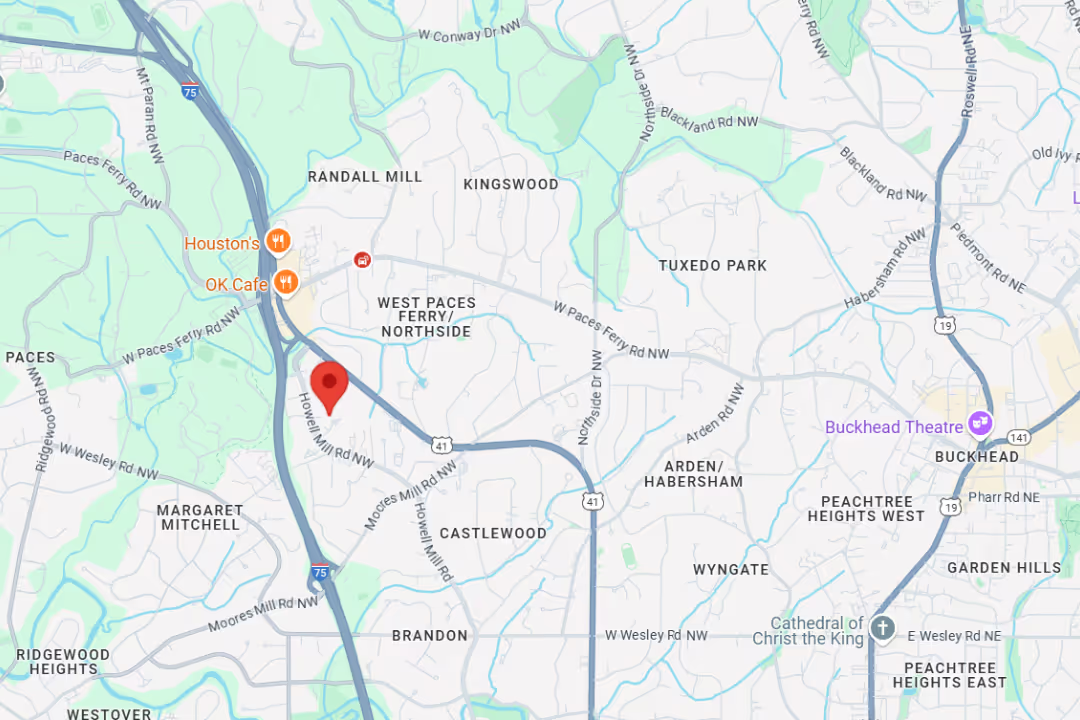
At Medici Orthopedics & Spine, Dr. Sonny Dosanjh and our dedicated team are committed to optimally restoring your quality of life using the most effective, least invasive, and least drug-dependent treatments available. Whether you live in Marietta, Kennesaw, Snellville, Buckhead, or anywhere across Metro Atlanta, we are here to help you take control of your health and find lasting relief.
Schedule a consultation for diabetic neuropathy relief with our team today to begin your personalized path to recovery.
At Medici, you’re more than your MRI.
We take time to hear your story, understand your pain, and create a plan that actually works for you.

Our team delivers specialist care at convenient locations across Metro Atlanta:
Get expert tips on injury recovery, pain relief, joint health, and movement strategies—straight from our Fellowship-Trained team.