You notice it most at the end of a long day on your feet. A burning, tingling feeling runs along the inside of your ankle and into the sole of your foot. Sometimes it feels numb, like walking on a bunched-up sock. Rest helps for a while, but the feeling keeps coming back, and you are starting to wonder if it is more than tired feet.
At Medici Orthopaedics & Spine, we help patients across metro Atlanta sort out foot and ankle nerve pain and find a care plan that fits their life. This guide explains what tarsal tunnel syndrome is, how it differs from plantar fasciitis and neuropathy, how it is diagnosed, and which treatment options are commonly discussed.
Tarsal tunnel syndrome happens when the tibial nerve is squeezed. This nerve gives feeling and movement to parts of the foot. It enters the foot through a narrow space on the inner side of the ankle, called the tarsal tunnel. According to MedlinePlus from the National Library of Medicine, pressure on this nerve can cause pain, numbness, tingling, or weakness, mainly in the bottom of the foot.
It is often compared to carpal tunnel syndrome in the wrist, because both involve a nerve squeezed in a tight space. Tarsal tunnel syndrome is much less common.
MedlinePlus lists several possible causes:
In some cases, no clear cause is found.
People with tarsal tunnel syndrome may notice:
The StatPearls review on NCBI notes that symptoms often improve with rest and may disturb sleep. Muscle weakness tends to be a late sign.
MedlinePlus advises contacting a provider if you have symptoms of tarsal tunnel syndrome, because early diagnosis and treatment increase the chance that symptoms can be controlled. Left untreated, it may lead to loss of feeling, loss of toe movement, or foot deformity.
Our FAQ on when to see an orthopedic surgeon for foot or ankle pain lists more warning signs.
Both conditions can cause pain under the foot, so they are easy to mix up. Mayo Clinic explains that plantar fasciitis usually causes a sharp, stabbing heel pain that is often worst with the first steps in the morning. Tarsal tunnel syndrome is a nerve problem, so it more often feels like burning, tingling, or numbness. The two can also happen together.
Neuropathy can also cause burning and numbness in the feet. According to the National Institute of Diabetes and Digestive and Kidney Diseases, peripheral neuropathy from diabetes usually affects the feet and legs and most often causes symptoms on both sides of the body. Tarsal tunnel symptoms tend to follow the path of one nerve at the inner ankle. Our guide to bottom-of-foot tingling walks through more causes.
| Feature | Tarsal Tunnel Syndrome | Plantar Fasciitis | Peripheral Neuropathy |
|---|---|---|---|
| What is involved | Tibial nerve squeezed at the inner ankle | Irritated band of tissue under the foot | Nerve damage, often linked to diabetes |
| Typical feeling | Burning, tingling, numbness in the sole | Sharp, stabbing heel pain | Burning, tingling, numbness, pain |
| Common pattern | Often one foot, along the nerve path | Worst with first steps in the morning | Most often both sides of the body |
Your provider will ask about your symptoms and examine your foot and ankle. They may check feeling on the bottom of the foot and toe strength. The StatPearls review describes the Tinel test, where the provider gently taps over the tarsal tunnel. Tingling along the nerve can be a clue, but a negative test does not rule the condition out.
MedlinePlus notes that electromyography (EMG) and nerve conduction tests may be used to check how the nerve and muscles are working. X-ray, ultrasound, or MRI can look for a cyst, bone spur, or other cause of pressure. Blood tests may check for conditions that can affect nerves.
Treatment depends on the cause. MedlinePlus says the first steps are usually resting, putting ice on the ankle, and avoiding activities that cause symptoms. Over-the-counter anti-inflammatory medicine may ease pain and swelling. Ask your provider which medicine is safe for you.
If a foot shape problem such as flat feet is adding pressure, custom orthotics or a brace may help. Supportive shoes can also take strain off the inner ankle.
Physical therapy may help strengthen the foot muscles and improve flexibility. A therapist can also look at how you walk and stand, since these habits can affect pressure on the nerve.
MedlinePlus notes that a steroid injection into the tarsal tunnel area may be tried. Your provider may talk with you about tunnel injections as part of a wider plan, especially if symptoms have not settled with other care. Your provider will explain the possible benefits, limits, and risks for you.
When conservative care does not help, or when a cyst or other growth is pressing on the nerve, surgery to release pressure on the tibial nerve may be considered. MedlinePlus explains that a full recovery is possible when the cause is found and treated, but some people may have lasting changes in feeling or movement.
Your visit usually starts with a talk about when your symptoms began, what makes them worse, and any past injuries or health conditions. Your provider will examine your foot, ankle, and walking pattern, and decide whether nerve tests or imaging are needed. Since ankle and foot pain has many causes, the goal is to find the real source first.
Burning and tingling in the foot can make every step feel harder than it should. The good news is that there is a clear path. It starts with finding where the nerve is being squeezed, then trying simple, conservative care, and only moving to procedures when they make sense for you. Our page on ankle and foot pain help in Georgia explains more of our non-surgical approach.
If burning, tingling, or numbness in your foot is not going away, our team can help you understand what is going on. We will review your symptoms, examine your foot and ankle, and walk you through your tarsal tunnel syndrome care options in plain language.
Schedule an evaluation with our team in Kennesaw, Snellville, Marietta, or Buckhead and leave with a clear next step.
Ambulatory Surgery Centers
Marietta: 792 Church Street, Unit 101, Marietta, GA 30060 | (470) 795-8398
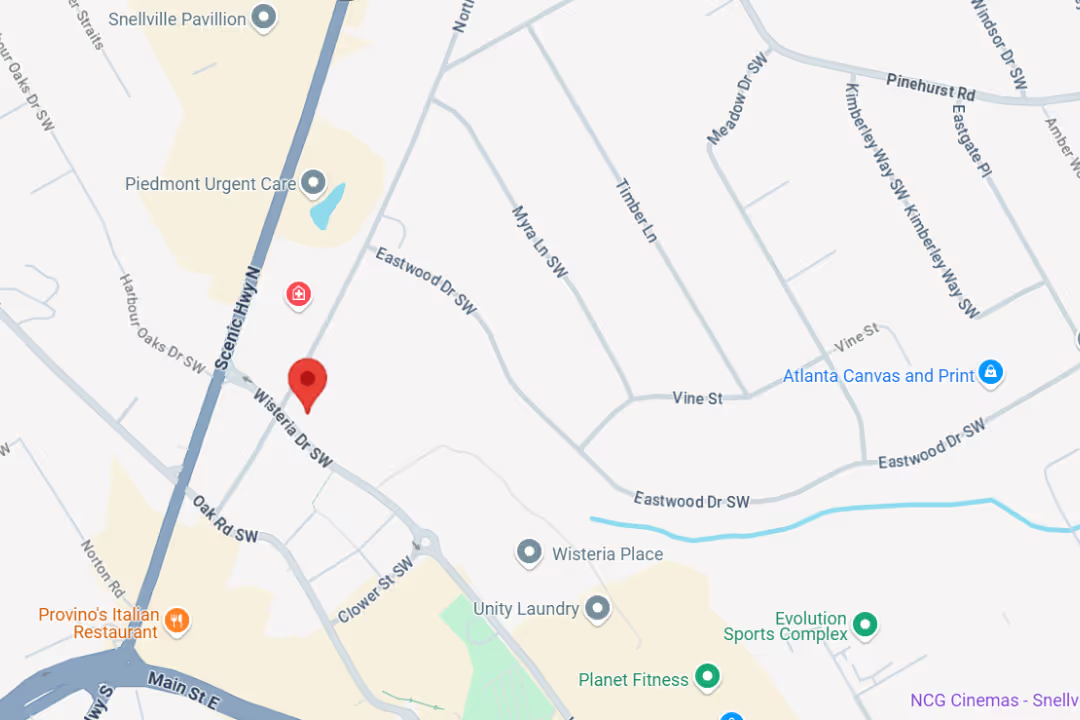
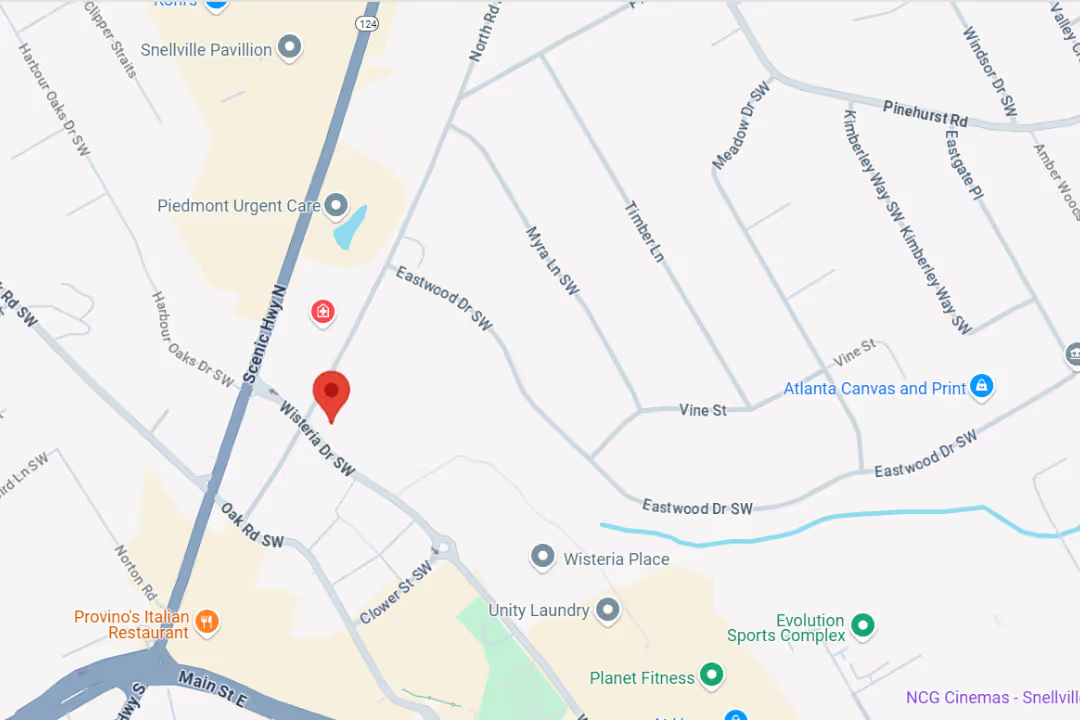
Snellville: 2220 Wisteria Dr, Unit 100, Snellville, GA 30078 | (470) 795-8398
Clinics
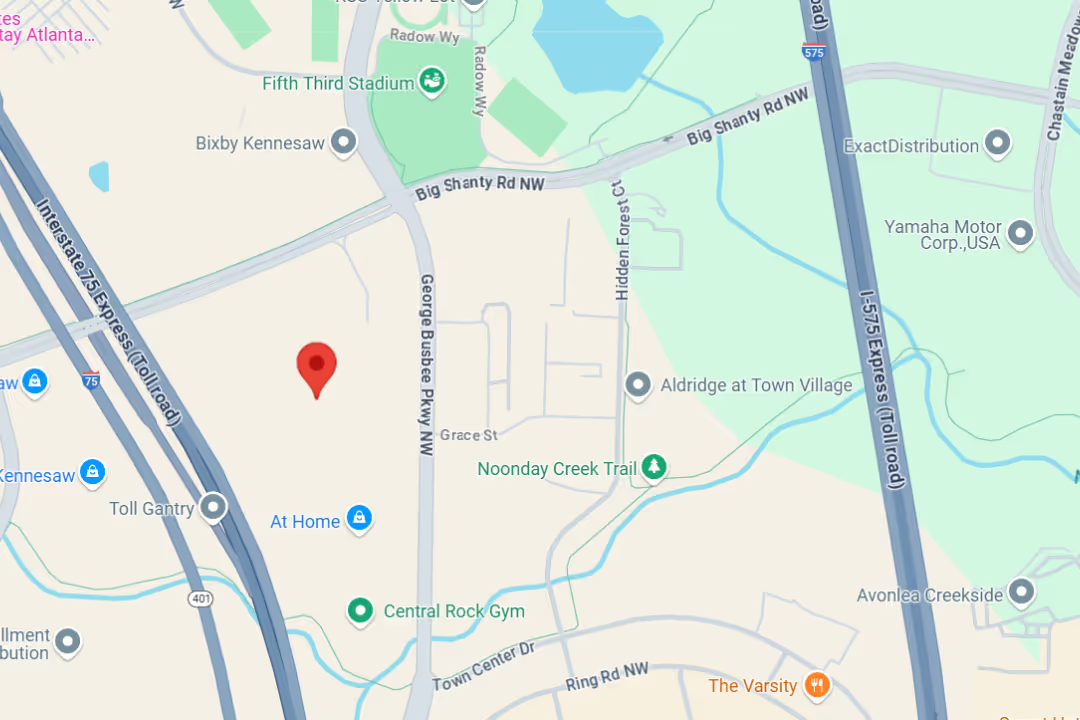
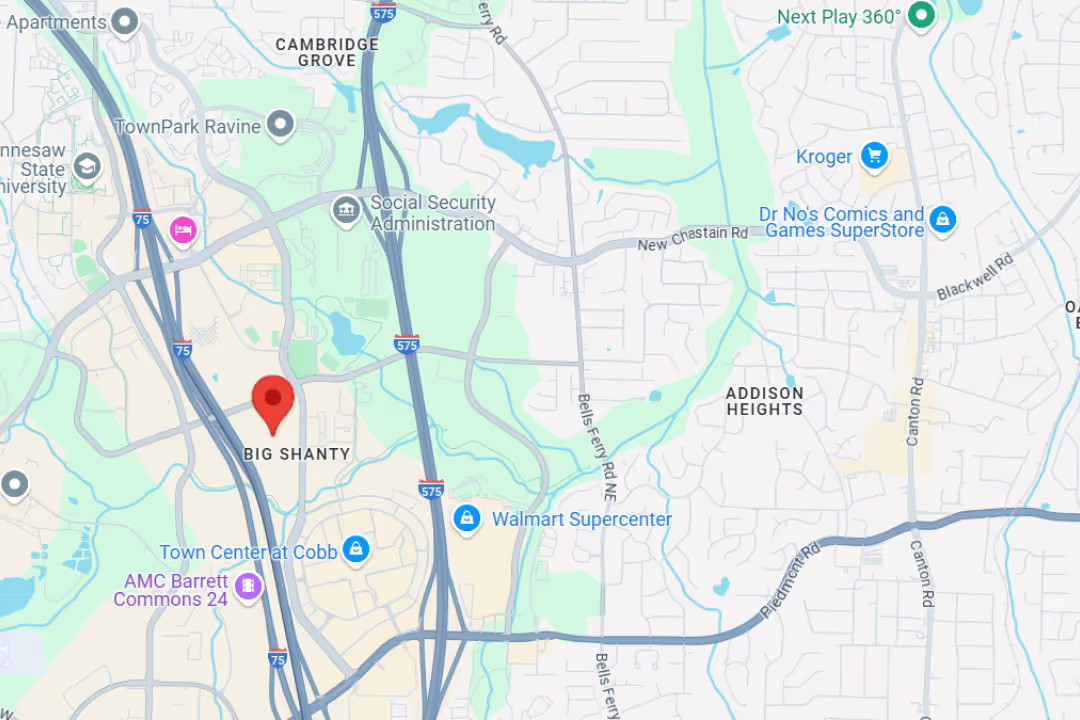
Kennesaw: 2911 George Busbee Parkway, Suite 50, Kennesaw, GA 30144 | (770) 545-6404
Snellville: 2220 Wisteria Drive, Unit 101, Snellville, GA 30078 | (470) 645-9297
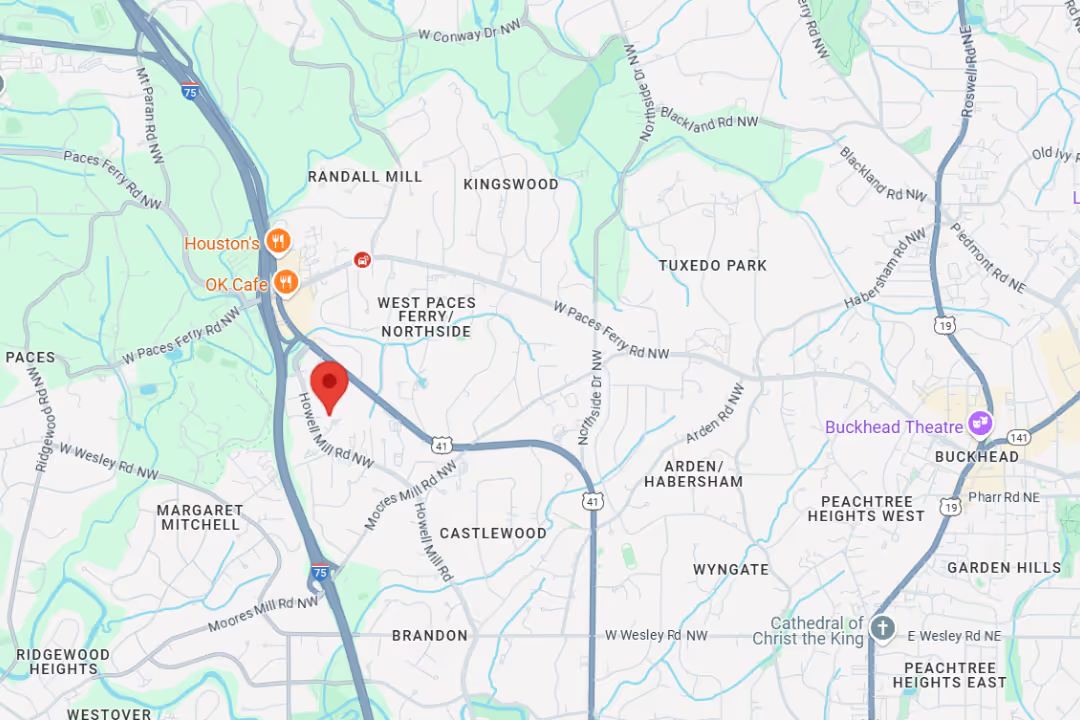
Buckhead PM&R: 3200 Downwood Circle NW, Suite 520, Atlanta, GA 30327 | (770) 872-7549
📞 +1-844-328-4624 🌐 mediciortho.com
Follow Us
Facebook: facebook.com/MediciOrthopaedicsandSpine
Instagram: @mediciorthoandspine
YouTube: youtube.com/channel/UCJOOMMEtNnvI7-tKln3Umyw
This content is for educational purposes only and does not constitute medical advice. Please consult a qualified provider to discuss your specific situation.
Explore our library of patient support guides covering the conditions we treat, the treatments we offer, and the questions we hear most. Each one is written to help you understand your options and feel confident about your next step. Browse the topics below to learn more, or reach out to our team anytime.

At Medici, you’re more than your MRI.
We take time to hear your story, understand your pain, and create a plan that actually works for you.

Our team delivers specialist care at convenient locations across Metro Atlanta:
Get expert tips on injury recovery, pain relief, joint health, and movement strategies—straight from our Fellowship-Trained team.