The shingles rash cleared up weeks ago, but the skin where it was still burns. A light shirt rubbing against your side feels sharp, and the pain wakes you at night. You expected it to fade with the blisters, so it is natural to wonder why it is still here and what can help.
At Medici Orthopaedics & Spine, our pain management team helps patients across metro Atlanta understand and manage shingles nerve pain, also called postherpetic neuralgia or PHN. This guide covers why the pain can last, who is more likely to get it, the treatment options a specialist may discuss and when to see a doctor quickly.
According to the CDC, long-term nerve pain called postherpetic neuralgia is the most common complication of shingles. It occurs where the rash was, even after the rash clears, and it can last for months or years. The pain can be strong enough to interfere with daily life.
Shingles is caused by the same virus that causes chickenpox, which can wake up years later. During an outbreak, nerve fibers can be damaged. Mayo Clinic explains that damaged fibers cannot send messages from the skin to the brain as they normally do. The signals become confused and exaggerated, which causes pain that lasts long after the rash heals. PHN is one of several types of neuropathy and neuralgia.
About 1 in 3 people in the United States will have shingles at some point. The CDC reports that about 10% to 18% of people who have shingles also experience PHN. Risk rises with age: people younger than 40 rarely get PHN, while older adults are more likely to have longer lasting and more severe pain. People with weakened immune systems are also more likely to have shingles complications.
Mayo Clinic lists a few more factors linked to PHN. These include:
PHN symptoms usually appear in the same patch of skin where the shingles rash was, often a band on one side of the body. People may notice:
Antiviral medicines for shingles work best when they are started as soon as possible after the rash appears. Mayo Clinic notes that starting antivirals within 72 hours of the rash lowers the risk of PHN. If you think you have shingles, contact your doctor right away.
For most people, diagnosis is straightforward. A provider asks whether you have had shingles and how long the pain has lasted, then checks the area where the rash was. Mayo Clinic notes that most people need no other tests.
At a pain management visit, your provider also asks how the pain affects your sleep, mood and activity, which medicines you have tried and what side effects you had. This helps build a plan that fits your health and goals.
Mayo Clinic notes that PHN has no cure, but it often gets better over time, and no single treatment works for everyone. Many people need a mix of approaches.
Lidocaine creams, gels and patches can give short-term relief for mild pain. Capsaicin comes as an over-the-counter cream and as a high-dose prescription patch that a clinician applies in the office.
Some anti-seizure and antidepressant medicines can calm overactive nerve signals. They may take several weeks to help and can cause side effects, so they need regular follow-up. Our approach to medication management focuses on the least drug-dependent plan that still controls pain.
For some people, a specialist may discuss peripheral nerve blocks, which aim to interrupt pain signals from specific nerves. Whether a block may help depends on where your pain is and how it has responded to other care. These options sit within a broader pain management plan.
| Option | How It May Help | Things to Know |
|---|---|---|
| Lidocaine (skin) | Numbs the skin over the painful area | Short-term relief for mild pain |
| Capsaicin (skin) | Reduces pain signals from the skin | High-dose patch is applied by a clinician |
| Oral nerve medicines | Calm overactive nerve signals | Can take weeks to work; side effects need monitoring |
| Nerve blocks | Interrupt pain signals from specific nerves | Considered case by case after an evaluation |
The best way to lower the risk of PHN is to prevent shingles. The CDC recommends two doses of the shingles vaccine (Shingrix) for adults 50 years and older, and for adults 19 and older with weakened immune systems. The CDC reports that vaccination is over 90% effective at preventing shingles and PHN in adults 50 and older with healthy immune systems. Ask your doctor or pharmacist whether the vaccine is right for you.
If shingles does appear, quick care still matters. Antiviral medicines can shorten the illness and make it less severe, and early treatment is linked to a lower risk of lasting nerve pain.
Living with nerve pain can be tiring, but many people find that the pain eases over time with the right support. Our FAQ on whether nerve pain can be reversed and our article on interventional nerve pain care offer more background. If you want a broader look at nerve pain care, visit our nerve pain specialist near Atlanta page.
If burning or sharp pain has stayed after your shingles rash healed, our team can review your symptoms and past treatment and help you build a plan to ease the pain.
Schedule an evaluation with our pain management team in Kennesaw, Snellville, Marietta, or Buckhead.
Ambulatory Surgery Centers
Marietta: 792 Church Street, Unit 101, Marietta, GA 30060 | (470) 795-8398
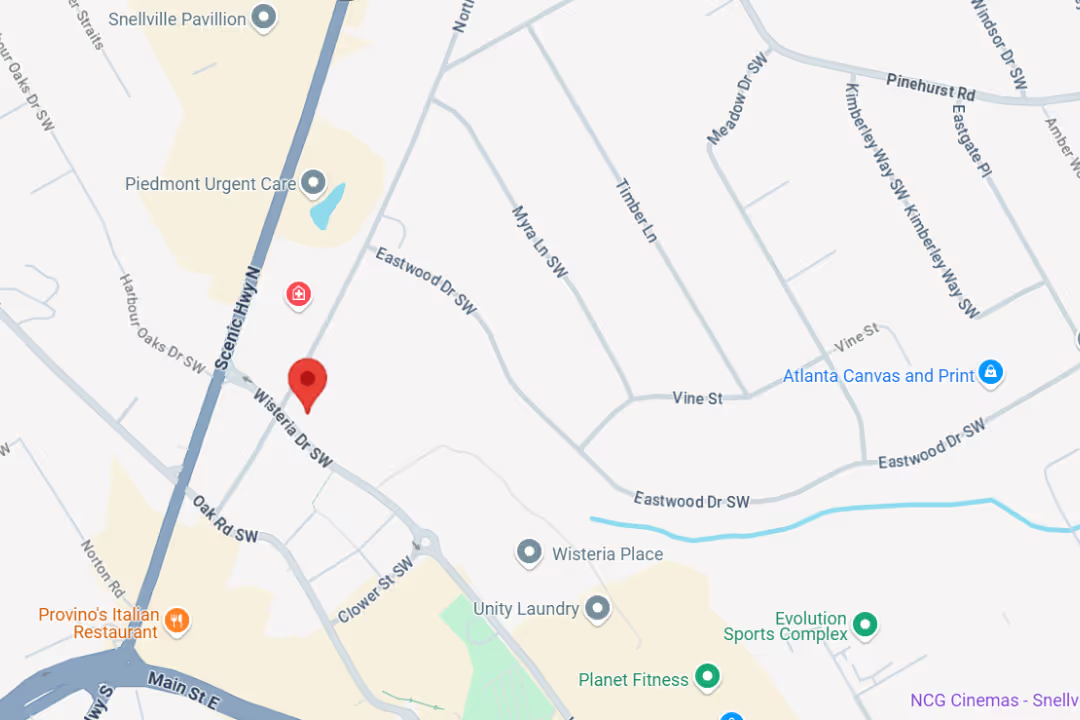
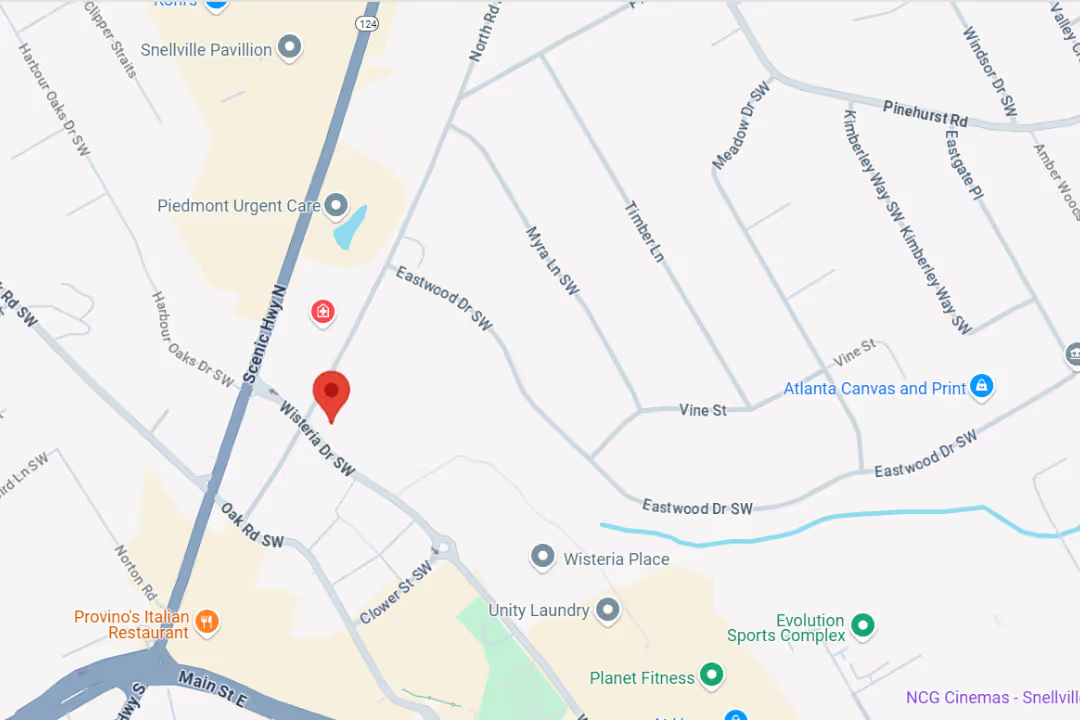
Snellville: 2220 Wisteria Dr, Unit 100, Snellville, GA 30078 | (470) 795-8398
Clinics
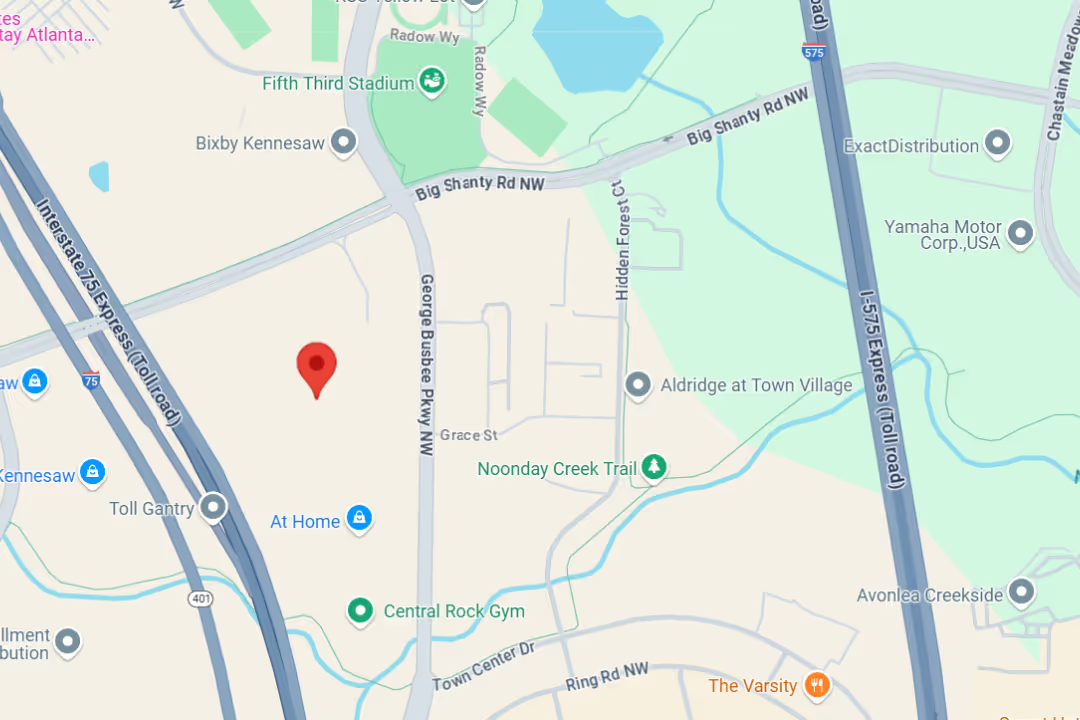
Kennesaw: 2911 George Busbee Parkway, Suite 50, Kennesaw, GA 30144 | (770) 545-6404
Snellville: 2220 Wisteria Drive, Unit 101, Snellville, GA 30078 | (470) 645-9297
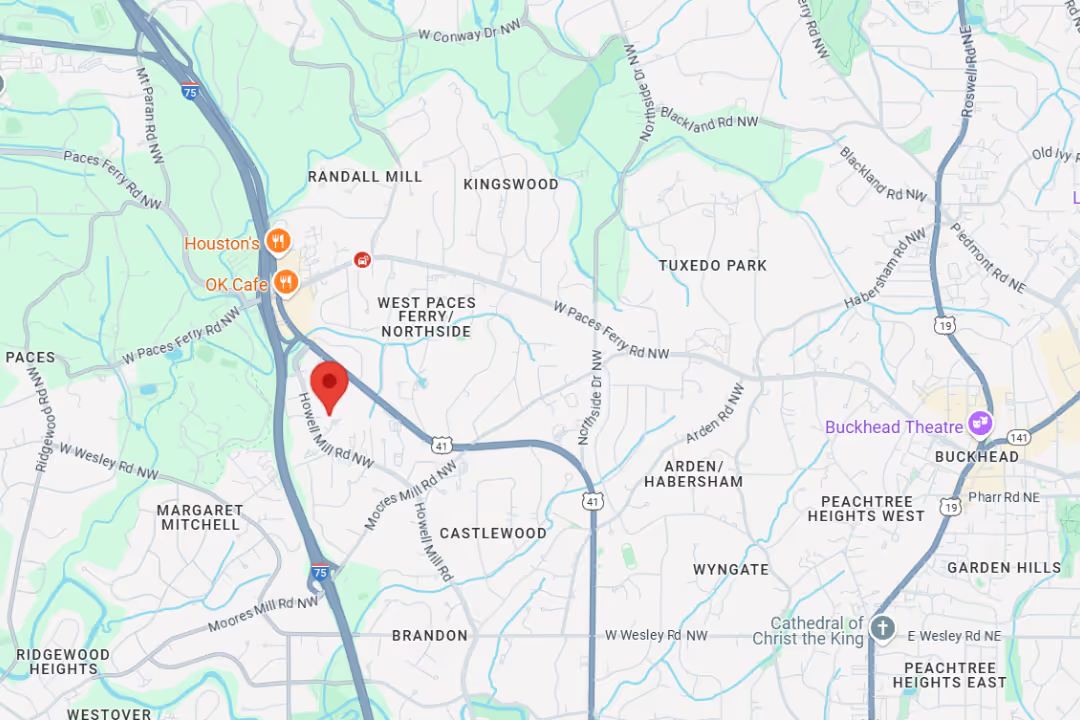
Buckhead PM&R: 3200 Downwood Circle NW, Suite 520, Atlanta, GA 30327 | (770) 872-7549
📞 +1-844-328-4624 🌐 mediciortho.com
Follow Us
Facebook: facebook.com/MediciOrthopaedicsandSpine
Instagram: @mediciorthoandspine
YouTube: youtube.com/channel/UCJOOMMEtNnvI7-tKln3Umyw
This content is for educational purposes only and does not constitute medical advice. Please consult a qualified provider to discuss your specific situation.
Explore our library of patient support guides covering the conditions we treat, the treatments we offer, and the questions we hear most. Each one is written to help you understand your options and feel confident about your next step. Browse the topics below to learn more, or reach out to our team anytime.

At Medici, you’re more than your MRI.
We take time to hear your story, understand your pain, and create a plan that actually works for you.

Our team delivers specialist care at convenient locations across Metro Atlanta:
Get expert tips on injury recovery, pain relief, joint health, and movement strategies—straight from our Fellowship-Trained team.