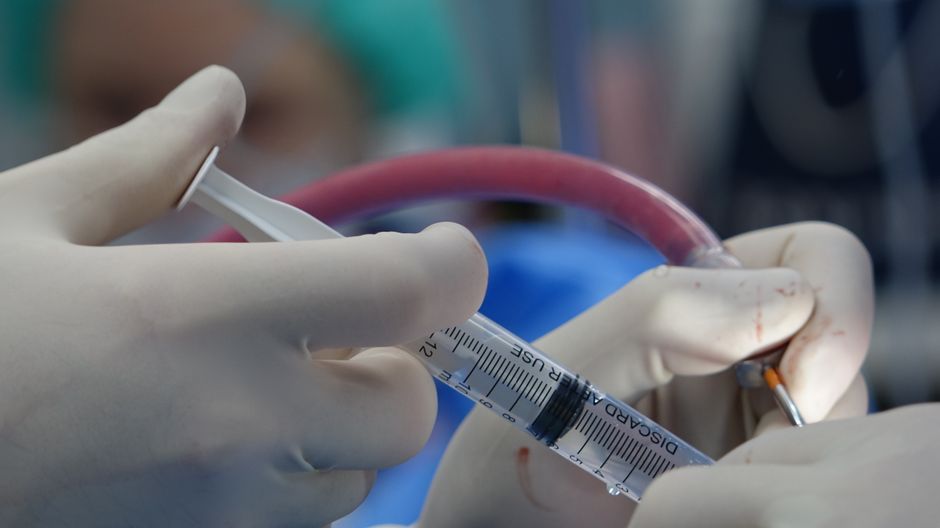
Interventional nerve pain care is a specialized approach that targets the source of your pain — not just the symptoms — using minimally invasive procedures designed to calm an overactive nervous system.
If you're looking for a quick answer, here's what you need to know:
What is interventional nerve pain care?
More than 20% of adults in the United States live with chronic pain, and for many, standard treatments like oral medications only mask the problem. They don't address why the nerve is firing in the first place.
That's the gap interventional care fills.
Rather than waiting out pain or relying on long-term opioid use, interventional pain specialists use precise, often image-guided techniques to reduce inflammation, block pain signals, or retrain how the nervous system processes pain. The goal isn't just to lower your pain score; it's to help you move better, sleep better, and live better.
For active adults dealing with joint, spine, or nerve pain, this approach offers something most traditional treatments don't: a real shot at lasting relief without major surgery.
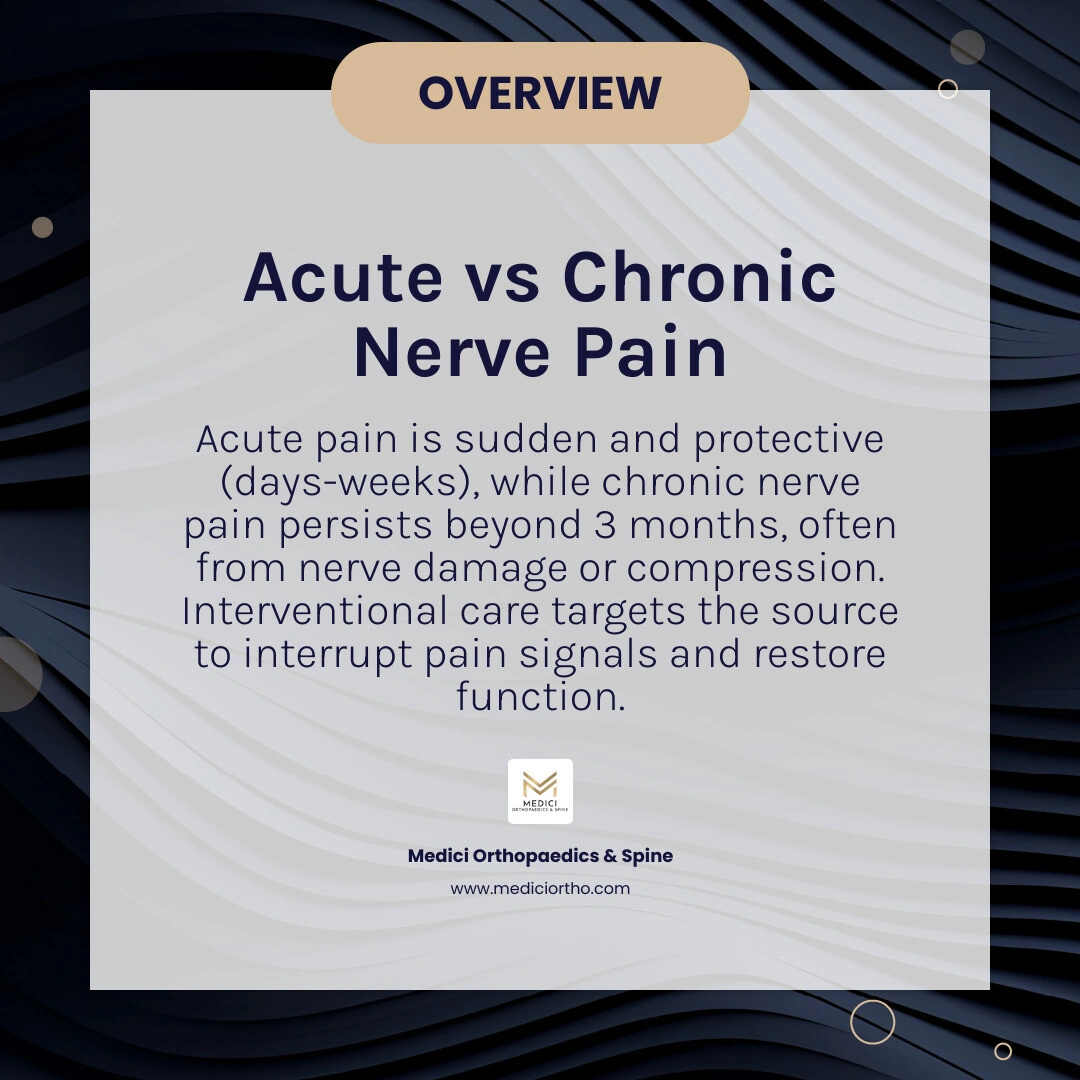
When you twist an ankle or stub a toe, your body’s nervous system sends a temporary "ouch" signal to your brain. This is acute pain, and it serves a protective purpose. But when nerves remain damaged, compressed, or irritated, that alarm system gets stuck in the "on" position. Traditional pain care often relies heavily on oral medications, such as anti-inflammatories, muscle relaxants, or even prescription opioids, to dull this alarm.
While medications have their place, they act systemically—meaning they affect your entire body, often causing side effects like brain fog, fatigue, or digestive issues, without ever solving the localized issue. Physical therapy is another classic pillar of care, but if a nerve is severely compressed or inflamed, exercising can feel like trying to run on a broken leg.
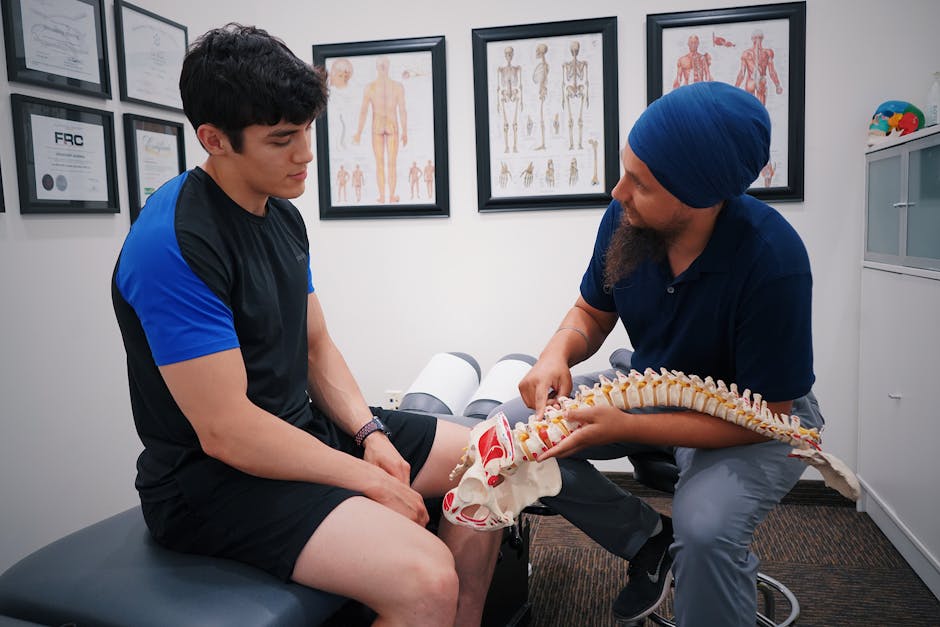
This is where interventional nerve pain care changes the game. Instead of flooding your entire body with medication, we use targeted, minimally invasive therapies to deliver relief directly to the irritated nerve.
By utilizing advanced imaging technology like fluoroscopy (live X-ray) or ultrasound, our specialists can pinpoint the exact milliliter of space where a nerve is pinched or inflamed. This allows us to apply highly concentrated, localized treatments that calm the nerve at its root.
Our approach aligns with the gold-standard Appropriate Use Criteria for Interventional Pain Management, ensuring that procedures are only performed when medically necessary and clinically proven to help. By focusing on targeted treatments, we help our patients achieve significant opioid reduction, avoiding the risks of chemical dependency while directly treating the physical mechanism driving their discomfort.
Nerve pain, or neuropathic pain, can manifest in many different ways: burning, tingling, shooting jolts, or a persistent "pins and needles" sensation. Because the nervous system is interconnected, a problem in your lower back can cause pain that shoots all the way down to your toes.
At Medici Orthopaedics & Spine, we regularly treat a wide array of neuropathic and spinal conditions across our Metro Atlanta clinics. Some of the most common conditions we address include:
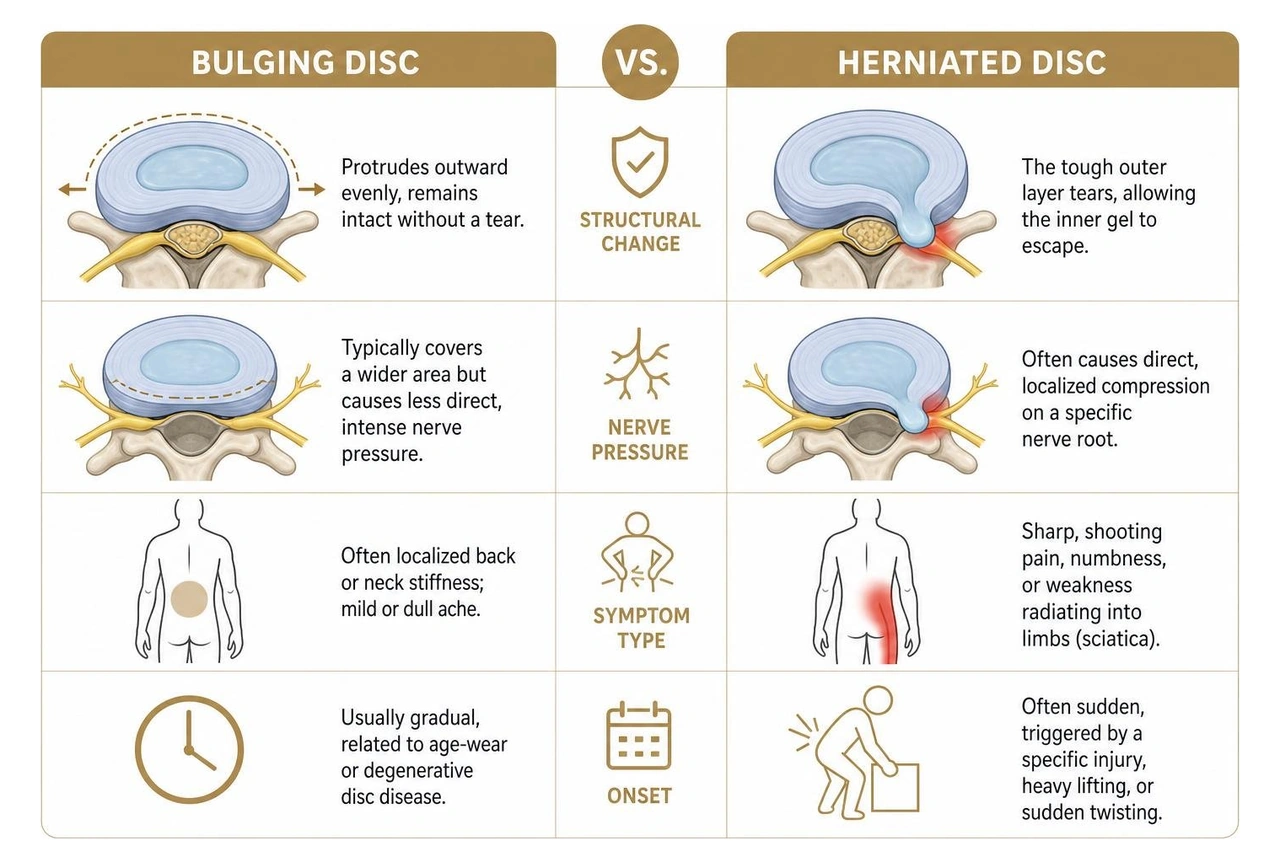
Understanding whether your pain is caused by a bulging disc or a herniated disc is key to planning your care. Here is a quick comparison of how these two structural issues differ in anatomy and symptoms:
| Feature | Bulging Disc | Herniated Disc |
|---|---|---|
| Structural Change | The disc protrudes outward evenly, remaining intact without a tear. | The tough outer layer of the disc tears, allowing the inner gel to escape. |
| Nerve Pressures | Typically covers a wider area but causes less direct, intense nerve pressure. | Often causes direct, localized compression on a specific nerve root. |
| Symptom Type | Often localized back or neck stiffness; mild or dull ache. | Sharp, shooting pain, numbness, or weakness radiating into limbs (sciatica). |
| Onset | Usually gradual, related to age-wear or degenerative disc disease. | Often sudden, triggered by a specific injury, heavy lifting, or sudden twisting. |
If conservative treatments like physical therapy have failed to provide relief after a few weeks, it is time to look at the core procedures of interventional medicine. These treatments are designed to disrupt the pain cycle, reduce swelling, and give your body the breathing room it needs to heal.

These injections deliver powerful anti-inflammatory corticosteroids directly into the epidural space—the area surrounding your spinal cord and nerve roots. By coating the irritated nerves in a soothing bath of medication, ESIs can dramatically reduce swelling and relieve radiating pain caused by herniated discs or spinal stenosis.
A nerve block involves injecting a local anesthetic (sometimes combined with a steroid) directly around a specific nerve or group of nerves. If you suffer from chronic, localized pain, receiving Nerve Block Injections for Chronic Pain in Atlanta can provide both diagnostic clarity and therapeutic relief.
But what exactly are they doing under the skin? To understand how they work, you can explore What Are Nerve Block Injections Used For in Chronic Pain Management. In short, they act as a temporary "off switch" for hyperactive pain signals.
For longer-lasting relief, radiofrequency ablation (also known as nerve ablation) uses thermal energy to create a small, precise heat lesion on a target nerve. This lesion prevents the nerve from sending pain signals to your brain.
If you are looking for this advanced treatment, we provide Nerve Ablation for Chronic Pain Near Snellville GA at our local ambulatory surgery center. To learn more about the science behind this procedure, read our guide on Nerve Ablation Explained: How It Helps Chronic Pain Near Snellville.
If you're wondering about the efficacy of this procedure, you might ask: Can Nerve Ablation Relieve Chronic Pain? Yes, particularly for facet joint arthritis and chronic neck or lower back pain, with relief often lasting six to twelve months.
Our clinical protocols strictly adhere to the Ablations and Denervations Guidelines, ensuring patients receive safe, evidence-based care with documented diagnostic success prior to the ablation.
Nerve blocks are highly versatile. Depending on where your pain is located, we can target specific nerve pathways to quiet down local inflammation and interrupt the pain loop:
By using local anesthetics to temporarily halt the flow of sodium into nerve cells, we effectively stop the electrical pain signal from traveling up to the brain. This "reboots" the nerve, frequently providing relief that outlasts the numbing agent itself.
When standard injections and ablations don’t provide sufficient relief, we can turn to neuromodulation—specifically, Spinal Cord Stimulation (SCS). This advanced therapy uses gentle electrical pulses to interrupt pain signals before they reach the brain, replacing them with a mild, soothing sensation (or, in modern subperception systems, no sensation at all).
If you are wondering, Can Spinal Cord Stimulation Help with Nerve Pain, the answer is a resounding yes. It is highly effective for failed back surgery syndrome, severe diabetic neuropathy, and chronic nerve pain.
We perform Spinal Cord Stimulator Surgery Near Atlanta in our state-of-the-art facilities. If you live east of the city, you can visit our dedicated Spinal Cord Stimulator Clinic in Snellville GA.
One of the greatest benefits of SCS is that you can "test drive" the system before committing to a permanent implant. During a Spinal Cord Stimulator Trial in Snellville, temporary thin wires are placed percutaneously in the epidural space for a few days.
SCS is also a life-changing option for those dealing with complex regional pain syndrome. We offer specialized care utilizing a Spinal Cord Stimulator for CRPS. To learn more about its efficacy for this specific condition, you can read: Is Spinal Cord Stimulation Effective for Treating CRPS.
Our patient selection process strictly follows the evidence-based Spinal Cord Stimulation Guidelines, requiring a successful trial with at least a 50% reduction in pain before proceeding to a permanent implant. For a deep dive into the clinical efficacy and anatomy of neuromodulation, see Spinal Cord Stimulation - StatPearls.
One of the main reasons patients choose interventional nerve pain care is the safety profile and minimal downtime compared to major spine surgery.
While these procedures are highly safe, no medical intervention is completely without risk. Potential risks include temporary soreness at the injection site, localized bleeding, or, in very rare cases, infection or nerve irritation. We practice strict infection control and sterile techniques to keep these risks as close to zero as possible.
Are you a good candidate for these advanced therapies? To explore this in detail, check out our guide: Nerve Pain and Stimulators: Are You a Candidate?.
Generally, you should consider seeing an interventional specialist if:
If this sounds like you, consulting a Nerve Pain Specialist Near Atlanta is the first step toward reclaiming your quality of life.
Getting the care you need shouldn't feel like a full-time job. Most commercial insurance plans, as well as Medicare, cover interventional pain management treatments, though they often require pre-authorization. Our administrative team works closely with your insurance provider to handle the paperwork so you can focus on healing.
We also believe that the best clinical outcomes happen when healthcare providers work together. We coordinate closely with your primary care physician, physical therapists, and other specialists.
Our approach is guided by the international Interventional Management of Neuropathic Pain Recommendations, which emphasize integrating interventional procedures into a broader, multidisciplinary care plan.
For example, we often find that a nerve block or epidural injection provides a window of profound pain relief that allows you to participate more fully and comfortably in physical therapy, leading to stronger, longer-lasting recovery.
As we move through 2026, the field of interventional medicine continues to evolve rapidly. We pride ourselves on being early adopters of advanced technologies that offer safer, more durable relief:
The duration of relief varies depending on the specific procedure and the individual patient. A local nerve block may provide relief for several weeks to months, while an epidural steroid injection can keep inflammation down for three to six months. More advanced procedures, like radiofrequency ablation, can provide relief lasting six to twelve months, and spinal cord stimulation can offer long-term relief for years.
Yes, the vast majority of commercial insurance plans, workers' compensation, and Medicare cover interventional pain procedures when they are deemed medically necessary. Our office will assist you with the pre-authorization process to ensure your treatments are covered.
A nerve block is a temporary measure that uses a local anesthetic to numb a nerve, providing immediate but short-term relief (and helping us confirm the exact source of your pain). Nerve ablation (radiofrequency ablation) is a longer-term solution that uses thermal energy to semi-permanently disable the nerve's ability to transmit pain signals, usually lasting six months to a year or more.
Living with chronic nerve pain can feel exhausting, but you don't have to navigate this path alone. At Medici Orthopaedics & Spine, Dr. Sonny Dosanjh and our highly specialized team are dedicated to delivering the most effective, least invasive, and least drug-dependent programs available today.
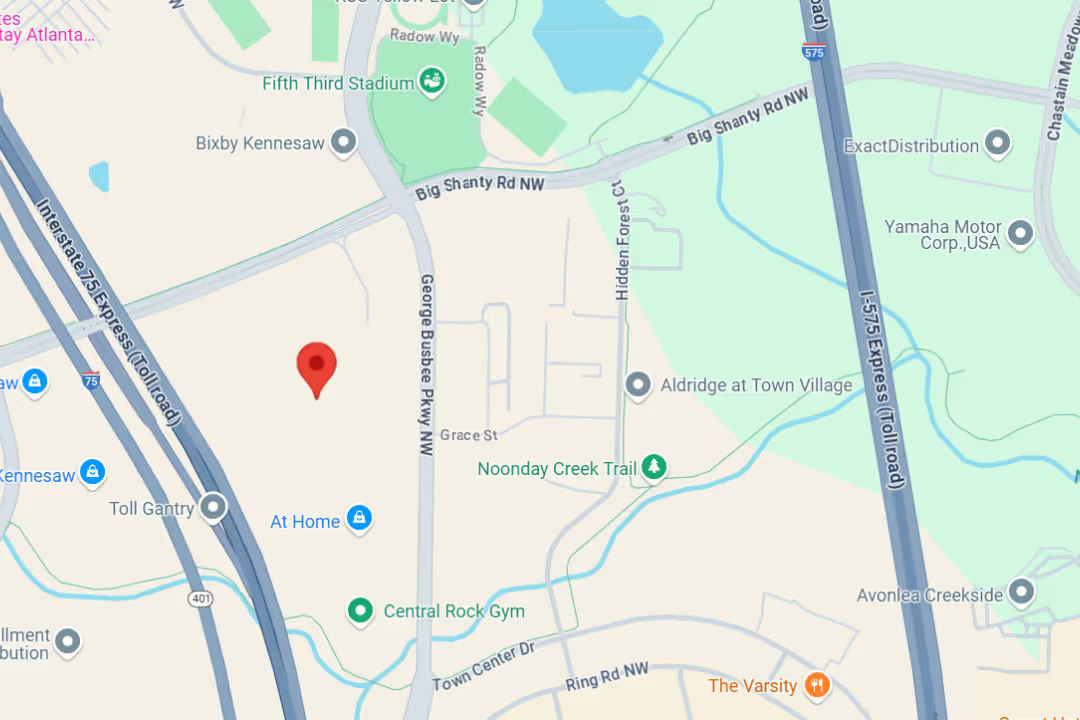
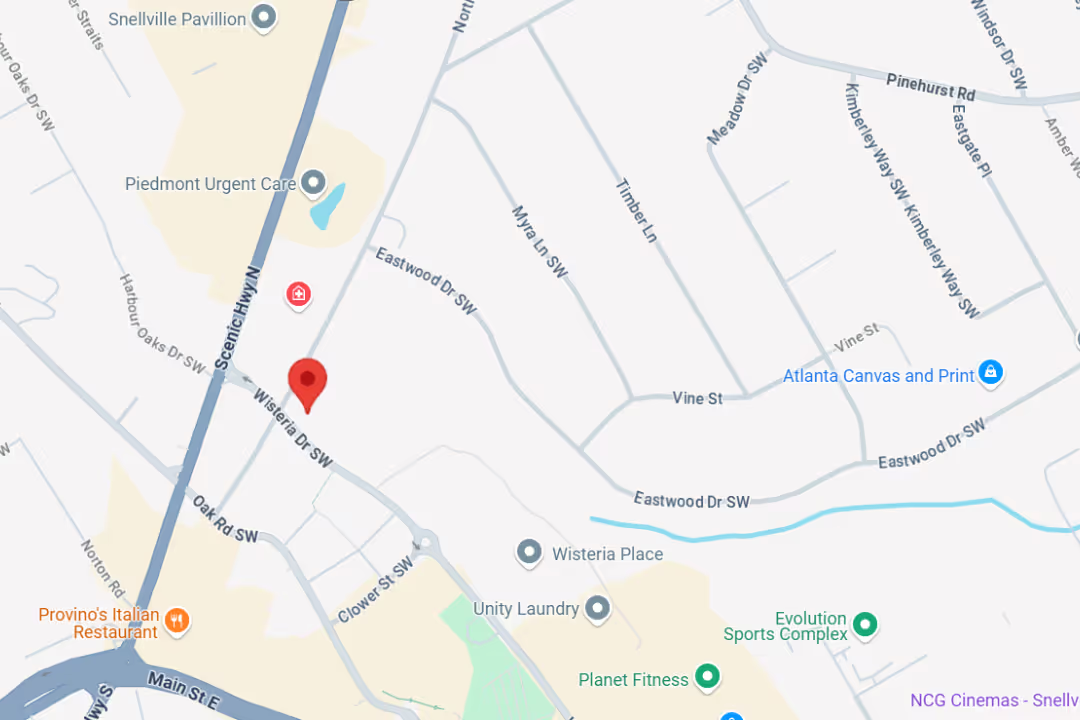
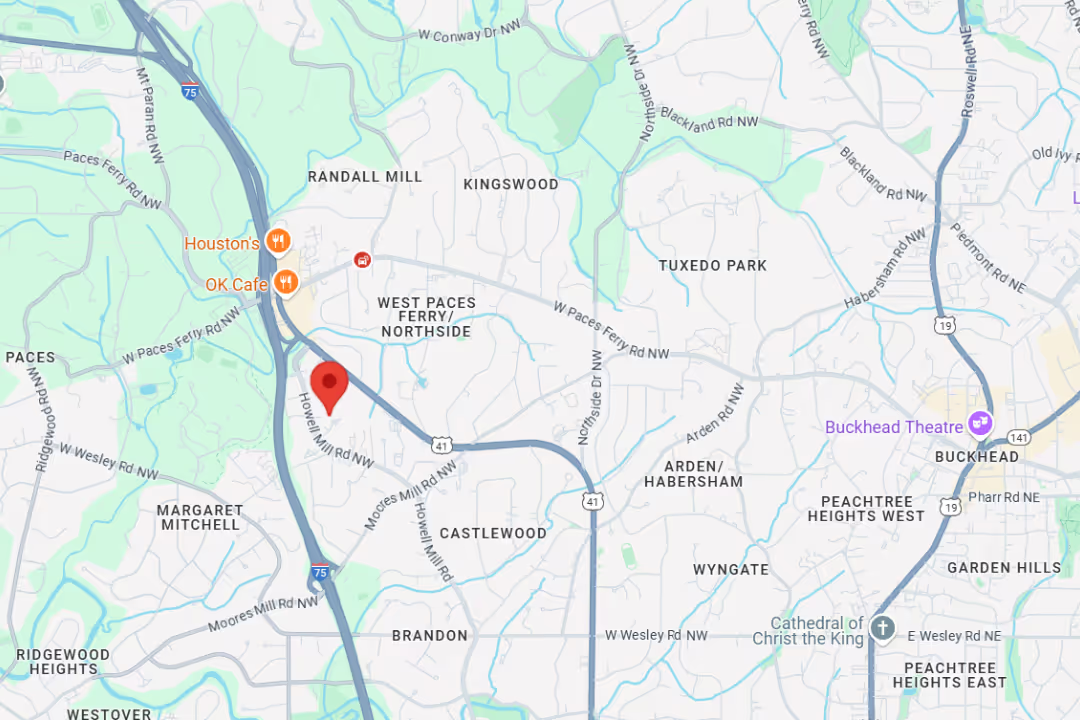
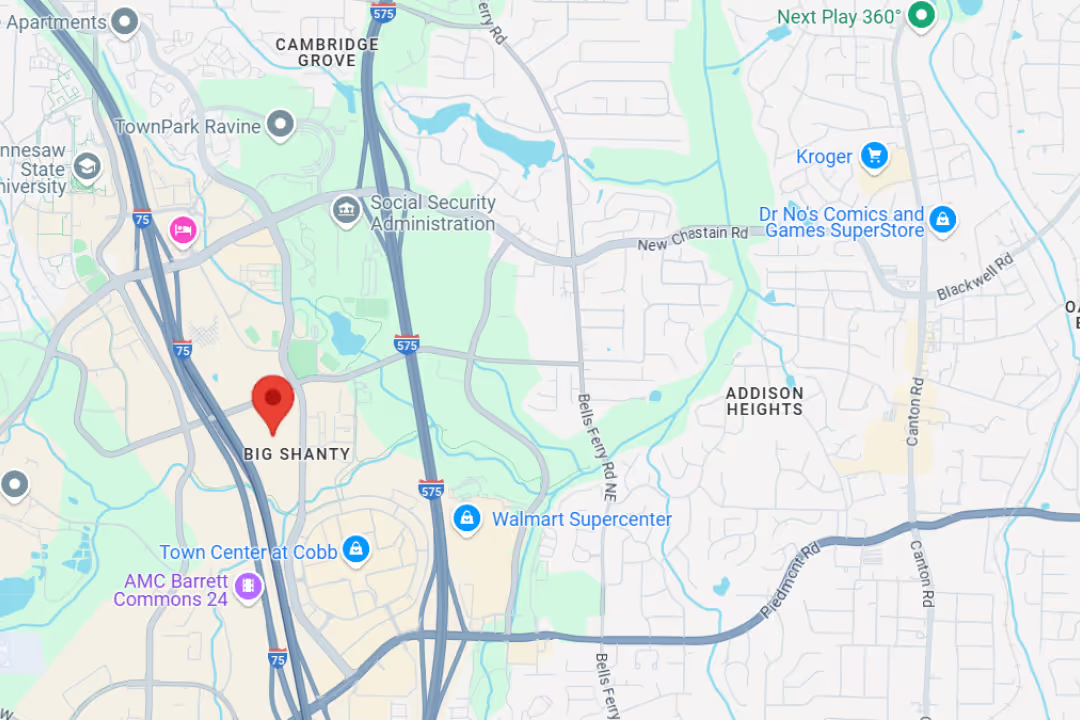
Whether you visit us in Marietta, Snellville, Kennesaw, or Buckhead, our goal remains the same: to optimally restore your quality of life so you can get back to doing what you love.
If you are ready to calm your nervous system and take control of your pain, we invite you to Schedule a Consultation for Lower Back Pain Relief or nerve pain care today. Let us help you find a tailored, non-surgical solution that works for you.
At Medici, you’re more than your MRI.
We take time to hear your story, understand your pain, and create a plan that actually works for you.

Our team delivers specialist care at convenient locations across Metro Atlanta:
Get expert tips on injury recovery, pain relief, joint health, and movement strategies—straight from our Fellowship-Trained team.