You reach for a high shelf, and your shoulder stops you cold. Over the past few weeks it has grown stiffer and more painful, and now even putting on a jacket or sleeping on that side is hard. You did not injure it, so you are not sure what is going on.
At Medici Orthopaedics & Spine, we often see patients with this slow, frustrating kind of shoulder stiffness. It may be frozen shoulder. This guide explains the stages, who is most at risk, how it differs from other shoulder problems, and the treatment options a specialist may discuss.
Frozen shoulder is also called adhesive capsulitis. Your shoulder joint is wrapped in strong tissue called the capsule. According to the American Academy of Orthopaedic Surgeons (AAOS), in frozen shoulder this capsule thickens and tightens, and bands of tissue called adhesions form. The result is pain and stiffness that make the shoulder very hard to move.
Frozen shoulder tends to get better over time, even though it can be slow. AAOS notes that full recovery may take up to 3 years. Treatment focuses on easing pain and keeping as much motion as possible along the way. You can read more on our frozen shoulder condition page.
The exact cause is not fully understood. AAOS reports that frozen shoulder most often affects people between 40 and 60, and it is more common in women than men. Certain health factors also raise the risk:
Frozen shoulder can also develop when the shoulder is held still for a while, such as after surgery, a fracture, or another injury. That is one reason providers often encourage gentle shoulder movement soon after an injury or procedure, when it is safe to do so.
Pain slowly builds, and the shoulder loses range of motion. Many people notice the pain is worse at night.
Pain may start to ease, but the stiffness stays. Daily tasks like reaching, dressing, and lifting can be very hard during this stage.
Motion slowly improves. Strength and movement return little by little until the shoulder is normal or close to normal for many people.
| Stage | What You May Notice | General Length (Mayo Clinic) |
|---|---|---|
| Freezing | Growing pain and less motion | About 2 to 9 months |
| Frozen | Less pain, but more stiffness | About 4 to 12 months |
| Thawing | Motion slowly returns | About 5 to 24 months |
These ranges come from Mayo Clinic. Other sources give slightly different numbers, and every person is different. Your provider can help you understand where you may be in the process.
Frozen shoulder pain is usually dull or aching. It is often felt over the outer shoulder and sometimes the upper arm. These signs are worth a visit:
Many conditions cause shoulder pain, so an exam matters. A key clue with frozen shoulder is that movement is limited both when you move the arm yourself and when someone else moves it for you, as AAOS and Mayo Clinic describe. With many other problems, such as rotator cuff injuries or shoulder impingement, the arm may move more freely when someone else lifts it. Imaging such as X-rays, ultrasound, or MRI can help rule out other causes. Our FAQ on when to see a shoulder specialist covers more warning signs.
AAOS names physical therapy, with a focus on shoulder flexibility, as the main treatment for frozen shoulder. A therapist can teach gentle range-of-motion exercises, such as pendulum swings and stretches. Doing them regularly matters. Ask your therapist how many sets and repetitions are right for you.
Over-the-counter anti-inflammatory medicines, such as ibuprofen, may ease pain and swelling. Mayo Clinic notes that heat or cold may also help. If you have diabetes, working with your doctor to improve blood sugar control may help your shoulder recover, according to AAOS.
A steroid shot into the shoulder joint may lessen pain and improve movement. Mayo Clinic notes this may work best when given soon after frozen shoulder begins. Learn more about our approach to injections.
If pain and stiffness do not improve with other care, a specialist may discuss hydrodilatation. AAOS explains that this involves gently injecting sterile fluid into the joint, using imaging for guidance, to stretch the tight capsule.
In rare cases, other options may be discussed. Mayo Clinic describes shoulder manipulation under anesthesia, where the shoulder is moved while you are asleep to loosen tight tissue. Surgery for frozen shoulder is rare, but if nothing else helps, a surgeon can remove scar tissue through small incisions using a camera, called shoulder arthroscopy.
Your visit starts with questions about your symptoms, past injuries, recent surgeries, and health conditions such as diabetes. Your provider checks how far your arm moves on its own and with help. Imaging may be ordered to rule out other causes.
Your provider explains which stage you may be in and which options make sense now. Plans often start with therapy and pain control, with other steps added only if needed.
Frozen shoulder can test your patience. Keep up with your stretches, use the arm as much as your comfort allows, and celebrate small wins. Most people regain much of their motion over time.
If you are worried about what comes next, you are not alone. Our article on why not every shoulder injury needs surgery explains how conservative care often comes first. Getting a clear diagnosis is the first step toward restoring quality of life.
If your shoulder is getting stiffer or keeping you up at night, our team can examine it, explain what may be causing it, and build a plan with you. We will start with the least invasive options that make sense.
Schedule an evaluation with our team in Kennesaw, Snellville, Marietta, or Buckhead to talk through your frozen shoulder options.
Ambulatory Surgery Centers
Marietta: 792 Church Street, Unit 101, Marietta, GA 30060 | (470) 795-8398
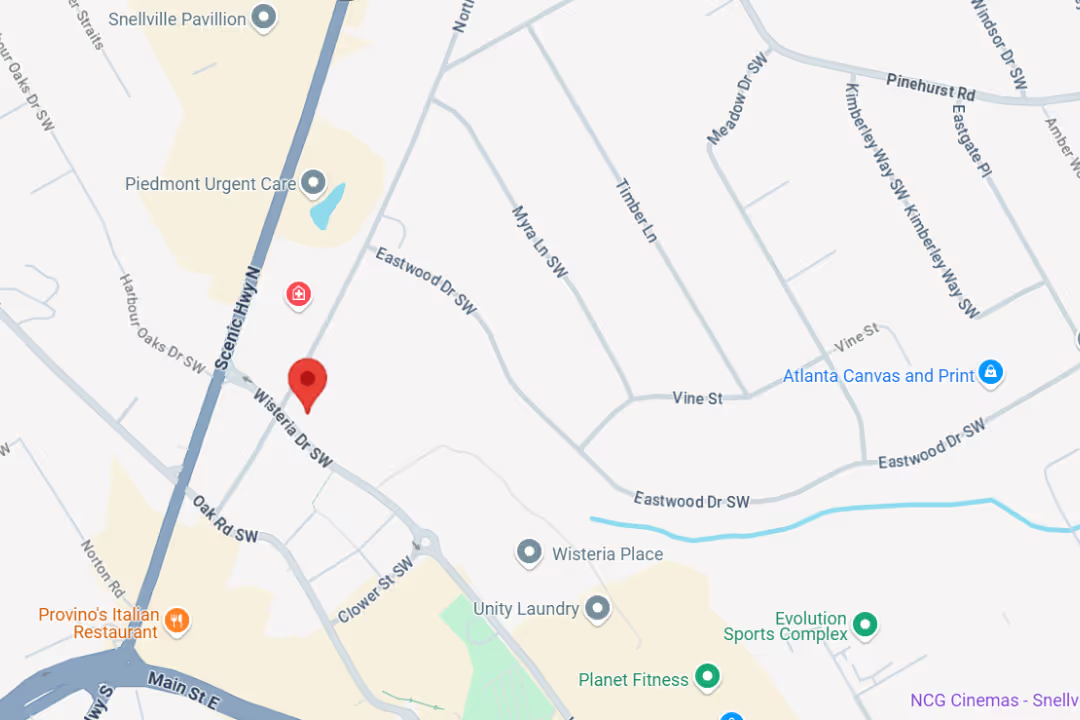
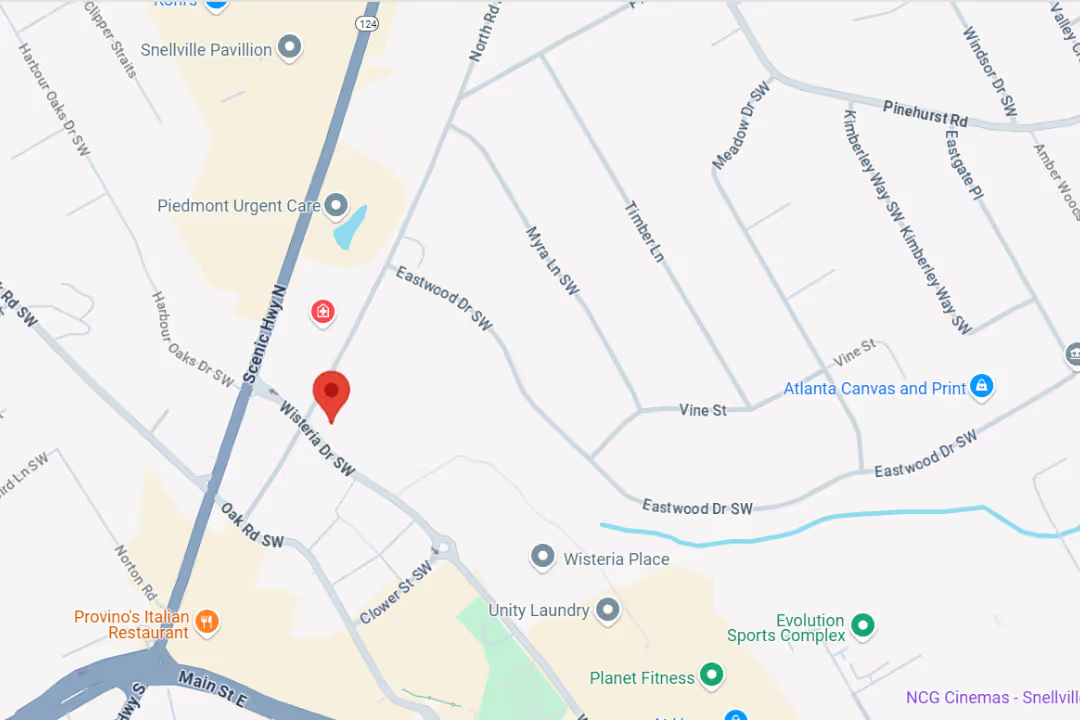
Snellville: 2220 Wisteria Dr, Unit 100, Snellville, GA 30078 | (470) 795-8398
Clinics
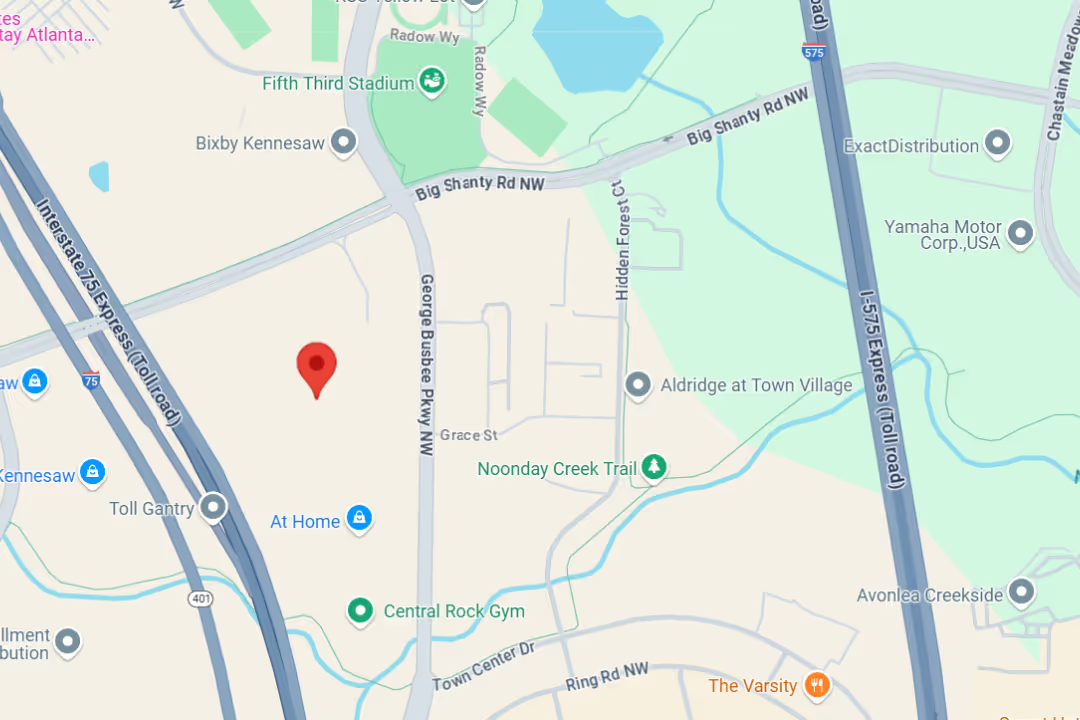
Kennesaw: 2911 George Busbee Parkway, Suite 50, Kennesaw, GA 30144 | (770) 545-6404
Snellville: 2220 Wisteria Drive, Unit 101, Snellville, GA 30078 | (470) 645-9297
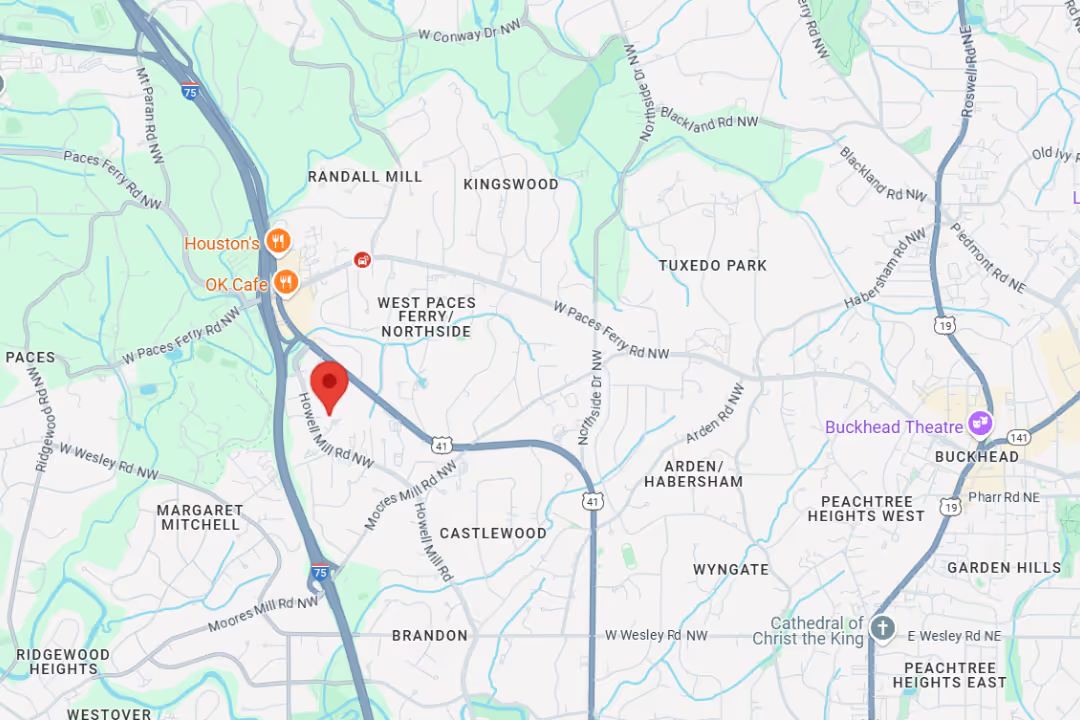
Buckhead PM&R: 3200 Downwood Circle NW, Suite 520, Atlanta, GA 30327 | (770) 872-7549
📞 +1-844-328-4624 🌐 mediciortho.com
Follow Us
Facebook: facebook.com/MediciOrthopaedicsandSpine
Instagram: @mediciorthoandspine
YouTube: youtube.com/channel/UCJOOMMEtNnvI7-tKln3Umyw
This content is for educational purposes only and does not constitute medical advice. Please consult a qualified provider to discuss your specific situation.
Explore our library of patient support guides covering the conditions we treat, the treatments we offer, and the questions we hear most. Each one is written to help you understand your options and feel confident about your next step. Browse the topics below to learn more, or reach out to our team anytime.

At Medici, you’re more than your MRI.
We take time to hear your story, understand your pain, and create a plan that actually works for you.

Our team delivers specialist care at convenient locations across Metro Atlanta:
Get expert tips on injury recovery, pain relief, joint health, and movement strategies—straight from our Fellowship-Trained team.