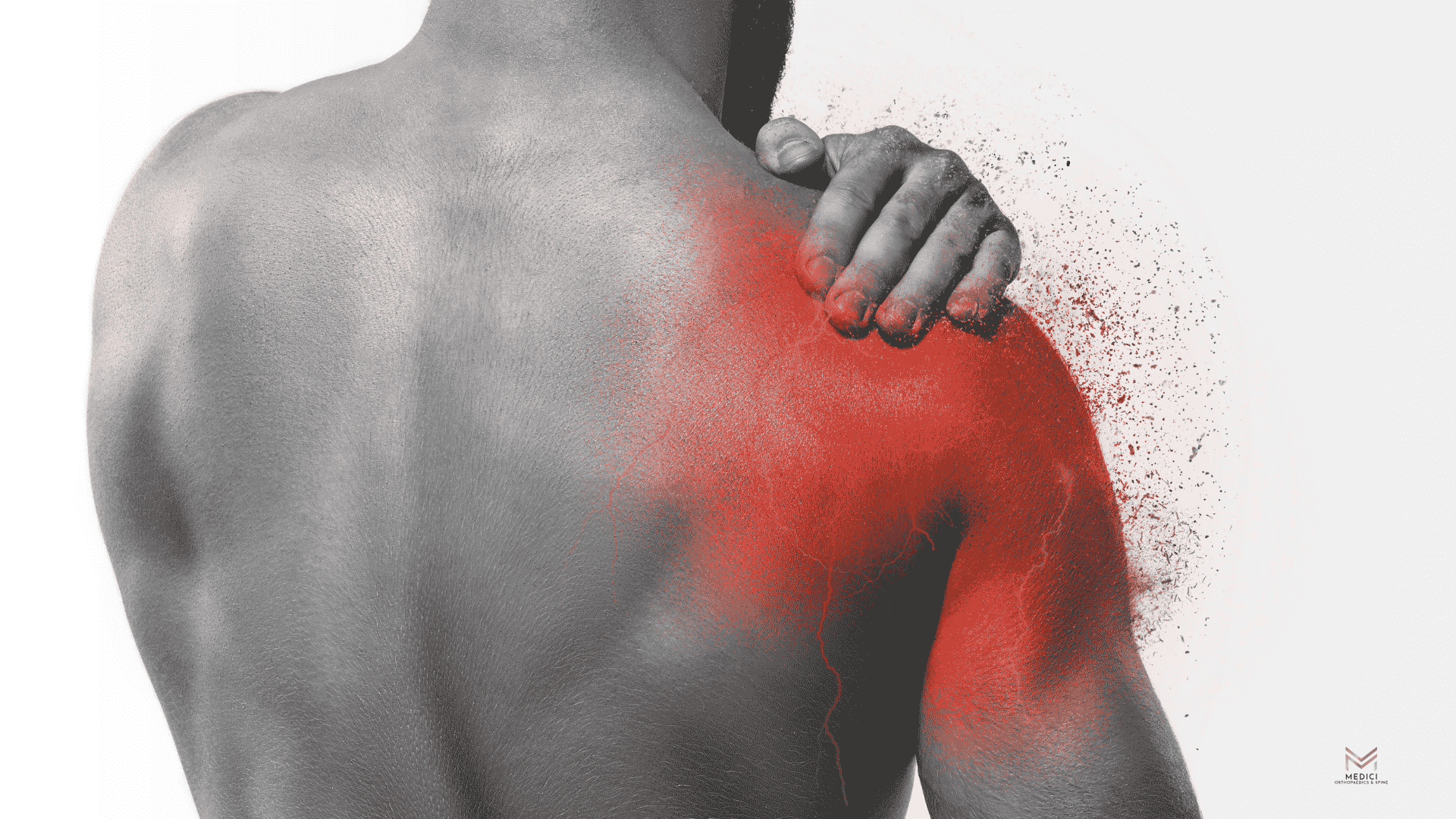
Shoulder pain has a way of stopping life in its tracks. One wrong reach, one bad throw, one morning where you wake up and can't lift your arm without wincing, and suddenly everything from getting dressed to doing your job feels impossible. It's the kind of pain that doesn't let you forget it's there.
For a lot of people, the fear that follows is almost as bad as the pain itself. The assumption is that something is seriously wrong, that surgery is inevitable, and that a long, difficult recovery is just around the corner. That fear is understandable. The shoulder is a joint you rely on constantly, and when it stops working the way it should, the uncertainty can feel overwhelming.
But here's what many patients don't know until they actually sit down with a qualified shoulder specialist: most shoulder injuries do not require surgery. Not even close. With the right evaluation and a thoughtful, individualized treatment plan, a large number of patients recover meaningful function and lasting relief through conservative care alone.
The shoulder is the most mobile joint in the human body, which is exactly what makes it so useful and so vulnerable at the same time. That range of motion, the ability to reach overhead, rotate, push, pull, and swing, comes at the cost of inherent instability. Unlike the hip, which is a deep ball-and-socket joint built for stability, the shoulder sits in a much shallower socket and relies heavily on soft tissue structures to keep everything in place.
Understanding which structure is affected matters enormously when it comes to determining the right treatment approach. The main players include:
Full-thickness rotator cuff tears sometimes require surgical repair, but partial tears and strains frequently do not. Many patients with partial tears recover well through physical therapy, targeted strengthening, and in some cases, regenerative treatments like platelet-rich plasma (PRP). The size of the tear, the patient's age, activity level, and overall shoulder function all factor into whether surgery is truly necessary.
Inflammation of the bursa or tendons is one of the most common causes of shoulder pain, particularly in active individuals and those who perform repetitive overhead movements. These conditions are typically very responsive to conservative treatment, including:
Frozen shoulder is characterized by progressive stiffness and pain caused by thickening and tightening of the shoulder capsule. It is almost always treated non-surgically, at least initially. A combination of physical therapy, stretching, and injections can help restore range of motion over time. Patience is required, but the condition is very manageable without operating.
Separations of the acromioclavicular joint, often from a fall or direct blow to the shoulder, range from mild to severe. Lower-grade AC joint injuries heal well with conservative management, including rest, ice, anti-inflammatory treatment, and physical therapy. Higher-grade separations may need surgical evaluation, but most do not.
The labrum can become irritated or develop minor fraying without a full structural tear. These presentations often respond to targeted rehabilitation and injections. It is worth noting that even some labral tears, depending on their size and location, can be managed conservatively in the right patient.
Physical therapy is the foundation of most non-surgical shoulder treatment plans. A well-designed program does more than reduce pain. It corrects the underlying movement deficiencies and muscle imbalances that often contribute to injury in the first place. Goals typically include:
When pain and inflammation are significant enough to limit participation in therapy or daily activity, injections can provide meaningful, targeted relief. Common options include:
For patients interested in promoting natural healing and avoiding more invasive interventions, regenerative options offer a compelling alternative. Medici offers:
Protecting the shoulder during recovery matters just as much as active treatment. Patients are guided on how to modify movements, adjust workstation ergonomics, and use supportive measures at home to avoid aggravating the injury while healing progresses.
Certain presentations are more likely to require surgical intervention, including:
When surgery is necessary, the approach at Medici is to use the least invasive technique that achieves the goal. Arthroscopic shoulder surgery, which uses small incisions and a camera rather than large open cuts, is standard for many shoulder procedures today. Benefits include reduced recovery time, less postoperative pain, and lower risk of complications compared to traditional open surgery.
A thorough shoulder evaluation at Medici generally involves:
Shoulder pain that has been self-managed for weeks or months based on assumptions, whether the patient assumes it's "just a strain" or assumes they'll need surgery, is shoulder pain being treated without real information. An accurate diagnosis changes what treatment is possible. It also frequently changes the patient's entire emotional relationship with the injury, because understanding what's actually happening is far less frightening than imagining worst-case scenarios.
What most patients find, when they finally come in, is that the options available to them are broader and gentler than they expected. The shoulder is a complex joint, but that complexity works in patients' favor as much as against them. There are more structures, more mechanisms, and more treatment approaches than most people realize.
The patients who do best are the ones who stop waiting. An evaluation is not a commitment to surgery. It is information. And information, in the hands of a skilled team that genuinely wants to find the most effective, least invasive path for you, is where recovery begins.
Shoulder pain is worth taking seriously, and so is finding a team that will take your goals seriously too. At Medici Orthopaedics & Spine, every patient receives a thorough evaluation and a treatment plan built around the least invasive, most effective options for their specific condition. Whether your situation calls for physical therapy, regenerative medicine, injections, or surgical consultation, the right answer starts with an honest conversation.
Schedule your evaluation today and take the first step toward getting your shoulder, and your life, back.
At Medici, you’re more than your MRI.
We take time to hear your story, understand your pain, and create a plan that actually works for you.

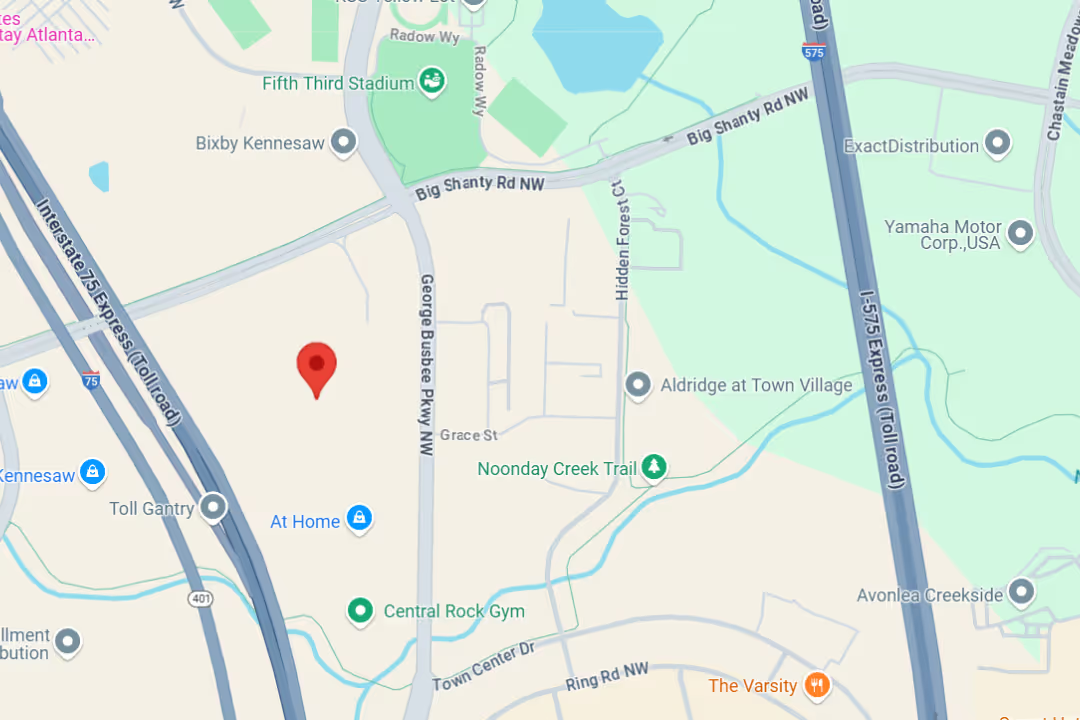
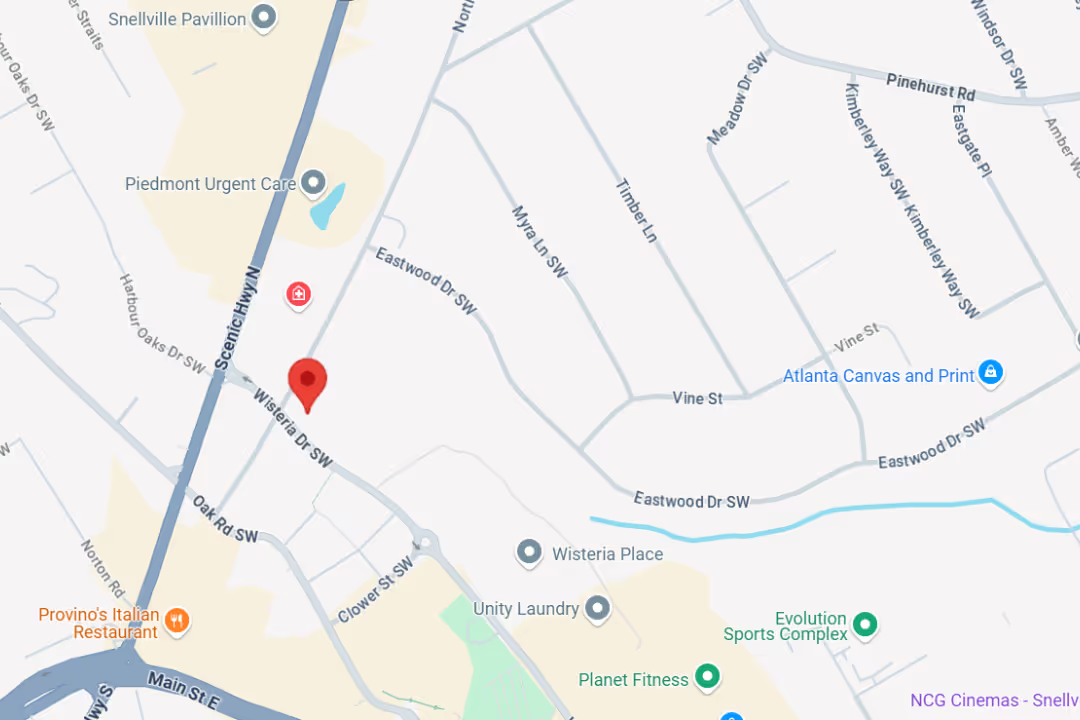
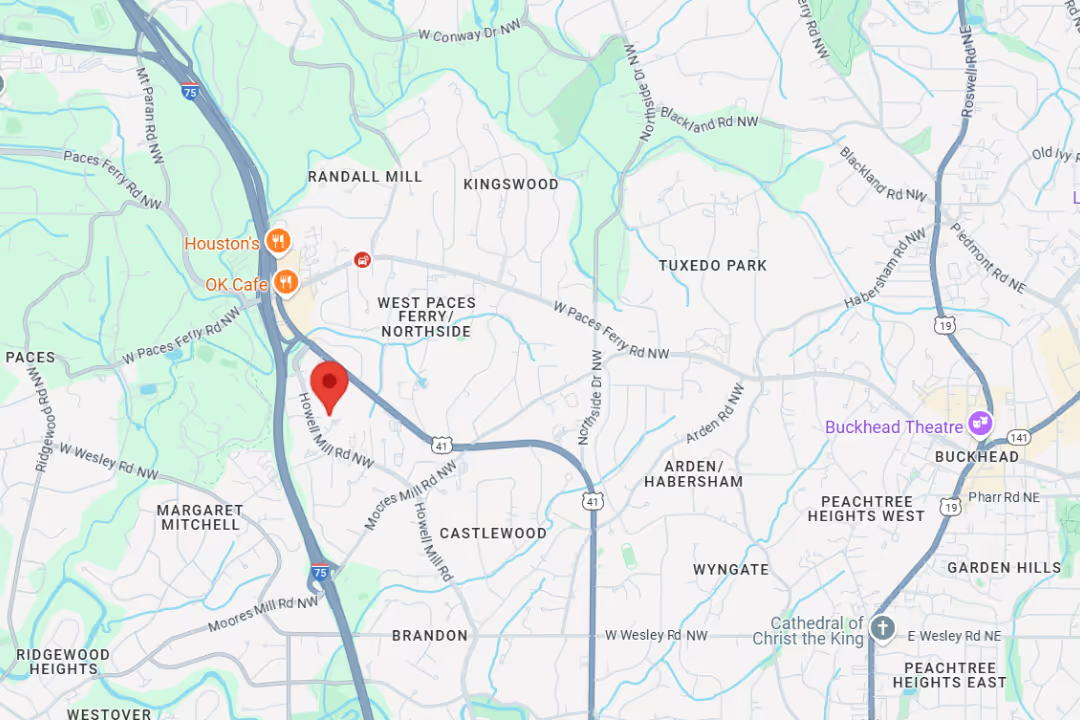
Our team delivers specialist care at convenient locations across Metro Atlanta:
Get expert tips on injury recovery, pain relief, joint health, and movement strategies—straight from our Fellowship-Trained team.