You bend down to pick something up, and a sharp pain grabs your lower back. Over the next few days, it moves into your buttock and down one leg. Weeks later, the leg pain is still there, and someone mentions a procedure done through an incision about a centimeter long. You want to know what it really involves.
At Medici Orthopaedics & Spine, we believe surgery is rarely the first answer for a herniated disc. When it is discussed, patients deserve a clear picture of their options. This guide explains endoscopic discectomy in plain language: who may be considered, how it compares with open surgery, and what recovery generally looks like.
Discs are soft cushions between the bones of your spine. Each one has a tough outer ring and a jelly-like center. With wear and tear or a sudden injury, the center can push through the outer ring. This is a herniated disc.
The disc material can press on a nearby nerve root and release chemicals that irritate it. The result can be pain, numbness or weakness in one or both legs, often called sciatica. This is described by the American Academy of Orthopaedic Surgeons (AAOS).
According to the AAOS, a herniated disc in the lower back often improves slowly over days to weeks, and many patients are free of symptoms within a few months. Some people still have flare-ups along the way. Only a small share of patients end up needing surgery.
First-line care is usually nonsurgical. It may include rest and activity changes, medicine, physical therapy and, in some cases, injections. Our FAQ on minimally invasive treatments for herniated discs covers more of these options.
Surgeons usually suggest surgery only when nonsurgical care has not eased symptoms, or when certain problems appear. The AAOS lists these:
Loss of bladder or bowel control can be a sign of severe nerve pressure and needs immediate medical attention. Do not wait for a routine visit if this happens.
Endoscopic discectomy is a minimally invasive way to remove the part of a disc that is pressing on a nerve. The surgeon uses an endoscope, a thin tube with a light and camera, to see the area on a video screen. The AAOS compares it to the arthroscopic approach used in knee and shoulder surgery.
While each case is different, the AAOS describes these general steps:
Microdiscectomy is the most common surgery for a single herniated disc. It is also done through a small incision, using a microscope. Endoscopic discectomy uses a camera and an even smaller opening. Both aim to take pressure off the nerve by removing the herniated material.
A National Library of Medicine review reports that minimally invasive approaches are linked to less blood loss and shorter surgery time than open discectomy. It also found no difference in long-term patient outcomes between open and minimally invasive surgery. The AAOS adds that long-term results for endoscopic surgery are still being studied.
| Factor | Endoscopic Discectomy | Open Microdiscectomy |
|---|---|---|
| Incision size | About 1 cm, or two smaller cuts | Small incision at the disc level |
| How the surgeon sees | Camera and video screen, with water flow | Surgical microscope |
| Best suited for | A single herniated disc, though not every type | A single herniated disc |
| Track record | Newer; long-term results still being studied | Most common surgery for a single herniated disc |
Endoscopic discectomy may be done under general anesthesia, where you are asleep. In some cases, it is done with local numbing medicine and sedation, where you are awake but relaxed. Your surgeon and anesthesia team will explain which approach fits you.
Many patients go home the same day, while others stay a short time in the hospital. Your surgeon will explain where the procedure would be done and what to plan for at home.
The AAOS notes that recovery is generally faster than after open surgery. Pain after surgery is managed with medicine. Activities may be limited for a few weeks, and physical therapy may be recommended. Follow-up visits help make sure healing is on track. Every recovery is different.
The AAOS lists possible complications that include:
The technique takes special training, so not every surgeon offers it. It can cost more than traditional surgery because of the equipment involved. When a surgeon is new to the method, the risk of problems or of not removing all of the herniated piece may be higher.
Your visit starts with your history, a physical exam and a look at imaging such as an MRI when it is needed. Your provider checks strength, reflexes and feeling in your legs. Together, you will review conservative options first and talk about surgery only if it makes sense. You can learn more about this first step on our page about seeing an orthopedic doctor for a herniated disc.
For a deeper look at the evidence, read our article on whether minimally invasive treatments for herniated discs really work.
If leg pain from a herniated disc is not getting better, our spine team can review your imaging, explain every option and help you decide on next steps at your own pace.
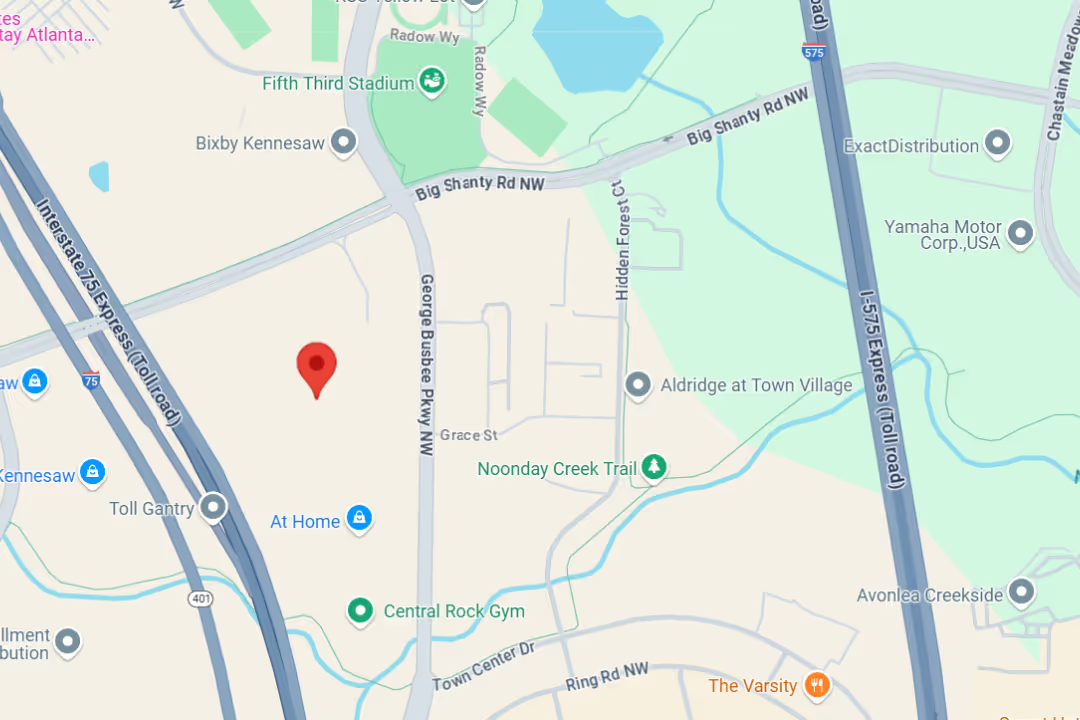
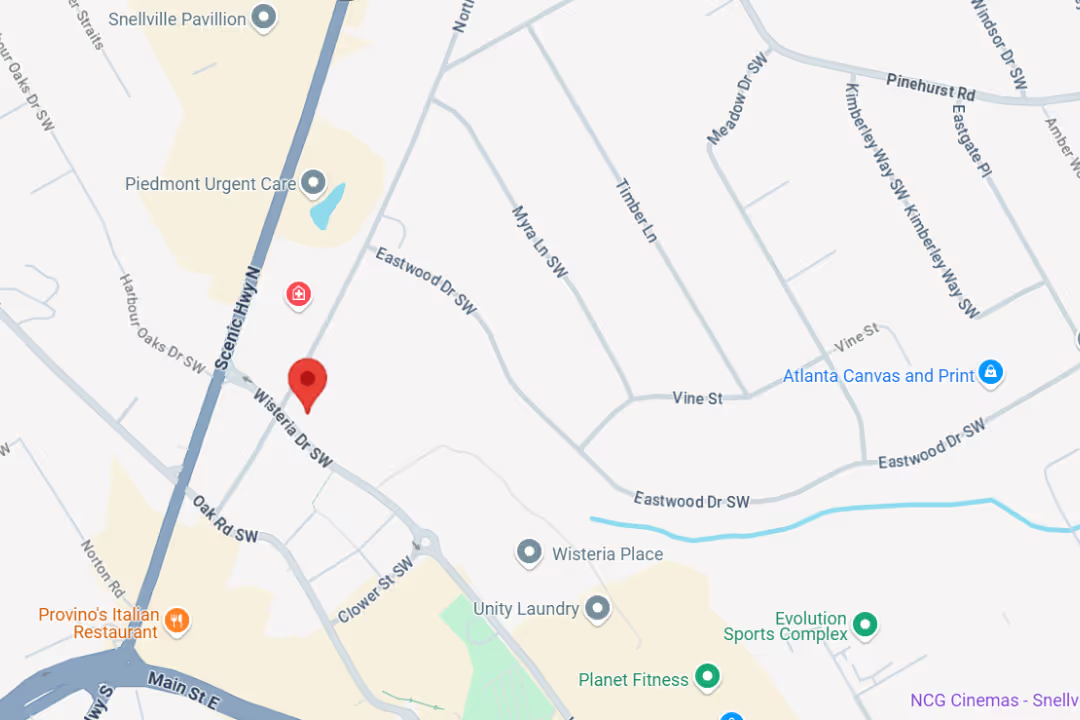
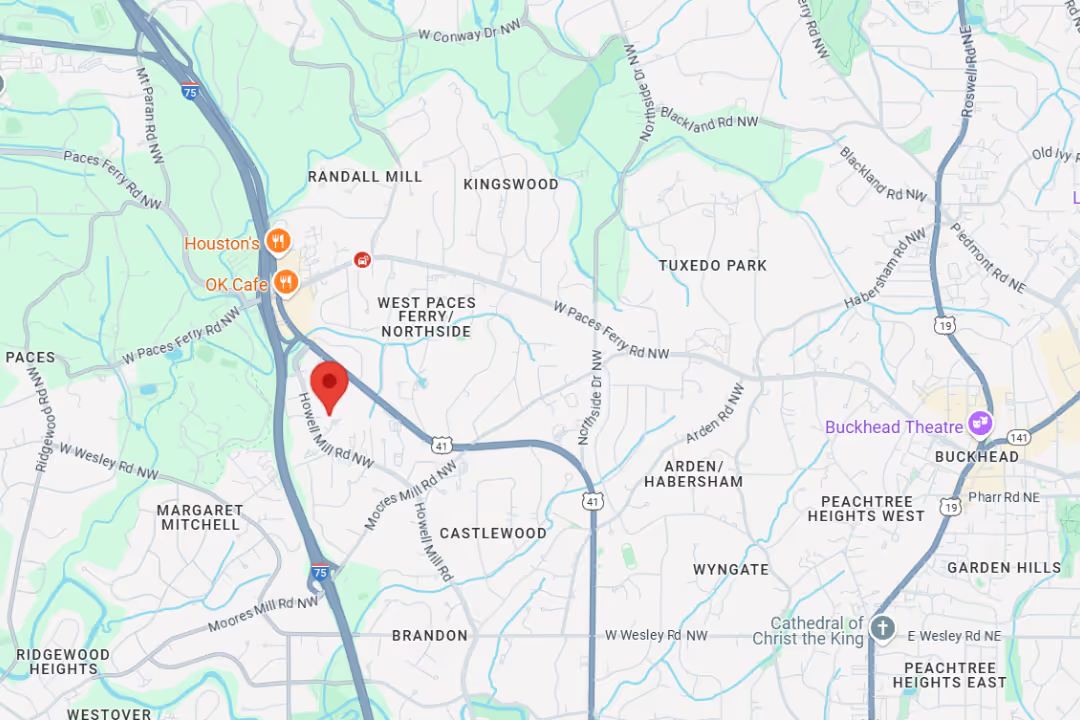
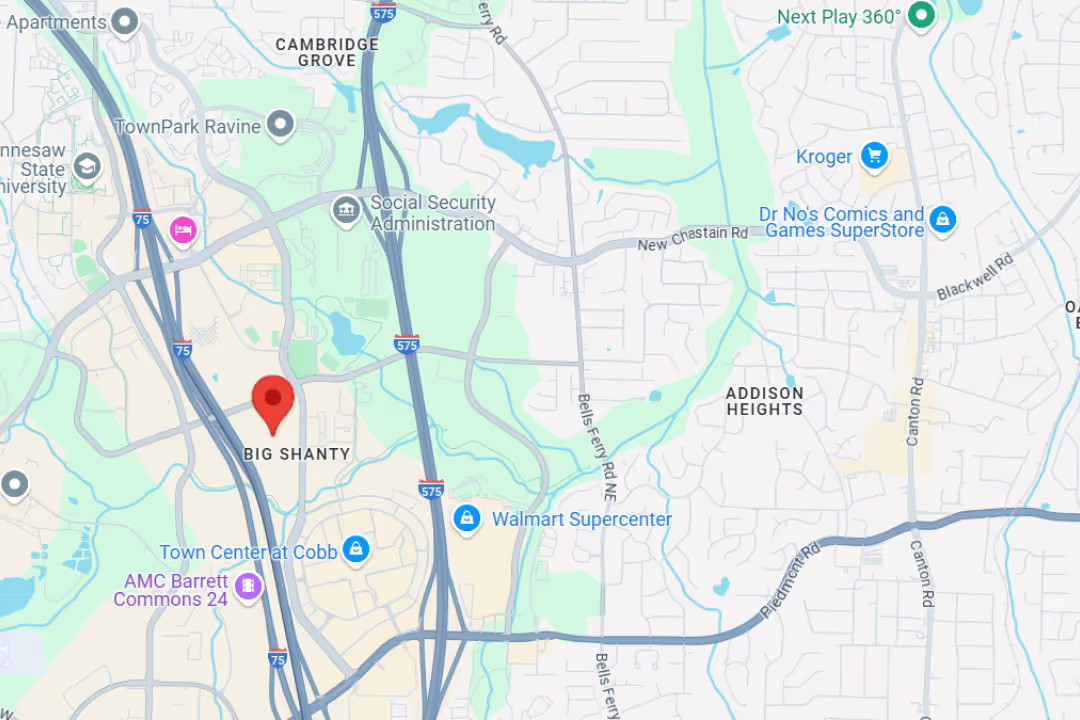
Schedule an evaluation with our spine team in Kennesaw, Snellville, Marietta, or Buckhead.
Ambulatory Surgery Centers
Marietta: 792 Church Street, Unit 101, Marietta, GA 30060 | (470) 795-8398
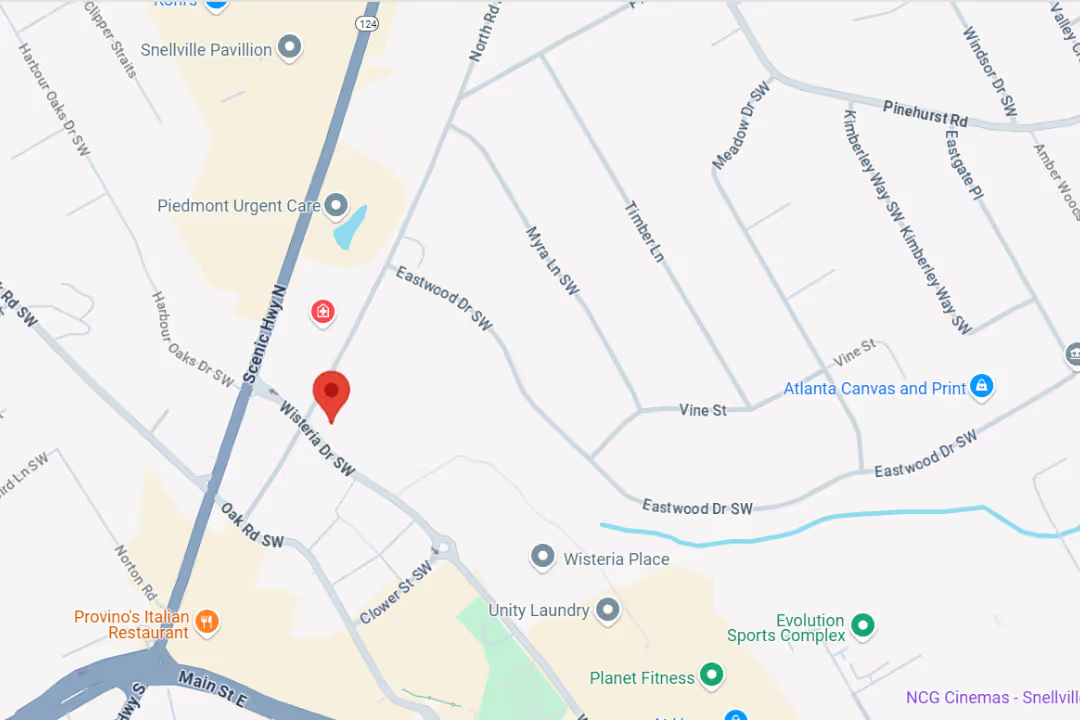
Snellville: 2220 Wisteria Dr, Unit 100, Snellville, GA 30078 | (470) 795-8398
Clinics
Kennesaw: 2911 George Busbee Parkway, Suite 50, Kennesaw, GA 30144 | (770) 545-6404
Snellville: 2220 Wisteria Drive, Unit 101, Snellville, GA 30078 | (470) 645-9297
Buckhead PM&R: 3200 Downwood Circle NW, Suite 520, Atlanta, GA 30327 | (770) 872-7549
📞 +1-844-328-4624 🌐 mediciortho.com
Follow Us
Facebook: facebook.com/MediciOrthopaedicsandSpine
Instagram: @mediciorthoandspine
YouTube: youtube.com/channel/UCJOOMMEtNnvI7-tKln3Umyw
This content is for educational purposes only and does not constitute medical advice. Please consult a qualified provider to discuss your specific situation.
Explore our library of patient support guides covering the conditions we treat, the treatments we offer, and the questions we hear most. Each one is written to help you understand your options and feel confident about your next step. Browse the topics below to learn more, or reach out to our team anytime.

At Medici, you’re more than your MRI.
We take time to hear your story, understand your pain, and create a plan that actually works for you.

Our team delivers specialist care at convenient locations across Metro Atlanta:
Get expert tips on injury recovery, pain relief, joint health, and movement strategies—straight from our Fellowship-Trained team.