Chronic nerve pain can be hard to explain to someone who has not lived with it. It may feel like burning, tingling, shooting pain, electric shocks, deep aching, or numbness that never fully settles down. Some days it may be manageable. Other days, it can affect everything from walking and sleeping to working, driving, and enjoying time with family.
At Medici Orthopaedics & Spine, we understand how discouraging it can be when pain continues despite therapy, medications, injections, surgery, or other treatments. Many patients come to us after months or years of trying to function around pain that keeps interrupting their quality of life.
For patients searching for spinal cord stimulator surgery near Kennesaw, spinal cord stimulation may be an option when chronic nerve-related pain has not improved enough with conservative care. It is not the first step for every patient, and it is not right for every type of pain, but for carefully selected patients, it may help reduce pain signals and support better daily function.
A spinal cord stimulator is a medical device designed to help manage certain types of chronic pain, especially nerve-related pain. The device sends mild electrical impulses near the spinal cord to help change how pain signals are processed before they reach the brain.
It does not remove the underlying condition or “fix” damaged tissue in the way a repair surgery might. Instead, it works by helping reduce the intensity of pain signals so that pain may feel less overwhelming.
A spinal cord stimulator may be considered for patients who have chronic pain that has not improved enough with other appropriate treatments.
Pain signals travel through nerves to the spinal cord and then to the brain. Spinal cord stimulation is designed to interrupt or modify those signals. Many patients describe the effect as pain being reduced, replaced by a different sensation, or made less noticeable, depending on the type of device and programming used.
Spinal cord stimulation may help patients:
A spinal cord stimulator system usually includes a few main parts. While device designs can vary, the basic components work together to deliver and control stimulation.
Common components include:
The spinal cord stimulator trial is one of the most helpful parts of the process. It allows patients to test the therapy before deciding whether to move forward with permanent implantation.
During the trial, temporary leads are placed to deliver stimulation, and the patient uses an external device for a short period. This gives the patient and care team a clearer idea of whether spinal cord stimulation may meaningfully reduce pain.
The trial helps answer:
During the trial procedure, temporary leads are placed near the spinal cord. The leads are connected to an external stimulator worn outside the body. The system is then programmed to target the patient’s pain pattern.
The trial is typically performed with careful imaging guidance and sterile technique. Patients receive instructions on how to use the external device, what activities to avoid, and how to track results.
During the trial period, patients may be asked to avoid:
The spinal cord stimulator trial is not only about whether pain feels different in the moment. It is also about whether life feels more manageable. Patients are often asked to pay attention to real-life function.
Helpful things to track include:
A successful trial is usually based on meaningful pain relief and improved function. Some patients focus only on a pain number, but the bigger question is whether the therapy helps the patient live better.
A successful trial may mean:
Permanent spinal cord stimulator implantation is usually considered after a successful trial. The trial gives the patient and care team a chance to see whether stimulation provides meaningful pain relief and improves daily function before moving forward with an implanted device.
Permanent implantation may be discussed if the trial helps improve:
During permanent spinal cord stimulator surgery, the leads are placed near the spinal cord in the area that best targets the patient’s pain pattern. The pulse generator, or battery, is placed beneath the skin, often in the back, hip, or buttock region.
The exact placement depends on the patient’s anatomy, pain location, device type, and surgical plan. Once implanted, the system is programmed to deliver stimulation that is customized to the patient’s symptoms.
The procedure generally involves:
Programming is an important part of spinal cord stimulation. The device settings are adjusted to target the patient’s pain pattern and comfort level. Some patients need several programming changes over time to get the best coverage.
Programming may focus on:
Living with a spinal cord stimulator takes some adjustment. Patients need to learn how to use the controller, charge the device if it is rechargeable, follow activity precautions, and keep up with appointments.
Daily life with a spinal cord stimulator may include:
Chronic nerve pain can wear down more than the body. It can affect sleep, patience, independence, work, relationships, and hope. When pain has continued despite multiple treatments, it is understandable to wonder whether there is anything left that may help.
At Medici Orthopaedics & Spine, we believe patients deserve a careful, honest, least-invasive approach. Our team takes time to understand your pain, review your history, explain your options, and help you decide whether spinal cord stimulation makes sense for your goals.
If you are searching for spinal cord stimulator surgery near Kennesaw, Medici Orthopaedics & Spine is here to help you explore your options with clarity and care. Our team can evaluate your symptoms, review your prior treatments, and determine whether a spinal cord stimulator trial may be appropriate.
You do not have to keep living around chronic nerve pain without answers. Contact Medici today to take the next step toward restoring your quality of life through a treatment plan built around your needs.
Main Contact: +1-844-328-4624
Website: https://www.mediciortho.com/
Ambulatory Surgery Centers
Marietta
792 Church Street, Unit 101
Marietta, GA 30060
(470) 795-8398
Snellville
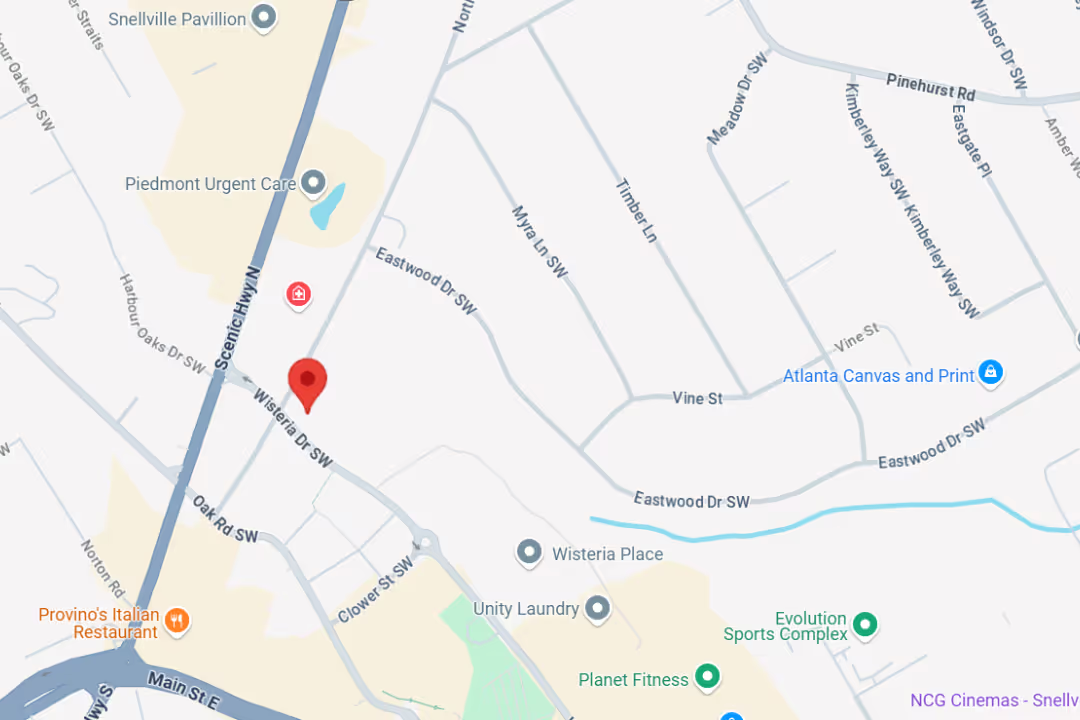
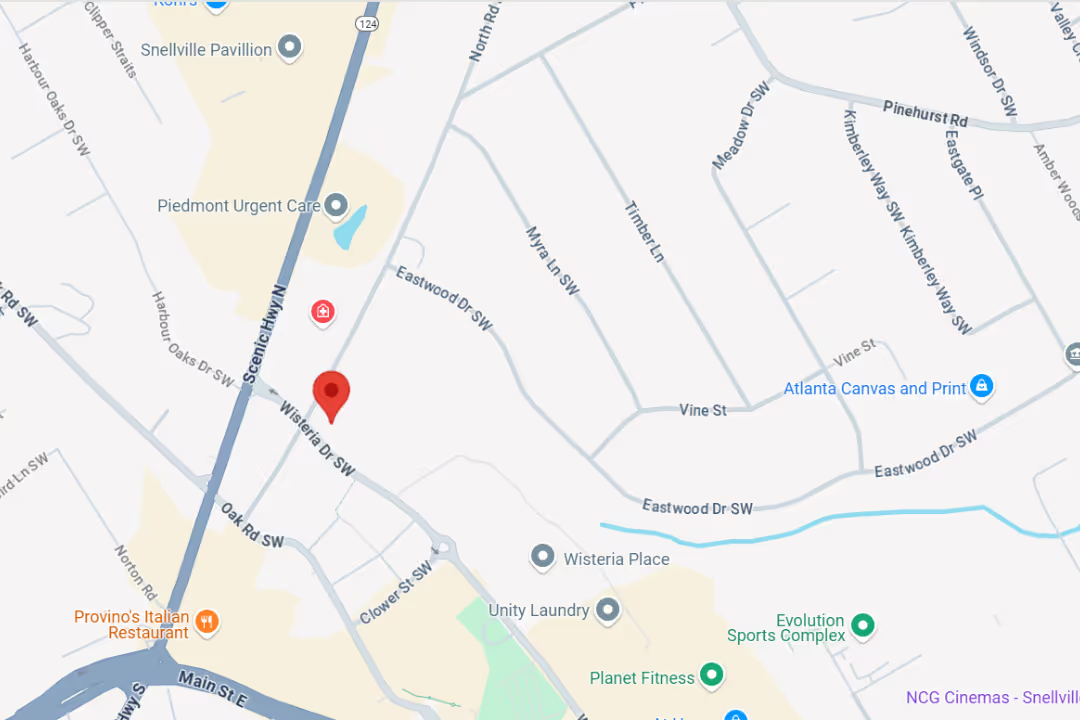
2220 Wisteria Dr, Unit 100
Snellville, GA 30078
(470) 795-8398
Clinics
Kennesaw
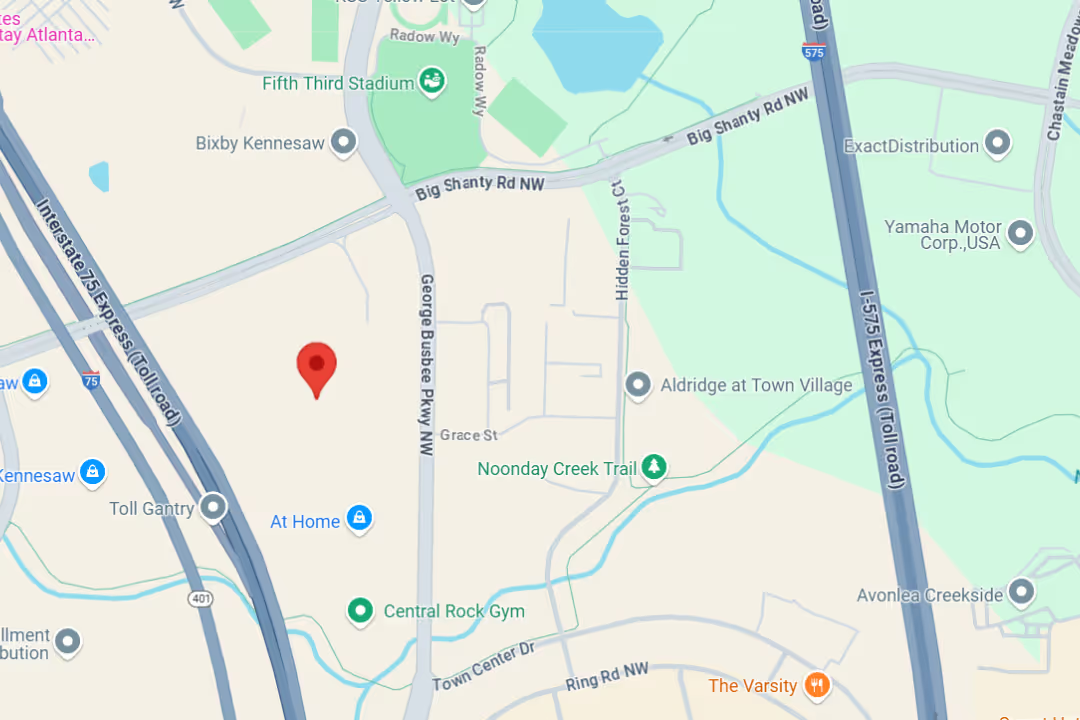
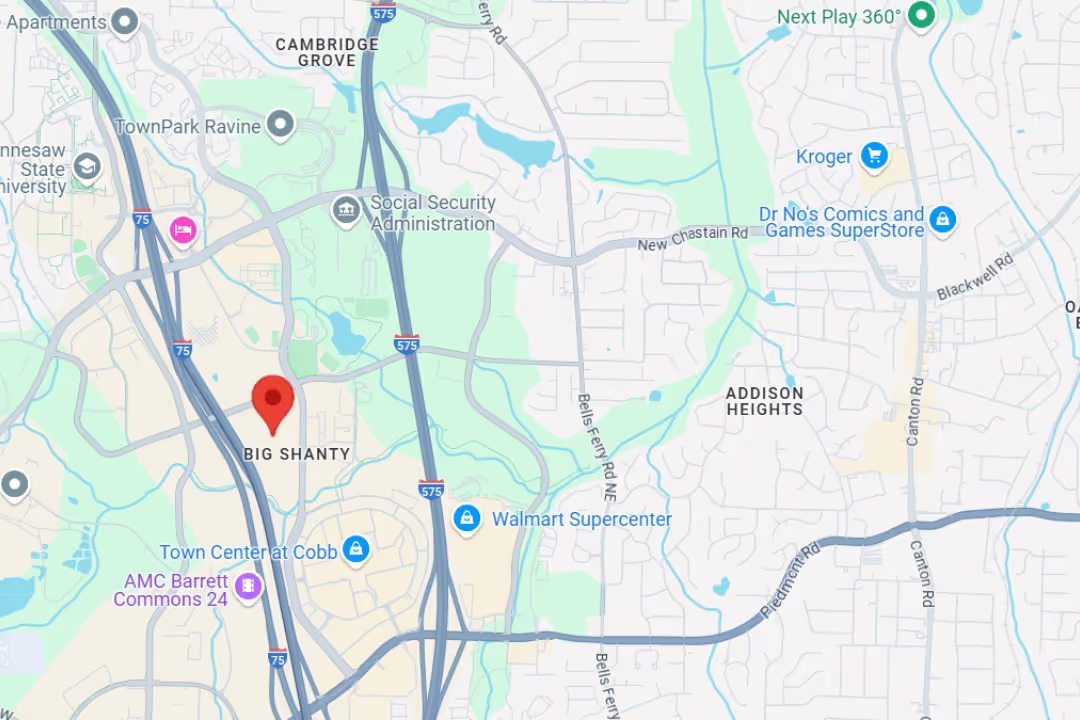
2911 George Busbee Parkway, Suite 50
Kennesaw, GA 30144
(770) 545-6404
Snellville
2220 Wisteria Drive, Unit 101
Snellville, GA 30078
(470) 645-9297
Buckhead PM&R
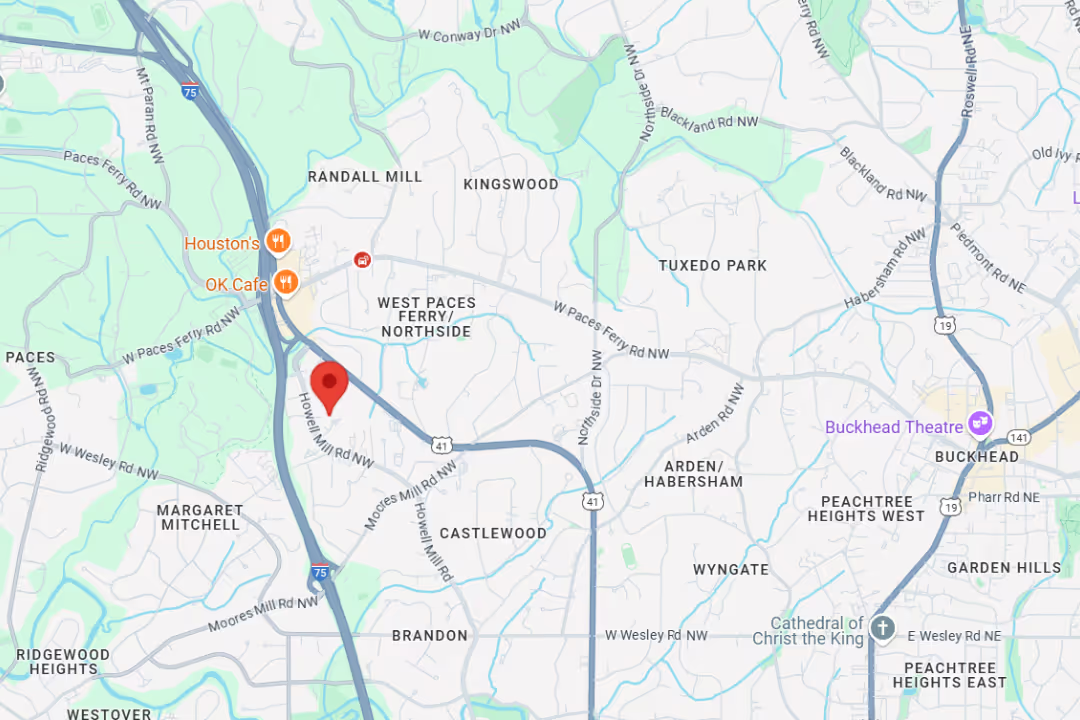
3200 Downwood Circle NW, Suite 520
Atlanta, GA 30327
(770) 872-7549
At Medici, you’re more than your MRI.
We take time to hear your story, understand your pain, and create a plan that actually works for you.

Our team delivers specialist care at convenient locations across Metro Atlanta:
Get expert tips on injury recovery, pain relief, joint health, and movement strategies—straight from our Fellowship-Trained team.