Chronic pain has a way of shrinking your world. It’s not just the discomfort in your back, legs, or joints—it’s the way pain changes your sleep, your mood, your patience, and your relationships. It can turn simple routines into exhausting decisions: Can I sit through dinner? Will I pay for it tomorrow? Over time, pain stops being an occasional problem and starts feeling like a constant companion.
In Buckhead, many patients look for advanced solutions because they want more than a cycle of short-term fixes or constant medication. They want steady, dependable relief—and they want it in a way that supports daily life, not one that creates new concerns about side effects or long-term dependence.
It’s also completely normal to hesitate when you hear the words spinal cord stimulation. A common reaction is: “Is a device really the next step?” That’s a fair question—and it deserves a clear, honest answer. Spinal cord stimulation (SCS) isn’t for everyone, but for the right patient, it can be a meaningful, life-changing option.
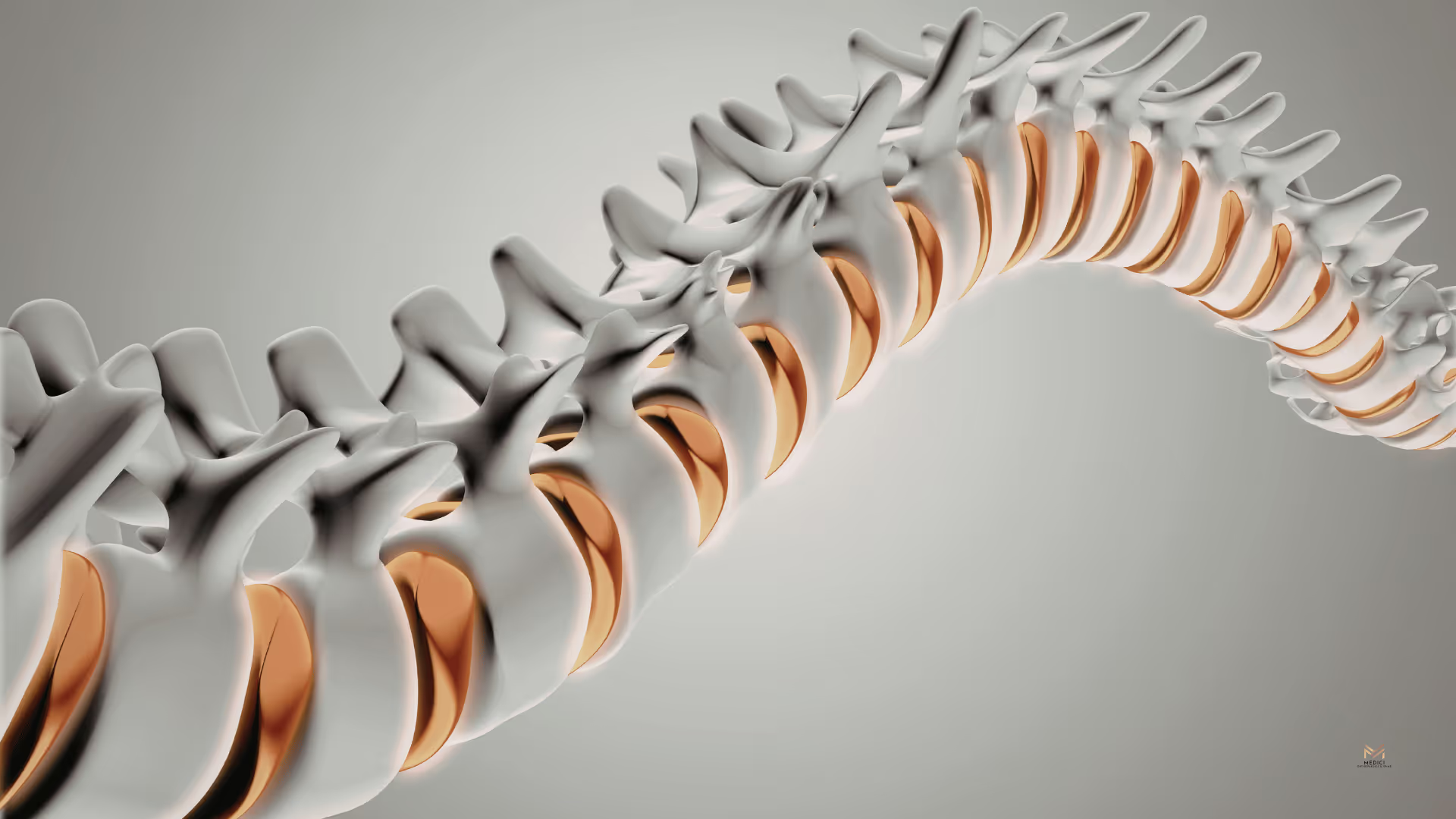
Spinal cord stimulation is a treatment designed to help manage chronic pain—especially nerve-related pain—by changing how pain signals are processed. Instead of “fixing” a disc or joint directly, SCS focuses on the nervous system, where many chronic pain signals originate and persist.
When nerves are irritated or damaged, they can send persistent pain signals to the brain—signals that may feel like burning, shooting, electrical pain, or intense sensitivity. Spinal cord stimulation works by delivering mild electrical impulses near the spinal cord. These impulses help interrupt or modify pain signals before they reach the brain, which can reduce how intensely you feel the pain.
While different systems vary, spinal cord stimulation generally includes:
SCS may be considered for people experiencing:
Mechanical pain typically comes from structural issues—like joint degeneration, instability, or muscle strain—and often behaves like aching, stiffness, or pain with specific movements. Neuropathic pain, on the other hand, is driven by nerve signaling and sensitivity.
Because SCS targets pain signaling, it tends to help more when nerve pathways are the primary driver. If pain is mostly mechanical, other approaches may be more effective (such as targeted rehabilitation, interventional treatments, or regenerative options where appropriate).
Chronic pain is typically defined as pain that persists beyond normal healing timelines. If your pain has continued for 3–6 months or longer, it may be time to consider more advanced solutions.
Common indicators include:
Many people consider SCS after they’ve genuinely tried standard options, such as:
A major reason people seek SCS is the desire to step away from constant medication as the primary strategy.
You may relate if you have:
Spinal cord stimulation is typically most effective for neuropathic pain (nerve-driven pain). Symptoms often include:
One of the most reassuring parts of spinal cord stimulation is that it typically involves a trial period before any permanent implant is considered. This “try before you commit” approach matters because it reduces guesswork and helps patients make decisions based on real-life results.
Most SCS trials involve:
Success doesn’t have to mean “zero pain.” A realistic definition is:
Patients often hope to achieve:
For many people, the real wins look like:
Many SCS systems allow a degree of personalized control (as appropriate), meaning:
Chronic pain is real—and it deserves more than rushed appointments, vague answers, or “just live with it” advice. If you’ve been dealing with persistent nerve pain, the most important next step is finding a care team that takes a thoughtful, least-invasive approach, grounded in accurate diagnosis and honest guidance.
If you’re living with chronic nerve pain and wondering whether spinal cord stimulation could help, the team at Medici Orthopaedics & Spine is here for you. We take time to understand your history, identify the true source of pain, and walk you through your options—including minimally invasive treatments and spinal cord stimulation—so you can make a confident decision.
📞 Main Appointment Line: 1-844-328-4624
🌐 Website: https://www.mediciortho.com
Clinics
At Medici, you’re more than your MRI.
We take time to hear your story, understand your pain, and create a plan that actually works for you.

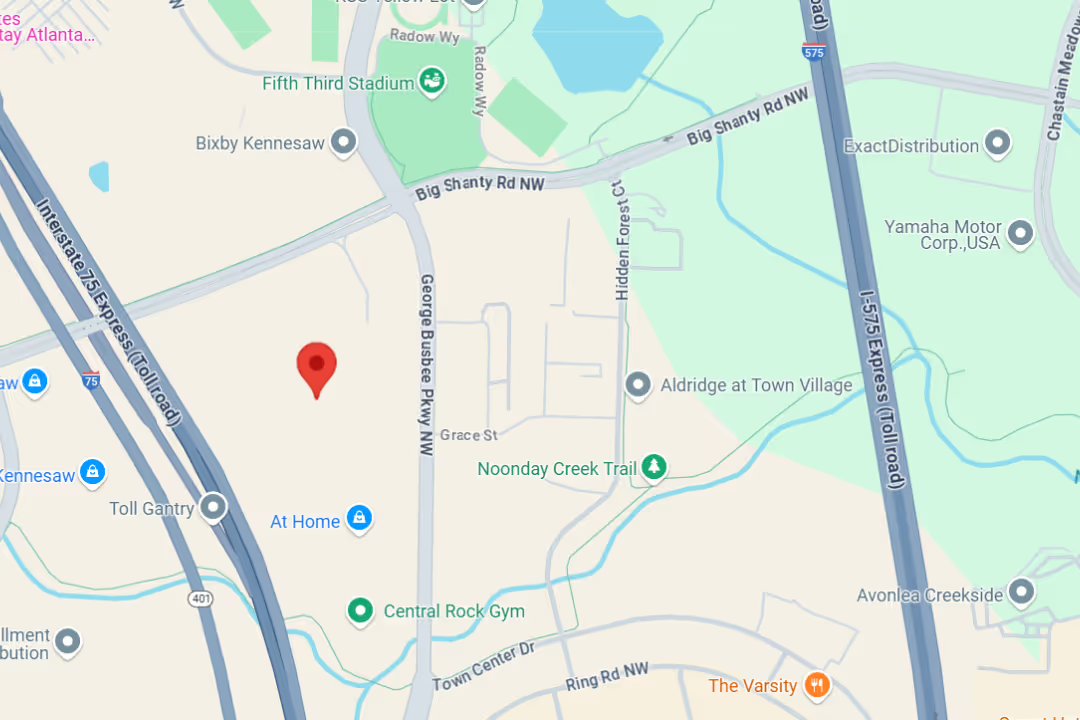
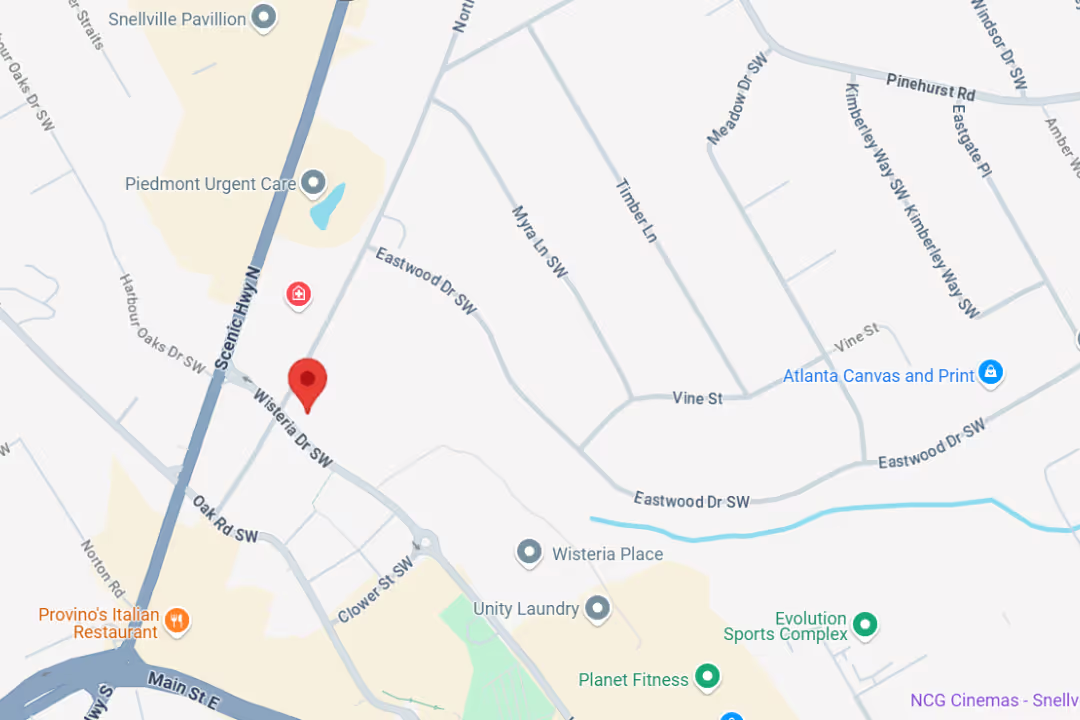
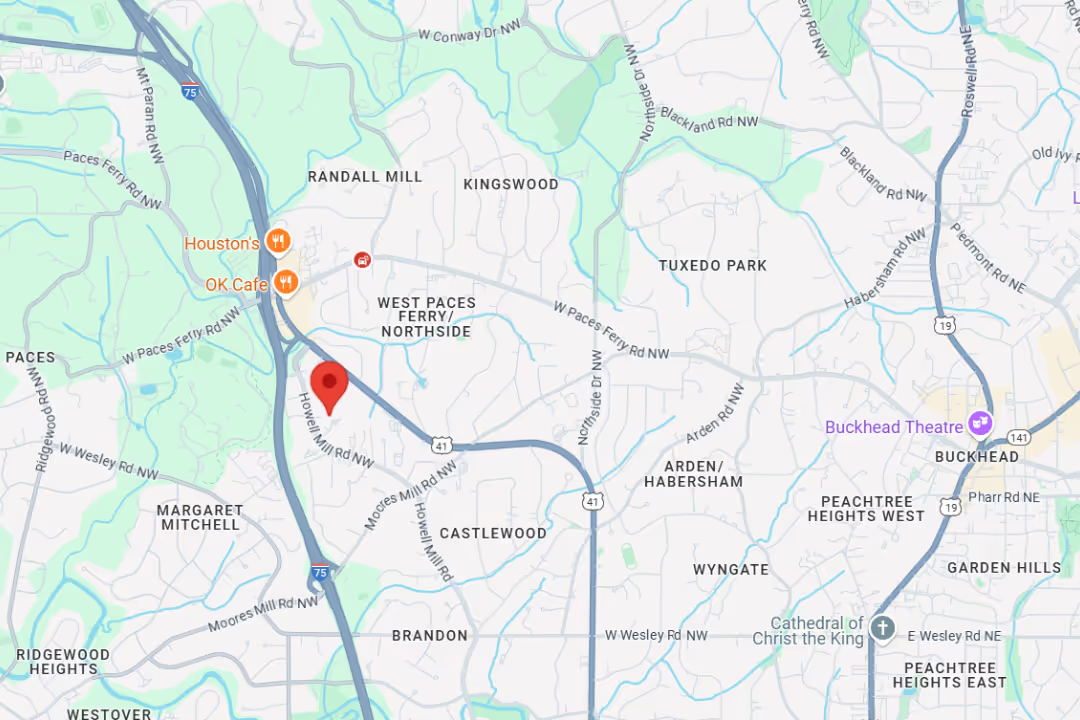
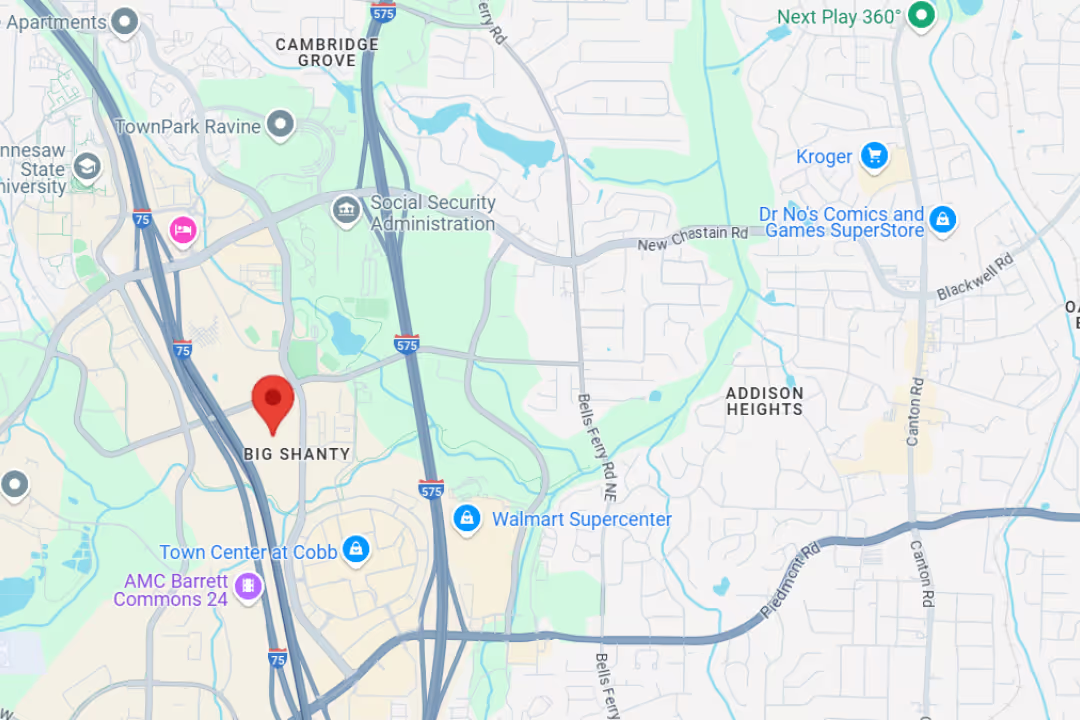
Our team delivers specialist care at convenient locations across Metro Atlanta:
Get expert tips on injury recovery, pain relief, joint health, and movement strategies—straight from our Fellowship-Trained team.