Rotator cuff surgery is a big step, and most patients do not arrive there casually. By the time surgery happens, many people have already dealt with months of shoulder pain, weakness, poor sleep, trouble lifting, and the frustration of not being able to use their arm the way they want to.
Post-surgical physical therapy after rotator cuff repair is one of the most important parts of recovery. It helps protect the repaired tendon while gradually restoring range of motion, shoulder control, strength, and confidence. A good rehab plan is not about forcing the shoulder. It is about helping it heal in the right order.
At Medici Orthopaedics & Spine, Dr. Sonny Dosanjh and the Medici team understand that shoulder recovery is about more than exercises. It is about sleeping better, dressing easier, returning to work safely, and getting back to the daily life you have been missing. For patients in Marietta and surrounding Georgia communities, our care is structured, supportive, and focused on restoring quality of life.
The first few days after rotator cuff surgery are usually focused on comfort, protection, and following the surgeon’s instructions. Patients may have swelling, soreness, bruising, fatigue, and difficulty sleeping. That is normal, but symptoms should gradually become more manageable.
During this early period, patients are usually focused on:
Many patients wear a sling for several weeks after rotator cuff surgery, but the exact timeline depends on the procedure, tear size, tissue quality, and surgeon’s protocol. The sling helps protect the repair and reduces accidental movements that could stress the healing tendon.
While in a sling, patients may need help with:
In the early phase, patients are typically told to avoid active use of the surgical arm. This means the shoulder should not be used to lift, reach, push, pull, or support body weight until cleared.
Common early restrictions may include avoiding:
Pain and sleep problems are very common after rotator cuff surgery. Many patients find it difficult to lie flat or sleep on their usual side. Some sleep better in a recliner or with pillows supporting the arm and upper body.
Strategies that may help include:
Rotator cuff recovery works best when the patient, surgeon, physical therapist, and care team are communicating clearly. Follow-up visits help monitor healing, adjust restrictions, and determine when rehab can progress.
Patients should share:
The first phase of rehab focuses on protecting the repair while keeping nearby areas from becoming overly stiff. The shoulder itself may be limited, but other areas can often move safely.
Early therapy may include:
This phase can feel slow, but it sets the foundation for the rest of recovery. The repair needs time before the shoulder can do more.
Passive range of motion means the shoulder is moved without the patient actively using the repaired rotator cuff muscles. The therapist may gently move the arm, or the patient may use specific approved techniques that keep the shoulder relaxed.
The goals of passive motion are to:
Passive motion should follow the surgeon’s protocol. Different repairs have different limits, especially with external rotation, elevation, and reaching positions.
Once the repair has healed enough and the patient is cleared, therapy may progress to active-assisted and then active motion. Active-assisted motion means the patient begins helping the shoulder move, often with support from the non-surgical arm, a cane, pulleys, or therapist guidance.
Active motion means the patient begins moving the surgical arm under its own power without resistance.
This phase may include:
This is often an exciting phase because patients begin to feel like they are getting their arm back. Still, control matters. Moving with poor mechanics can create irritation and compensation patterns.
Strengthening begins only when the shoulder is ready. This phase focuses on rebuilding the muscles that support and control the shoulder, especially the rotator cuff and shoulder blade stabilizers.
Strengthening may include:
The goal is to restore strength without irritating the repair. Patients should expect gradual progress, not instant strength.
The final phase of rehab focuses on returning to the activities that matter most. This may look different for every patient. A desk worker, nurse, contractor, golfer, caregiver, warehouse employee, and tennis player all place different demands on the shoulder.
Functional return may include:
This phase helps patients move from basic recovery to real-world confidence.
Rotator cuff rehab does not follow one identical timeline for every patient. Some patients move quickly. Others need more time because of tear size, stiffness, pain, age, tissue quality, or other health conditions.
Recovery may vary based on:
At Medici, progress is guided by healing, safety, and function — not the calendar.
Rotator cuff surgery is only one part of the healing process. The repair gives the shoulder a new opportunity, but physical therapy helps turn that opportunity into movement, strength, confidence, and function. A thoughtful rehab plan can make the difference between simply healing and truly getting back to life.
Recovery takes time, and it is normal to have questions along the way. Some days feel encouraging. Other days feel slow. That is why having a team that listens, explains, adjusts, and supports you matters. You should not have to guess which movements are safe or wonder whether your pain is normal.
If you are recovering from rotator cuff surgery and need post-surgical physical therapy in Marietta, Medici Orthopaedics & Spine is here to help. Our team offers guided rehabilitation and comprehensive orthopedic care designed to restore movement, reduce pain, and rebuild strength safely.
We will take time to understand your surgery, your restrictions, your pain level, and what you need your shoulder to do in real life. From early protection to functional strengthening, our team is here to support your recovery step by step.
Call +1-844-328-4624 or visit https://www.mediciortho.com/ to schedule an appointment.
Ambulatory Surgery Centers
Marietta
792 Church Street
Unit 101
Marietta, GA 30060
(470) 795-8398
Snellville
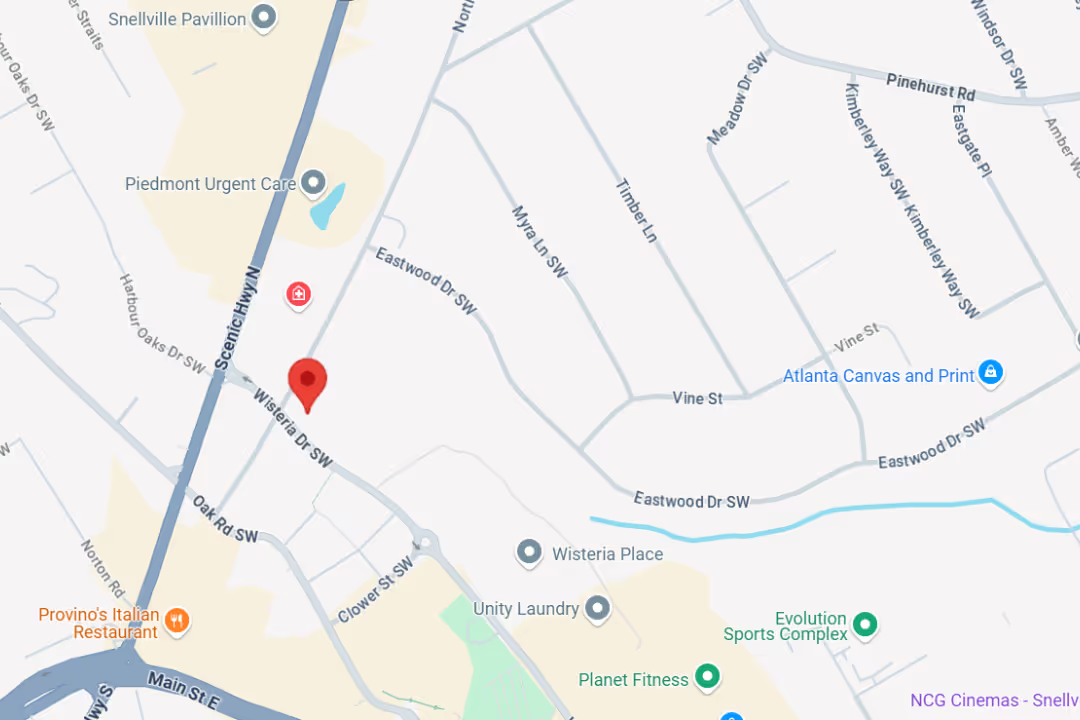
2220 Wisteria Dr
Unit 100
Snellville, GA 30078
(470) 795-8398
Clinics
Kennesaw
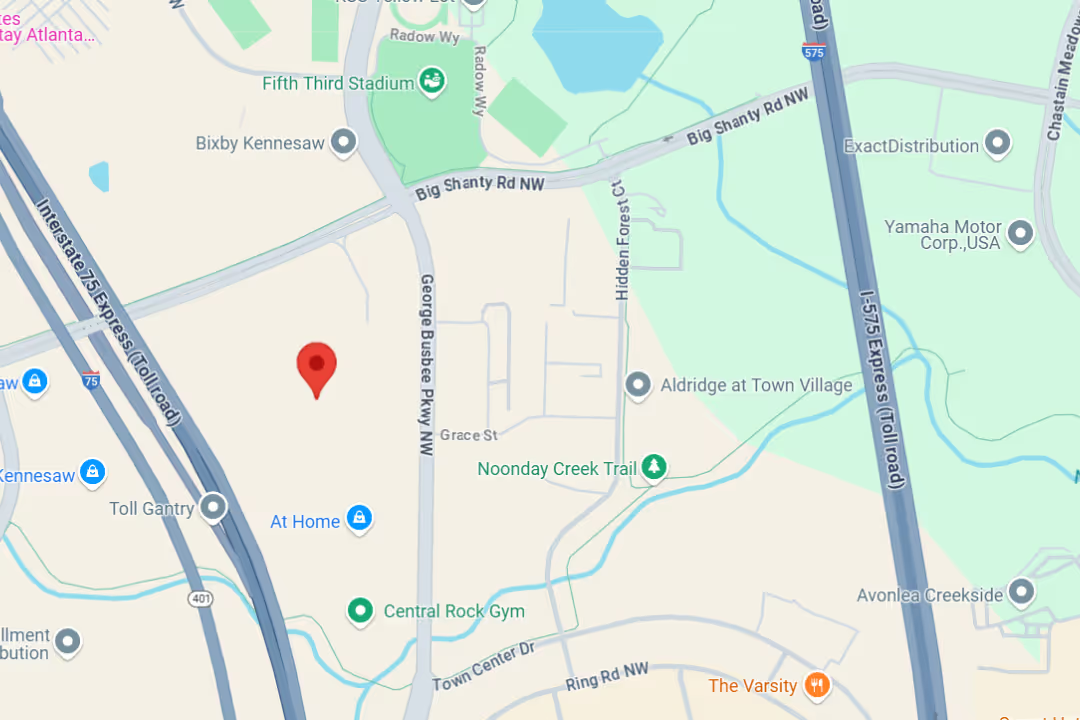
2911 George Busbee Parkway
Suite 50
Kennesaw, GA 30144
(770) 545-6404
Snellville
2220 Wisteria Drive
Unit 101
Snellville, GA 30078
(470) 645-9297
Buckhead PM&R
3200 Downwood Circle NW
Suite 520
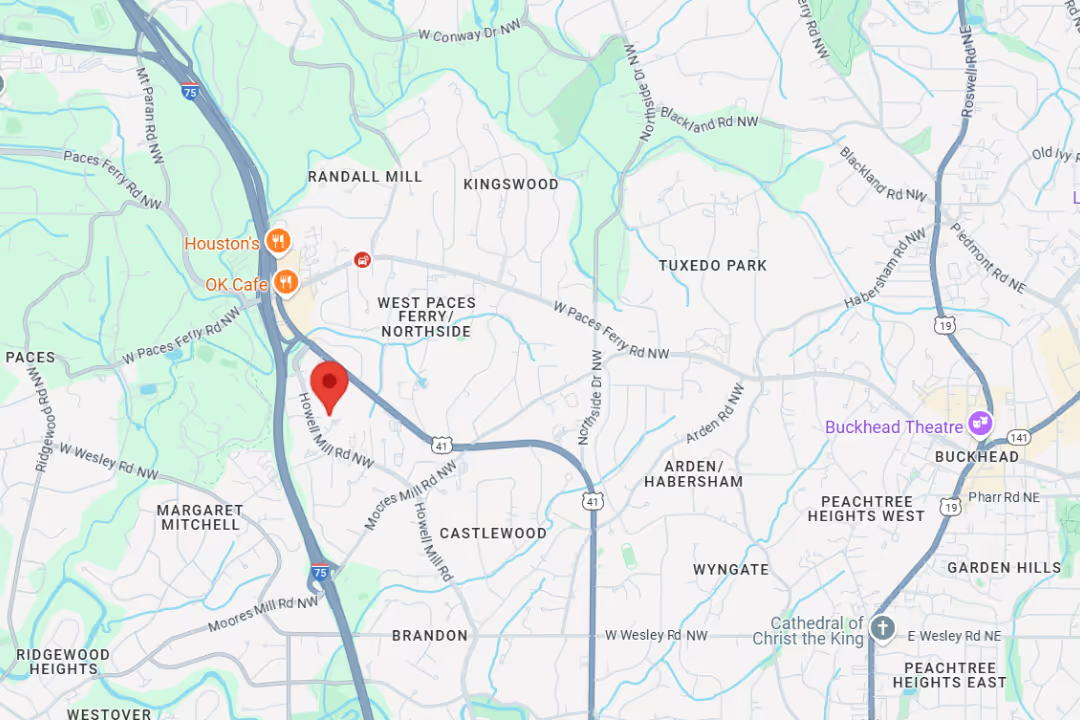
Atlanta, GA 30327
(770) 872-7549
At Medici, you’re more than your MRI.
We take time to hear your story, understand your pain, and create a plan that actually works for you.
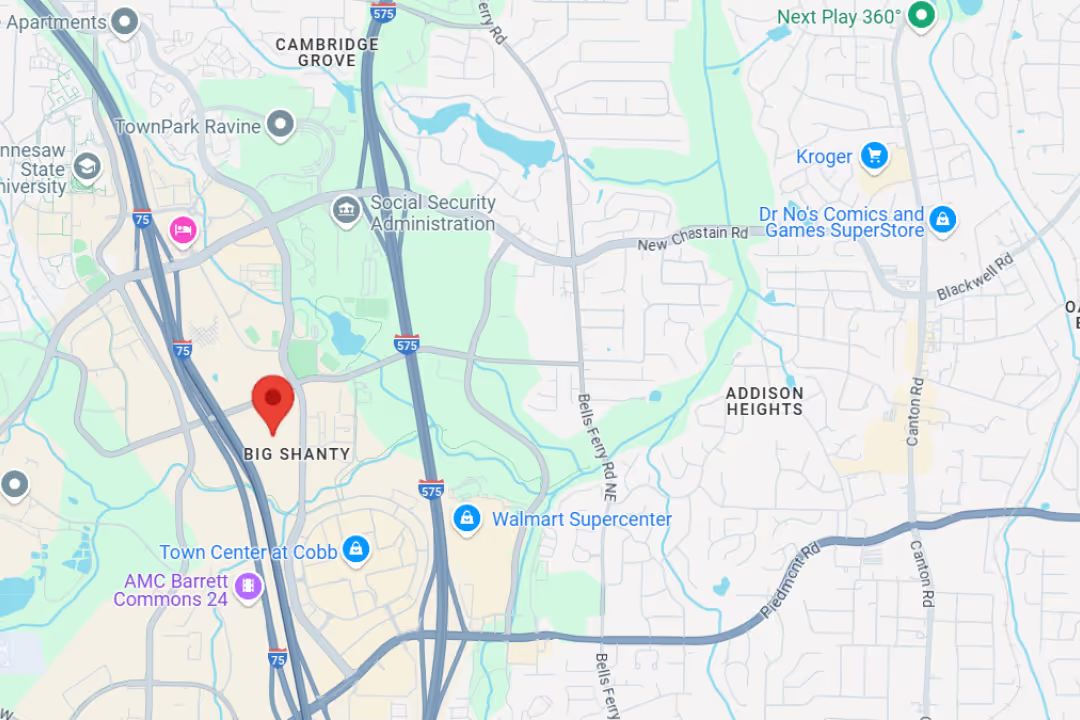
Our team delivers specialist care at convenient locations across Metro Atlanta:
Get expert tips on injury recovery, pain relief, joint health, and movement strategies—straight from our Fellowship-Trained team.