Recovering from a shoulder dislocation can be both physically and mentally challenging. Even after the initial pain subsides, many individuals are left dealing with lingering instability, weakness, and uncertainty about returning to normal activities. The shoulder may feel vulnerable, especially during certain movements, making everyday tasks and physical activity more stressful than before.
One of the biggest concerns after a dislocation is the high risk of it happening again. Without proper care, strengthening, and guidance, the shoulder joint can remain unstable—making recurrence far more likely. This risk is especially significant for active individuals, athletes, and those whose daily routines involve repetitive arm movements.
At Medici Orthopedics & Spine, the focus is on restoring not just healing—but stability and confidence. Through precise evaluation and minimally invasive, patient-centered care, the goal is to strengthen the shoulder, correct underlying issues, and help you return to your normal lifestyle with greater security and control.
Understanding Shoulder Dislocation
What Happens During a Shoulder Dislocation
The shoulder is one of the most mobile joints in the body, which also makes it one of the most vulnerable to instability. It functions as a ball-and-socket joint, where the rounded head of the upper arm bone (humerus) fits into a shallow socket in the shoulder blade.
- Ball-and-socket joint structure of the shoulder
- Designed for a wide range of motion, allowing lifting, rotation, and overhead movement
- Relies heavily on soft tissues—muscles, ligaments, and tendons—for stability
- How the humeral head slips out of the socket
- A dislocation occurs when the humeral head is forced out of its normal position
- This can happen due to trauma, sudden impact, or excessive rotation
- Damage to ligaments, labrum, and surrounding tissues
- The labrum (a ring of cartilage) may tear, reducing stability
- Ligaments can stretch or rupture, weakening joint support
- Surrounding muscles may become strained or inhibited
Why Recurrence Is Common
Once the shoulder has been dislocated, it becomes more susceptible to future dislocations. This is because the structures that normally keep the joint stable have already been compromised.
- Joint instability after initial injury
- The socket may no longer hold the humeral head as securely
- Even minor movements can increase the risk of re-injury
- Weakness in supporting muscles
- Muscles that stabilize the shoulder—especially the rotator cuff—may not regain full strength
- Weakness leads to less control during movement
- Incomplete rehabilitation
- Skipping or rushing physical therapy can leave the shoulder underprepared
- Lack of proper strengthening increases long-term risk
Risk Factors for Recurrent Shoulder Dislocation
Patient-Specific Factors
Certain individual characteristics can make the shoulder more prone to instability, even after initial healing.
- Age and activity level
- Younger individuals, especially those under 30, tend to have a higher recurrence rate
- Active lifestyles place greater demand on the shoulder joint
- Genetic joint laxity or hypermobility
- Some people naturally have looser ligaments, making joints less stable
- This increased flexibility can make it easier for the shoulder to slip out of place
- Previous shoulder injuries
- A history of dislocations or subluxations weakens the joint over time
- Repeated injuries can further stretch ligaments and damage stabilizing structures
Activity-Related Risks
The way you move and the activities you engage in can significantly influence your risk of re-injury.
- Contact sports (football, basketball)
- High-impact collisions increase the likelihood of trauma to the shoulder
- Sudden forces can overwhelm already weakened stabilizing structures
- Overhead activities (throwing, swimming)
- Repetitive overhead motion places stress on the shoulder joint
- Can gradually lead to instability if muscles are not properly conditioned
- Repetitive strain or poor movement patterns
- Improper technique or posture can create uneven stress on the joint
- Over time, this contributes to wear, weakness, and increased risk of dislocation
Importance of Proper Rehabilitation
Why Rehab Is Critical
A structured rehabilitation program does more than just help you recover—it builds the foundation for long-term shoulder health.
- Restores strength and stability
- Rebuilds the muscles that support and protect the joint
- Improves control during movement
- Prevents long-term joint damage
- Reduces wear and tear on cartilage and surrounding tissues
- Helps avoid chronic instability and degeneration
- Reduces likelihood of future dislocations
- Strengthens key stabilizers like the rotator cuff and scapular muscles
- Enhances coordination and joint awareness
Phases of Rehabilitation
Recovery from a shoulder dislocation should follow a progressive, structured approach. Skipping steps or rushing the process can increase the risk of recurrence.
- Initial rest and inflammation control
- Allows damaged tissues to begin healing
- Focus on reducing swelling and protecting the joint
- Gradual mobility restoration
- Gentle movements to restore range of motion without stressing the joint
- Prevents stiffness while maintaining stability
- Strengthening and stabilization
- Targeted exercises to rebuild muscle strength and joint control
- Focus on rotator cuff and scapular stabilizers
- Functional and sport-specific training
- Prepares the shoulder for real-life activities and athletic demands
- Ensures safe return to work, sports, and daily movement
Exercises to Prevent Shoulder Dislocation Recurrence
Rotator Cuff Strengthening
The rotator cuff plays a critical role in keeping the shoulder joint stable. These muscles act like a dynamic support system, holding the ball of the joint securely in place during movement.
- Internal and external rotation exercises
- Performed with light resistance to strengthen deep stabilizing muscles
- Focus on slow, controlled motion rather than heavy weight
- Resistance band routines
- Bands provide consistent tension without overloading the joint
- Ideal for gradual progression and safe strengthening
- Importance of controlled, consistent practice
- Quality of movement is more important than intensity
- Regular, structured routines help retrain muscle coordination and stability
Scapular Stabilization Exercises
The shoulder blade (scapula) is the foundation of shoulder movement. If it’s not stable, the entire joint becomes more vulnerable to injury.
- Strengthening shoulder blade muscles
- Targets muscles that anchor and guide shoulder motion
- Improves overall joint control and efficiency
- Improving posture and alignment
- Encourages proper positioning of the shoulder during daily activities
- Reduces unnecessary strain on the joint
- Exercises like rows and scapular squeezes
- Help reinforce proper mechanics
- Promote balanced muscle activation across the upper back
Range of Motion and Flexibility
Maintaining mobility is important, but it must be balanced with stability—especially after a dislocation.
- Gentle stretching to maintain mobility
- Keeps the joint flexible without compromising control
- Helps prevent stiffness and compensatory movement patterns
- Avoiding overstretching that increases instability
- Excessive stretching can loosen already vulnerable structures
- Focus should remain on controlled, functional range of motion
Proprioception and Stability Training
Proprioception is your body’s ability to sense position and movement. After a dislocation, this awareness is often reduced, increasing the risk of re-injury.
- Balance and coordination exercises
- Improve communication between muscles and the nervous system
- Enhance the body’s ability to react quickly and safely
- Training the body to react to movement changes
- Helps the shoulder stabilize during unexpected or dynamic motions
- Essential for athletes and active individuals
- Use of stability tools (e.g., exercise balls, bands)
- Adds controlled instability to strengthen joint response
- Builds confidence in real-world movements
Lifestyle and Activity Modifications
Avoiding High-Risk Movements
In the early stages of recovery—and even beyond—it’s important to be mindful of movements that place excessive stress on the shoulder joint.
- Overhead or forceful motions early in recovery
- Reaching or lifting above shoulder level too soon can strain healing tissues
- Gradual progression is key to avoiding re-injury
- Sudden jerking or heavy lifting
- Quick, uncontrolled movements can destabilize the joint
- Heavy loads increase pressure on already vulnerable structures
Improving Daily Movement Patterns
Your everyday habits can either support your recovery or contribute to instability. Optimizing how you sit, stand, and move helps reinforce proper shoulder mechanics.
- Maintaining proper posture
- Keeping shoulders aligned and avoiding slouching reduces unnecessary strain
- Supports balanced muscle activation around the joint
- Using ergonomic techniques at work and home
- Adjusting desk height, chair support, and lifting techniques
- Minimizing repetitive strain and awkward positioning
Gradual Return to Activity
Returning to normal activities too quickly is one of the most common reasons for recurrence. A structured, step-by-step approach is essential.
- Step-by-step reintroduction to sports or exercise
- Begin with low-impact, controlled movements
- Progress to more dynamic activities as strength and stability improve
- Importance of not rushing recovery
- Healing tissues need time to fully regain strength
- Pushing too soon increases the risk of another dislocation
Protect Your Shoulder and Prevent Future Injury
If you’ve experienced a shoulder dislocation, the steps you take now can have a lasting impact on your future mobility and comfort. Preventing recurrence isn’t just about avoiding injury—it’s about building a stronger, more stable foundation so you can move freely without hesitation.
At Medici Orthopedics & Spine, we take a personalized, minimally invasive approach to shoulder care. From comprehensive evaluations to customized rehabilitation and advanced treatment options, our goal is to help you regain strength, restore stability, and return to the activities you enjoy—safely and confidently.
Whether you’re recovering from your first dislocation or dealing with ongoing instability, our team is here to guide you every step of the way with care that’s tailored to your needs and focused on long-term results.
📞 Call Us: +1-844-328-4624
🌐 Visit: https://www.mediciortho.com/
Our Locations
Marietta Surgery Center
792 Church Street, Unit 101
Marietta, GA 30060
Snellville Surgery Center
2220 Wisteria Dr, Unit 100
Snellville, GA 30078
Clinic Locations
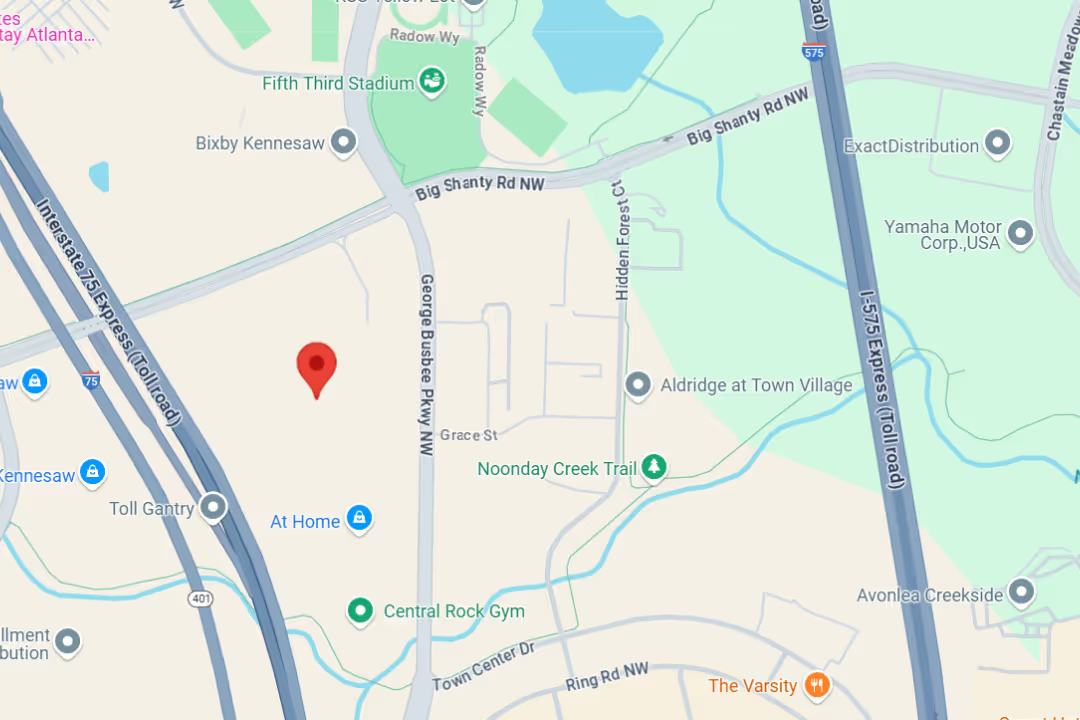
Kennesaw
Snellville
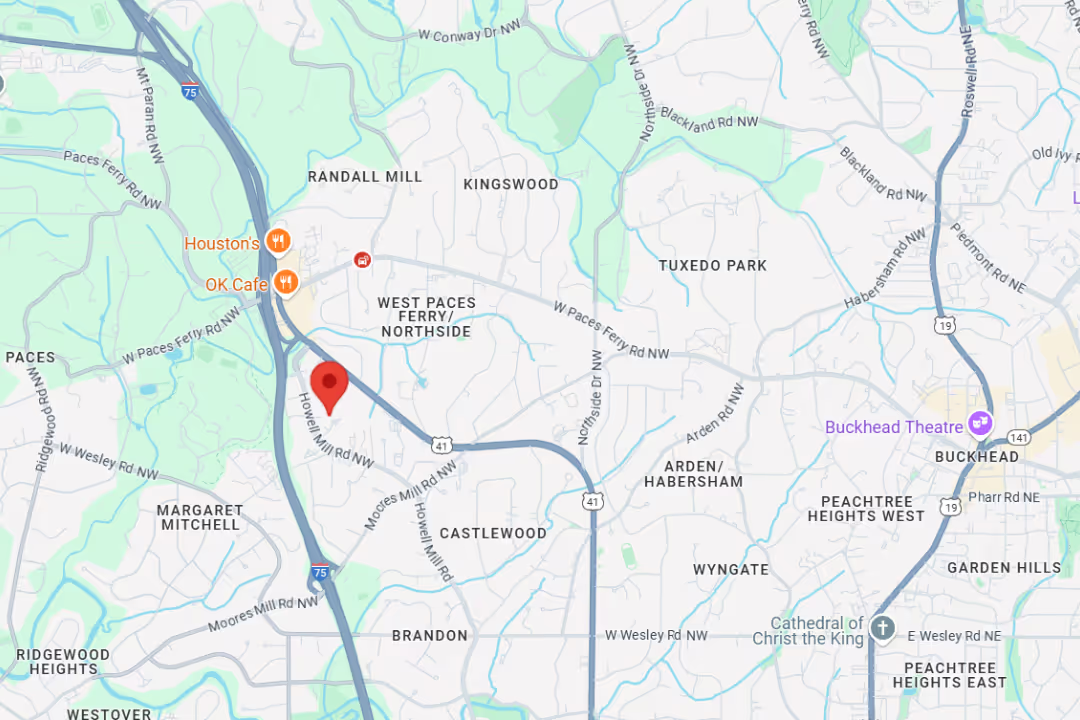
Buckhead