The shoulder is one of the most mobile joints in the body, allowing you to lift, reach, rotate, and perform countless daily activities. But with that mobility comes vulnerability. Because the shoulder relies heavily on soft tissues for stability, it is particularly susceptible to injury—especially within the rotator cuff.
Rotator cuff injuries can significantly affect strength, stability, and overall movement. Even simple tasks like reaching overhead, lifting objects, or sleeping comfortably can become painful and frustrating. Over time, untreated injuries may lead to worsening weakness, reduced function, and compensation patterns that impact other areas of the body.
Physical therapy plays a critical role as a first-line, non-surgical treatment option for many rotator cuff conditions. Rather than masking symptoms, it focuses on restoring strength, improving mechanics, and addressing the root cause of dysfunction. With the right guidance, patients can often avoid surgery altogether or improve outcomes if surgery is required.
The rotator cuff is a group of four muscles and their associated tendons that surround the shoulder joint. These muscles work together to stabilize the shoulder and keep the upper arm securely positioned within the socket.
Their primary functions include:
Rotator cuff injuries can vary in severity, ranging from mild inflammation to more serious structural damage.
Common types include:
Rotator cuff injuries can develop gradually over time or occur suddenly due to trauma. Understanding the underlying causes helps guide effective treatment.
Key risk factors include:
Symptoms can range from mild discomfort to significant functional limitation, depending on the severity of the injury.
Common signs include:
Your first visit lays the foundation for your entire recovery plan. Rather than jumping straight into exercises, your provider takes the time to fully understand your condition.
This evaluation includes:
No two rotator cuff injuries are exactly alike, which is why cookie-cutter programs often fall short. Your therapy plan is customized based on your specific diagnosis, goals, and physical condition.
Your plan may include:
Recovery timelines can vary depending on the severity of the injury and how your body responds to treatment, but having a clear structure helps set expectations.
Typical considerations include:
Managing pain early in the rehabilitation process is essential to allow for proper movement and participation in therapy.
Common approaches include:
Restoring mobility is one of the first goals in treating a rotator cuff injury. Limited movement can lead to stiffness and further dysfunction if not addressed.
Therapy typically includes:
Once pain is controlled and mobility improves, strengthening becomes a central focus. This step is critical for stabilizing the shoulder and preventing future injury.
A structured program may include:
Rehabilitation must translate into real-life movement. Functional training bridges the gap between clinical exercises and everyday activities.
This includes:
Poor posture and movement patterns are often underlying contributors to rotator cuff injuries. Addressing these issues is key to long-term success.
Patients receive guidance on:
Hands-on care is a valuable part of many rehabilitation programs, helping reduce pain and improve tissue mobility.
These techniques may include:
For patients who need additional support, advanced treatments may be recommended alongside physical therapy.
These options are considered:
What you do outside the clinic is just as important as what happens during your sessions. A guided home program reinforces progress and keeps your recovery on track.
Key elements include:
Rotator cuff injuries can have a profound impact on your daily life, making even simple movements feel difficult or painful if left untreated. Over time, what starts as minor discomfort can progress into more significant limitations in strength, mobility, and overall function.
Physical therapy offers a proven and effective path to recovery—one that focuses on healing the root cause rather than simply masking symptoms. Through guided exercises, targeted strengthening, and improved movement mechanics, patients can restore stability and regain confidence in their shoulder.
If shoulder pain is limiting your movement, strength, or quality of life, physical therapy may be the key to restoring function without surgery.
At Medici Orthopaedics & Spine, our team is committed to delivering personalized, minimally invasive care that helps you heal, strengthen, and get back to doing what you love. We take the time to understand your condition and build a treatment plan that works with your body—not against it.
Schedule your consultation today:
🌐 Website: https://www.mediciortho.com/
📞 Phone: +1-844-328-4624
Visit one of our convenient locations:
Marietta Ambulatory Surgery Center
792 Church Street, Unit 101
Marietta, GA 30060
(470) 795-8398
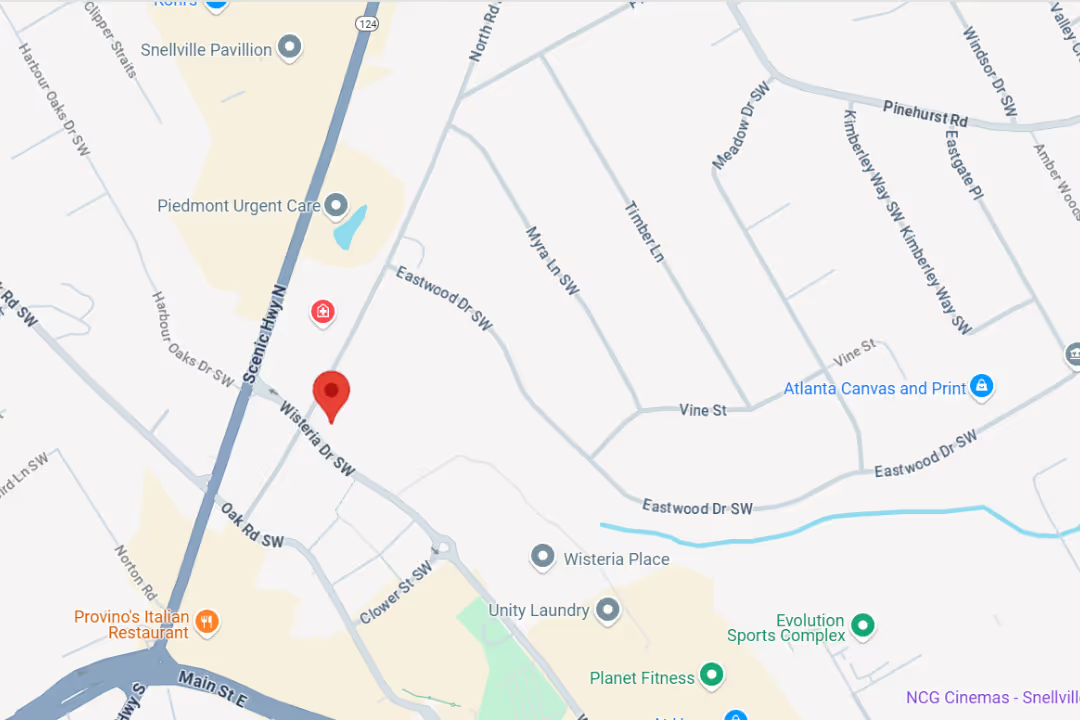
Snellville Ambulatory Surgery Center
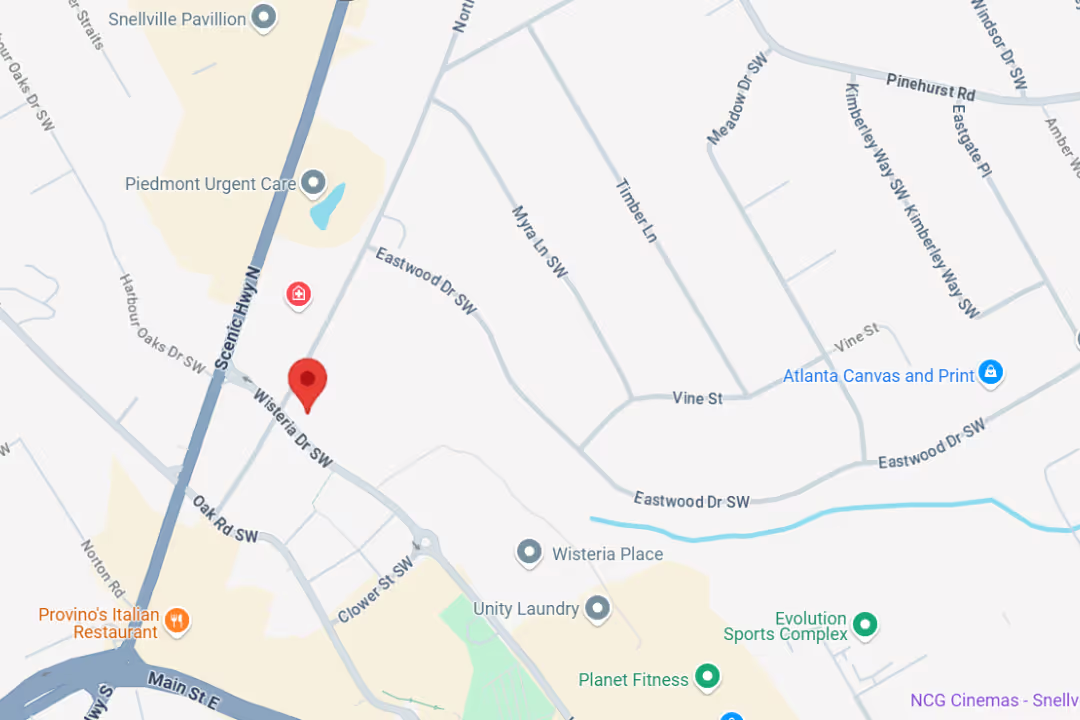
2220 Wisteria Dr, Unit 100
Snellville, GA 30078
(470) 795-8398
Kennesaw Clinic
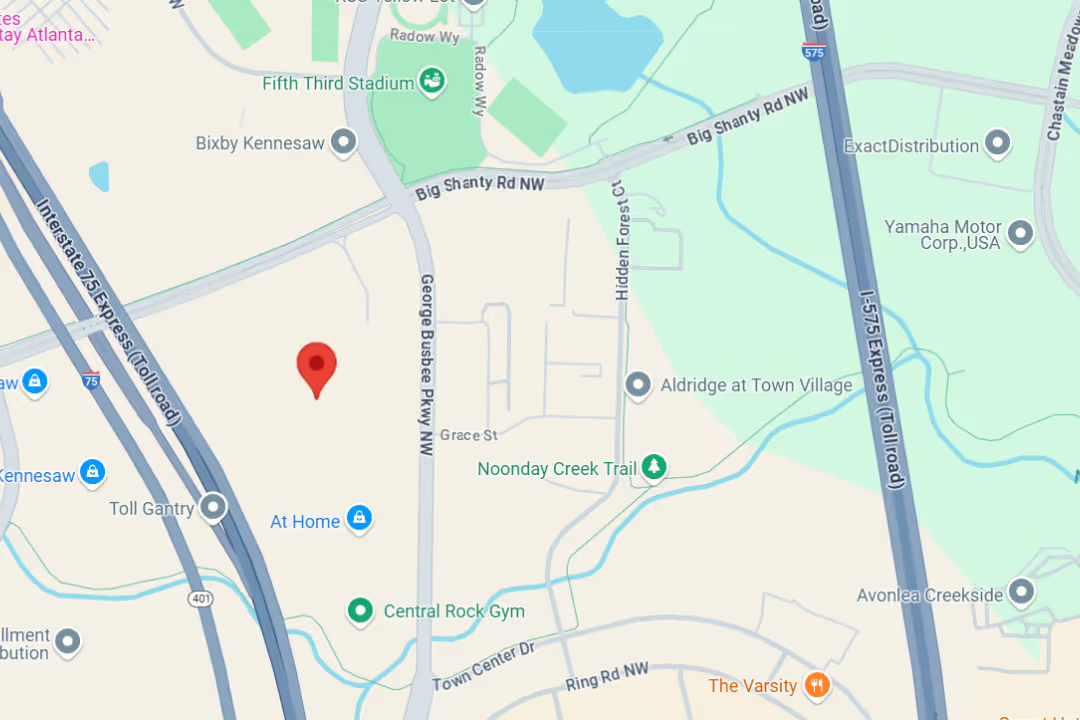
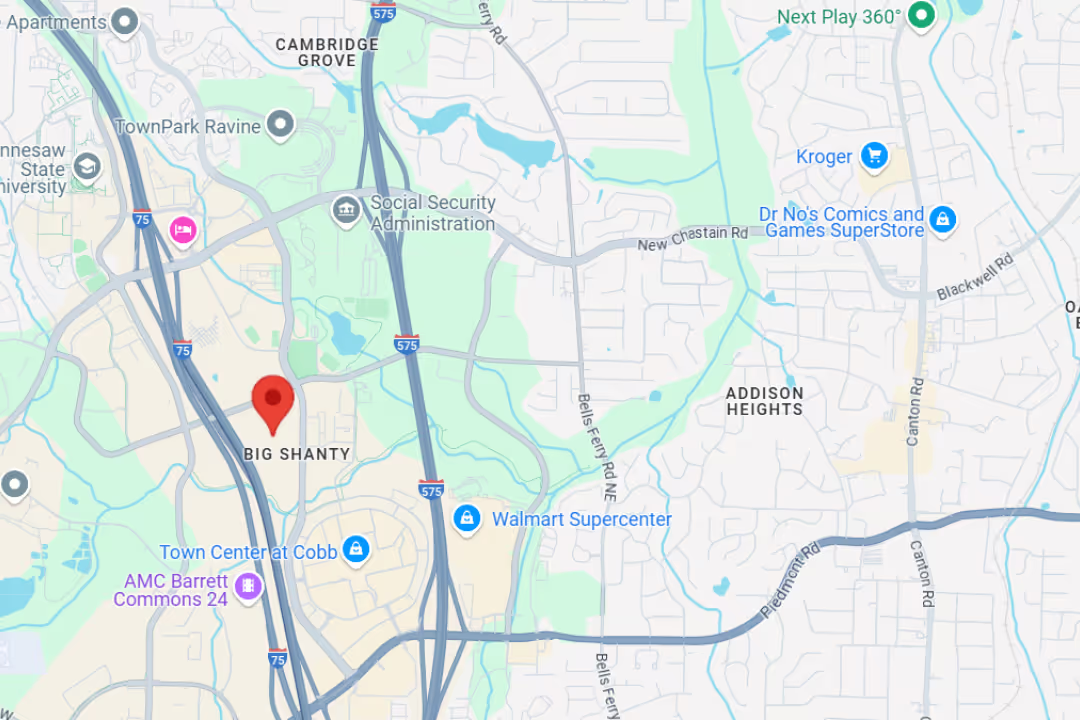
2911 George Busbee Parkway, Suite 50
Kennesaw, GA 30144
(770) 545-6404
Snellville Clinic
2220 Wisteria Drive, Unit 101
Snellville, GA 30078
(470) 645-9297
Buckhead PM&R
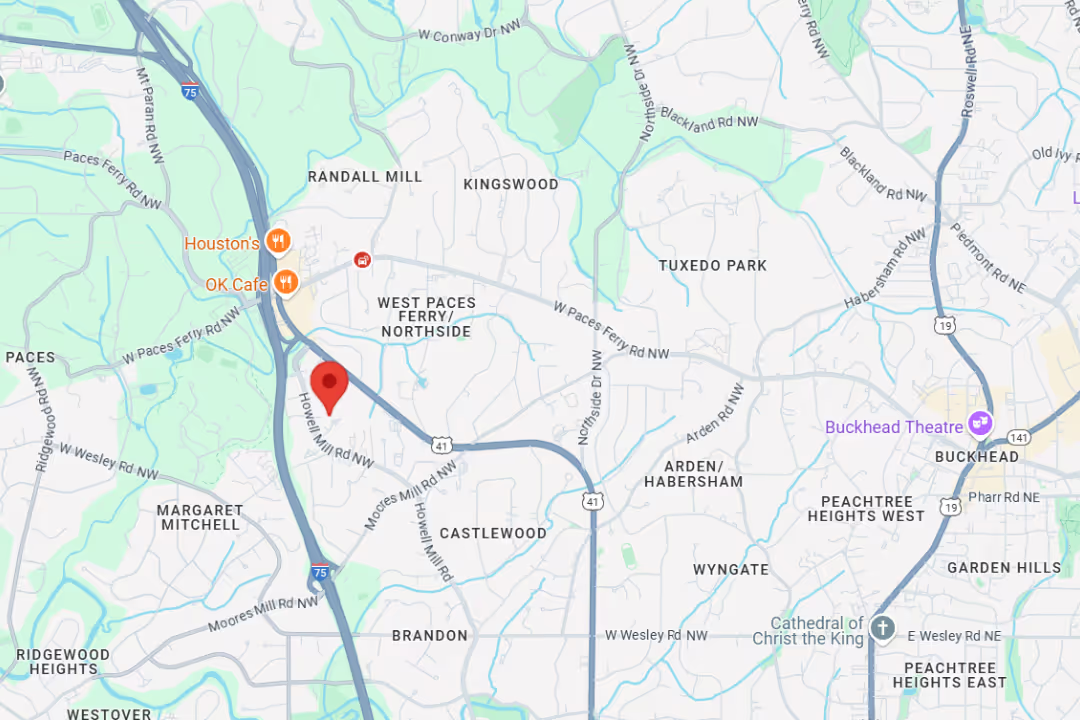
3200 Downwood Circle NW, Suite 520
Atlanta, GA 30327
(770) 872-7549
Explore our library of patient support guides covering the conditions we treat, the treatments we offer, and the questions we hear most. Each one is written to help you understand your options and feel confident about your next step. Browse the topics below to learn more, or reach out to our team anytime.

At Medici, you’re more than your MRI.
We take time to hear your story, understand your pain, and create a plan that actually works for you.

Our team delivers specialist care at convenient locations across Metro Atlanta:
Get expert tips on injury recovery, pain relief, joint health, and movement strategies—straight from our Fellowship-Trained team.