Living with a diabetes-related wound that just won’t heal is scary and exhausting. A diabetic foot ulcer or lower leg wound can mean constant pain or aching, daily dressing changes, drainage you worry about, and that nagging fear: “What if this gets infected? What if I lose my foot?”
On top of that, it’s emotionally draining to keep doing “all the right things”—dressings, antibiotics, special shoes, repeated office visits—and still see slow or stalled healing. It’s easy to feel stuck and powerless.
For some patients with hard-to-heal wounds, oxygen therapy can be an advanced, medically supervised way to support the body’s natural repair processes and give healing a better chance.
At Medici Orthopaedics & Spine, a patient-centered practice serving Atlanta, Metro Atlanta, and North Georgia, we offer advanced options—including hyperbaric oxygen therapy (HBOT) and comprehensive pain and wound-related support—as part of a minimally invasive, least drug-dependent plan.
Every patient is individually evaluated. Oxygen therapy is never a “one size fits all” solution. It’s recommended only when appropriate and is always integrated with proper wound care, diabetes management, and vascular assessment to give you the safest, most effective approach possible.
In people with diabetes, chronic wounds especially diabetic foot ulcers are sadly common. These are open sores that don’t heal in a normal timeframe and can last for weeks or even months. They may also occur as lower-leg ulcers, particularly when circulation is poor.
Common locations include:
Several factors contribute to these wounds:
Catching issues early is critical. Signs to watch for include:
Any suspected wound in a person with diabetes should be evaluated promptly—waiting can turn a small issue into a major one.
When diabetic wounds don’t heal, they can progress in dangerous ways:
Oxygen isn’t just something we breathe—it’s a key ingredient in the healing process. Your body needs oxygen for:
In diabetic wounds, oxygen levels are often low, especially in areas where circulation is compromised. This oxygen shortage can slow or even stall healing, no matter how good the wound care is on the surface.
There are several ways to deliver extra oxygen to support wound healing:
At Medici Orthopaedics & Spine, the primary advanced oxygen therapy we focus on and coordinate is Hyperbaric Oxygen Therapy (HBOT), especially for hard-to-heal diabetic wounds.
Hyperbaric oxygen therapy may sound complex, but the experience is straightforward:
This extra dissolved oxygen can then:
It’s important to understand that:
For the right patients, HBOT can significantly support healing and limb preservation when standard treatments alone haven’t been enough.
By increasing the amount of oxygen in the blood and tissues, oxygen therapy (particularly HBOT) can:
When used appropriately and combined with good wound care, oxygen therapy may offer:
Results vary from person to person, and not every wound is a candidate—but for the right patient, oxygen therapy can be a powerful part of a limb-saving strategy.
Oxygen therapy works best when it’s part of a team approach. At Medici Orthopaedics & Spine, we emphasize that HBOT and other advanced treatments are only one piece of the puzzle. A strong plan also includes:
Medici’s role is to coordinate and integrate these components, so you’re not left trying to piece together your own plan. We work alongside your other healthcare providers to give your wound—and you—the best possible chance to heal safely and stay active.
For many patients struggling with stubborn diabetic foot or leg wounds, oxygen therapy especially hyperbaric oxygen therapy (HBOT) can provide a much-needed breakthrough. By helping oxygen reach starved tissues, HBOT supports your body’s natural ability to fight infection and rebuild healthy tissue from the inside out.
At Medici Orthopaedics & Spine, oxygen therapy is never offered as a stand-alone or one-size-fits-all solution. Instead, it’s used as part of a comprehensive, minimally invasive, least drug-dependent strategy.
If you’re living with a non-healing diabetic foot or leg ulcer, we invite you to schedule a thorough wound and medical evaluation with our team. Even if you’ve been told you’ve “tried everything,” you may still have options.
Our physicians take the time to understand your full story your wound history, circulation, diabetes control, and personal goals—to create an individualized plan that truly supports your healing journey.
Contact Information:
Main Phone: +1-844-328-4624
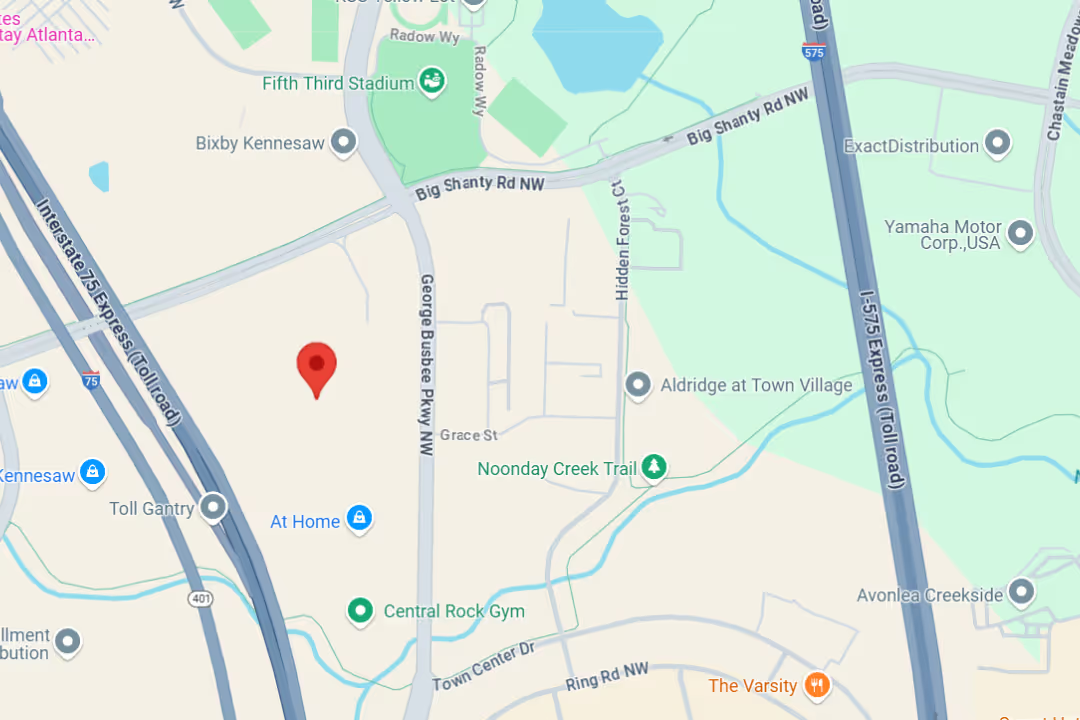
Kennesaw Clinic
2911 George Busbee Parkway, Suite 50
Kennesaw, GA 30144
Phone: (770) 545-6404
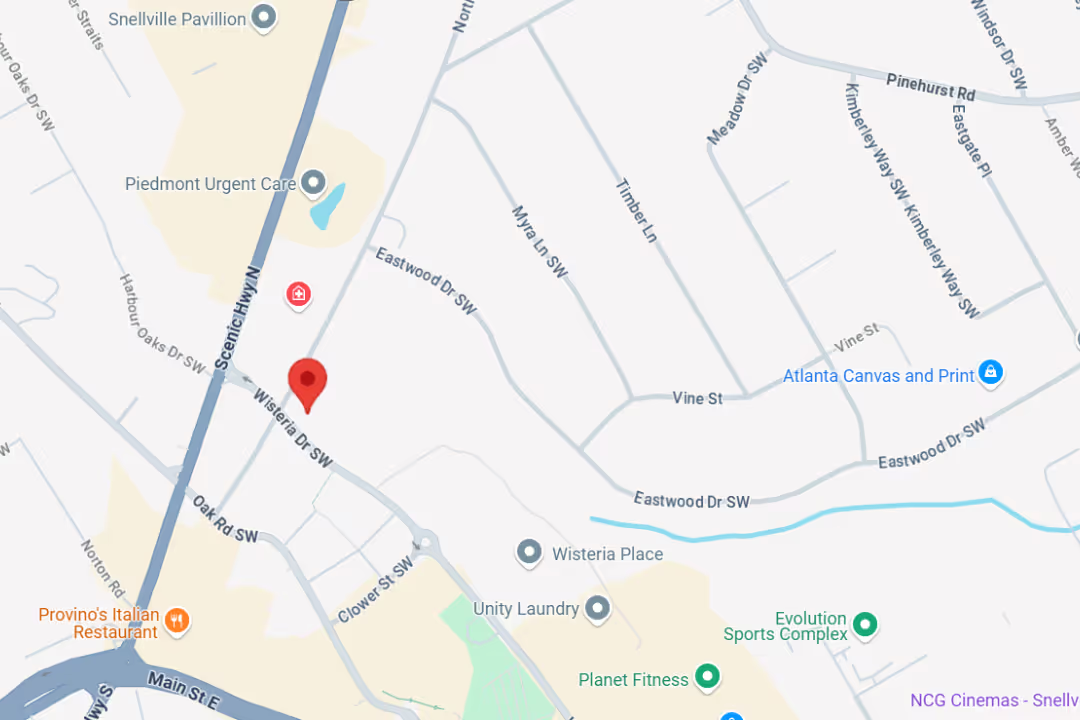
Snellville Clinic
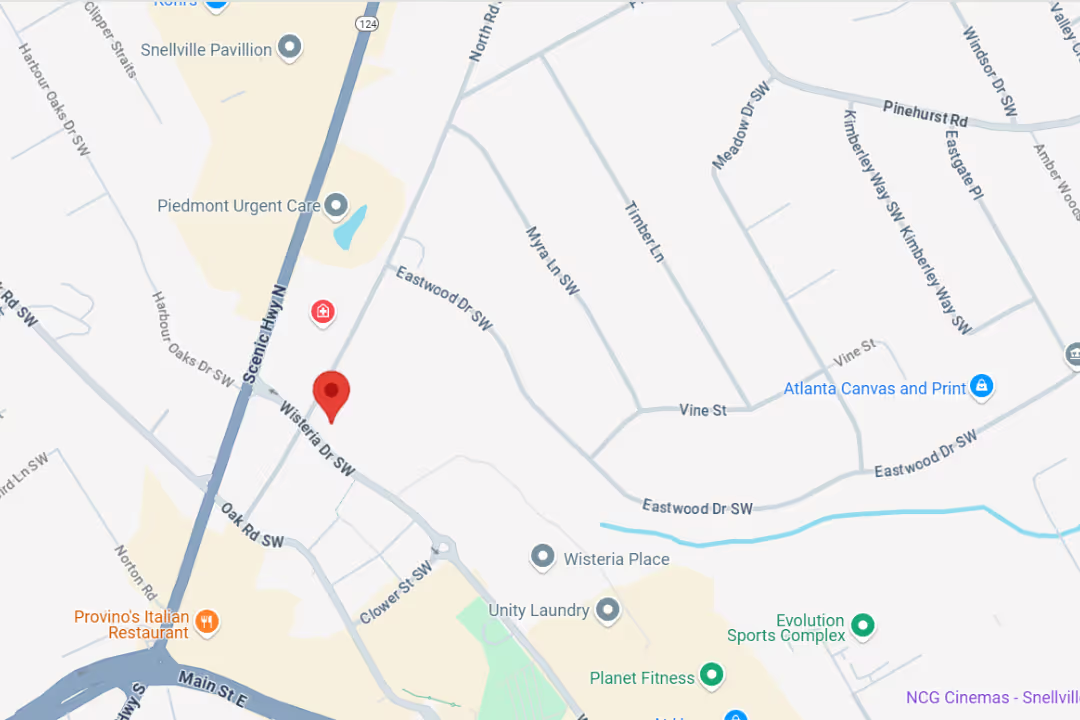
2220 Wisteria Drive, Unit 101
Snellville, GA 30078
Phone: (470) 645-9297
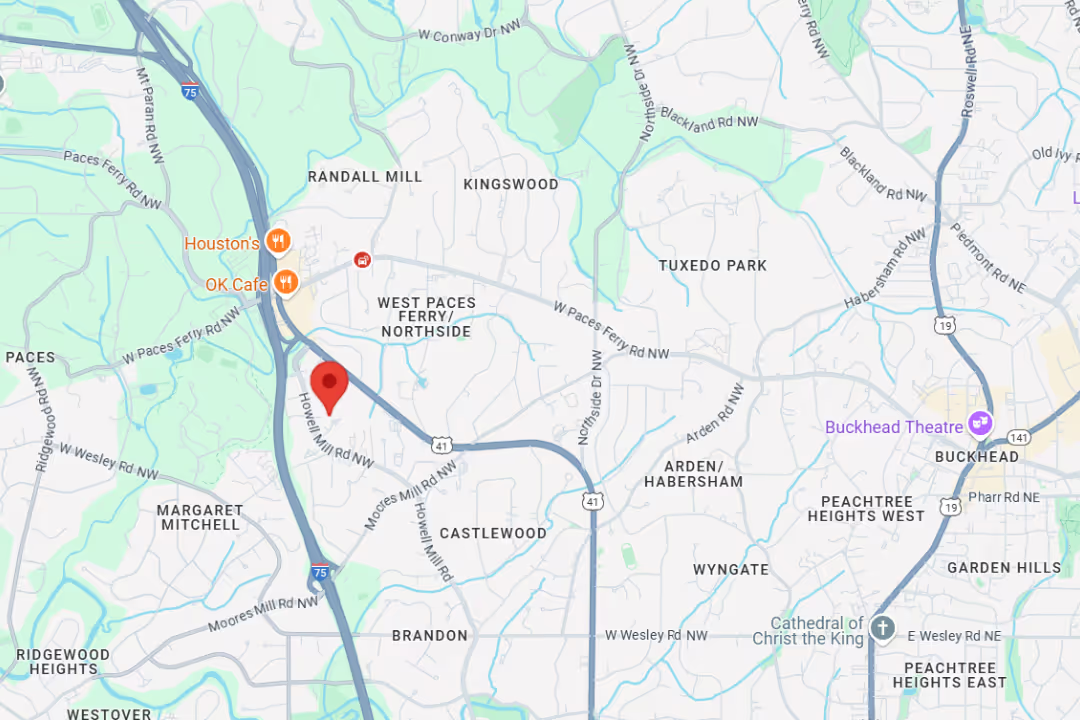
Buckhead PM&R
3200 Downwood Circle, NW, Suite 520
Atlanta, GA 30327
Phone: (770) 872-7549
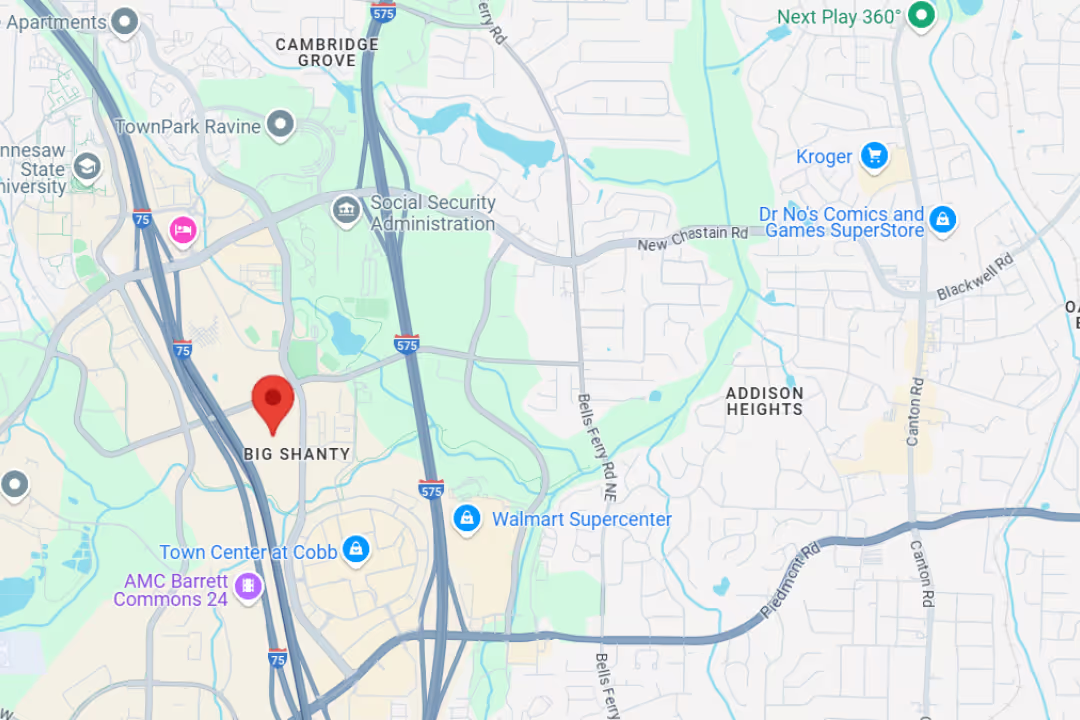
Marietta Ambulatory Surgery Center
792 Church Street, Unit 101
Marietta, GA 30060
Phone: (470) 795-8398
Website: mediciortho.com
Explore our library of patient support guides covering the conditions we treat, the treatments we offer, and the questions we hear most. Each one is written to help you understand your options and feel confident about your next step. Browse the topics below to learn more, or reach out to our team anytime.

At Medici, you’re more than your MRI.
We take time to hear your story, understand your pain, and create a plan that actually works for you.

Our team delivers specialist care at convenient locations across Metro Atlanta:
Get expert tips on injury recovery, pain relief, joint health, and movement strategies—straight from our Fellowship-Trained team.