A head injury can change everything in a moment—from how you think and move to how you feel each day. But recovery doesn’t have to end with traditional therapy. There is hope beyond what many people realize.
At Medici Orthopaedics & Spine, we see the profound impact that head injuries can have on patients and their families. A Traumatic Brain Injury (TBI) occurs when an external force—such as a blow or jolt to the head—disrupts normal brain function. The effects can range from mild concussions to severe injuries, influencing memory, focus, mood, coordination, and even personality.
These injuries can leave patients feeling trapped in a cycle of fatigue, brain fog, and emotional distress long after the initial event. Yet, healing the brain is not always about doing more—it’s about doing things differently.
That’s where Hyperbaric Oxygen Therapy (HBOT) offers a new path forward. This non-invasive, cutting-edge treatment uses concentrated oxygen in a pressurized chamber to help the body repair and regenerate at the cellular level.
When the brain experiences trauma, delicate neurons and blood vessels can become damaged. Swelling (inflammation) restricts blood and oxygen delivery to vital brain tissue, while the injury itself may cause tiny cellular tears or chemical imbalances.
Without enough oxygen, brain cells struggle to produce energy and repair themselves. This can lead to a “metabolic crisis” in which healing slows down, and symptoms persist long after the initial injury.
The symptoms of a TBI can vary from person to person but often include a combination of cognitive, physical, and emotional challenges:
For some, these symptoms fade with time and rehabilitation. But for others, they linger—creating frustration and a sense that recovery has “stalled.”
Conventional therapies like rest, medication, physical therapy, occupational therapy, and speech therapy remain crucial in early TBI management. They help patients regain strength, coordination, and communication skills.
However, many patients reach a plateau in their recovery despite doing everything “right.” The brain, while resilient, sometimes needs an additional push—a way to restart healing processes that have slowed down.
This is where Hyperbaric Oxygen Therapy (HBOT) can make a remarkable difference. By flooding the bloodstream with pure oxygen under pressure, HBOT provides the brain with the essential energy it needs to reduce inflammation, restore function, and support true cellular repair.
Hyperbaric Oxygen Therapy is a medically supervised treatment in which patients breathe 100% pure oxygen inside a pressurized chamber. The increased atmospheric pressure allows oxygen to dissolve directly into the bloodstream—far beyond what’s possible at normal air pressure.
This oxygen-rich plasma travels throughout the body, reaching even the most delicate and damaged tissues. For patients recovering from traumatic brain injuries (TBI), this means the oxygen can penetrate areas where blood flow has been reduced due to swelling, inflammation, or damaged blood vessels.
At Medici Orthopaedics & Spine, patients experience HBOT in a comfortable, carefully monitored environment designed for healing and relaxation. The process is non-invasive, pain-free, and scientifically backed—a safe and innovative approach to helping the brain heal itself naturally.
The brain is the body’s most oxygen-hungry organ—using up to 20% of the body’s total oxygen supply despite weighing only a few pounds. After a head injury, the brain’s ability to access and use oxygen effectively is impaired, leading to cell damage, energy loss, and slower recovery.
HBOT directly addresses this problem. By saturating the bloodstream with oxygen under pressure, the therapy allows oxygen to:
This improved oxygen delivery gives the brain what it needs most—fuel to repair and rebuild connections that were disrupted by injury.
The benefits of HBOT go far beyond improved oxygen levels. At a cellular level, hyperbaric oxygen triggers a cascade of healing effects that help the brain recover more completely and efficiently:
Perhaps the most remarkable outcome of HBOT is its effect on neuroplasticity—the brain’s innate ability to adapt, form new pathways, and reorganize itself after injury.
By delivering high levels of oxygen to the areas that need it most, HBOT creates an environment that allows the brain to:
In essence, HBOT helps “wake up” the healing potential already inside you.
Over the last decade, researchers have explored Hyperbaric Oxygen Therapy (HBOT) as a way to help the brain recover after mild to moderate traumatic brain injury (TBI) and persistent post-concussion syndrome (PCS). Multiple studies—including a randomized prospective trial—have reported improvements in cognitive function, attention, and quality-of-life scores after structured courses of HBOT in individuals with chronic PCS following mTBI. (Nature)
In addition to earlier randomized work, newer analyses and trials continue to evaluate optimal dosing and patient selection. Recent systematic reviews and ongoing controlled trials are examining whether standardized HBOT protocols can further improve cognition, mood, and energy in civilian and veteran populations with lingering post-concussive symptoms. (PMC)
Evidence in veterans and athletes is particularly active: case series and cohort data in veterans suggest reductions in PCS symptom burden and improvements in mood and function, while sports-medicine studies (including student athletes) have documented symptom relief trends and faster recovery trajectories compared with usual care—though results vary by study design and timing after injury. (MDPI)
Across published studies and clinical reports, patients undergoing HBOT for persistent PCS most commonly report:
These benefits are most often observed after a series of sessions (commonly 20–40), and many programs pair HBOT with rehabilitation therapies to reinforce gains in cognition and function. (PMC)
A head injury can change the course of your life—but it doesn’t have to define it. Thanks to modern advancements like Hyperbaric Oxygen Therapy, patients who once felt stuck in their recovery are finding renewed hope and measurable improvement.
At Medici Orthopaedics & Spine, we combine medical precision with patient-centered compassion, offering treatments that are both scientifically grounded and deeply human. We understand that recovery is not just about healing the brain—it’s about helping you rediscover confidence, purpose, and independence.
While TBIs can be life-altering, the future of recovery has never been brighter. With therapies like HBOT and our integrated rehabilitation programs, the brain’s remarkable ability to heal and adapt continues to inspire us every day.
Stay hopeful. Recovery is a journey—and with the right tools, the right team, and the right care, your brain can heal beyond expectations.
📍 Marietta Ambulatory Surgery Center
792 Church Street, Unit 101
Marietta, GA 30060
📞 Call: +1-844-328-4624
🌐 Visit: www.mediciortho.com
At Medici, you’re more than your MRI.
We take time to hear your story, understand your pain, and create a plan that actually works for you.

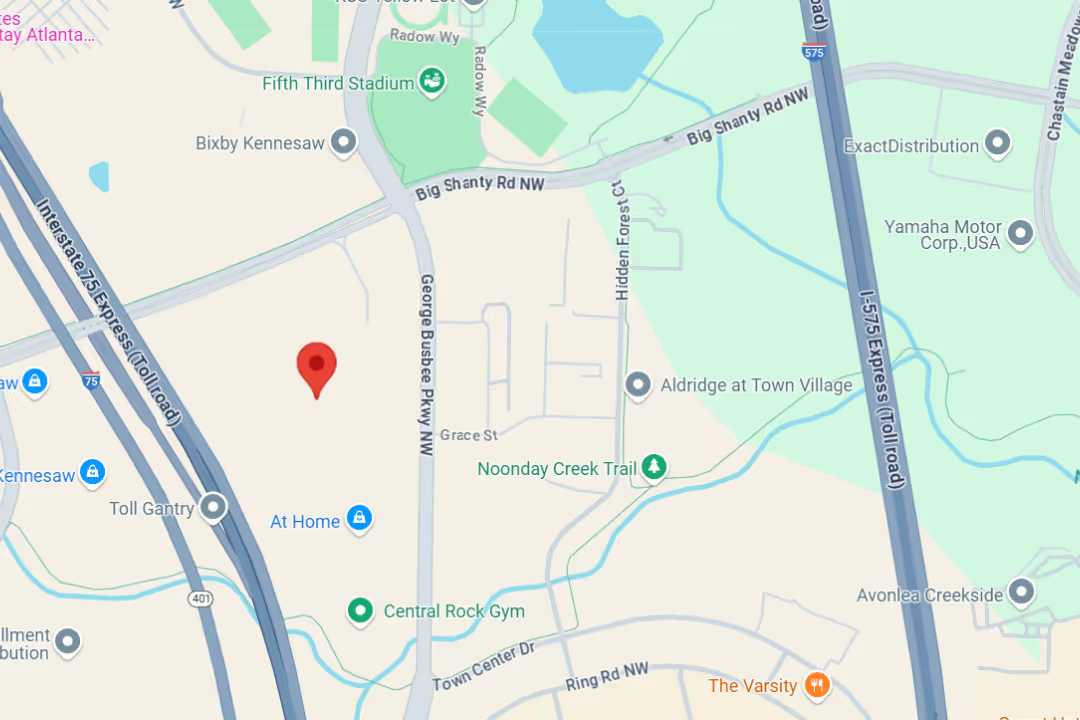
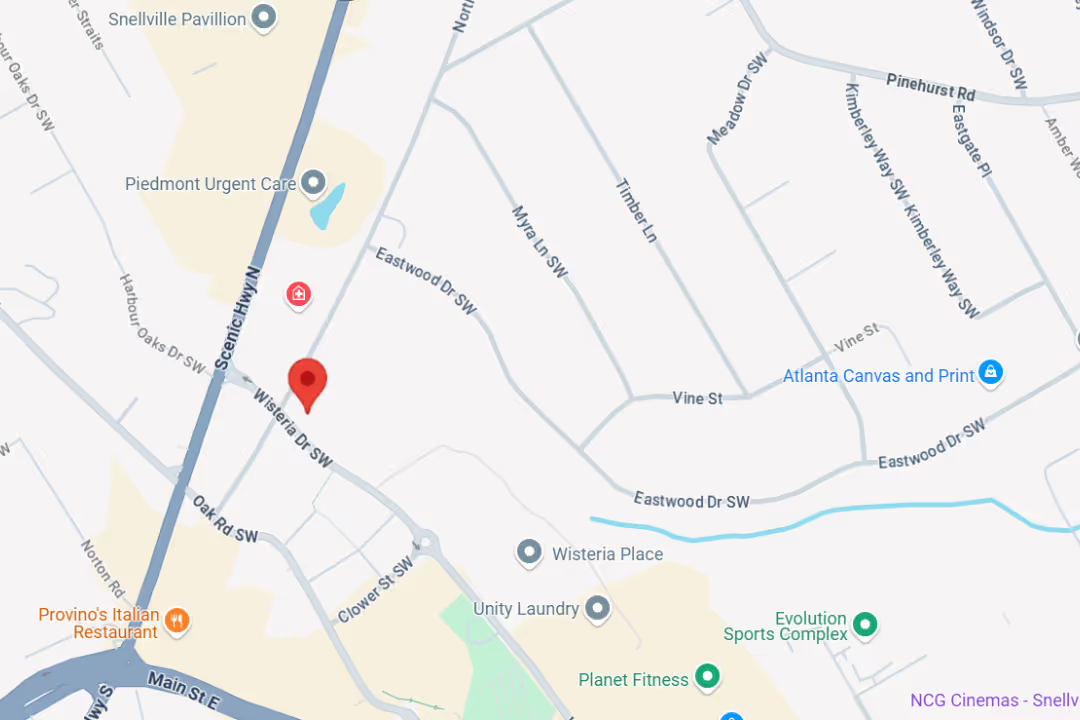
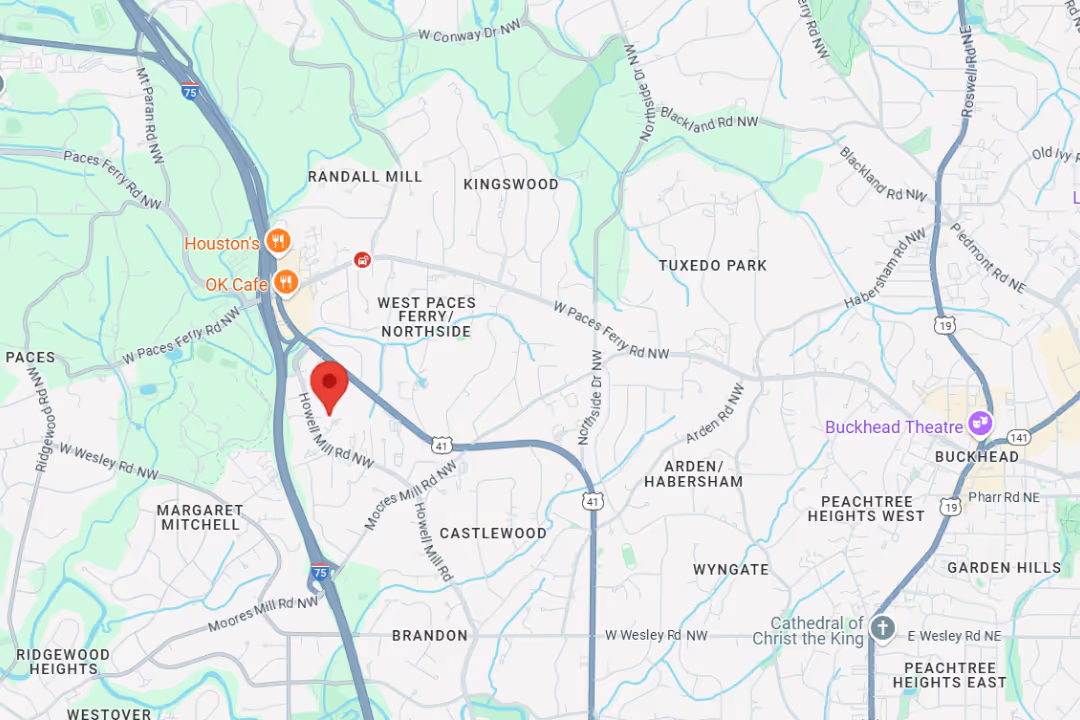
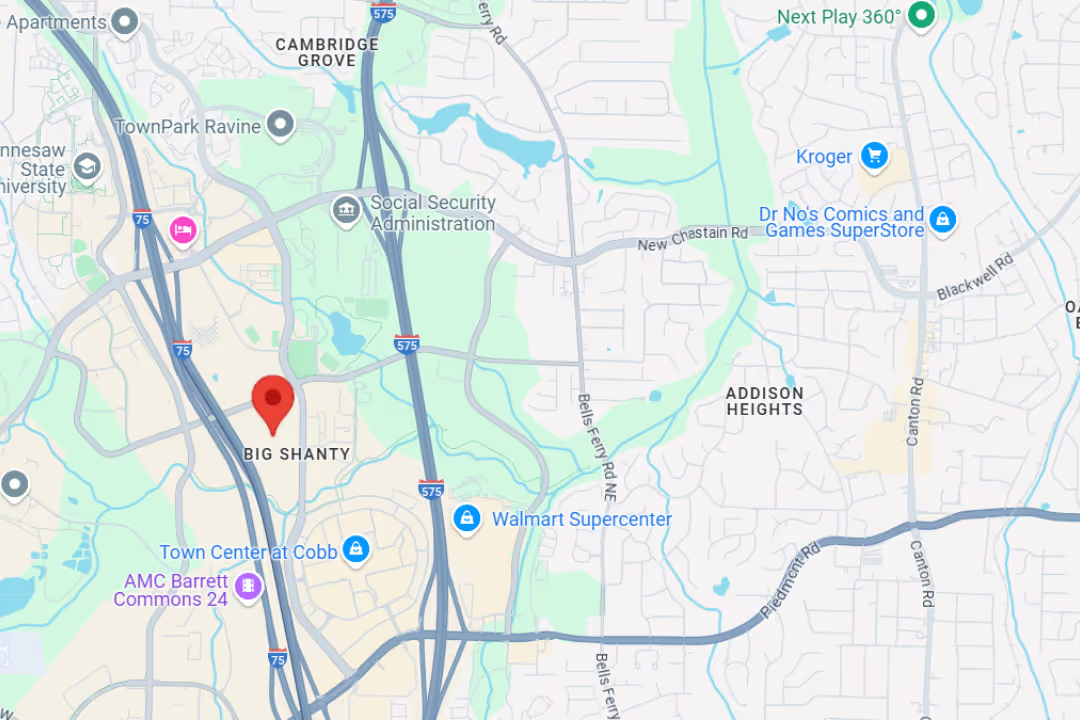
Our team delivers specialist care at convenient locations across Metro Atlanta:
Get expert tips on injury recovery, pain relief, joint health, and movement strategies—straight from our Fellowship-Trained team.