Living with diabetes means constantly balancing blood sugar, diet, and daily routines — but one of the most dangerous and often overlooked challenges lies beneath the surface: slow or non-healing wounds.
For many individuals, especially those with long-term diabetes, even a small cut or blister on the foot can spiral into a serious medical issue.
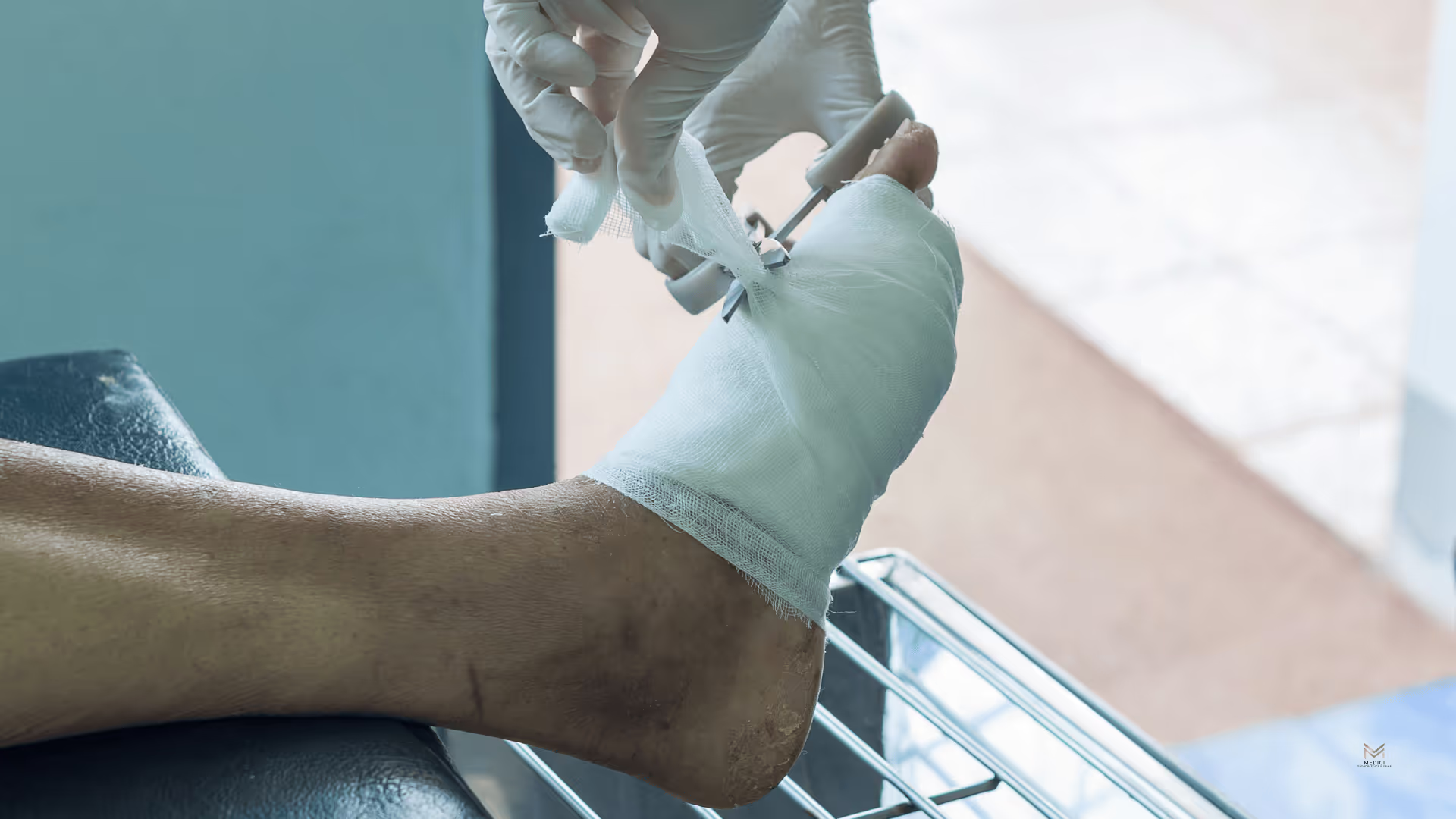
Diabetes affects the body’s ability to circulate blood efficiently and repair damaged tissue, particularly in the feet and lower legs. Over time, high blood sugar damages blood vessels and nerves, resulting in poor circulation (ischemia) and neuropathy — a loss of sensation that prevents patients from noticing injuries until they become severe.
When the body can’t deliver enough oxygen to these wounds, healing stalls. What starts as a minor sore can become a chronic, non-healing diabetic ulcer — vulnerable to infection, tissue death (necrosis), and, in extreme cases, amputation. For many patients, this can lead to hospitalizations, loss of mobility, and a devastating decline in quality of life.
That’s why early, effective, and advanced intervention is critical.
At Medici Orthopaedics & Spine, we offer a science-backed solution that is helping patients heal faster and more completely than ever before: Hyperbaric Oxygen Therapy (HBOT).
Diabetic wounds form when the body’s natural healing process is disrupted by the complications of diabetes. Elevated blood sugar levels over time can:
Because of these combined effects, even small injuries like blisters, cuts, or pressure sores can develop into chronic, non-healing ulcers. These wounds are most commonly found on the feet, ankles, and lower legs, where circulation is poorest.
Without enough oxygen, these wounds struggle to close — leaving the body vulnerable to further damage and infection.
Conventional diabetic wound care typically involves:
While these treatments are essential, they often don’t address the underlying issue — lack of oxygen. Without proper oxygenation, the body simply cannot heal.
This is why many patients continue to struggle with non-healing diabetic ulcers, even after months of standard care.
Hyperbaric Oxygen Therapy works by placing the patient in a pressurized chamber where they breathe 100% pure oxygen — far higher than the normal 21% found in the air around us. The increased atmospheric pressure allows your lungs to absorb significantly more oxygen than usual, which is then delivered throughout your bloodstream.
This surge of oxygen reaches areas of the body where blood flow is limited or damaged, providing vital nutrients to tissues that were previously deprived. For patients with diabetic wounds, this is a game-changer — it gives the body the oxygen it needs to restart the healing process, even in areas affected by poor circulation.
Think of it as recharging your body’s cellular batteries. By delivering oxygen directly into the blood plasma, HBOT supercharges the body’s natural healing mechanisms, helping tissues repair faster and more effectively.
The benefits of hyperbaric oxygen therapy go far beyond simply breathing oxygen — it creates measurable, medical-grade changes in the body’s healing systems.
Here’s what happens when oxygen levels in the bloodstream rise during HBOT:
These combined effects make HBOT an evidence-based, regenerative therapy that doesn’t just manage symptoms — it actually supports the body’s natural healing from the inside out. For diabetic wounds, that can mean the difference between prolonged suffering and full recovery.
Every healing journey starts with understanding the whole picture. Before beginning oxygen therapy, our specialists perform a comprehensive assessment to determine your specific wound characteristics and overall health needs.
This evaluation includes:
At Medici, we take a collaborative approach — bringing together a multidisciplinary team that includes wound care experts, orthopedic specialists, regenerative medicine providers, and physical therapists. This ensures your care plan addresses not only the visible wound but also the underlying causes preventing it from healing.
Once your personalized plan is created, oxygen therapy sessions begin in our state-of-the-art hyperbaric chamber, located right here at Medici Orthopaedics & Spine.
Here’s what to expect:
At Medici, we understand that no single therapy heals in isolation. That’s why we integrate oxygen therapy into a larger, synergistic care plan that addresses every layer of the healing process.
Our team-based approach may combine oxygen therapy with other advanced modalities to enhance outcomes, including:
For many living with diabetes, a chronic wound can feel like a battle that never ends — a daily reminder of pain, limitation, and frustration. But there is hope. With oxygen therapy, healing is no longer just possible — it’s probable.
At Medici Orthopaedics & Spine, we’ve witnessed incredible transformations through hyperbaric oxygen therapy (HBOT) — from restoring blood flow to reviving damaged tissue and helping patients avoid amputation altogether. HBOT has the power to give life back to tissues that once seemed beyond repair — and, just as importantly, it gives patients their confidence and freedom back, too.
If you or a loved one is struggling with a non-healing diabetic wound, don’t wait until it’s too late. Healing begins with the right care, at the right time, and at Medici, that care is always delivered with compassion, expertise, and precision.
📍 Clinic Locations:
Marietta Ambulatory Surgery Center: 792 Church Street, Unit 101, Marietta, GA 30060 – (470) 795-8398
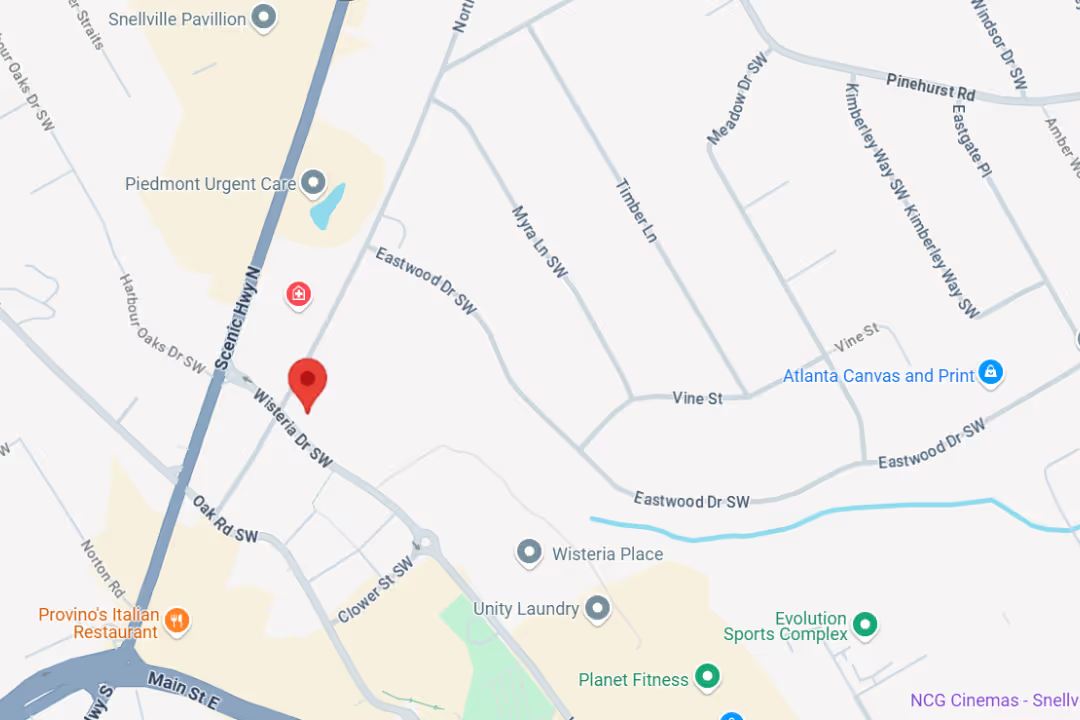
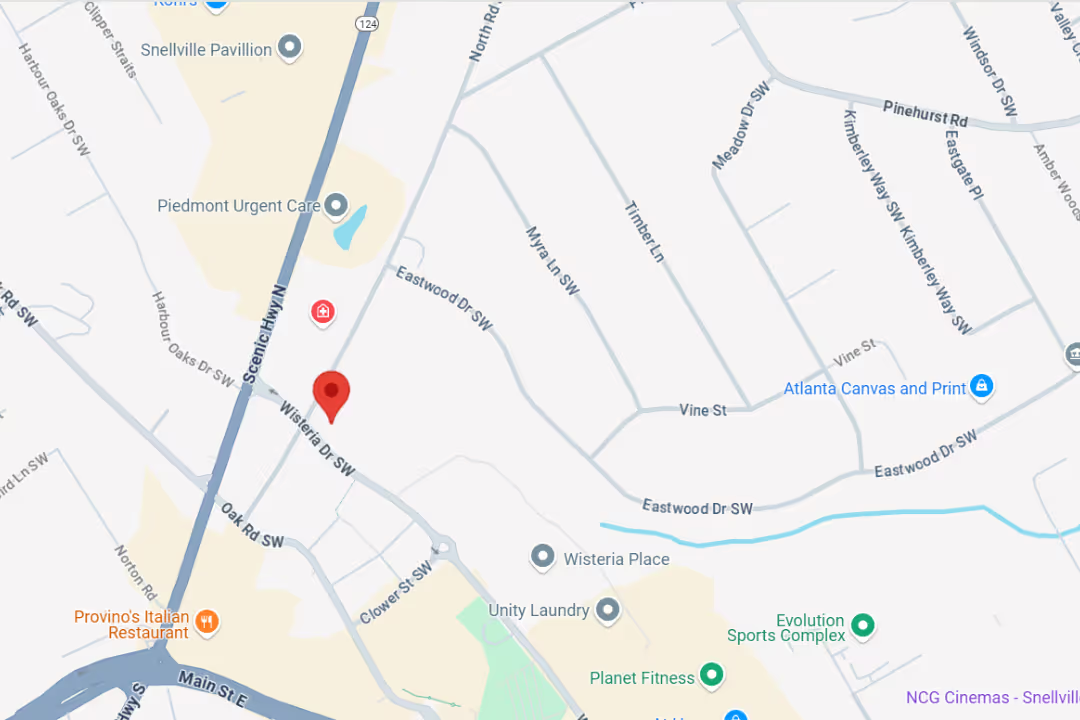
Snellville Ambulatory Surgery Center: 2220 Wisteria Dr, Unit 100, Snellville, GA 30078 – (470) 795-8398
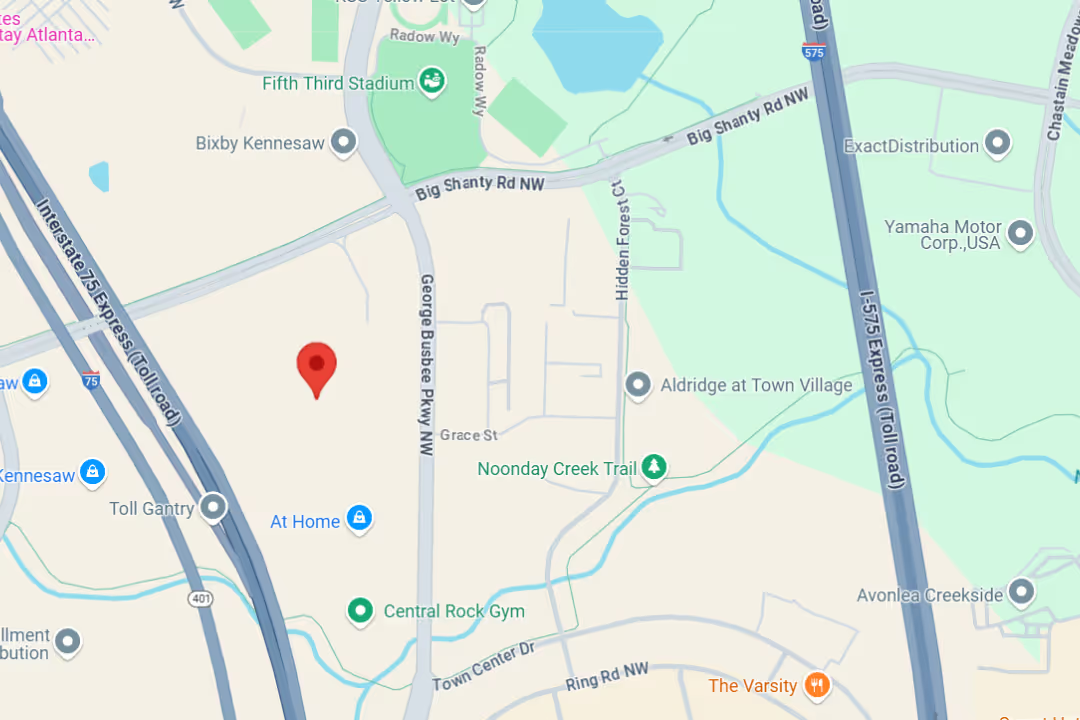
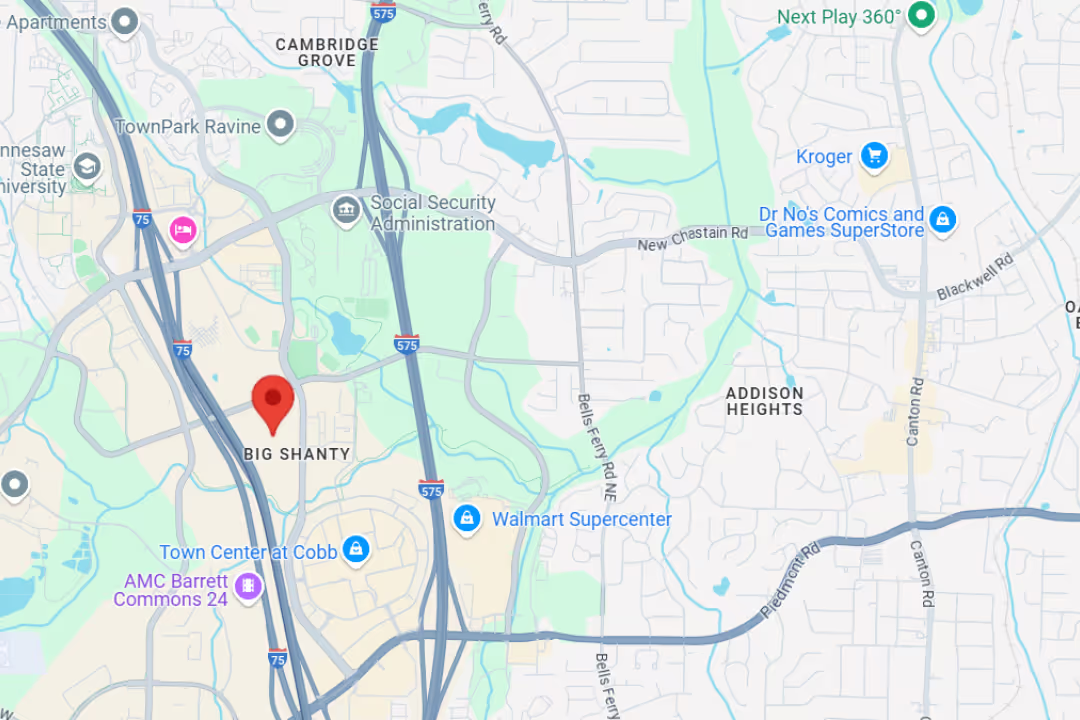
Kennesaw Clinic: 2911 George Busbee Parkway, Suite 50, Kennesaw, GA 30144 – (770) 545-6404
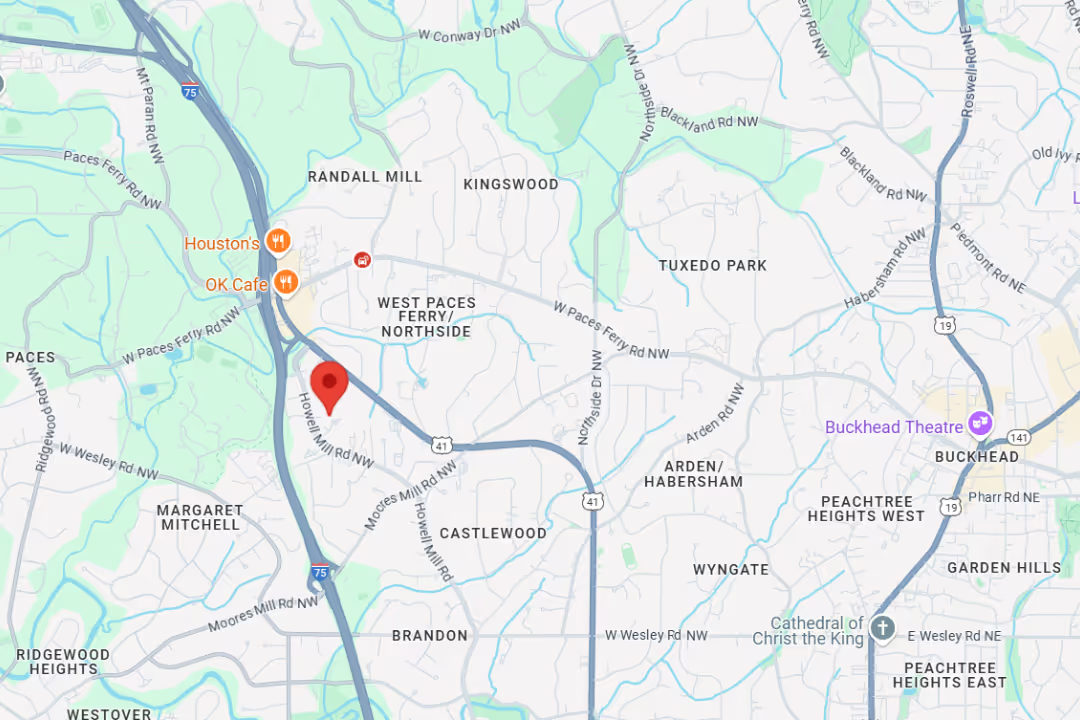
Buckhead PM&R: 3200 Downwood Circle, NW, Suite 520, Atlanta, GA 30327 – (770) 872-7549
🌐 Visit: www.mediciortho.com
📞 Call: 1-844-328-4624
💬 Follow Us: Facebook | Instagram | YouTube
At Medici, you’re more than your MRI.
We take time to hear your story, understand your pain, and create a plan that actually works for you.

Our team delivers specialist care at convenient locations across Metro Atlanta:
Get expert tips on injury recovery, pain relief, joint health, and movement strategies—straight from our Fellowship-Trained team.