When people search for “non-surgical bursitis treatment Marietta,” it’s usually because joint pain has started to interfere with everyday life—and they want relief without surgery. Bursitis pain can make simple movements like walking, lifting an arm, climbing stairs, or even sleeping uncomfortable. Many patients feel frustrated after trying rest, medications, or home remedies that haven’t provided lasting improvement.
A common concern we hear is the desire to avoid surgery and long-term medication use. While surgery may be appropriate in rare cases, most bursitis conditions can be treated effectively with non-surgical, minimally invasive care when the root cause of inflammation is properly addressed. Patients want solutions that reduce pain, restore mobility, and allow them to stay active—without extended downtime or dependence on anti-inflammatory drugs.
At Medici Orthopaedics & Spine, we provide physician-led, evidence-based non-surgical bursitis treatment in Marietta, focused on helping patients heal naturally and safely. Under the direction of Dr. Sonny Dosanjh, M.D., our team takes the time to understand why bursitis developed in the first place—whether from overuse, injury, posture, or underlying joint conditions—and builds a personalized treatment plan designed to relieve pain and restore function.
Our approach emphasizes minimally invasive therapies that work with the body’s natural healing processes. The goal is not just short-term symptom relief, but long-term improvement in movement, comfort, and overall quality of life.
Bursitis is a condition caused by inflammation of a bursa, a small, fluid-filled sac that acts as a cushion between bones, tendons, muscles, and skin. Bursae reduce friction and allow joints to move smoothly during everyday activities like walking, bending, lifting, and reaching.
Acute bursitis develops suddenly, often after an injury or increased activity, and may improve with timely treatment. Chronic bursitis develops gradually or returns repeatedly over time, often due to ongoing mechanical stress, poor movement patterns, or unresolved inflammation.
Without proper care, acute bursitis can progress into a chronic condition, leading to persistent pain and reduced joint function.
Shoulder bursitis is a common cause of upper-body pain and limited arm movement.
Patients often experience:
Left untreated, shoulder bursitis can interfere with sleep and lead to compensatory movement patterns that strain surrounding muscles and joints.
Hip bursitis, also known as trochanteric bursitis, causes inflammation along the outer portion of the hip.
Common symptoms include:
Non-surgical treatment focuses on reducing inflammation while addressing muscle imbalances and movement patterns that contribute to repeated irritation.
Knee bursitis often develops from repetitive kneeling, pressure, or overuse.
Patients may notice:
Early non-surgical intervention can help prevent chronic inflammation and restore normal knee function.
Elbow bursitis typically causes visible swelling at the tip of the elbow and may be tender to the touch.
Symptoms may include:
Targeted non-surgical care can reduce swelling and protect the joint from further irritation.
Bursitis can also affect less commonly discussed areas, including:
These areas often require careful evaluation to identify contributing mechanical or postural factors.
Bursitis rarely occurs without an underlying reason. Understanding the cause is essential for effective, long-term non-surgical treatment.
Repetitive Motion or Overuse
Repeated movements or prolonged pressure on a joint can irritate the bursa over time, leading to inflammation.
Sports and Physical Activity
High-impact sports, repetitive training, or sudden increases in activity can place stress on joints and surrounding tissues.
Work-Related Strain or Occupational Injuries
Jobs that require kneeling, lifting, reaching, or repetitive motions can increase the risk of bursitis.
Poor Posture or Biomechanics
Misalignment, muscle imbalances, or improper movement patterns can place excessive stress on certain joints.
Arthritis and Inflammatory Conditions
Underlying joint inflammation can make bursae more susceptible to irritation and swelling.
Previous Joint Injury or Surgery
Past trauma or surgical procedures can alter joint mechanics, increasing the likelihood of bursitis developing or recurring.
At Medici Orthopaedics & Spine, identifying these contributing factors allows our team to tailor non-surgical bursitis treatment in Marietta to each patient’s specific needs—helping reduce pain, improve mobility, and prevent future flare-ups.
Effective treatment begins with an accurate diagnosis and a clear understanding of the underlying cause.
Detailed Physical Examination
Your physician will assess joint movement, tenderness, swelling, strength, and biomechanics to determine how the bursa is being irritated.
Diagnostic Imaging When Needed
When appropriate, imaging studies such as X-rays or advanced imaging may be used to rule out other conditions and confirm the source of inflammation.
Identifying the Root Cause of Inflammation
Bursitis often stems from mechanical stress, muscle imbalance, prior injury, or underlying joint disease. Identifying these factors allows treatment to focus on long-term relief rather than short-term symptom control.
Physical therapy plays a critical role in non-surgical bursitis treatment by correcting movement patterns that contribute to inflammation.
Strengthening Surrounding Muscles
Targeted exercises help support and stabilize the affected joint, reducing strain on the inflamed bursa.
Improving Joint Stability and Mechanics
Therapy focuses on improving alignment, flexibility, and coordination to promote smoother, pain-free movement.
Reducing Repetitive Stress on the Bursa
By addressing improper movement and muscle imbalance, physical therapy helps prevent recurring irritation and flare-ups.
When inflammation is significant, targeted therapies may be used to calm symptoms and promote healing.
Image-Guided Injections
Precision-guided injections allow medication to be delivered directly to the inflamed area, improving effectiveness while minimizing unnecessary exposure to surrounding tissues.
Targeted Inflammation Reduction
These treatments help decrease swelling and pain, allowing patients to participate more comfortably in rehabilitation.
Minimizing Reliance on Oral Medications
By treating inflammation locally, Medici aims to reduce dependence on long-term oral anti-inflammatory drugs whenever possible.
For select patients, regenerative therapies may be used to support tissue repair and long-term joint health.
Prolotherapy and Other Regenerative Treatments
These treatments are designed to stimulate the body’s natural healing response in weakened or damaged tissues.
Supporting Tissue Healing and Repair
Regenerative options focus on strengthening connective tissue and improving joint support around the affected bursa.
Reducing the Risk of Recurrence
By improving tissue integrity and joint stability, regenerative medicine may help lower the likelihood of bursitis returning.
Soft tissue treatments address muscular tension and restricted movement that can contribute to bursitis pain.
Reducing Muscle Tension
Myofascial release helps relieve tight muscles that place excess pressure on joints and bursae.
Improving Circulation and Mobility
Enhanced blood flow and tissue flexibility support healing and improve overall joint function.
Long-term bursitis relief often requires small but meaningful changes in daily habits.
Ergonomic Recommendations
Adjustments to posture, workstations, and body mechanics help reduce joint stress during daily activities.
Activity Adjustments to Prevent Flare-Ups
Patients receive guidance on modifying exercise routines, work tasks, or repetitive movements to protect healing joints.
If you’re struggling with joint pain from bursitis, it’s important to know that surgery is not the only option. Many patients are able to find lasting relief through non-surgical, minimally invasive treatment when the condition is properly evaluated and addressed early. With the right care, bursitis pain can often be reduced, mobility restored, and future flare-ups prevented—without the risks and recovery time associated with surgery.
At Medici Orthopaedics & Spine, our philosophy is centered on treating patients as individuals, not diagnoses. Under the leadership of Dr. Sonny Dosanjh, M.D., our physician-led team focuses on evidence-based, least-invasive solutions designed to work with your body’s natural healing process. We take the time to understand the root cause of your bursitis—whether it’s overuse, biomechanics, injury, or inflammation—so treatment is targeted, thoughtful, and effective.
Website: https://www.mediciortho.com
Main Phone: +1-844-328-4624
Marietta
792 Church Street, Unit 101
Marietta, GA 30060
📞 (470) 795-8398
At Medici, you’re more than your MRI.
We take time to hear your story, understand your pain, and create a plan that actually works for you.

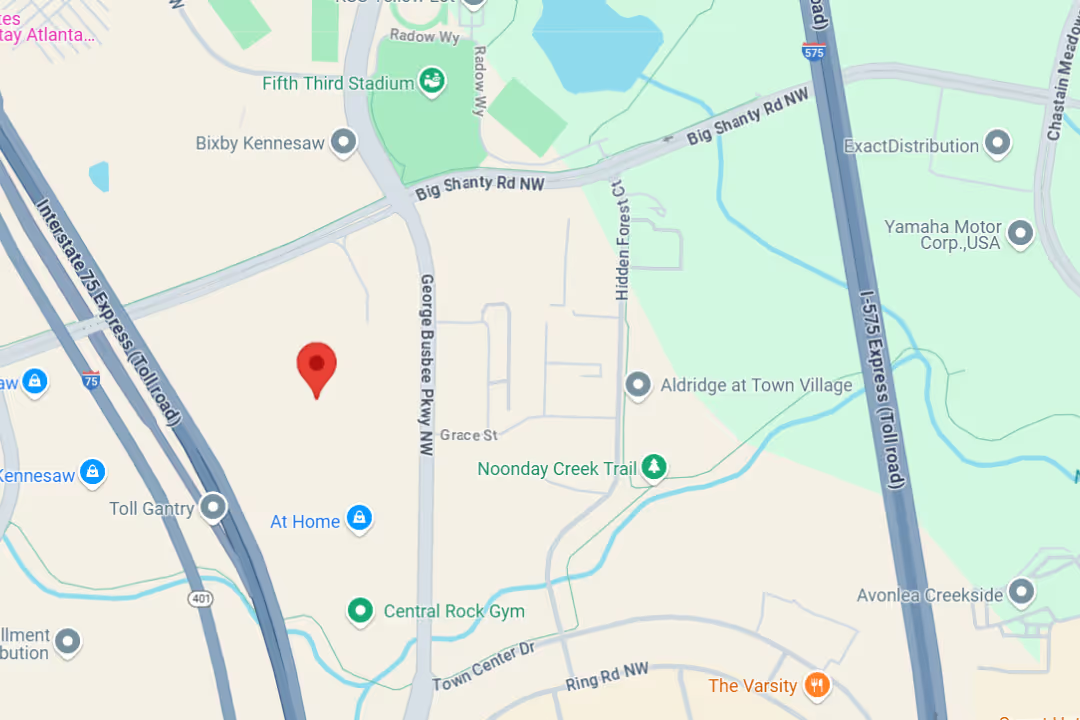
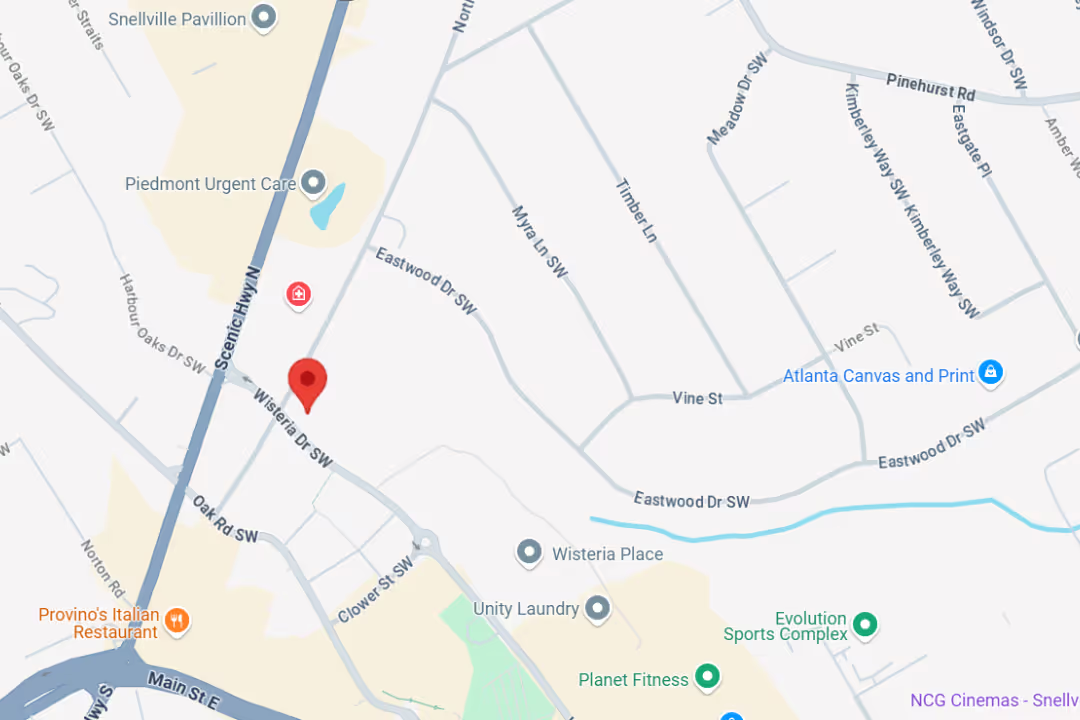
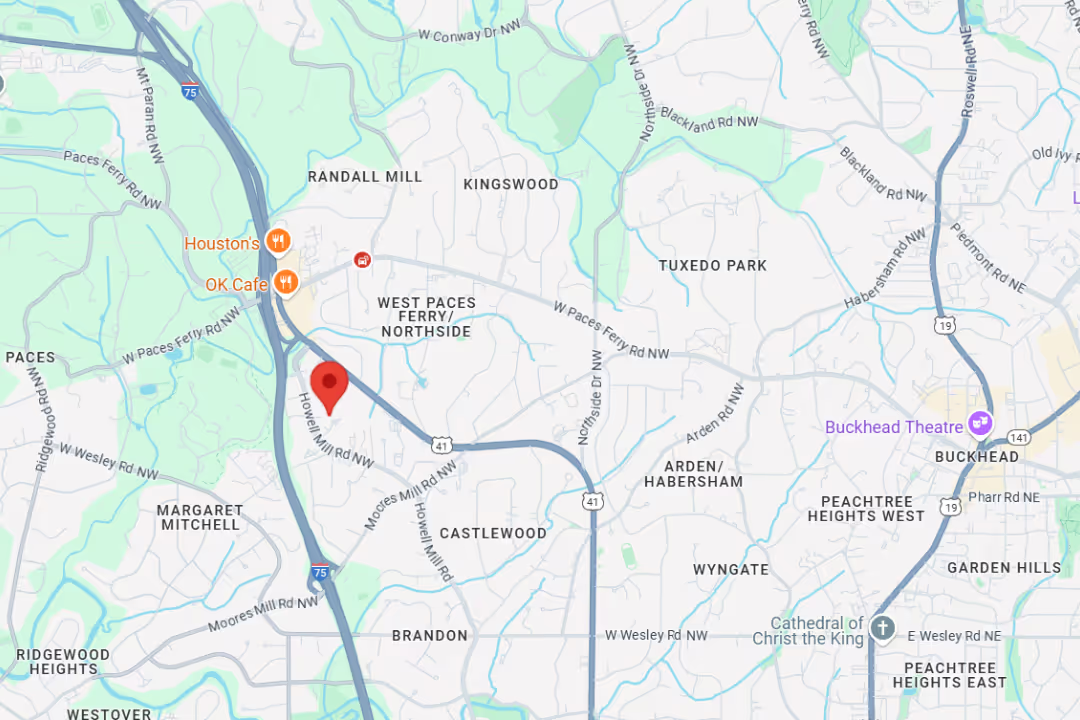
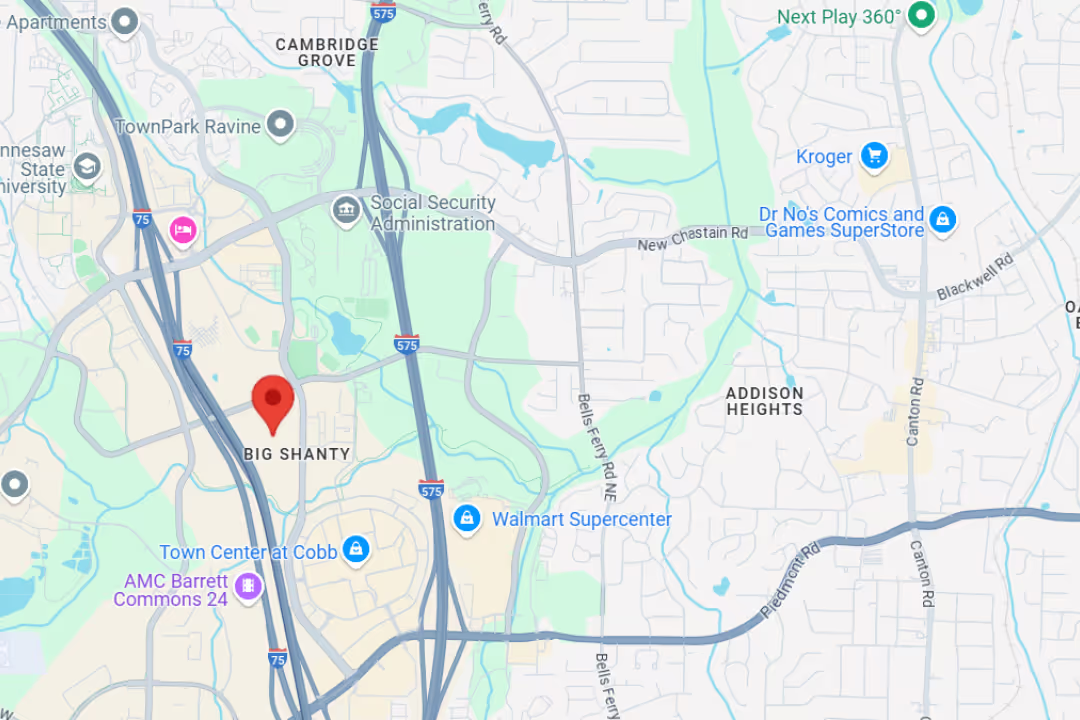
Our team delivers specialist care at convenient locations across Metro Atlanta:
Get expert tips on injury recovery, pain relief, joint health, and movement strategies—straight from our Fellowship-Trained team.