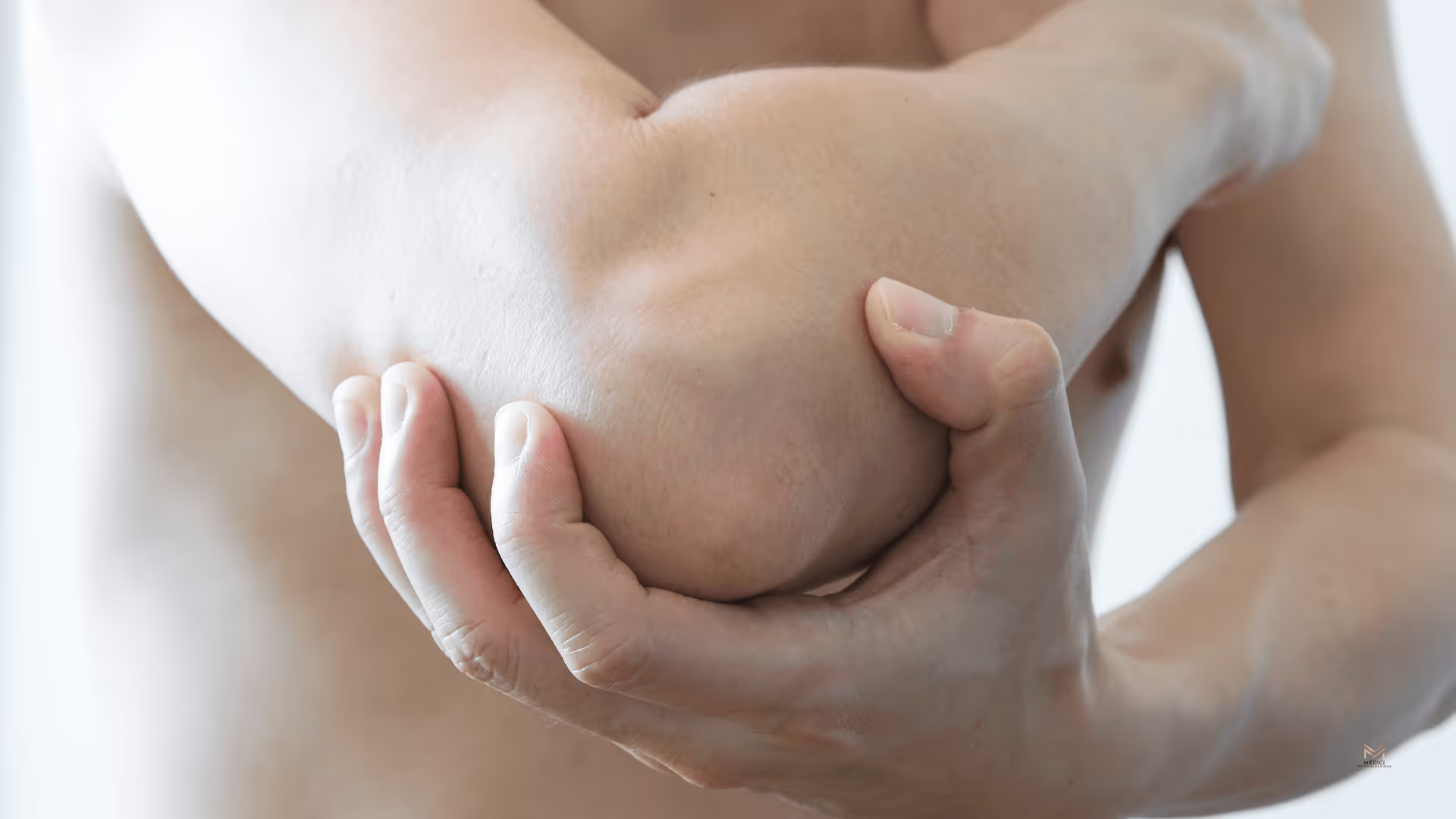
Bursitis is a common but often misunderstood condition. It occurs when the bursa—a small fluid-filled sac that cushions joints and prevents friction between bones, tendons, and muscles—becomes irritated or inflamed. When this happens, even simple movements can feel painful, stiff, or limited.
When the bursa becomes inflamed, it swells and thickens. This creates pressure within the joint, reduces available space for movement, and triggers pain signals—especially during activity or when pressure is applied to the affected area.
Bursitis can occur in any joint, but it most often affects:
Because these areas are heavily used in daily life, bursitis can quickly disrupt work, exercise, and even sleep.
Today, more people are choosing non-surgical treatments to manage bursitis—not only to avoid downtime, but because modern, minimally invasive options are highly effective. Many cases of bursitis respond exceptionally well to conservative care when diagnosed and treated early.
At Medici Orthopaedics & Spine, our mission is to restore your quality of life using the least invasive, least drug-dependent solutions available. This includes advanced diagnostics, targeted injections, regenerative medicine, physical therapy integration, and customized wellness plans designed to relieve pain and prevent recurrence.
Accurate diagnosis is the foundation of effective bursitis treatment. Many conditions can mimic bursitis—including tendonitis, arthritis, or even nerve irritation—so identifying the true source of pain ensures faster relief and prevents recurring issues.
Your evaluation begins with a detailed hands-on exam. Medici providers assess:
This helps pinpoint which structure is inflamed and what might be contributing to the irritation.
Ultrasound allows real-time visualization of soft tissues, including the bursa and surrounding tendons. It helps confirm inflammation or excess fluid and can guide targeted treatments such as aspiration or injections.
X-rays help rule out structural changes such as arthritis, bone spurs, or alignment issues—that may be aggravating the bursa.
These imaging tools make diagnosis more precise and ensure that patients receive the most appropriate non-surgical treatment.
Treating bursitis effectively means uncovering why the bursa is inflamed. Causes may include:
By identifying the root cause, Medici’s clinicians can create targeted plans that treat the inflammation and prevent future flare-ups.
Many conditions mimic bursitis, and treating the wrong problem delays recovery.
Medici providers carefully evaluate whether symptoms stem from:
This detailed approach ensures patients get accurate diagnoses and effective non-surgical care from day one.
At Medici Orthopaedics & Spine, most cases of bursitis can be treated without surgery. Our approach focuses on decreasing inflammation, restoring normal joint mechanics, and preventing recurrence—all with the least invasive, least drug-dependent strategies possible.
Reducing strain
Simple adjustments like avoiding kneeling, minimizing overhead movements, or changing sleeping positions can significantly reduce irritation.
Temporary adjustments for healing
Short-term rest gives inflamed tissues time to recover while preventing further aggravation.
When each is appropriate
How to reduce inflammation safely
Patients are guided on proper timing, frequency, and duration to avoid skin irritation or rebound inflammation.
Strengthening surrounding muscles
Stronger support structures reduce friction on the bursa and improve joint mechanics.
Improving body mechanics
Physical therapists correct faulty movement patterns and postural imbalances that contribute to bursitis.
Reducing recurrence
A personalized PT plan helps ensure long-term relief and prevents the inflammation from returning.
Relieving soft tissue tension
Tight muscles often overload the bursa. Manual therapy helps soften restricted tissues and relieve stress.
Enhancing joint movement
As soft tissues loosen, mobility improves—reducing pressure on the inflamed bursa.
To avoid dependence and unnecessary side effects, Medici prioritizes non-opioid medications.
NSAIDs
Help reduce inflammation and pain.
Muscle relaxants
Useful when surrounding muscle spasms complicate bursitis.
Topical anti-inflammatories
Provide targeted relief with fewer systemic effects.
Injections offer powerful, targeted relief—especially when pain limits mobility.
Advanced biologic therapies can enhance the body’s natural ability to repair inflamed tissues.
Enhancing oxygen delivery
HBOT increases oxygen levels in the bloodstream, supporting healing in damaged tissues.
More rapid tissue repair
Many patients experience reduced inflammation and faster recovery when HBOT is combined with other treatments.
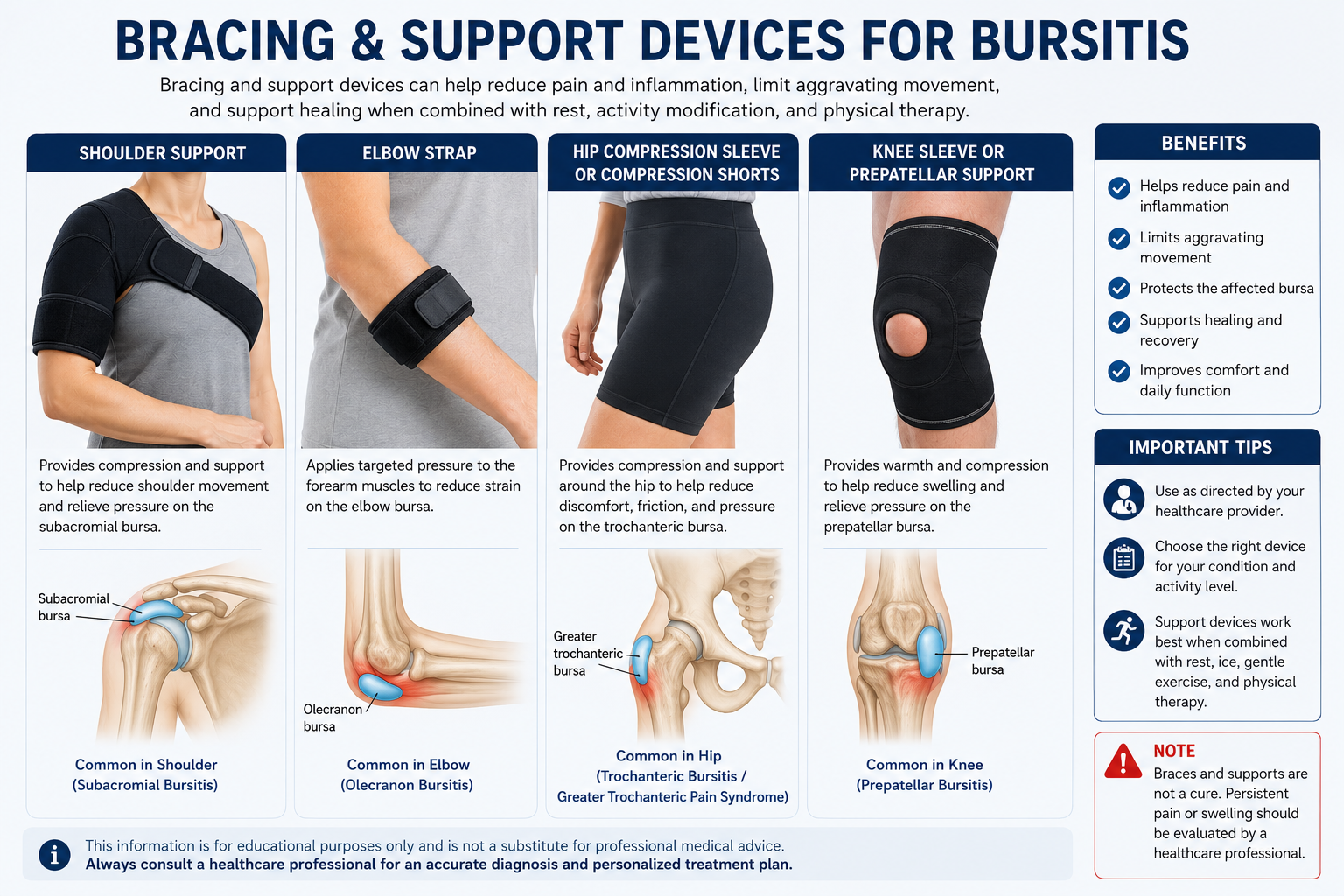
Offloading pressure
Braces reduce strain on the affected joint, allowing the bursa to relax and recover.
Stabilizing irritated joints
Provides support during activity and prevents further irritation from poor movement mechanics.
While many patients improve with rest, therapy, and regenerative treatments, some cases of bursitis require more targeted intervention. Medici offers minimally invasive procedures that relieve pain, restore function, and avoid the need for surgery.
Breaking down thickened bursal tissue
Chronic bursitis can cause the bursa to thicken, creating ongoing pain and restricted movement. Ultrasound-guided needling breaks up this thickened tissue, allowing the bursa to heal properly.
This technique is precise, minimally invasive, and highly effective for stubborn bursitis that hasn’t responded to conservative treatments.
Reducing chronic pain signals
When inflamed tissue irritates nearby nerves, persistent pain may continue even after swelling improves. Radiofrequency ablation (RFA) gently interrupts these pain signals, offering long-lasting relief without medication.
RFA is particularly helpful for chronic hip or shoulder bursitis where nerve sensitivity becomes a major contributor to ongoing pain.
Medici may recommend minimally invasive procedures when:
These treatments are safe, fast, and effective—and align perfectly with Medici’s mission to restore quality of life using the least invasive, least drug-dependent options available.
Most cases of bursitis can be treated successfully without surgery, especially when diagnosed early and guided by specialists who understand how joints, muscles, and soft tissues work together. With the right care, patients often experience meaningful relief, improved mobility, and a faster return to daily activities.
At Medici Orthopaedics & Spine, we offer a full range of advanced, minimally invasive solutions, from physical therapy and myofascial release to regenerative medicine and targeted injections. Because bursitis is rarely caused by inflammation alone, our team focuses on uncovering the root cause and building a treatment plan tailored to your unique condition.
Personalized, thoughtful care leads to faster, safer recovery, and prevents minor irritation from turning into chronic pain. Whether you’re managing a recent injury or dealing with long-standing bursitis, Medici is committed to restoring your movement, comfort, and overall quality of life.
📞 Call us today: +1-844-328-4624
🌐 Schedule online: https://www.mediciortho.com/
Marietta Surgical Center
792 Church Street, Unit 101
Marietta, GA
At Medici, you’re more than your MRI.
We take time to hear your story, understand your pain, and create a plan that actually works for you.

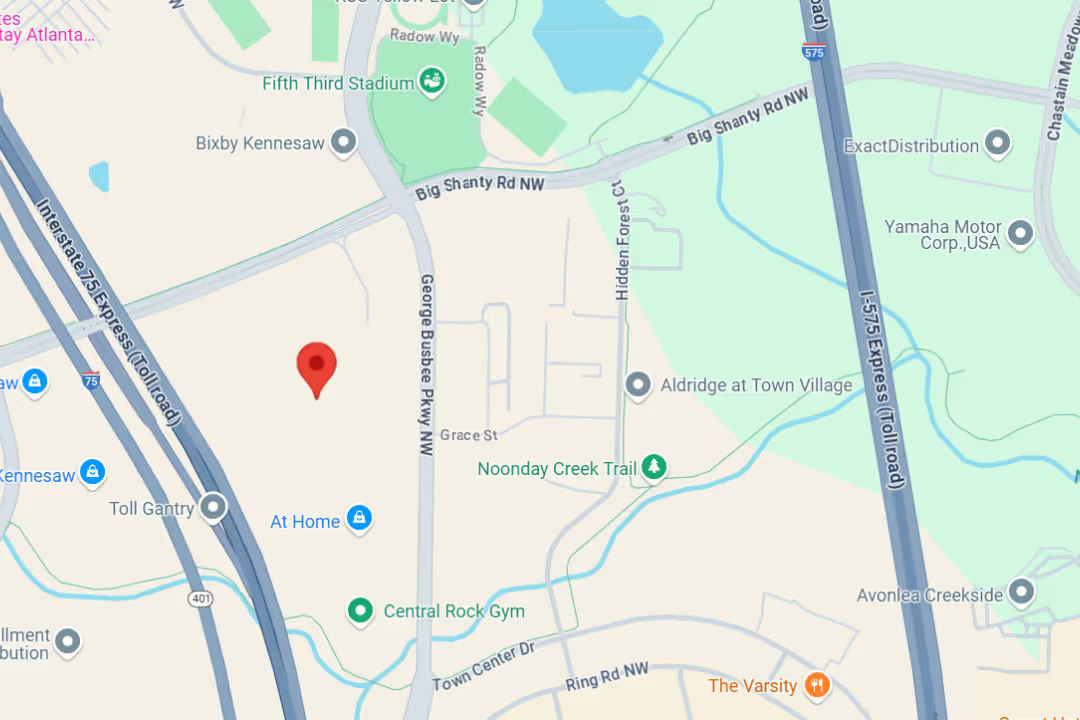
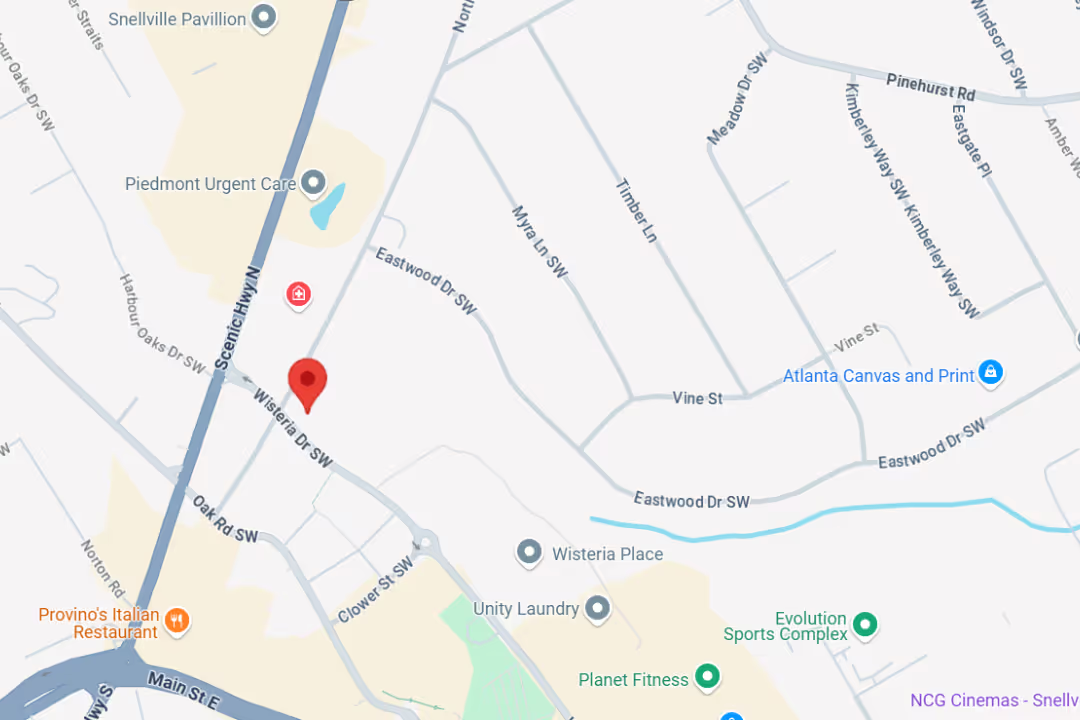
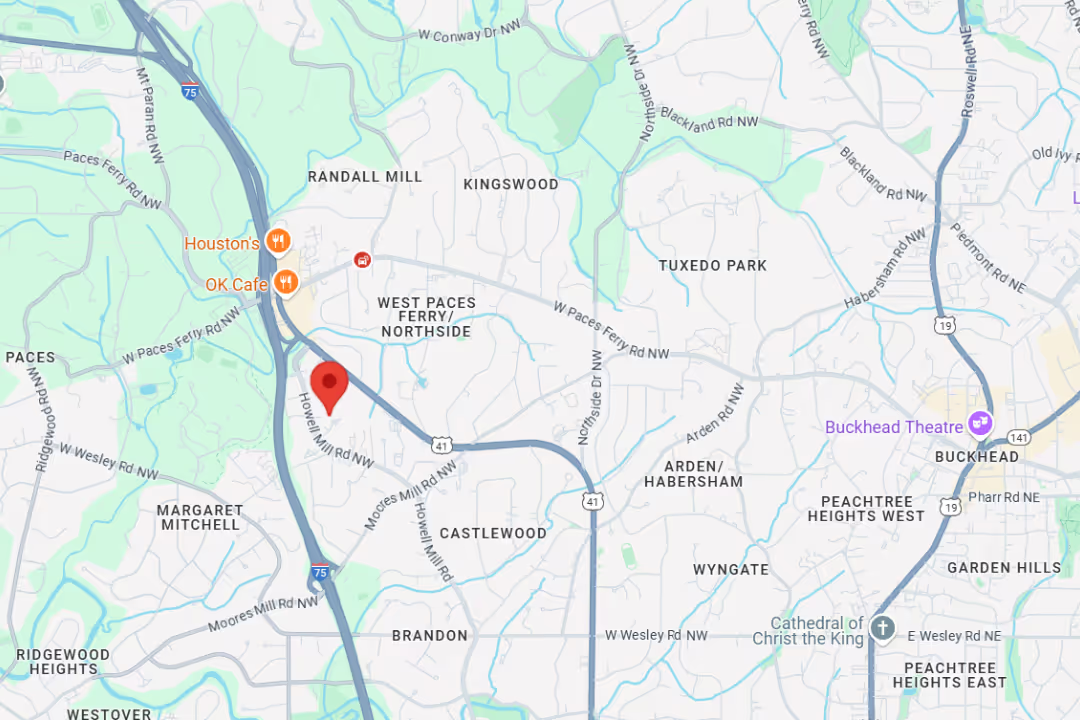
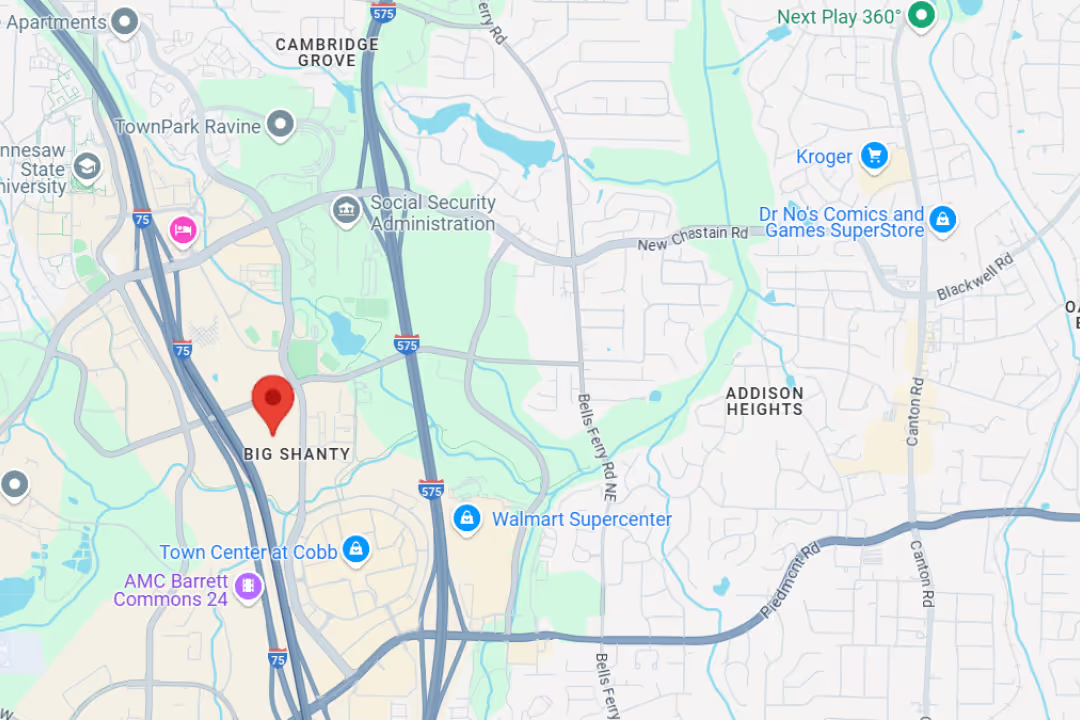
Our team delivers specialist care at convenient locations across Metro Atlanta:
Get expert tips on injury recovery, pain relief, joint health, and movement strategies—straight from our Fellowship-Trained team.