Arthritis pain can sneak into the small moments first. Maybe your knees feel stiff when you get out of the car. Maybe your hands ache when you open a jar. Maybe your hips or lower back start talking to you after a walk that used to feel easy. Over time, those little changes can begin to shape your day.
For many people, the goal is simple: they want relief, but they do not want to depend only on medication or rush into surgery before they truly understand their options. That is a very reasonable place to start. At Medici Orthopaedics & Spine, Dr. Sonny Dosanjh and the Medici team believe arthritis care should be practical, personal, and focused on helping patients move better with the least invasive approach possible.
Natural arthritis pain solutions are not about ignoring medical care. They are about using the right combination of movement, strengthening, inflammation control, lifestyle support, and targeted treatment to help the body function better. Arthritis can be frustrating, but it does not have to take over your life. With the right evaluation and a thoughtful plan, many patients can reduce pain, protect mobility, and get back to doing more of what matters.
Physical therapy can be one of the most useful natural arthritis pain solutions because it is tailored to the patient’s joint, symptoms, strength, mobility, and goals. A good therapy plan does not just say, “Exercise more.” It shows the patient how to move in a way that supports the joint instead of irritating it.
A customized therapy plan may focus on:
Pain changes how people move. A patient with knee arthritis may start limping. A patient with hip arthritis may lean to one side. A patient with back arthritis may avoid bending and become stiff through the hips. These movement changes can create more stress on other joints and muscles.
Physical therapy can help identify and correct these patterns.
This may include working on:
Physical therapy helps patients build strength in a controlled way. The therapist can adjust exercises based on pain level, swelling, fatigue, and progress.
Strength-building may include:
Some patients benefit from hands-on therapy to reduce stiffness, improve mobility, and calm surrounding muscle tension. Arthritis can make muscles tighten around a painful joint, which may limit movement even more.
Hands-on therapy may include:
Physical therapy works best when patients continue the right exercises between visits. A home exercise program gives patients tools they can use consistently, even on days when they are not in the clinic.
A good home program should be:
Patients sometimes feel discouraged because they think they have to make a major change before their joints will feel any better. But with arthritis, even modest progress may help. Less load on the joint can make walking, stairs, standing, and daily activities more manageable.
Small changes may include:
Nutrition cannot “cure” arthritis, but it can support inflammation control, energy, healing, and weight management. A joint-friendly eating pattern usually emphasizes whole foods, steady blood sugar, and nutrients that support muscle and tissue health.
Helpful nutrition habits may include:
Heat and ice can be simple, low-cost tools for arthritis pain relief. The key is knowing when each may be helpful.
Heat may help with:
Ice may help with:
Braces, sleeves, orthotics, and supportive devices can reduce stress on painful joints. They do not cure arthritis, but they may help improve comfort and function during daily activity.
Joint support may include:
Topical treatments may be useful for certain arthritis pain because they are applied directly to the painful area. Some patients prefer topical options because they may have fewer whole-body side effects than oral medications, depending on the product and the patient’s health history.
Topical options may include:
Corticosteroid injections may be used to reduce inflammation inside or around a painful arthritic joint. They are often considered when pain, swelling, or inflammation is limiting movement and daily function.
Steroid injections may be used for joints such as:
Hyaluronic acid injections are sometimes used for knee arthritis. This treatment is often described as a joint lubrication injection because hyaluronic acid is a substance naturally found in joint fluid.
Patients may ask whether hyaluronic acid is right for them. The answer depends on factors such as:
Prolotherapy may be considered for certain ligament, tendon, or joint-related pain patterns. It involves injecting a solution into a targeted area with the goal of stimulating a healing response.
This is not the right option for every arthritis patient. It may be more relevant when joint instability, ligament irritation, tendon pain, or soft tissue pain is contributing to symptoms.
Prolotherapy may be discussed when a patient has:
Arthritis pain can make life feel smaller one decision at a time. You may start avoiding stairs, cutting walks short, skipping hobbies, or planning your day around which joint hurts the most. That kind of pain is common, but it should not be ignored or brushed aside as something you simply have to accept.
Arthritis may be part of your story, but it does not have to control the whole story. With the right care team and the right plan, many patients can take meaningful steps toward moving better, feeling stronger, and getting back to the life they want to live.
If you are searching for natural arthritis pain solutions in Georgia, Medici Orthopaedics & Spine is here to help. Our team offers conservative, minimally invasive, and least drug-dependent treatment options designed to reduce pain, improve movement, and support your quality of life.
Whether your arthritis pain affects your knees, hips, hands, shoulders, feet, ankles, neck, or back, we will take time to listen, evaluate, and help you understand your options. You do not have to figure it out alone, and you do not have to wait until pain takes more of your independence.
Call +1-844-328-4624 or visit https://www.mediciortho.com/ to schedule an appointment.
Ambulatory Surgery Centers
Marietta
792 Church Street
Unit 101
Marietta, GA 30060
(470) 795-8398
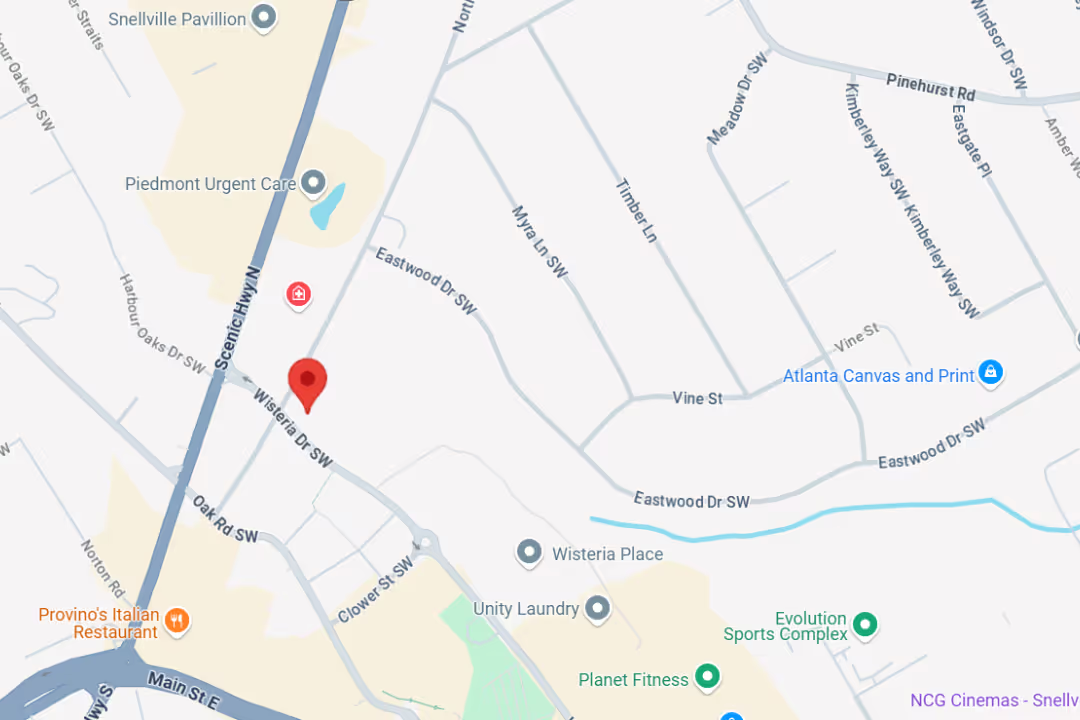
Snellville
2220 Wisteria Dr
Unit 100
Snellville, GA 30078
(470) 795-8398
Clinics
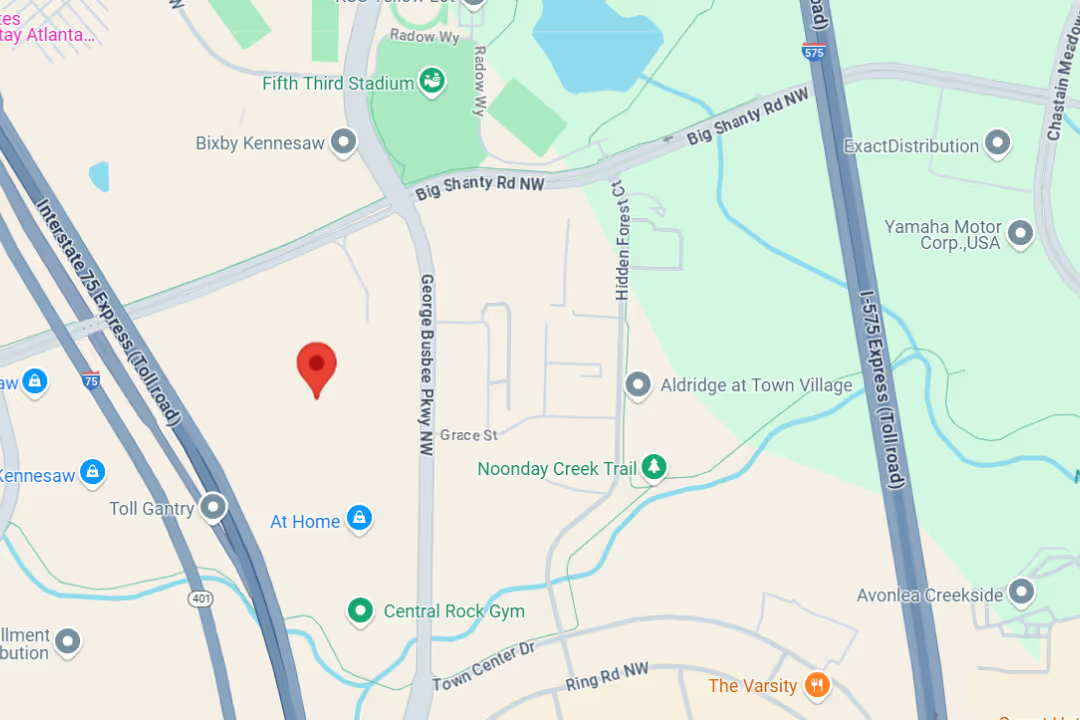
Kennesaw
2911 George Busbee Parkway
Suite 50
Kennesaw, GA 30144
(770) 545-6404
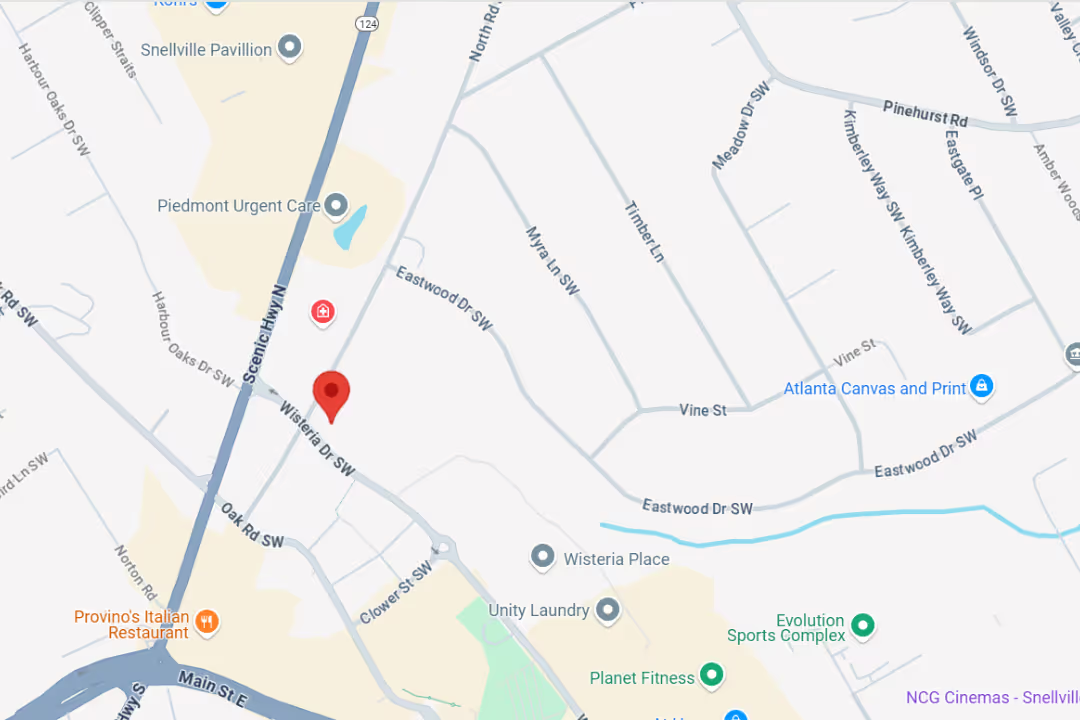
Snellville
2220 Wisteria Drive
Unit 101
Snellville, GA 30078
(470) 645-9297
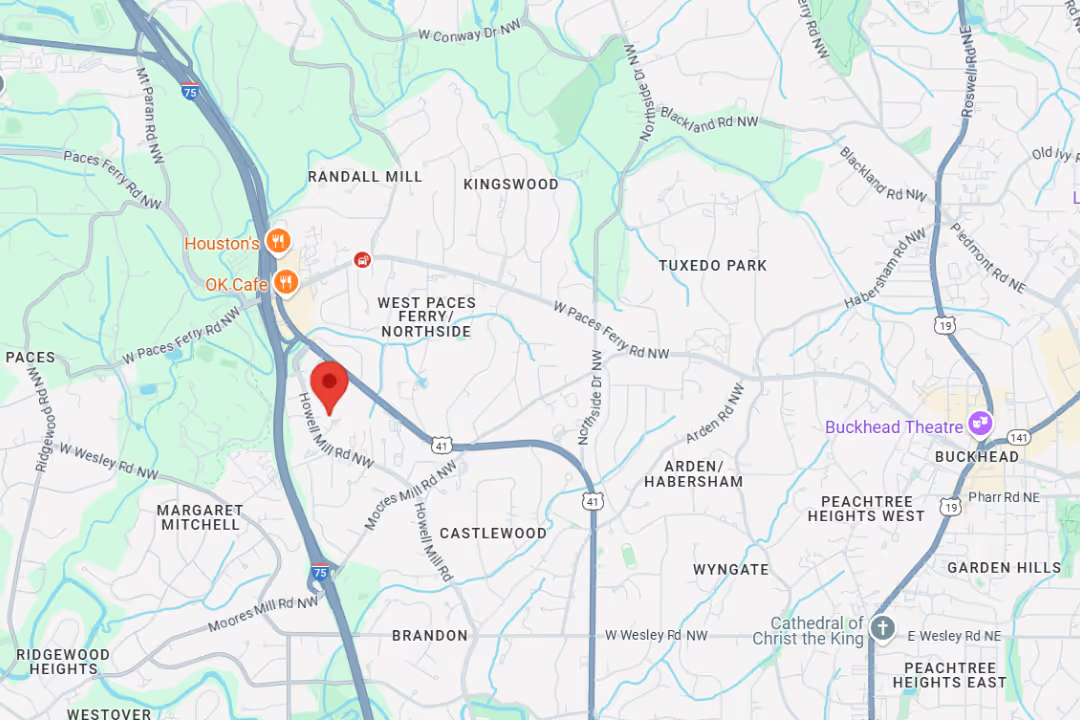
Buckhead PM&R
3200 Downwood Circle NW
Suite 520
Atlanta, GA 30327
(770) 872-7549
At Medici, you’re more than your MRI.
We take time to hear your story, understand your pain, and create a plan that actually works for you.

Our team delivers specialist care at convenient locations across Metro Atlanta:
Get expert tips on injury recovery, pain relief, joint health, and movement strategies—straight from our Fellowship-Trained team.