Osteoarthritis has become increasingly common across Georgia, affecting individuals of all ages—but especially adults who are active, aging, or managing old injuries. As the most prevalent form of arthritis, it can quietly reshape everyday life. Tasks that once felt simple—walking the dog, getting up from a chair, climbing stairs—can become slower, more painful, and more frustrating. Over time, this ongoing discomfort can limit mobility, drain energy, and diminish overall quality of life.
Because osteoarthritis is progressive, timely and specialized care is essential. Early intervention helps preserve joint function, protect cartilage, and prevent the kind of long-term damage that makes treatment more difficult later on. However, many patients find it overwhelming to navigate healthcare options once symptoms begin to interfere with daily routines. With so many clinics, treatment styles, and medical opinions, choosing the right doctor can feel like a major decision—and it is.
For patients in Georgia, Medici Orthopaedics & Spine offers advanced, patient-focused orthopedic care, including evidence-based, minimally invasive treatments designed to relieve osteoarthritis pain while preserving the health of your joints.
Osteoarthritis is a degenerative joint condition that occurs when protective cartilage—the smooth tissue that cushions your joints—gradually breaks down. As the cartilage thins, the bones begin to rub more closely together, creating friction that leads to pain, stiffness, swelling, and reduced mobility.
This joint deterioration can affect many areas of the body, but the most commonly impacted joints include:
As osteoarthritis progresses, the symptoms can shift from occasional irritation to daily, activity-limiting discomfort. This is why early diagnosis matters. When identified sooner, osteoarthritis can often be managed with conservative, non-surgical treatments that slow progression and keep patients active.
It’s also important to understand the difference between normal aging and problematic degeneration. Some changes in joints are expected over time, but persistent pain, swelling, or reduced range of motion are signs that the joint is deteriorating more quickly than it should. That’s when expert guidance becomes essential.
With the right doctor, patients can receive personalized care that minimizes pain, maintains mobility, and helps them continue living life on their terms.
A highly qualified osteoarthritis specialist should have a strong medical foundation supported by advanced certifications and hands-on experience. This often includes:
This level of expertise ensures that your diagnosis is accurate and your treatment plan is informed by the most up-to-date medical knowledge.
Osteoarthritis care has evolved significantly, and the specialist you choose should offer access to a wide range of modern, medically supported therapies. This includes:
A specialist who stays current with medical advancements can provide more effective, long-lasting results.
The best osteoarthritis doctors go beyond the clinical diagnosis to understand your daily challenges, lifestyle, activity level, and long-term goals. A patient-centered doctor will:
This approach leads to more meaningful, sustainable improvements.
As awareness grows around the risks of long-term opioid use, it's essential to choose a specialist who prioritizes safer, more effective alternatives. This means:
This philosophy aligns with Medici Orthopaedics & Spine’s mission to restore mobility through the least invasive, least drug-dependent options available today.
These first-line therapies are essential for reducing pain and preserving mobility:
These approaches are often effective early in the disease and remain important throughout treatment.
Modern regenerative therapies are becoming increasingly popular because they support the body’s natural healing mechanisms. These may include:
These options are especially valuable for patients hoping to delay or avoid joint replacement surgery.
When conservative treatments are not enough, interventional options can provide targeted relief:
These treatments help patients maintain mobility and function with minimal downtime.
Although many patients can avoid surgery, there are times when it becomes the best option. A qualified specialist should discuss:
When performed within the right treatment framework, surgery can restore mobility and significantly improve quality of life.
Osteoarthritis rarely affects just one part of a patient’s life—or even just one joint. Over time, limited mobility, altered gait, and compensatory movement patterns can create a chain reaction throughout the body. This is why choosing a doctor with both experience and access to a multidisciplinary team is essential.
An experienced osteoarthritis specialist understands how interconnected the joints and surrounding tissues are. They recognize when symptoms in one area may actually be triggered or worsened by dysfunction elsewhere. But beyond experience alone, coordinated care is one of the most powerful ways to improve outcomes.
A multidisciplinary approach ensures collaboration among:
When these specialists communicate and coordinate treatment, patients experience better pain relief, improved function, and more predictable progress.
Osteoarthritis may be a long-term condition, but it does not have to define your pace of life or limit your ability to move comfortably. With the right specialist, the right diagnosis, and the right treatment plan, meaningful relief is absolutely possible. You deserve care that helps you stay active, protects your joints, and restores confidence in your body’s ability to move.
Expert-guided, minimally invasive care can reduce pain, improve joint function, and prevent unnecessary surgery. At Medici Orthopaedics & Spine, we provide a patient-centered approach that considers your lifestyle, your goals, and your long-term well-being. Our team is committed to offering the most advanced, compassionate, and effective solutions available—so you can return to living life on your terms.
📍 Ambulatory Surgery Centers
• Marietta: 792 Church Street, Unit 101, Marietta, GA 30060 — (470) 795-8398
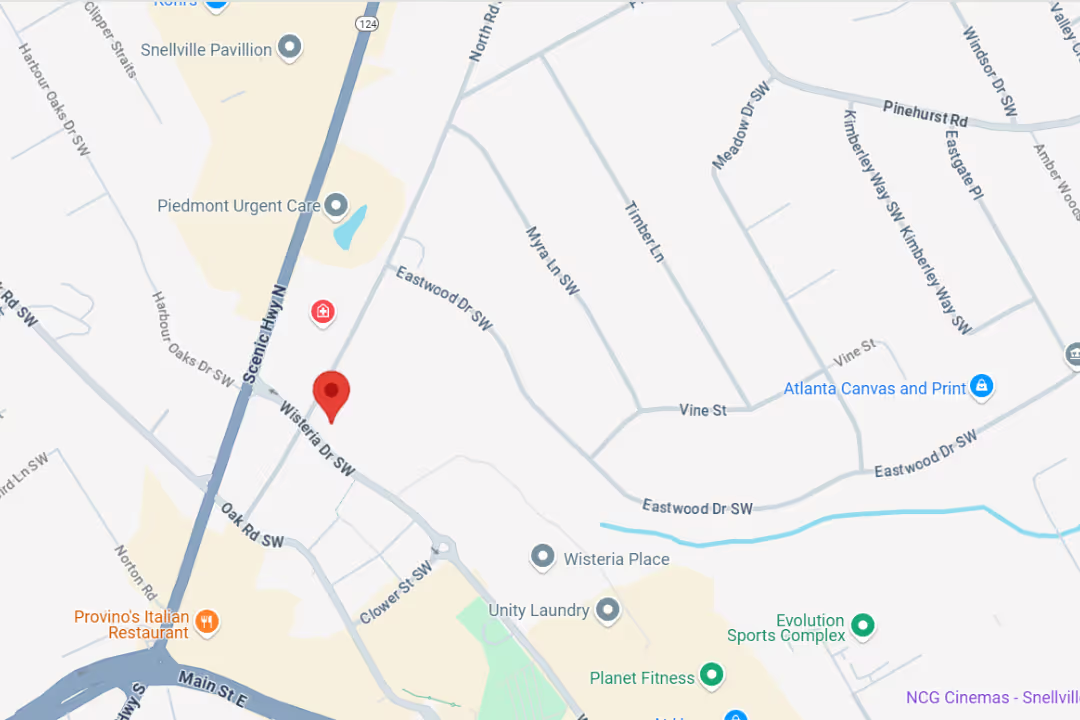
• Snellville: 2220 Wisteria Dr, Unit 100, Snellville, GA 30078 — (470) 795-8398
📍 Clinics
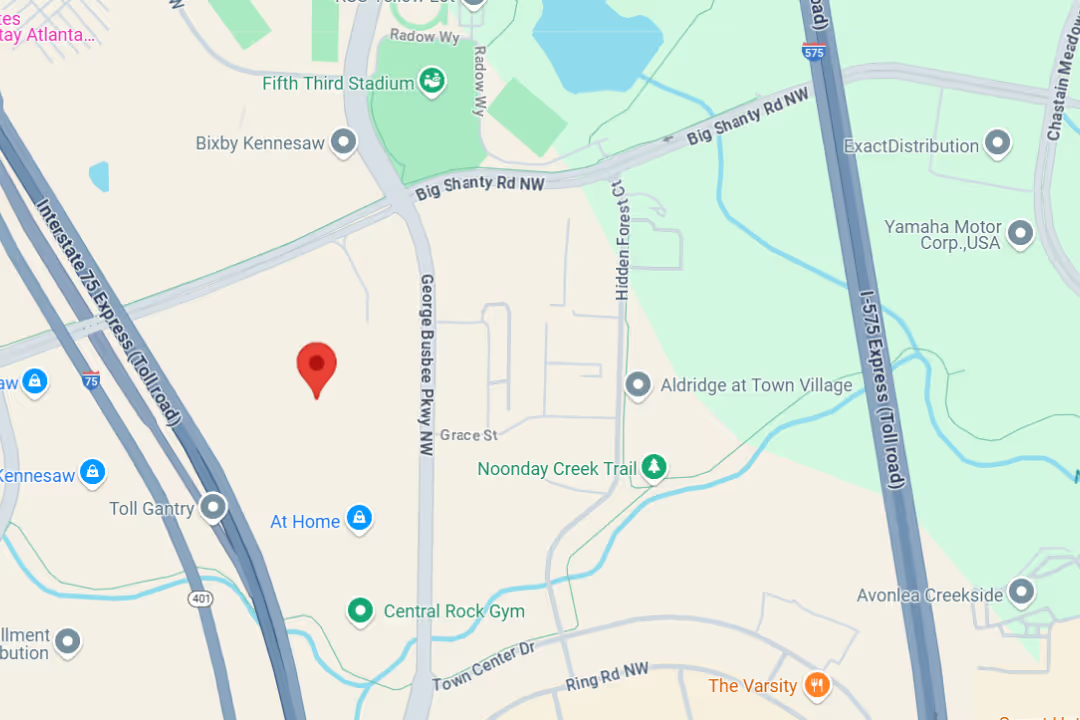
• Kennesaw: 2911 George Busbee Parkway, Suite 50, Kennesaw, GA 30144 — (770) 545-6404
• Snellville: 2220 Wisteria Drive, Unit 101, Snellville, GA 30078 — (470) 645-9297
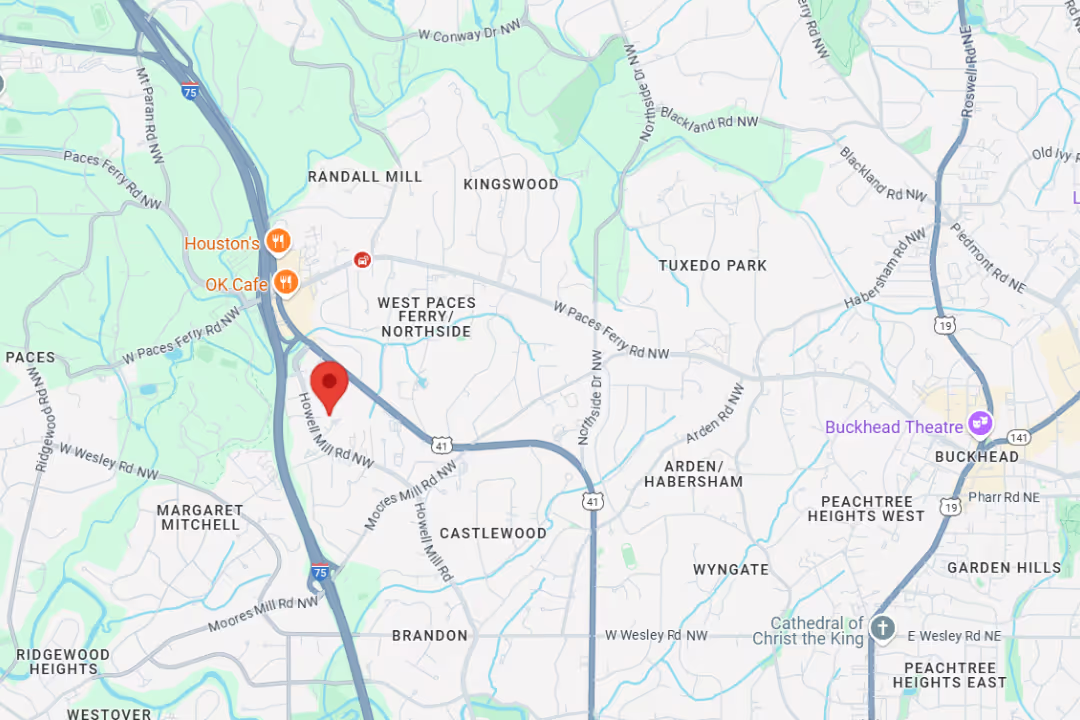
• Buckhead PM&R: 3200 Downwood Circle, NW, Suite 520, Atlanta, GA 30327 — (770) 872-7549
🌐 Website: https://www.mediciortho.com/
📞 Main Contact: +1-844-328-4624
At Medici, you’re more than your MRI.
We take time to hear your story, understand your pain, and create a plan that actually works for you.

Our team delivers specialist care at convenient locations across Metro Atlanta:
Get expert tips on injury recovery, pain relief, joint health, and movement strategies—straight from our Fellowship-Trained team.