Living with chronic pain can affect every part of your day—how you move, how you sleep, how you work, and how you enjoy the people you love. Pain is not just a physical sensation; it impacts your emotional well-being, your energy levels, and your overall quality of life. That’s why it’s essential to understand chronic pain as a whole-body experience, influenced by inflammation, stress, activity levels, and daily habits.
At Medici Orthopaedics & Spine, we believe in restoring your function and comfort through the most effective, least invasive, and least drug-dependent methods available. Our patient-centered philosophy means we meet you where you are and help you take meaningful steps toward long-term relief—naturally.
What you eat plays a significant role in how your body experiences pain. Certain foods naturally calm inflammation, while others make it worse.
Foods that help reduce inflammation include:
Foods that may worsen inflammation include:
Choosing nutrient-dense, colorful whole foods nourishes your joints, nerves, and muscles—helping your body better regulate pain.
Hydration is one of the simplest, most overlooked tools for pain management. Your joints, discs, muscles, and connective tissues all rely on adequate water to stay lubricated, flexible, and resilient.
Water supports:
Even mild dehydration can lead to increased stiffness, fatigue, and muscle spasms. A consistent hydration routine supports overall tissue health and reduces pain flare-ups.
Every extra pound of weight places additional stress on the spine, knees, hips, and feet. Over time, this added pressure can worsen chronic pain, especially in weight-bearing joints.
The goal isn’t extreme dieting—it’s small, sustainable nutritional adjustments that:
Even a modest reduction in weight can make a meaningful difference in how your body feels and functions.
Movement is one of the most powerful natural tools for reducing chronic pain. Low-impact exercises protect your joints while strengthening the muscles and tissues that keep your body moving comfortably.
Effective low-impact options include:
These exercises help improve mobility, promote healthy posture, boost blood flow, and support better muscle balance—key components of long-term pain management.
Strong muscles act as protective scaffolding for your joints and spine. When muscles are weak, surrounding structures absorb more strain, often leading to flare-ups and functional limitations.
Core and functional strengthening help by:
Functional strengthening focuses on movements you perform every day—lifting, bending, reaching, walking—helping your body move more efficiently and with less pain.
Tight muscles can restrict movement and place excess stress on joints and nerves. A gentle, daily stretching routine increases flexibility, reduces stiffness, and keeps tissues well-nourished.
Stretching supports:
Even 5–10 minutes of intentional stretching can make a meaningful difference.
Many people living with chronic pain push too hard on good days and over-rest on bad days. This cycle often leads to flare-ups and frustration.
Activity pacing encourages you to:
With pacing, the goal is consistency—not intensity.
Poor sleep increases your sensitivity to pain, reduces the body's healing capacity, and heightens inflammation. Unfortunately, chronic pain often makes sleep harder, creating a frustrating cycle.
When sleep is optimized, the body can:
Good sleep hygiene sets the stage for restorative rest. Small shifts in your nighttime routine can dramatically improve sleep quality.
Helpful strategies include:
These practices support deeper, longer-lasting sleep.
Sleeping positions and mattress support matter more than people realize—especially for those with neck, back, or joint pain.
Key principles include:
Side sleepers often benefit from putting a pillow between the knees, while back sleepers may find relief with a pillow under the knees to reduce lumbar strain.
Stress and pain are closely intertwined. When stress rises, cortisol levels increase, muscles tighten, and the nervous system becomes more reactive—making pain feel more intense.
Understanding this connection empowers patients to address pain from multiple angles, not just the physical ones.
Mind-body practices help calm the nervous system and reduce the heightened sensitivity that often accompanies chronic pain.
Effective techniques include:
These practices are scientifically supported and highly accessible—they can be done anywhere, anytime.
Chronic pain can shift how you think and react to daily challenges. Over time, fear, frustration, or negative expectations can intensify the experience of pain.
Cognitive strategies help by:
These approaches strengthen emotional resilience and empower patients to take control of their healing journey.
Many people spend hours each day at a desk, often in positions that unintentionally strain the back, neck, and shoulders. A supportive workstation can dramatically reduce daily discomfort and help prevent chronic pain flare-ups.
Key ergonomic principles include:
Small adjustments can create a healthier, more comfortable work environment.
How you move throughout the day affects your spine and joints just as much as formal exercise. Proper body mechanics protect you during everyday activities.
Healthy habits include:
Mindful movement helps prevent injury and reduces unnecessary stress on the musculoskeletal system.
Modern life often involves looking down at phones or leaning into screens, leading to “tech neck” and upper-back tension.
Simple corrections can help:
These adjustments protect the cervical spine and reduce repetitive strain.
Nicotine restricts blood flow, slows bone healing, and irritates nerves—three factors that can worsen chronic pain and delay recovery. Quitting smoking improves circulation, boosts oxygen delivery to tissues, and supports long-term spine and joint health.
While alcohol may seem relaxing in the moment, it can interfere with:
Balanced or reduced intake supports clearer thinking, better rest, and more stable pain levels.
Heat and cold are simple at-home tools that help manage pain naturally.
Use heat to:
Use cold to:
Knowing when to apply each can significantly improve day-to-day comfort.
Chronic pain doesn’t have to control your daily life. With compassionate guidance, evidence-based treatments, and meaningful lifestyle changes, you can take confident steps toward long-lasting relief and better function. At Medici Orthopaedics & Spine, our team—led by Dr. Sonny Dosanjh—is dedicated to helping you find the most effective, least invasive, and least drug-dependent solutions for your unique needs.
If you're ready to explore natural, personalized strategies for managing chronic pain, we’re here to support you every step of the way. Your comfort, mobility, and peace of mind matter—and we’re committed to restoring all three with the highest level of care.
Contact Medici Orthopaedics & Spine
📞 Main Line: +1-844-328-4624
🌐 Website: https://www.mediciortho.com/
Kennesaw Clinic
2911 George Busbee Parkway, Suite 50
Kennesaw, GA 30144
(770) 545-6404
Snellville Clinic
2220 Wisteria Drive, Unit 101
Snellville, GA 30078
(470) 645-9297
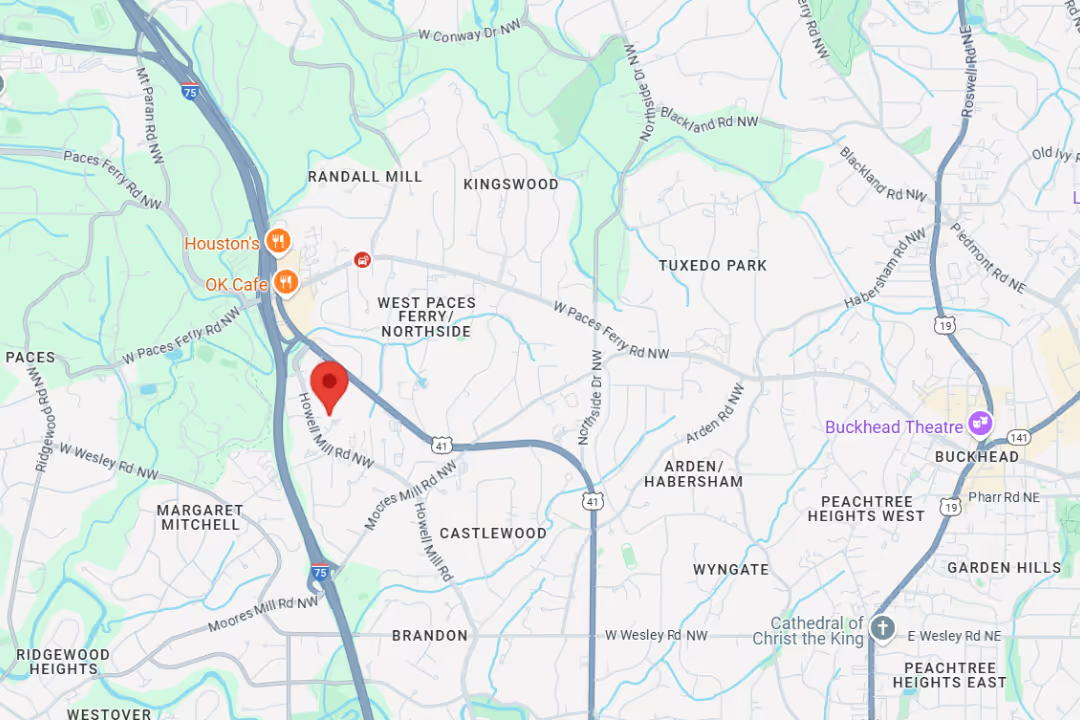
Buckhead PM&R Clinic
3200 Downwood Circle, NW, Suite 520
Atlanta, GA 30327
(770) 872-7549
Explore our library of patient support guides covering the conditions we treat, the treatments we offer, and the questions we hear most. Each one is written to help you understand your options and feel confident about your next step. Browse the topics below to learn more, or reach out to our team anytime.

At Medici, you’re more than your MRI.
We take time to hear your story, understand your pain, and create a plan that actually works for you.

Our team delivers specialist care at convenient locations across Metro Atlanta:
Get expert tips on injury recovery, pain relief, joint health, and movement strategies—straight from our Fellowship-Trained team.