A traumatic brain injury can turn life upside down in an instant. Even after the initial bruises and scans look “normal,” many people are left with invisible symptoms that linger for months or even years. You might be dealing with:
These symptoms are real, exhausting, and can affect everything from your work to your relationships and hobbies.
At Medici Orthopaedics & Spine, we understand that recovering from a TBI is about more than healing the brain—it’s about restoring your quality of life. One of the advanced, non-invasive therapies we may recommend for select patients is Hyperbaric Oxygen Therapy (HBOT). HBOT is never a one-size-fits-all solution; it’s considered only after a careful, individual evaluation to see whether it’s appropriate and how it might fit into your broader recovery plan.
Hyperbaric Oxygen Therapy (HBOT) is a medical treatment that involves breathing 100% oxygen while resting in a chamber where the air pressure is higher than normal.
In everyday life, we breathe air that contains about 21% oxygen at standard atmospheric pressure. In a hyperbaric chamber, you breathe pure oxygen at a pressure typically greater than what you experience at sea level. This combination allows your body to take in and circulate much higher levels of oxygen than normal.
There are two main types of hyperbaric chambers:
Under increased pressure, oxygen behaves differently in the body. Instead of being carried only by red blood cells, more oxygen dissolves directly into the plasma (the fluid part of your blood). This oxygen-rich plasma can reach areas of the body that might have reduced circulation or a compromised blood supply—such as injured or inflamed tissues.
For brain injuries, this can be significant:
HBOT sessions—often called “dives”—are usually performed as part of a series, since the therapeutic effects tend to build over time. The exact number and frequency of sessions depend on your diagnosis, response, and individualized treatment plan.
The brain is extremely sensitive to oxygen levels. When we increase oxygen availability in a controlled way, several beneficial processes may be supported:
While the exact mechanisms are still being studied, these processes offer a logical framework for why some TBI patients report improvements with HBOT.
Patients receiving hyperbaric oxygen therapy for TBI-related symptoms sometimes report:
It’s very important to emphasize that results vary from person to person, and no therapy can promise a cure. At Medici Orthopaedics & Spine, we view HBOT as an adjunctive therapy—designed to enhance a comprehensive rehab plan, not replace other evidence-based treatments.
Your hyperbaric journey at Medici starts with a comprehensive, low-pressure conversation—not a rush into a chamber.
During your initial evaluation, our multi-disciplinary team will:
Based on all of this, we’ll discuss whether HBOT makes sense as part of your overall recovery plan, or whether other therapies should be prioritized first.
If HBOT is part of your treatment plan, we’ll walk you step-by-step through what to expect so there are no surprises.
A typical session includes:
Most patients tolerate HBOT well and are able to return to normal activities shortly after a session.
Common experiences after treatment include:
Your overall treatment course will be tailored to your needs, but many patients undergo a series of sessions scheduled several times per week. As you progress, we will:
Our goal is not to keep you in treatment indefinitely, but to use HBOT strategically—long enough to make a meaningful difference, and always in balance with your other therapies and life commitments.
Living with the lingering effects of a traumatic brain injury can be exhausting—mentally, physically, and emotionally. The headaches, brain fog, fatigue, and mood changes can make it feel like you’ll never get back to your old self. But there is hope.
At Medici Orthopaedics & Spine, we believe you shouldn’t have to simply “live with it.” Our team is committed to helping patients heal and thrive using the most effective, minimally invasive, and least drug-dependent options available.
Hyperbaric Oxygen Therapy (HBOT) may provide meaningful support for brain healing, clarity, energy, and daily function—especially when it’s thoughtfully integrated into a comprehensive, multi-disciplinary plan. Every patient’s situation is unique, and we take time to evaluate whether HBOT is the right fit for your individual needs.
Main Phone: +1-844-328-4624
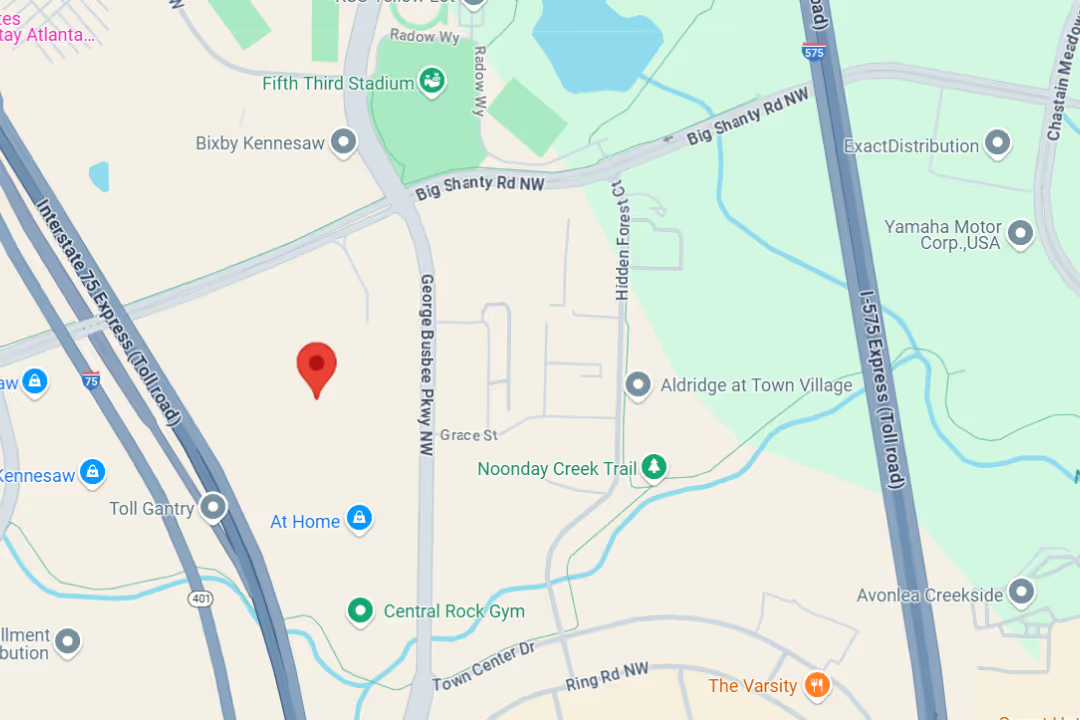
Kennesaw Clinic:
2911 George Busbee Parkway, Suite 50
Kennesaw, GA 30144
📞 (770) 545-6404
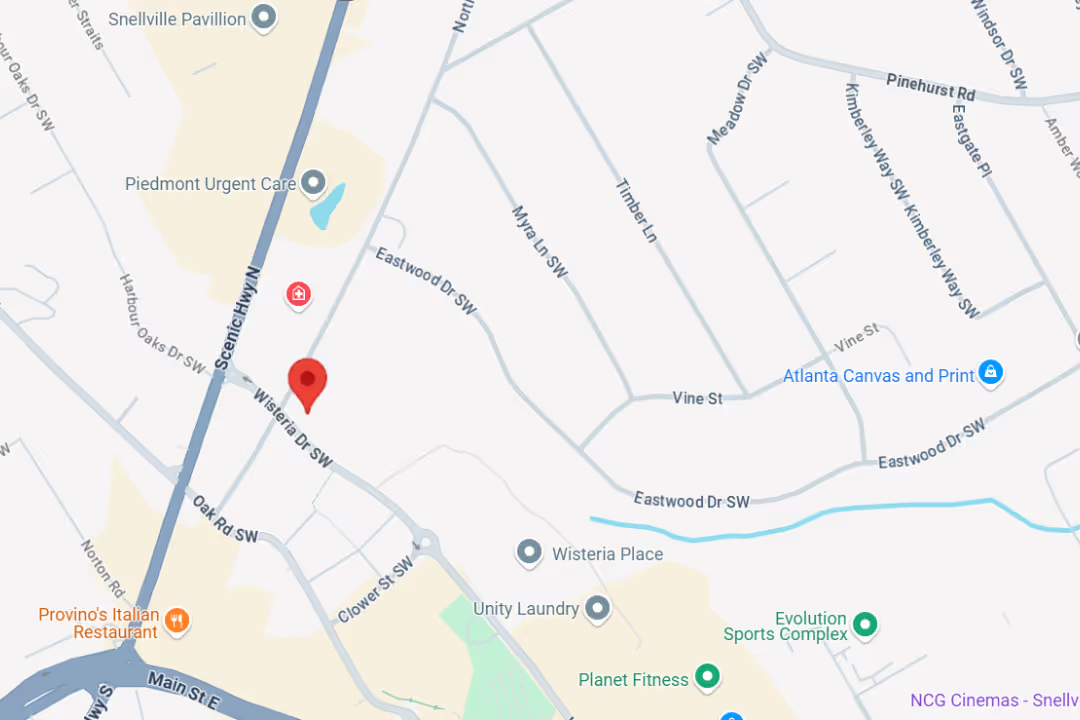
Snellville Clinic:
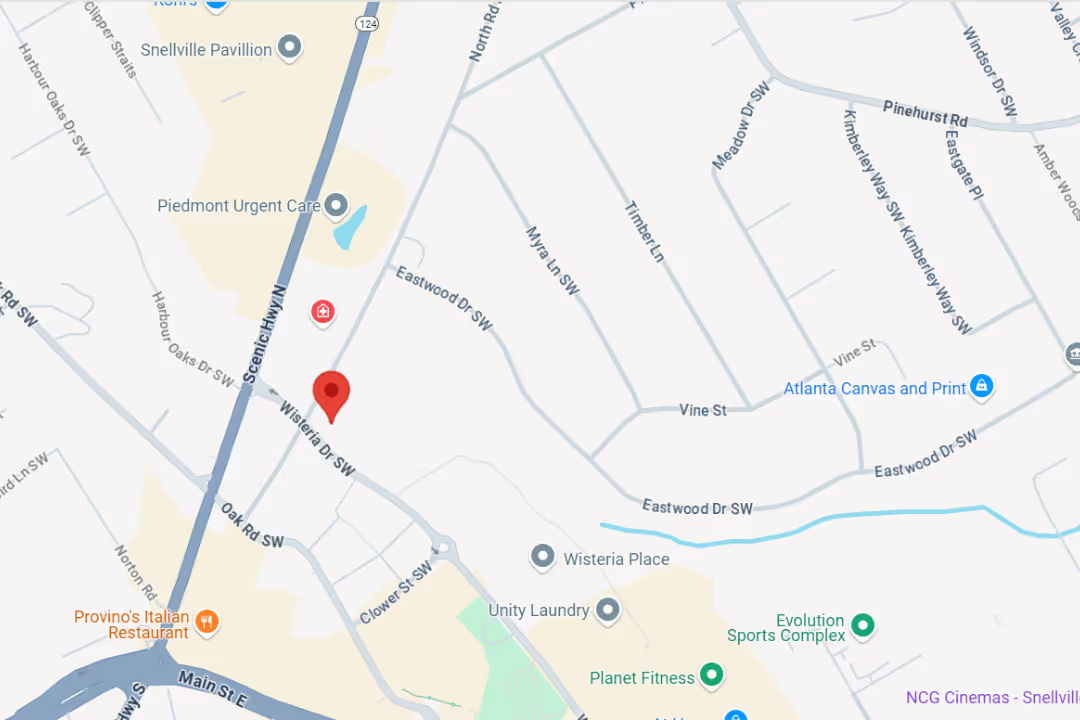
2220 Wisteria Drive, Unit 101
Snellville, GA 30078
📞 (470) 645-9297
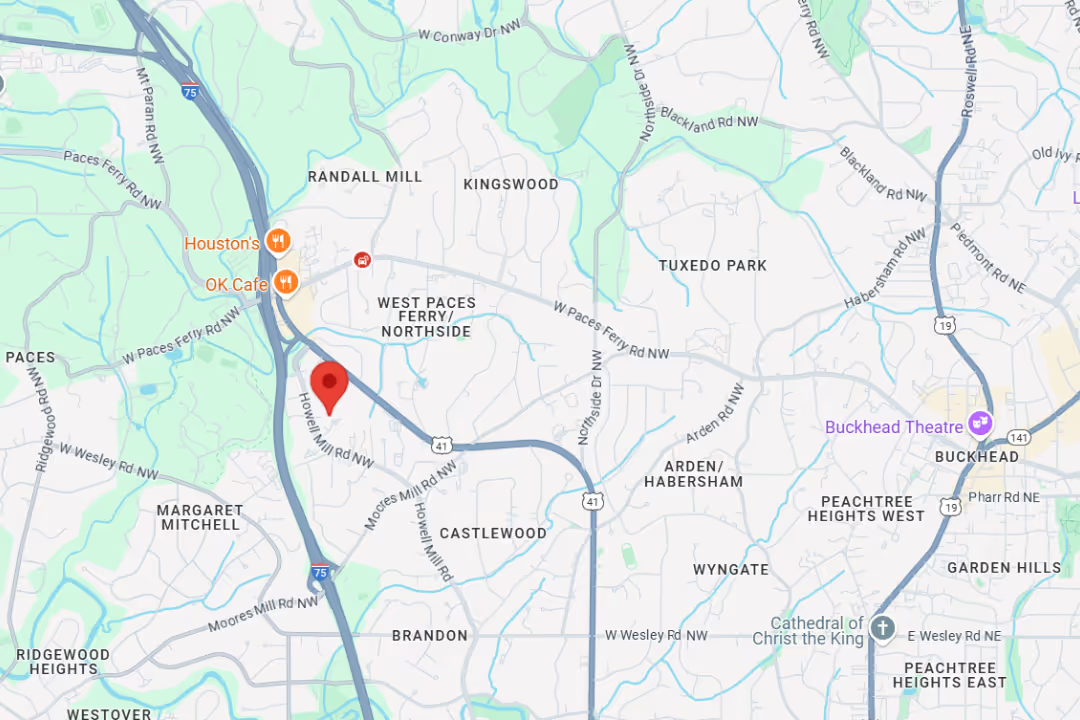
Buckhead PM&R:
3200 Downwood Circle, NW, Suite 520
Atlanta, GA 30327
📞 (770) 872-7549
Marietta Ambulatory Surgery Center:
792 Church Street, Unit 101
Marietta, GA 30060
📞 (470) 795-8398
🌐 Website: mediciortho.com
Explore our library of patient support guides covering the conditions we treat, the treatments we offer, and the questions we hear most. Each one is written to help you understand your options and feel confident about your next step. Browse the topics below to learn more, or reach out to our team anytime.

At Medici, you’re more than your MRI.
We take time to hear your story, understand your pain, and create a plan that actually works for you.

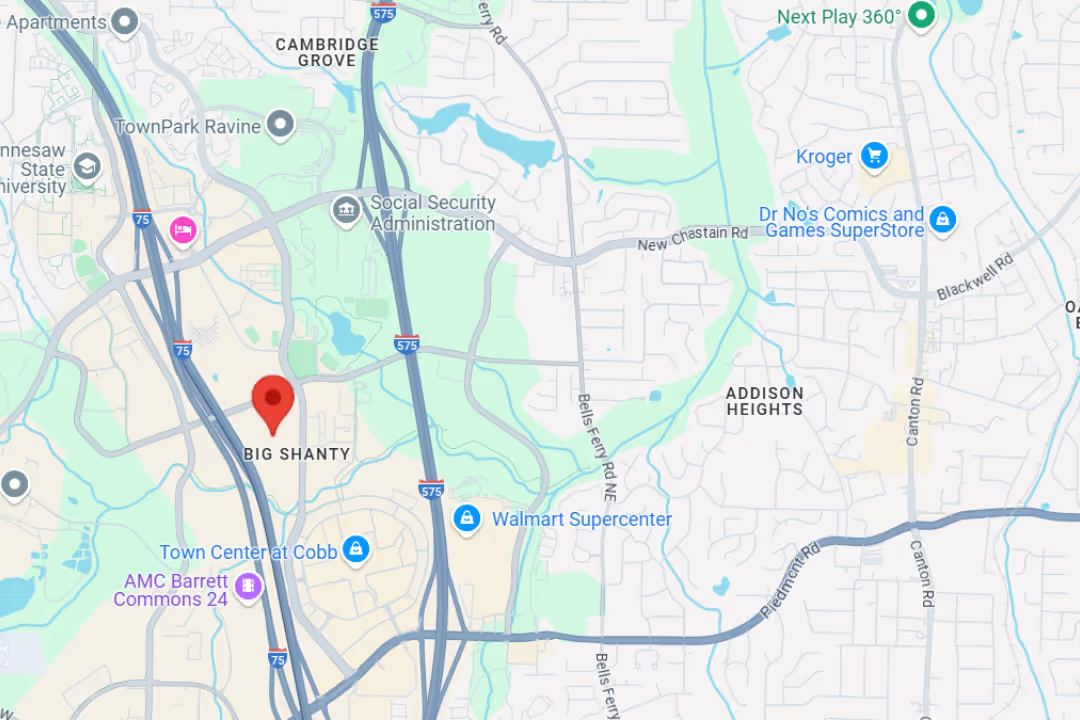
Our team delivers specialist care at convenient locations across Metro Atlanta:
Get expert tips on injury recovery, pain relief, joint health, and movement strategies—straight from our Fellowship-Trained team.