Headaches from GLP-1 Medications

GLP-1 medications have quickly become a widely used option for individuals managing diabetes and pursuing medically guided weight loss. As more people incorporate these treatments into their daily routines, awareness of potential side effects has become increasingly important. Among these, headaches are a commonly reported concern that can interfere with comfort, focus, and overall well-being.

For many patients, these headaches may appear unexpectedly—sometimes mild and temporary, other times more persistent and disruptive. While they are often manageable, understanding why they occur is key to finding effective relief.

At Medici Orthopedics & Spine, the focus goes beyond simply addressing symptoms. By identifying the underlying causes of medication-related headaches and combining that insight with minimally invasive, patient-centered care, the goal is to help individuals feel better while continuing their path toward improved health.

What Are GLP-1 Medications?

GLP-1 medications, also known as GLP-1 receptor agonists, are a class of drugs designed to mimic the effects of a naturally occurring hormone in the body called glucagon-like peptide-1. This hormone plays a key role in regulating blood sugar levels and appetite.

These medications work by:

  • Stimulating insulin release when blood sugar levels are elevated
  • Slowing gastric emptying, which helps you feel full longer
  • Reducing appetite by acting on areas of the brain that control hunger

As a result, GLP-1 medications are commonly prescribed for both type 2 diabetes management and weight loss.

Some of the most widely used GLP-1 medications include:

  • Semaglutide
  • Liraglutide

These treatments are typically administered through injections, though some oral forms are also available depending on the specific medication.

Why GLP-1 Medications Are So Widely Used

The popularity of GLP-1 medications has grown rapidly due to their effectiveness and dual benefits for both metabolic health and weight management.

Key reasons for widespread use include:

  • Proven effectiveness in weight loss
    Many patients experience significant, sustained weight reduction when combined with lifestyle changes
  • Improved blood sugar control
    These medications help stabilize glucose levels, reducing complications associated with diabetes
  • Support for long-term metabolic health
    By addressing appetite and insulin response, GLP-1 drugs contribute to broader health improvements
  • Increasing adoption by healthcare providers
    More clinicians are recommending GLP-1 therapies as part of comprehensive treatment plans

Long-Term Use Considerations

While GLP-1 medications offer meaningful benefits, they are often intended for ongoing use. This makes it especially important to monitor how the body responds over time.

Patients may experience:

  • An adjustment period as the body adapts to the medication
  • Side effects that fluctuate with dosage changes
  • The need for ongoing evaluation to ensure optimal results

Understanding these factors allows for better management of side effects—such as headaches—while maintaining the benefits of treatment.

Can GLP-1 Medications Cause Headaches?

Yes, headaches are a recognized side effect for some individuals taking GLP-1 medications. While not everyone experiences them, they are commonly reported—especially during the early phases of treatment or when dosages are adjusted.

Headaches related to GLP-1 medications can vary widely from person to person. Some individuals may notice mild, occasional discomfort, while others may experience more persistent or disruptive symptoms.

  • Headaches as a reported side effect
    • Often linked to how the body responds to changes in blood sugar, hydration, and appetite
    • May occur alongside other symptoms like fatigue or nausea
  • Frequency and severity among patients
    • Can range from infrequent and mild to more regular occurrences
    • Often improve as the body adapts to the medication
  • Differences between mild and persistent headaches
    • Mild headaches may come and go without significantly affecting daily life
    • Persistent headaches may interfere with concentration, sleep, and productivity, signaling the need for further evaluation

When Headaches Typically Occur

Understanding when headaches are most likely to appear can help patients better anticipate and manage them.

  • During initial dosage increases
    • As the medication dose is gradually increased, the body may need time to adjust
    • Temporary side effects, including headaches, are more common during this phase
  • Early stages of treatment
    • The first few weeks are often when side effects are most noticeable
    • The body is adapting to new hormonal signals and metabolic changes
  • With changes in hydration or nutrition
    • Reduced appetite may lead to lower fluid and food intake
    • Irregular eating patterns can contribute to headache development

Common Causes of Headaches from GLP-1 Meds

Dehydration

One of the most common contributors to headaches is dehydration, especially since GLP-1 medications can suppress appetite—and, in turn, reduce fluid intake.

  • Reduced desire to eat or drink throughout the day
  • Decreased overall hydration levels

Impact:

  • Increased risk of tension headaches
  • Feelings of pressure or tightness in the head

Low Blood Sugar (Hypoglycemia)

For individuals managing diabetes, GLP-1 medications can sometimes contribute to drops in blood sugar, particularly when combined with other treatments.

  • More likely when meals are skipped or delayed
  • Can occur if medication dosing is not balanced with food intake

Impact:

  • Headaches triggered by insufficient glucose supply to the brain
  • May be accompanied by dizziness, shakiness, or fatigue

Electrolyte Imbalances

Changes in eating and drinking habits can also affect electrolyte levels, which play a critical role in nerve and muscle function.

  • Fluctuations in sodium, potassium, and magnesium
  • Often linked to reduced intake or changes in hydration

Impact:

  • Disruption in normal nerve signaling
  • Increased likelihood of headaches and muscle tension

Changes in Diet and Caloric Intake

GLP-1 medications often lead to a significant reduction in appetite, which can result in rapid dietary changes.

  • Sudden decrease in daily calorie intake
  • Skipping meals or inconsistent eating patterns

Impact:

  • Energy fluctuations that can trigger headaches
  • Increased sensitivity to stress and fatigue

Medication Adjustment Period

As the body adapts to GLP-1 medications, temporary side effects—including headaches—can occur.

  • Hormonal signaling shifts as the medication takes effect
  • The body recalibrates appetite, digestion, and glucose regulation

Impact:

  • Short-term headaches during dose escalation
  • Symptoms often improve as the body stabilizes

How to Manage Headaches from GLP-1 Meds

Lifestyle Adjustments

Small, consistent changes in daily habits can make a noticeable difference in preventing and relieving headaches.

  • Staying consistently hydrated
    • Drink water regularly throughout the day, even if you don’t feel thirsty
    • Consider electrolyte-balanced fluids if intake has been low
  • Maintaining balanced nutrition
    • Focus on nutrient-dense meals with protein, healthy fats, and complex carbohydrates
    • Support stable energy levels to reduce headache triggers
  • Avoiding skipped meals
    • Even with reduced appetite, aim for smaller, more frequent meals
    • Prevent sudden drops in blood sugar that can lead to headaches
  • Prioritizing sleep and stress management
    • Maintain a consistent sleep schedule
    • Incorporate relaxation techniques such as deep breathing or light stretching

These foundational habits not only help with headaches but also support the overall effectiveness of GLP-1 therapy.

Medication and Medical Guidance

If headaches persist, it’s important to evaluate how your medication plan may be contributing and make adjustments safely under professional supervision.

  • Adjusting dosage under physician supervision
    • Gradual changes can help the body adapt more comfortably
    • Reduces the likelihood of prolonged side effects
  • Monitoring blood sugar levels
    • Especially important for patients with diabetes
    • Helps identify patterns that may be triggering headaches
  • Evaluating other medications that may contribute
    • Certain combinations can increase the risk of dehydration or headaches
    • A comprehensive review ensures a more balanced treatment plan

At Medici Orthopedics & Spine, this type of personalized evaluation is key to uncovering what’s truly driving your symptoms.

Non-Invasive Pain Relief Options

When headaches become more persistent or are linked to physical tension, targeted therapies can provide meaningful relief without relying heavily on medications.

  • Physical therapy for tension-related headaches
    • Addresses posture, muscle imbalances, and neck strain
    • Helps relieve pressure that can contribute to headache patterns
  • Myofascial release techniques
    • Focus on releasing tight fascia and muscle knots
    • Improves circulation and reduces tension in the head, neck, and shoulders
  • Targeted injections for chronic headache patterns
    • Minimally invasive options that can reduce inflammation and nerve irritation
    • Often used when conservative treatments are not enough
  • Integrative approaches to reduce reliance on medication
    • Combining therapies for more effective, long-term results
    • Focus on treating the root cause rather than masking symptoms

Get Expert Guidance for Lasting Relief

If you’re experiencing headaches while taking GLP-1 medications, you don’t have to push through the discomfort or guess at what’s causing it. These symptoms are real, they’re common—and they’re treatable with the right plan in place.

At Medici Orthopedics & Spine, we take a comprehensive, patient-centered approach to your care. That means looking beyond the surface to understand how your body is responding to treatment, identifying contributing factors like muscle tension or metabolic changes, and building a customized plan designed to relieve pain while supporting your overall health.

Whether your headaches are occasional or persistent, our team offers minimally invasive solutions that work with your body—not against it—so you can continue your progress without interruption.

📞 Call Us: +1-844-328-4624
🌐 Visit: https://www.mediciortho.com/

Our Locations

Marietta Surgery Center
792 Church Street, Unit 101
Marietta, GA 30060

Snellville Surgery Center
2220 Wisteria Dr, Unit 100
Snellville, GA 30078

Clinic Locations

Kennesaw
Snellville
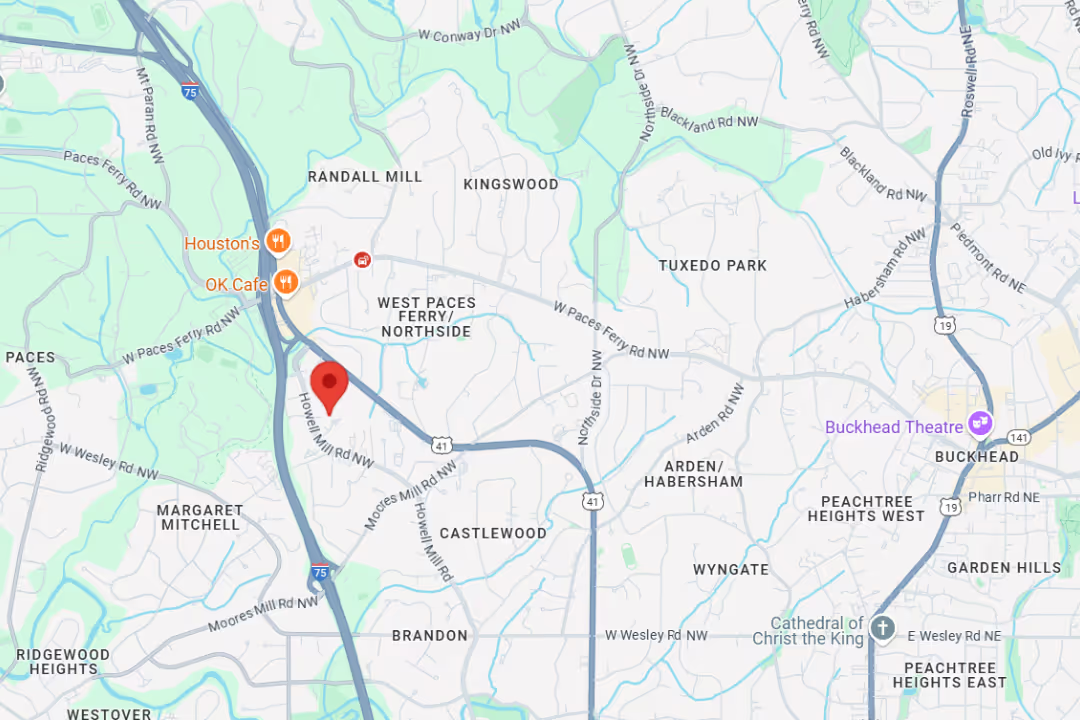
Buckhead

Tired of Feeling
Like Just Another
Chart?

At Medici, you’re more than your MRI.
We take time to hear your story, understand your pain, and create a plan that actually works for you.