Lower back pain has become an increasingly common part of modern life, affecting people of all ages and activity levels. Whether it stems from long hours at a desk, past injuries, or the natural aging process, this type of discomfort can interfere with even the simplest daily activities. Many individuals find themselves searching for solutions that don’t rely heavily on medications or invasive procedures.
Movement, when done correctly, offers a powerful and natural path to relief. Targeted exercises can help restore strength, improve flexibility, and reduce strain on the spine. At Medici Orthopedics & Spine, the focus is on helping patients regain their quality of life through personalized, minimally invasive care that addresses the root cause of pain—not just the symptoms.
Lower back pain can develop for a variety of reasons, often involving a combination of physical strain, structural issues, and lifestyle habits.
Lower back pain doesn’t just stay in one place—it can influence how your entire body moves and feels throughout the day.
Stretching plays a critical role in relieving tightness that pulls on the lower back. Many people don’t realize that stiffness in surrounding muscle groups—especially the hamstrings and hips—can directly contribute to back pain.
Tight hamstrings can increase stress on the lower back by limiting pelvic movement. Gently stretching these muscles helps reduce that strain.
Key benefits:
This is a simple but effective movement that helps relieve pressure in the lumbar spine and gently stretches the lower back muscles.
Key benefits:
A foundational stretch that encourages relaxation while lengthening the spine and surrounding muscles.
Key benefits:
Strengthening exercises are essential for long-term relief. By building the muscles that support your spine—especially your core and glutes—you reduce the likelihood of recurring pain and improve overall stability.
This subtle movement activates deep core muscles that are often underused but crucial for spinal support.
Key benefits:
Bridges strengthen the glutes and lower back, which play a major role in maintaining proper posture and reducing strain on the lumbar spine.
Key benefits:
This exercise improves coordination and balance while strengthening both the core and spinal stabilizers.
Key benefits:
Low-impact aerobic exercises are essential for keeping the body moving without placing excessive strain on the lower back. These activities promote circulation, improve endurance, and help maintain overall spinal health.
Walking is one of the simplest and most effective ways to stay active while supporting lower back recovery.
Key benefits:
Water-based exercises provide a supportive environment that reduces pressure on joints and the spine while allowing full-body movement.
Key benefits:
Stationary cycling offers a controlled, low-impact way to build endurance without aggravating the lower back.
Key benefits:
Mobility-focused exercises help restore natural movement in the spine and surrounding muscles. Improving flexibility can significantly reduce stiffness and prevent recurring pain.
This gentle, rhythmic movement helps improve spinal flexibility and coordination.
Key benefits:
Spinal twists help restore rotational movement and release tension built up in the lower back and surrounding muscles.
Key benefits:
A strong core is one of the most important factors in preventing and managing lower back pain. The core muscles act as a natural brace for the spine, reducing unnecessary strain during everyday movements.
Lower back pain can quietly take control of your life—limiting how you move, how you work, and even how you rest. What often starts as occasional discomfort can gradually become a daily frustration, affecting everything from your energy levels to your overall quality of life. The good news is that your body is incredibly capable of healing and adapting when given the right support.
Incorporating the right exercises into your routine is one of the most effective ways to take that control back. Stretching helps release built-up tension, strengthening builds the support your spine needs, and low-impact movement restores confidence in how your body functions. Over time, these small, consistent efforts can lead to meaningful improvements—not just in pain levels, but in how freely and comfortably you live your life.
At Medici Orthopedics & Spine, the focus is always on helping you move better, feel better, and regain control—without jumping straight to invasive procedures or heavy reliance on medications. With the right plan in place, lasting relief is not just possible—it’s achievable.
We take the time to understand what’s really causing your pain—whether it’s muscle imbalance, nerve irritation, disc issues, or a combination of factors. From there, we build a customized treatment plan that may include guided exercise therapy, regenerative treatments, interventional procedures, and other minimally invasive options designed to work together for better results.
Our goal is simple: to help you restore your mobility, reduce your pain, and get back to doing the things you enjoy—without unnecessary surgery or long-term dependence on medications.
📞 Call Us: +1-844-328-4624
🌐 Visit: https://www.mediciortho.com/
Marietta Surgery Center
792 Church Street, Unit 101
Marietta, GA 30060
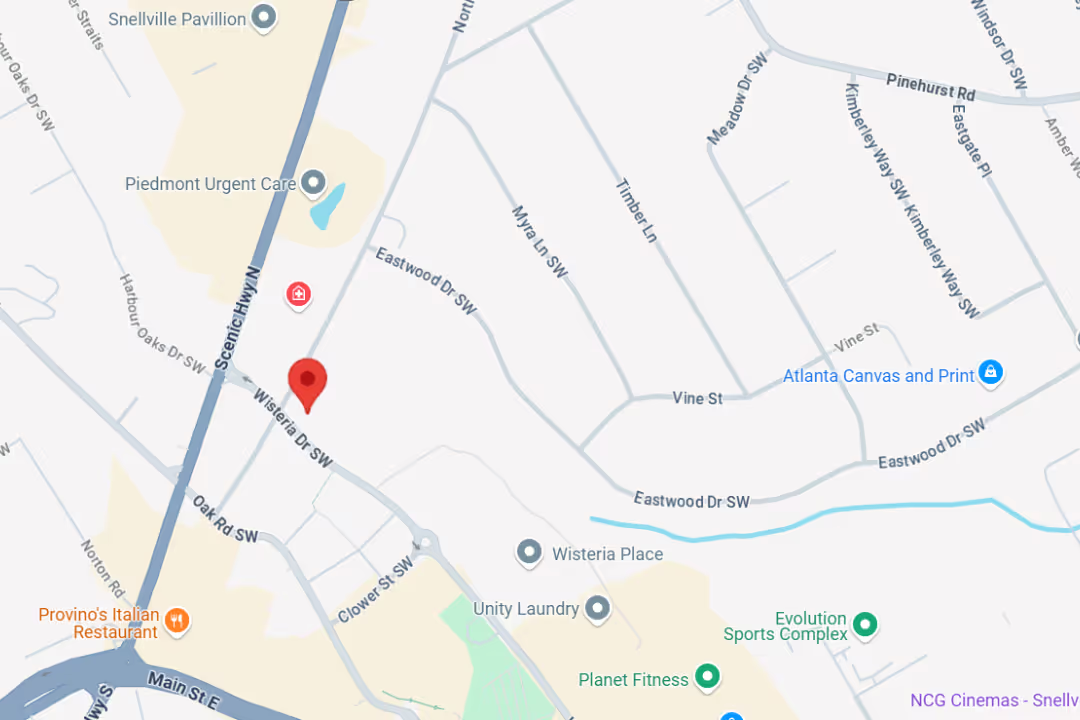
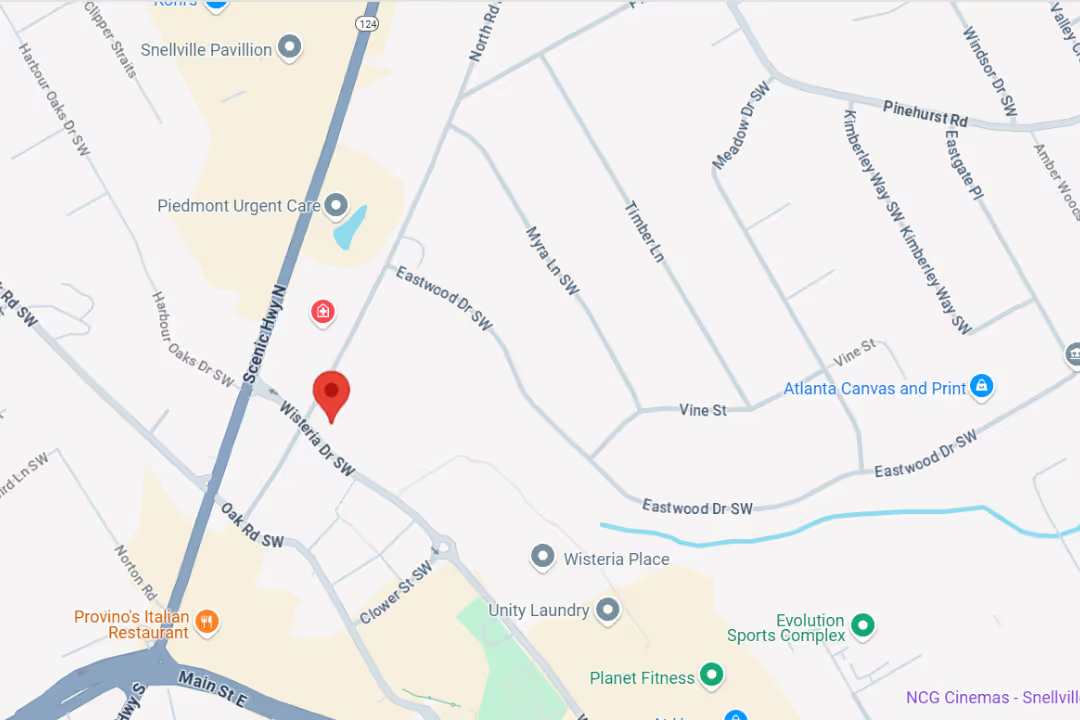
Snellville Surgery Center
2220 Wisteria Dr, Unit 100
Snellville, GA 30078
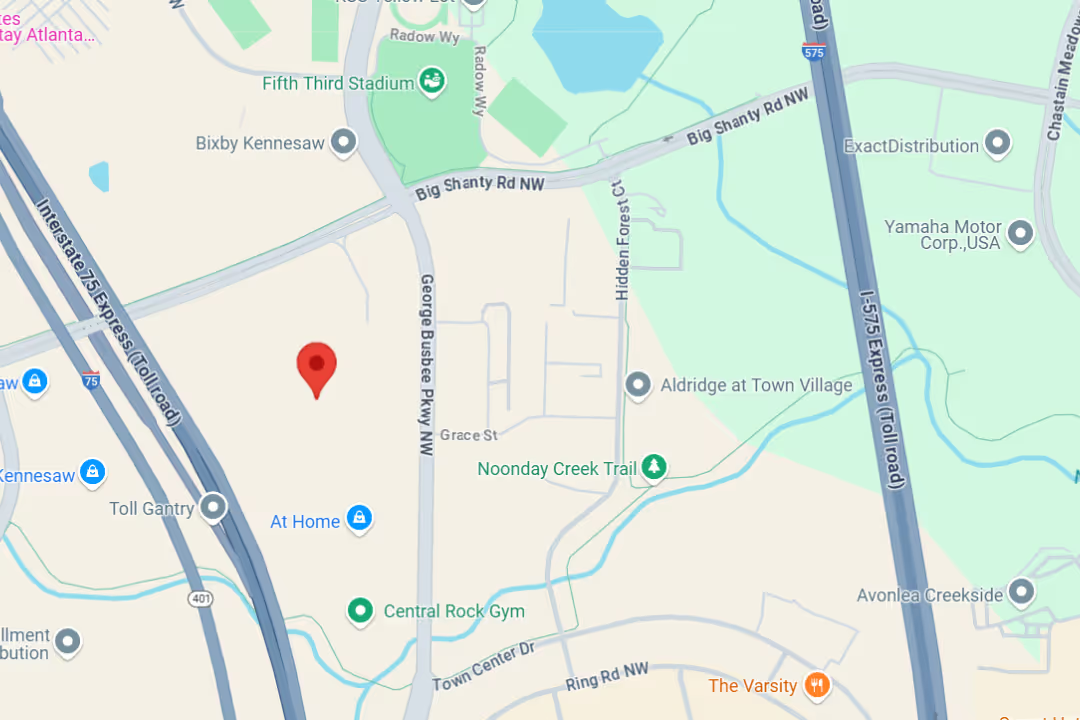
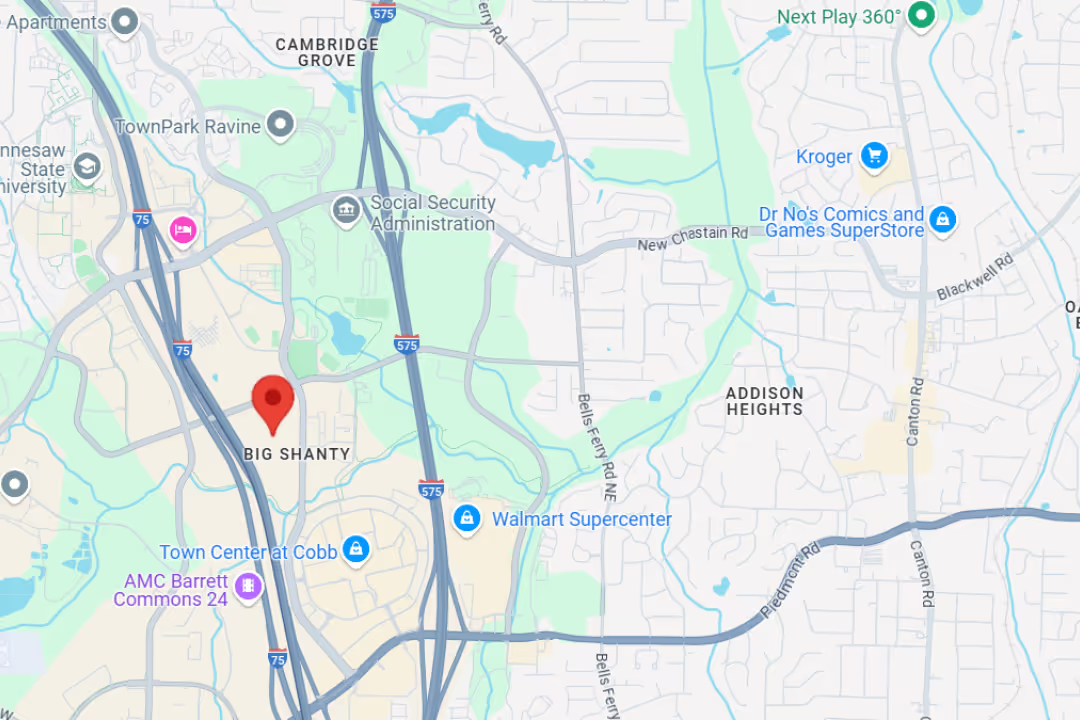
Kennesaw
Snellville
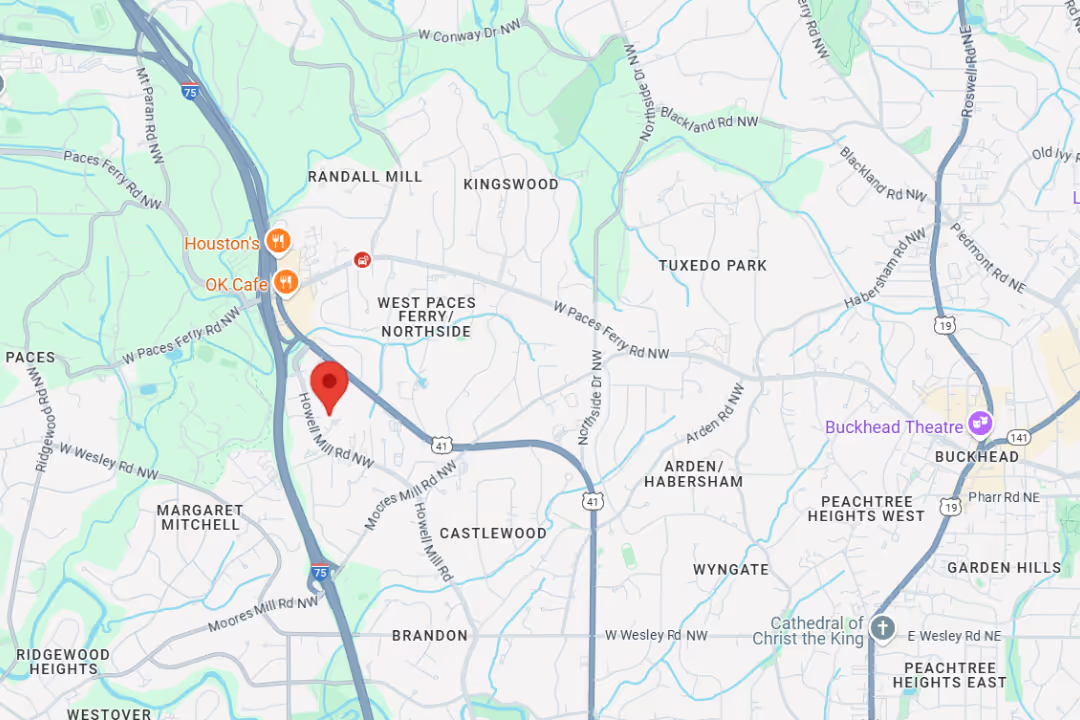
Buckhead
Explore our library of patient support guides covering the conditions we treat, the treatments we offer, and the questions we hear most. Each one is written to help you understand your options and feel confident about your next step. Browse the topics below to learn more, or reach out to our team anytime.

At Medici, you’re more than your MRI.
We take time to hear your story, understand your pain, and create a plan that actually works for you.

Our team delivers specialist care at convenient locations across Metro Atlanta:
Get expert tips on injury recovery, pain relief, joint health, and movement strategies—straight from our Fellowship-Trained team.