Joint pain can be an unexpected and frustrating side effect of certain medications—especially when those medications are necessary for managing other health conditions. What begins as mild stiffness or discomfort can gradually develop into persistent pain that interferes with movement, sleep, and daily activities. For many individuals, this creates a difficult balance between continuing essential treatment and maintaining quality of life.
Drug-induced joint pain can affect multiple areas of the body, including the knees, hips, shoulders, and hands. In some cases, the discomfort may feel similar to arthritis, while in others it may present as widespread inflammation or stiffness. Without proper care, these symptoms can worsen over time and lead to reduced mobility and function.
Fortunately, there are effective, non-invasive and minimally invasive treatment options available to relieve joint pain caused by medications. With the right approach, it’s possible to manage symptoms, support joint health, and continue necessary treatments without unnecessary discomfort.
Drug-induced joint pain refers to joint discomfort that develops as a side effect of certain medications. Unlike joint pain caused by a traumatic injury or age-related wear and tear, this type of pain is triggered by how a medication affects the body’s tissues, inflammation levels, or immune response. In some cases, symptoms appear soon after starting a new medication. In others, the pain develops gradually over time.
This type of discomfort may mimic conditions like osteoarthritis or inflammatory joint disorders, making it difficult for patients to immediately recognize the true cause. Some people experience pain in a single joint, while others notice stiffness, soreness, or aching in multiple joints at once. The severity can also vary widely, ranging from mild irritation to pain that affects walking, gripping objects, or completing normal daily tasks.
Because the symptoms can resemble other orthopedic conditions, a thorough evaluation is important. Identifying whether medication may be contributing to joint pain allows for a more targeted treatment plan that focuses on relief, mobility, and long-term function.
A number of medications have been associated with joint-related side effects. While not every patient will experience these reactions, certain drug classes are more commonly linked to stiffness, inflammation, and musculoskeletal discomfort.
The important thing to remember is that these medications may still be necessary for a patient’s overall health. That is why treatment should focus on relieving symptoms and supporting joint function while patients work with their prescribing physician on the broader medical plan.
Drug-induced joint pain does not always feel the same from person to person. Some individuals notice subtle stiffness at first, while others experience more obvious pain and swelling that quickly affects their routine.
Common symptoms include:
These symptoms can affect comfort, independence, and quality of life. When they persist or worsen, it is important to seek professional care to determine the cause and begin appropriate treatment.
Some medications can trigger inflammatory changes that affect the joints and surrounding tissues.
When inflammation becomes ongoing, it can make even normal movement feel uncomfortable and contribute to reduced mobility over time.
Certain medications may also affect the tissues that help joints move smoothly and comfortably.
As tissue irritation builds, patients may begin to notice stiffness, aching, or pain in one or multiple joints.
Drug-induced joint pain does not always stay isolated to the joint itself. It can also affect how muscles support movement.
These changes can make symptoms worse over time, particularly if reduced movement leads to further weakness or imbalance.
Physical therapy is often one of the most effective starting points for drug-induced joint pain because it helps restore movement while reducing strain on affected joints.
A guided exercise program can be tailored to the patient’s symptoms, affected joints, and overall physical condition, making it a safe and practical part of long-term pain relief.
For patients who need more advanced relief, regenerative medicine may offer an additional non-invasive or minimally invasive option.
These therapies are often considered when more conservative measures have not provided enough relief and when the goal is to improve function while avoiding more aggressive interventions.
Inflammation is often a major factor in drug-induced joint pain, which is why anti-inflammatory treatments can play an important role in relief.
These treatments are often used strategically as part of a broader care plan, especially when joint pain is interfering with normal activity or quality of life.
Drug-induced joint pain can also lead to muscle tension and soft tissue tightness around affected joints, which may worsen discomfort and restrict movement.
Soft tissue therapies can be especially helpful when joint pain has caused the body to compensate with altered movement patterns, leading to tightness in surrounding muscles and connective tissues.
Staying active is important, but the type of activity matters when joints are already irritated.
Regular low-impact movement can reduce stiffness, improve circulation, and help patients stay more comfortable throughout the day.
What you eat and drink can also influence inflammation and joint function.
Good nutrition can complement other treatments by supporting the body’s natural ability to manage inflammation and maintain tissue health.
Carrying excess weight can place additional pressure on already sensitive joints, especially in the lower body.
Even modest improvements in weight management can lessen joint strain and contribute to better long-term function.
Drug-induced joint pain does not have to mean choosing between necessary medical treatment and everyday comfort. With the right combination of therapies, many patients can reduce inflammation, improve mobility, and regain a better quality of life without giving up the medications they rely on for other health needs.
A proactive, personalized approach is often the key to long-term relief. By addressing the underlying inflammation, joint stress, and movement limitations that develop along the way, patients can often stay more active, more comfortable, and more confident in their daily lives.
If you are experiencing joint pain related to medication use, you do not have to manage it alone. At Medici Orthopaedics & Spine, we specialize in advanced, minimally invasive treatments designed to relieve pain, restore function, and help you move forward with greater comfort and confidence.
📞 Call us today: +1-844-328-4624
🌐 Visit: https://www.mediciortho.com/
Clinic Locations:
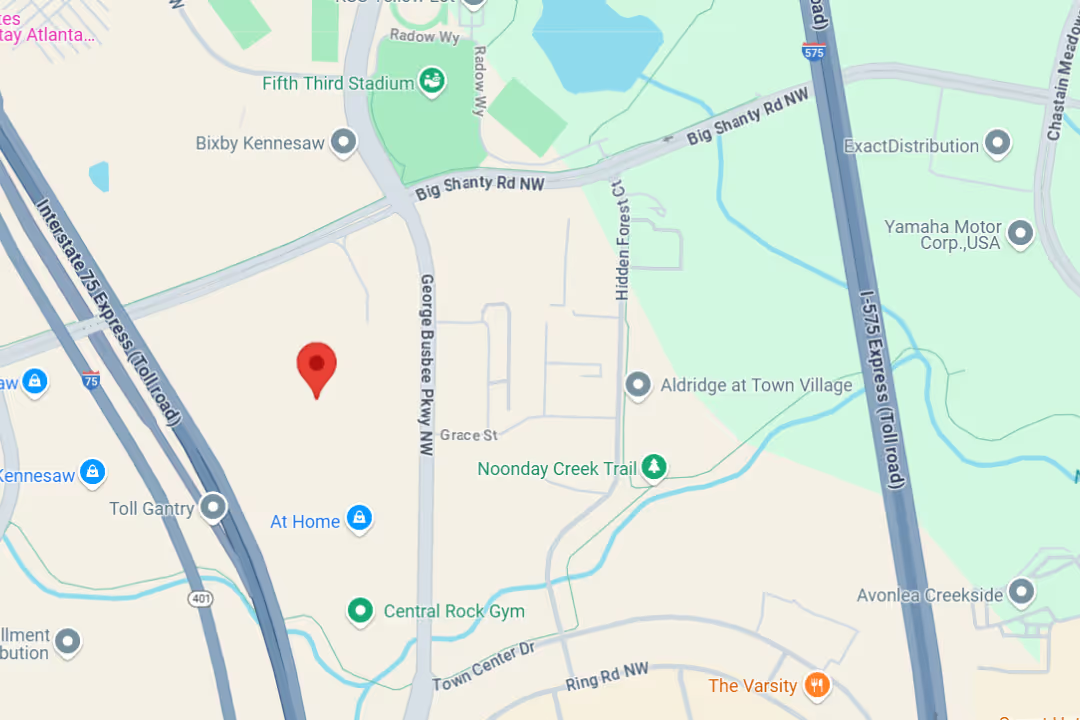
Kennesaw: 2911 George Busbee Parkway, Suite 50, Kennesaw, GA
Snellville: 2220 Wisteria Drive, Unit 101, Snellville, GA
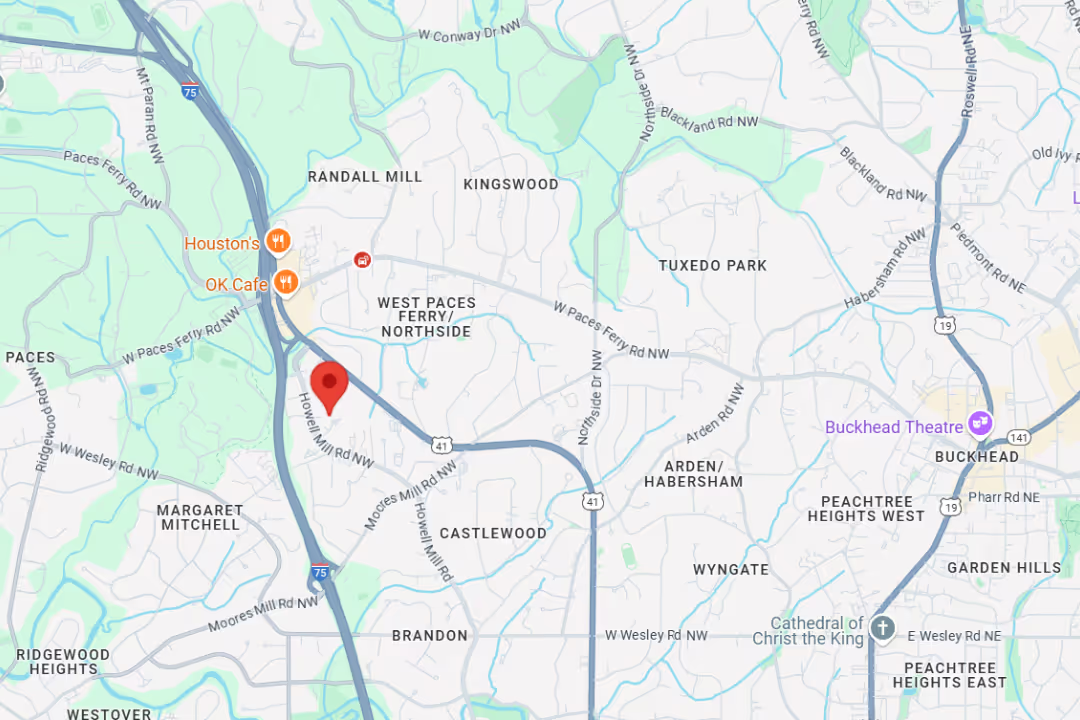
Buckhead (Atlanta): 3200 Downwood Circle NW, Suite 520, Atlanta, GA
Surgical Centers:
Marietta: 792 Church Street, Unit 101, Marietta, GA
Snellville: 2220 Wisteria Dr, Unit 100, Snellville, GA
At Medici, you’re more than your MRI.
We take time to hear your story, understand your pain, and create a plan that actually works for you.

Our team delivers specialist care at convenient locations across Metro Atlanta:
Get expert tips on injury recovery, pain relief, joint health, and movement strategies—straight from our Fellowship-Trained team.