Chronic pain doesn’t just hurt—it changes you. It can chip away at your independence, affect your confidence, and make you feel like you’re living life with a constant “limit” on everything you do. People who were once active, social, and spontaneous often find themselves calculating every decision: Will this car ride flare my back? Will dinner out mean two days of recovery? Can I keep up with my family—or even my own schedule? Over time, pain can quietly reshape your identity, your relationships, and the way you show up in the world.
And if you’ve been dealing with pain for a while, you’ve probably tried the usual cycle: rest, over-the-counter meds, stronger meds, repeat injections, maybe even short bursts of therapy—only to feel like you’re right back where you started. Temporary relief can feel like a tease when it doesn’t translate into lasting improvement. That “rinse-and-repeat” experience is exhausting, discouraging, and surprisingly common.
That’s where regenerative medicine has started to change the conversation. When used appropriately and guided by a thorough diagnosis, regenerative approaches can help reshape what modern pain care looks like—shifting from constant symptom management toward strategies that support the body’s ability to repair and perform.
What Is Regenerative Medicine?
Regenerative medicine is a broad term for treatments designed to support the body’s natural healing and repair processes—especially in areas like joints, tendons, ligaments, and other musculoskeletal tissues that may heal slowly or incompletely on their own. In plain language, it’s a way of helping the body create a better environment for recovery, especially when “wear and tear,” repetitive strain, or lingering inflammation keeps pain stuck in a loop.
How Regenerative Medicine Differs From Symptom-Only Approaches
Traditional pain care often focuses on reducing symptoms—calming inflammation, dulling pain signals, or temporarily decreasing discomfort so you can get through the day. Those approaches can absolutely be useful, especially in the early stages of injury or during severe flare-ups.
Regenerative medicine takes a different angle. Instead of only quieting symptoms, it may be used to:
- Address underlying orthopedic contributors to pain
- Support tissue health and recovery (when appropriate)
- Improve function so pain relief lasts longer and daily movement becomes easier
Why Buckhead Patients Are Looking Beyond Traditional Pain Care
The Limitations of “Masking Pain” With Medication Alone
Medication can help manage symptoms, but it rarely solves the underlying reason pain keeps coming back. When pain care becomes medication-centered, many patients feel like they’re treating the alarm rather than the fire. And over time, medication alone can become less effective, especially if the underlying issue continues to aggravate nerves, joints, or soft tissues.
Concerns About Long-Term Dependence, Side Effects, and Tolerance
Many patients worry about:
- Side effects that interfere with work, focus, or energy
- Tolerance—needing more medication for the same effect
- Feeling “foggy” or less like themselves
- The long-term reality of managing pain with a prescription as the main plan
Busy Lifestyles and the Desire for a Faster Return to Function
Buckhead is full of people balancing careers, families, fitness goals, and demanding schedules. Chronic pain doesn’t just cause discomfort—it causes delays, cancellations, and limitations. Patients often want care that:
- Minimizes downtime when possible
- Helps them return to activity safely and efficiently
- Builds durability so pain doesn’t keep interrupting life
A Preference for Restoring Activity, Not Just Reducing Symptoms
Modern pain care is increasingly about function-first outcomes:
- Walking longer without flaring
- Sitting through meetings or car rides comfortably
- Returning to workouts, tennis, golf, or running
- Sleeping through the night without pain dictating every position
How Regenerative Medicine Is Changing Pain Care
A Shift From “Managing Pain” to Supporting Healing
Traditional pain care can sometimes feel like it revolves around “turning the volume down” on symptoms. Regenerative medicine is changing that mindset by focusing on tissue health and recovery—when the underlying problem is rooted in orthopedic wear, injury, or degeneration.
In practice, this often means:
- Reducing inflammation and supporting tissue quality (when appropriate)
- Chronic inflammation can keep tissues irritated and hypersensitive
- Supporting the local healing environment may help pain become less reactive over time
- Targeting underlying orthopedic contributors
- Tendons and ligaments that remain strained or weakened
- Joints affected by arthritis or repetitive stress
- Spinal structures, including discs and supporting tissues, when they’re contributing to ongoing pain
- Emphasizing function—because function is the real goal
- More stable movement and fewer flare-ups
- Better endurance for walking, stairs, workouts, and daily tasks
- Improved resilience so activity feels safer and more predictable
Treating the Whole System, Not Just the Symptom
One of the most important ways regenerative medicine is changing pain care is by pushing providers to treat the entire chain of pain, not just the loudest symptom.
That typically includes:
- Combining regenerative options with physical therapy, movement correction, and interventional strategies
- Regenerative treatments may support tissue recovery, but rehabilitation restores performance
- Physical therapy and corrective exercise rebuild strength, stability, and control
- Interventional strategies (when needed) can reduce pain barriers so rehab becomes possible
- Addressing biomechanical factors that perpetuate pain
- Poor mechanics, posture issues, compensation patterns, and asymmetries can keep re-injuring tissue
- Fixing the “how you move” often matters as much as treating the injured structure
- Improving outcomes by treating “why it keeps coming back”
- If pain returns every time you resume activity, the plan needs to address the cause
- A whole-system strategy focuses on long-term durability—not short-term calm
Helping Patients Avoid or Delay Surgery
For some patients, regenerative medicine becomes a meaningful option before stepping into a surgical pathway—especially when symptoms are limiting, but the condition may still respond to less invasive care.
This matters because:
- Regenerative medicine may be considered prior to surgery
- Particularly when pain is related to tissue irritation, early-to-moderate degeneration, or overuse injuries
- Especially for patients hoping to improve function without the downtime of a major procedure
- Least-invasive options can reduce disruption to life
- Less time away from work, family, and daily responsibilities
- Lower risk profiles compared to surgery in many cases
- A more gradual recovery process that still moves the needle forward
- Realistic expectations are essential
- Not everyone avoids surgery—and good providers will say that clearly
- But many patients can reduce escalation, delay surgery, or improve enough to feel confident in a non-surgical path
Conditions That May Benefit
Regenerative medicine is not a fit for every situation, but it may be considered for a range of orthopedic and pain-related conditions—particularly when there’s a clear tissue-based contributor.
Common examples include:
- Joint pain and arthritis
- Knee, shoulder, hip, and ankle pain tied to degenerative changes or inflammation
- Tendon and ligament injuries
- Rotator cuff irritation
- Tennis elbow
- Achilles or patellar tendon issues
- Chronic sprains or instability patterns
- Sports injuries and overuse conditions
- Repetitive strain that doesn’t fully resolve with rest alone
- Lingering pain that limits training and performance
- Chronic back and neck pain with orthopedic contributors
- When specific structures are suspected drivers (based on exam and imaging)
- Especially when paired with movement dysfunction or muscular compensation
- Post-surgical pain or “wear and tear” conditions
- When tissue support and stability are part of the solution
- Particularly when pain persists despite standard conservative care
What Regenerative Treatments Might Include at a Comprehensive Pain Practice
A high-quality regenerative medicine program doesn’t treat regenerative procedures as standalone “miracles.” It integrates precision treatment with rehabilitation and long-term support.
At a comprehensive pain practice, regenerative care may include:
- Orthobiologic approaches (examples vary by candidacy and clinical judgment)
- Options are selected based on the tissue involved (joint, tendon, ligament, etc.)
- The approach should be evidence-informed and goal-driven, not trendy
- Interventional guidance for precision
- When appropriate, image-guided techniques can help ensure accurate placement
- Precision matters—especially when targeting small structures or deep joints
- Rehabilitation integration (where long-term results are built)
- Physical therapy / corrective exercise to rebuild strength, stability, and mechanics
- Myofascial release / soft tissue therapies to reduce restriction and support mobility
- Lifestyle strategies that help healing “stick,” including:
- Sleep optimization
- Activity pacing (avoiding boom-and-bust flare cycles)
- Nutrition strategies that support recovery
A Future-Focused Path to Pain Relief
Pain is real—and if you’ve been living with it for months (or years), you deserve options beyond “just cope.” You deserve care that takes your symptoms seriously, looks deeper than temporary fixes, and helps you move toward a better long-term outcome.
If you’re living with chronic pain and want to explore non-surgical, minimally invasive options—including regenerative medicine—the team at Medici Orthopaedics & Spine is here to help. We take time to identify the true source of your pain and create a personalized plan designed to help you move better, feel better, and rely less on temporary fixes.
Contact Medici Orthopaedics & Spine
📞 Main Appointment Line: 1-844-328-4624
🌐 Website: https://www.mediciortho.com
Clinics
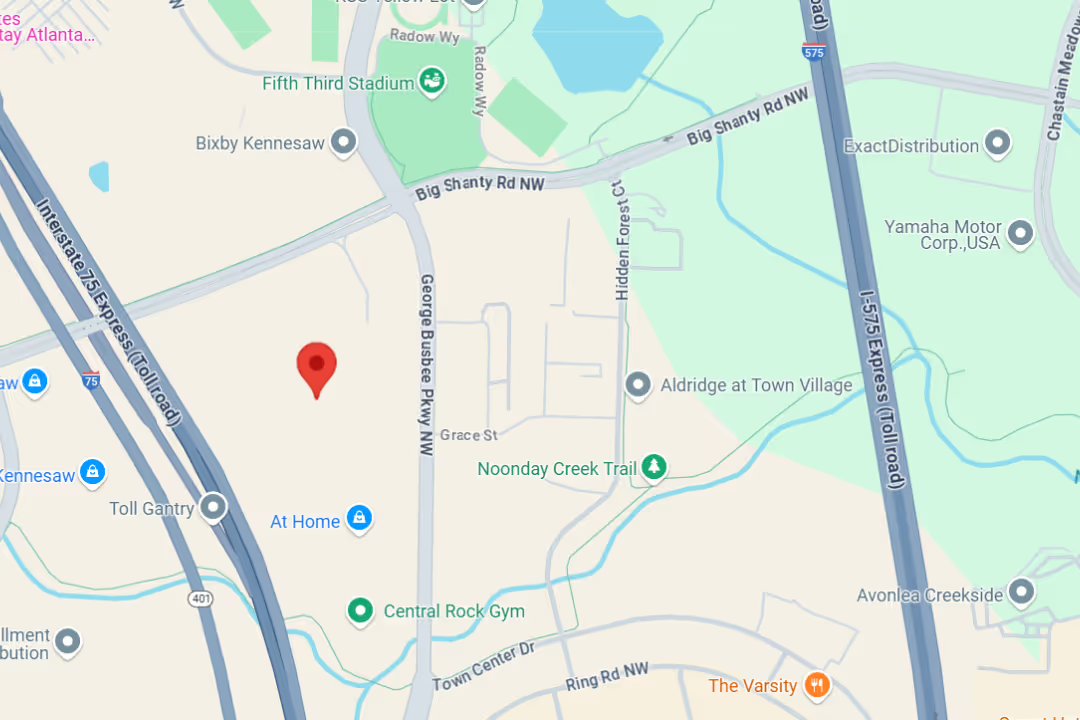
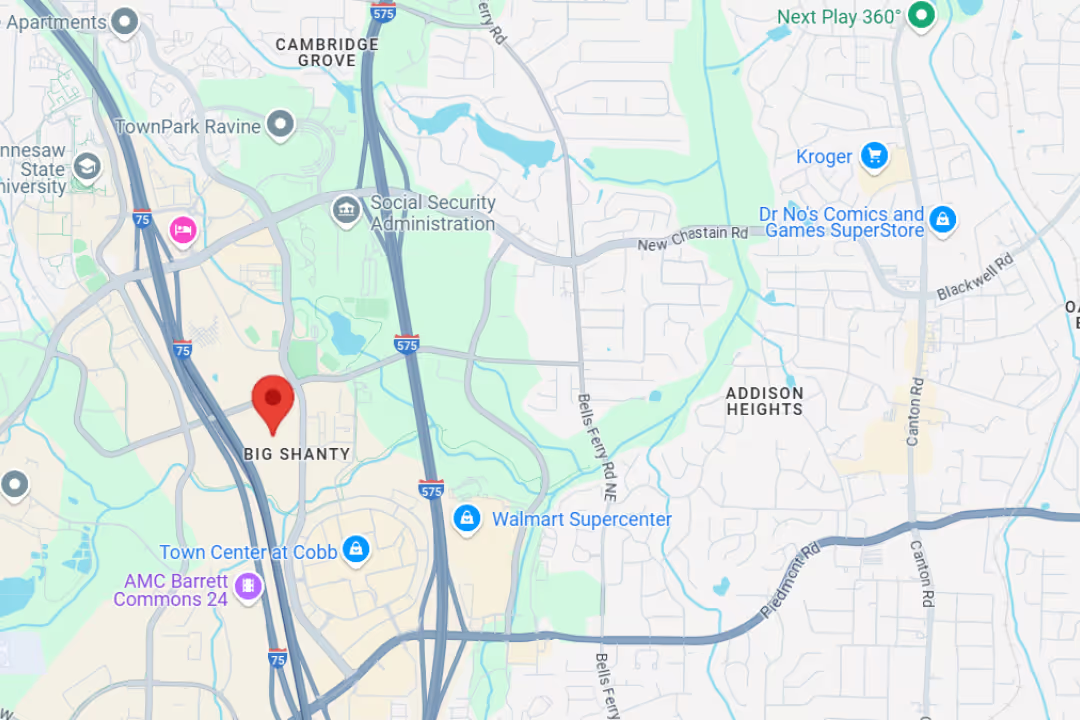
- Kennesaw:
2911 George Busbee Parkway, Suite 50, Kennesaw, GA 30144
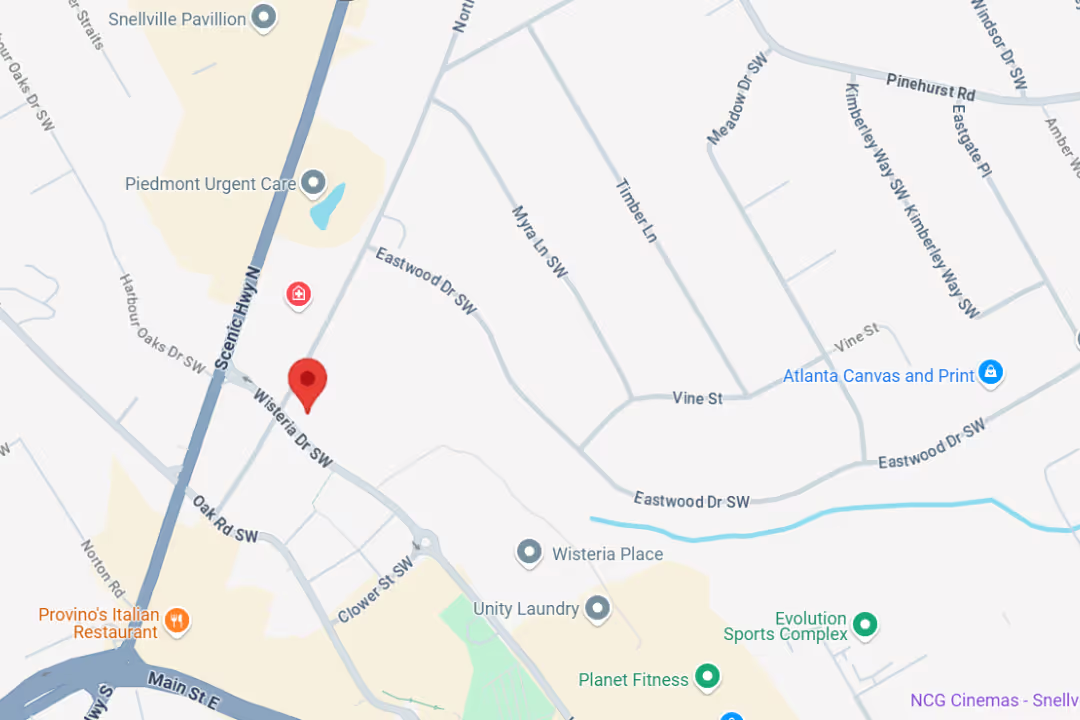
(770) 545-6404 - Snellville:
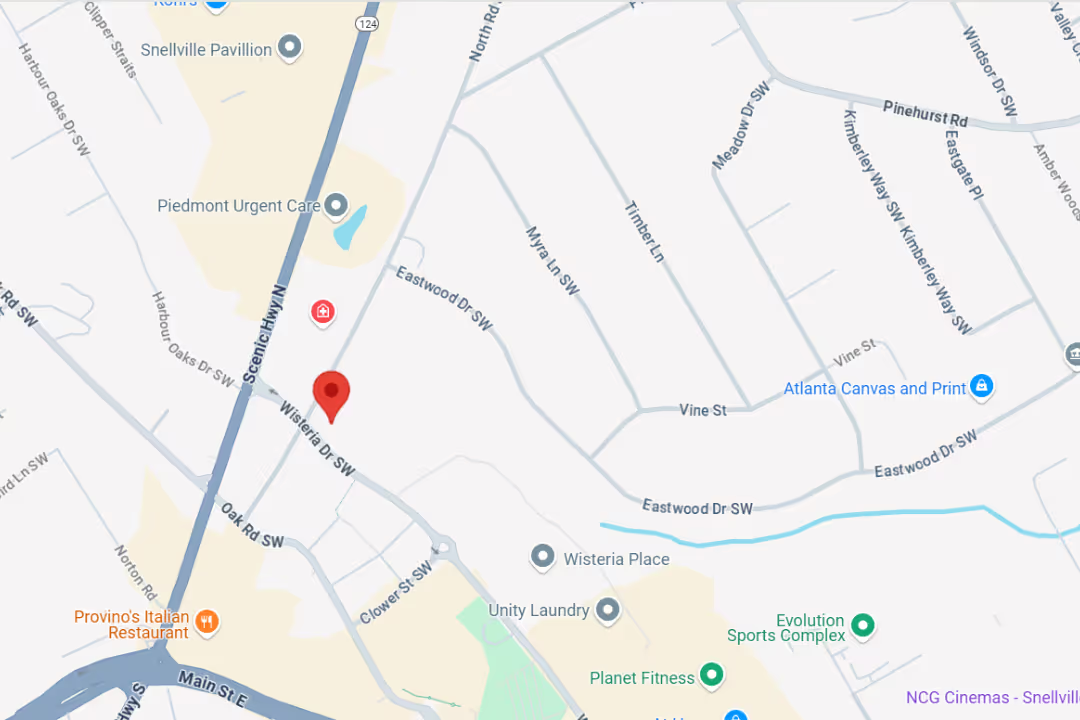
2220 Wisteria Drive, Unit 101, Snellville, GA 30078
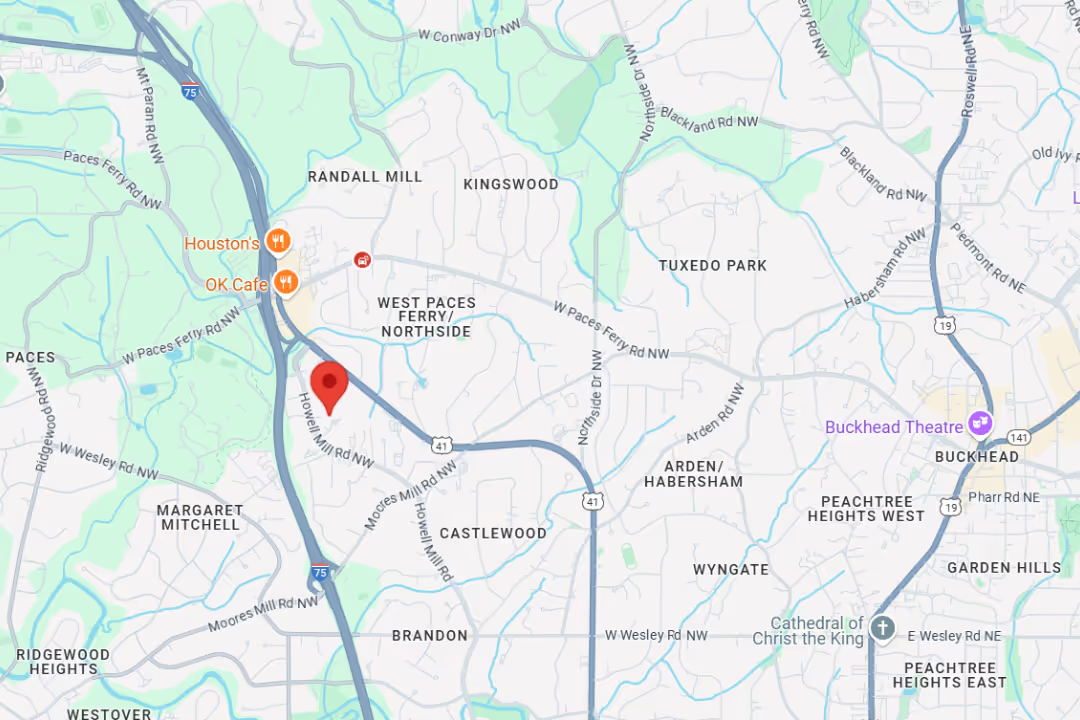
(470) 645-9297 - Buckhead PM&R:
3200 Downwood Circle NW, Suite 520, Atlanta, GA 30327
(770) 872-7549