Over the last decade, the conversation around post-surgical pain has changed—and for good reason. As awareness of the opioid crisis has grown, more patients are looking for safer and more sustainable ways to recover after surgery. Many people understandably worry about opioid side effects, dependence, or simply not feeling like themselves while taking strong medications. And they’re not alone—these concerns are valid, common, and increasingly easy to address with today’s modern, evidence-based alternatives.
At Medici Orthopaedics & Spine, our philosophy is simple: restore your quality of life using the least invasive, least drug-dependent methods possible. Pain management should support healing, not make your recovery more complicated. That’s why our team prioritizes advanced, multimodal strategies that relieve pain while protecting your long-term health and mobility.
Modern post-surgical recovery doesn’t have to revolve around opioids. Today, many patients achieve excellent relief using targeted, non-addictive medications that work with the body’s natural healing processes—often with fewer side effects and greater overall comfort.
NSAIDs remain a cornerstone of non-opioid pain management because they directly address inflammation, which is one of the leading drivers of post-surgical discomfort.
While highly effective, NSAIDs should be used thoughtfully in patients with:
Acetaminophen is one of the safest and most versatile pain relievers available.
Unlike NSAIDs, acetaminophen does not reduce inflammation. Instead, it works within the brain and spinal cord to alter how the body perceives pain.
Acetaminophen is frequently paired with NSAIDs or other therapies because:
After surgery, muscles often tighten around the injured area—a protective response that can cause spasms and sharp, movement-limiting pain.
Muscle relaxants:
Some patients experience nerve pain after surgery—often described as burning, tingling, or shooting sensations.
Two medications commonly used to calm irritated nerves include:
Helps quiet overactive nerve signals and reduce sensitivity.
Similar to gabapentin but sometimes more potent for certain patients.
These medications are most helpful when nerve irritation plays a significant role in post-surgical pain, such as after spine, joint, or nerve decompression procedures.
Local anesthetics provide targeted pain control without affecting the whole body.
A nerve block numbs the specific nerves sending pain signals from the surgical site, offering hours or even days of relief.
These can be placed during or after surgery to provide extended comfort, helping patients begin walking, stretching, or participating in therapy sooner.
At Medici Orthopaedics & Spine, interventional pain treatments are one of our greatest strengths. These options provide powerful, targeted relief—often reducing or eliminating the need for opioids altogether.
Injections provide direct, localized relief and can be used early or late in recovery depending on the patient’s needs.
Reduce inflammation around the surgical area or irritated joints.
Release tight muscle knots contributing to pain and restricted movement.
Temporarily interrupt pain signals, giving nerves and tissues a chance to calm down.
RFA is a minimally invasive procedure used for patients with ongoing pain after certain surgeries, especially spine or joint procedures.
When nerves continue to send pain signals long after tissues have healed.
RFA uses controlled heat to gently disable the specific nerves responsible for chronic pain.
This can provide months—or even years—of relief without medication.
SCS is an advanced, drug-free therapy for patients who continue to experience chronic post-surgical pain despite other treatments.
A small device is placed near the spine to deliver gentle electrical impulses.
These impulses “interrupt” pain messages before they reach the brain, reducing or even eliminating the perception of pain.
SCS is especially helpful for patients with neuropathic pain, failed back surgery syndrome, or nerve damage.
Healing isn't just about reducing pain—it's about restoring the body. Regenerative therapies help stimulate natural repair processes, making them effective options for individuals looking for long-term improvement.
Uses components of your own blood to promote tissue repair and decrease inflammation.
Involves injecting natural irritant solutions to stimulate healing and strengthen weakened tissues.
While medications can play an important role in early healing, many patients find that non-pharmacological therapies offer powerful, lasting relief without relying on drugs at all. These approaches support the body’s natural healing mechanisms and often work synergistically with other treatments.
Movement is medicine—especially after surgery. A structured rehabilitation plan builds strength and reduces stiffness in a safe, gradual manner.
Therapists guide patients through exercises that restore joint mobility and functional strength, reducing the “guarding” that often accompanies pain.
Gentle stretching and mobilization techniques prevent scar tissue from limiting motion.
Movement brings oxygen and nutrients to healing tissues, accelerating recovery and reducing inflammation.
Post-surgical muscles often tighten in response to pain or immobility. These therapies help reset the soft tissue structures surrounding the surgical site.
Hands-on techniques relax tight fascia and muscles that contribute to discomfort.
Releasing tension interrupts the body’s pain feedback loops, improving function and reducing reliance on medication.
Hyperbaric oxygen therapy (HBOT) is one of the most advanced natural healing tools available—and a powerful complement to surgical recovery.
By increasing oxygen levels in the bloodstream, HBOT enhances cellular repair and reduces inflammation.
Patients often experience faster wound healing, reduced swelling, and improved overall tissue resilience.
Simple treatments, when used correctly, can make a dramatic difference during recovery.
These modalities are safe and effective but should be used with guidance to avoid skin irritation or delayed healing.
Pain is not only physical—it's also processed and interpreted by the brain. These approaches empower patients with tools for self-regulation.
Controlled breathing calms the nervous system and reduces tension around the surgical site.
Guided imagery, mindfulness, and progressive muscle relaxation help lower pain perception.
For some patients, structured psychological strategies improve coping, reduce anxiety, and support faster functional recovery.
Recovering from surgery shouldn’t mean choosing between unmanaged pain and risky medications. Today, opioids are no longer the only—nor the best—option for post-surgical pain control. Modern, evidence-based therapies offer safer and more effective relief, allowing patients to heal with confidence and without unnecessary medication side effects.
A multimodal approach—combining non-opioid medications, interventional treatments, physical therapy, regenerative therapies, and supportive mind-body strategies—helps reduce inflammation, calm irritated nerves, restore movement, and protect long-term health. This type of comprehensive, individualized plan not only improves comfort but also accelerates recovery and decreases the risk of chronic pain.
At Medici Orthopaedics & Spine, we are committed to restoring your quality of life using the least invasive, least drug-dependent, and most medically advanced treatments available today. Our mission is to help you heal fully, safely, and with the support of a team that genuinely listens and cares.
📞 Call us today: +1-844-328-4624
🌐 Schedule online: https://www.mediciortho.com/
At Medici, you’re more than your MRI.
We take time to hear your story, understand your pain, and create a plan that actually works for you.

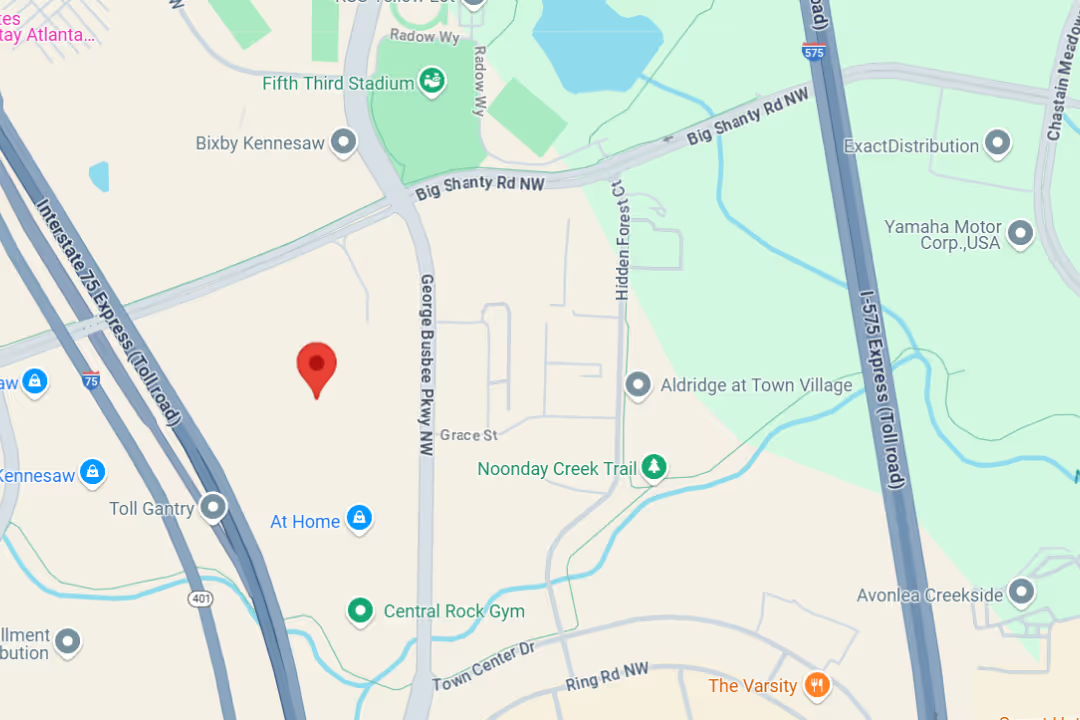
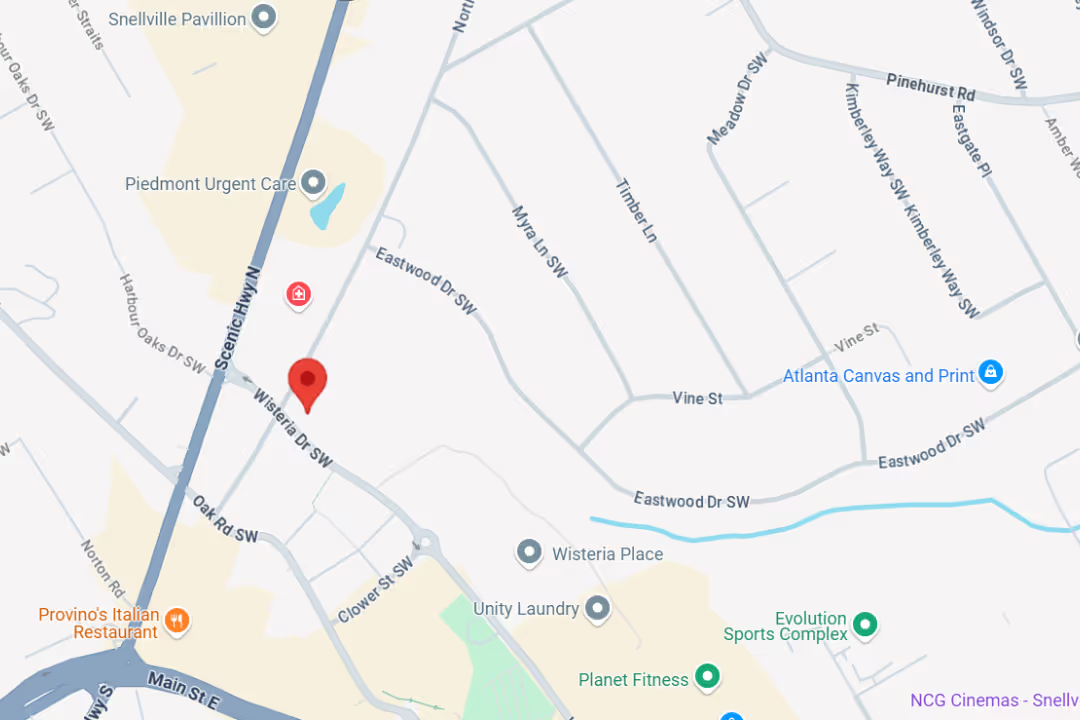
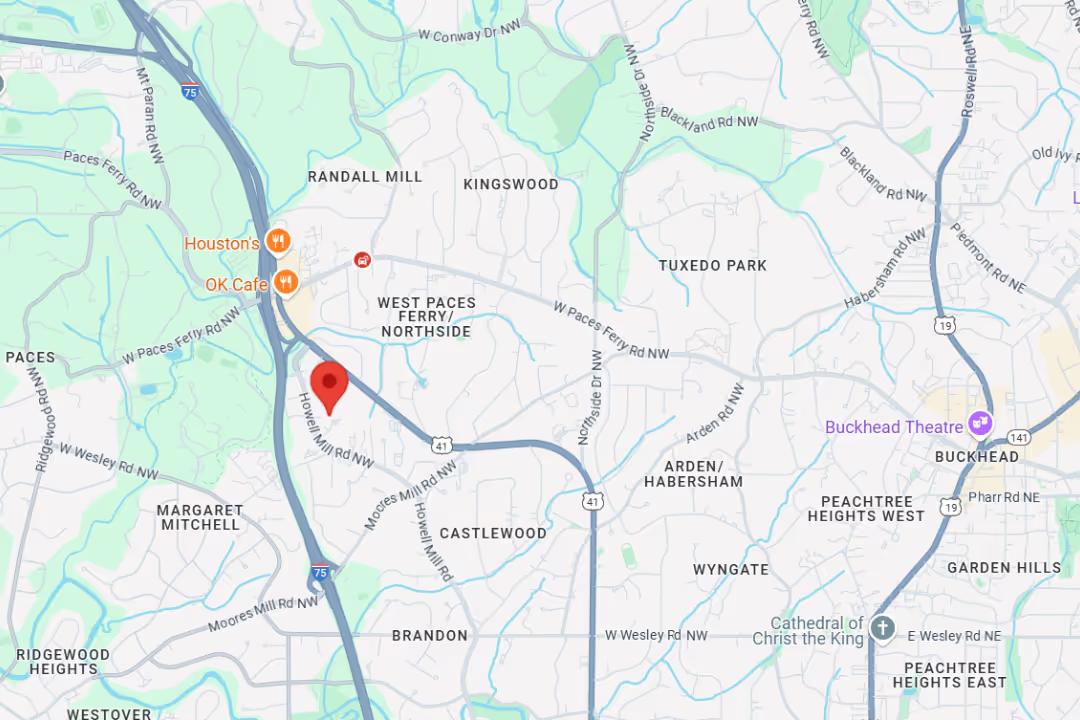
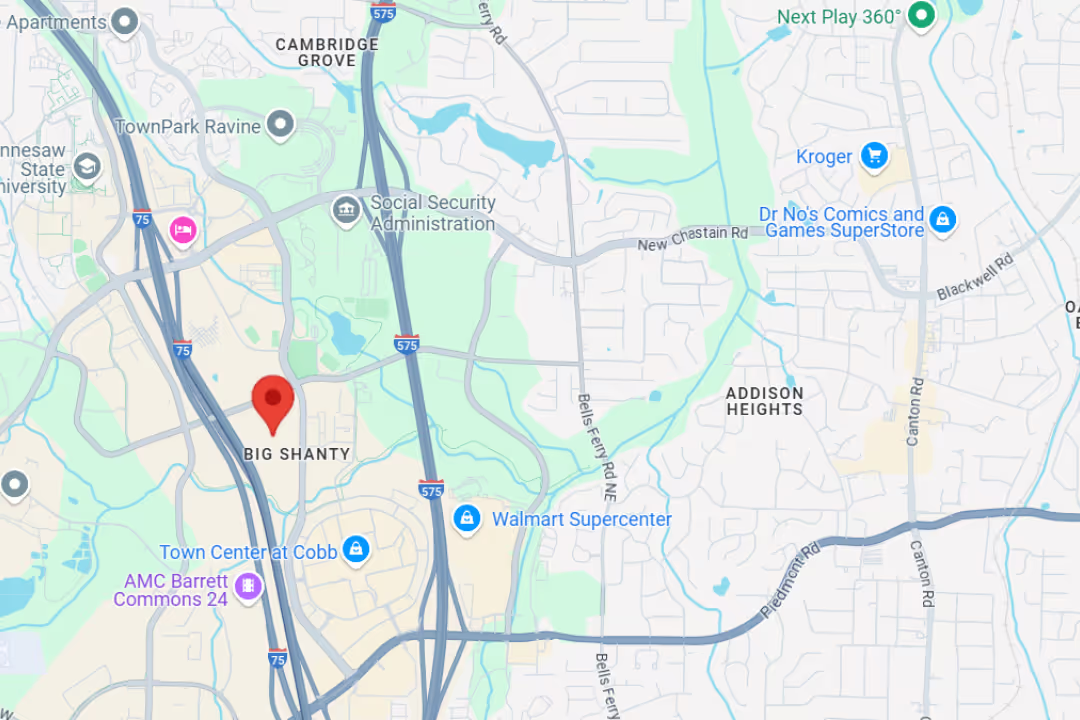
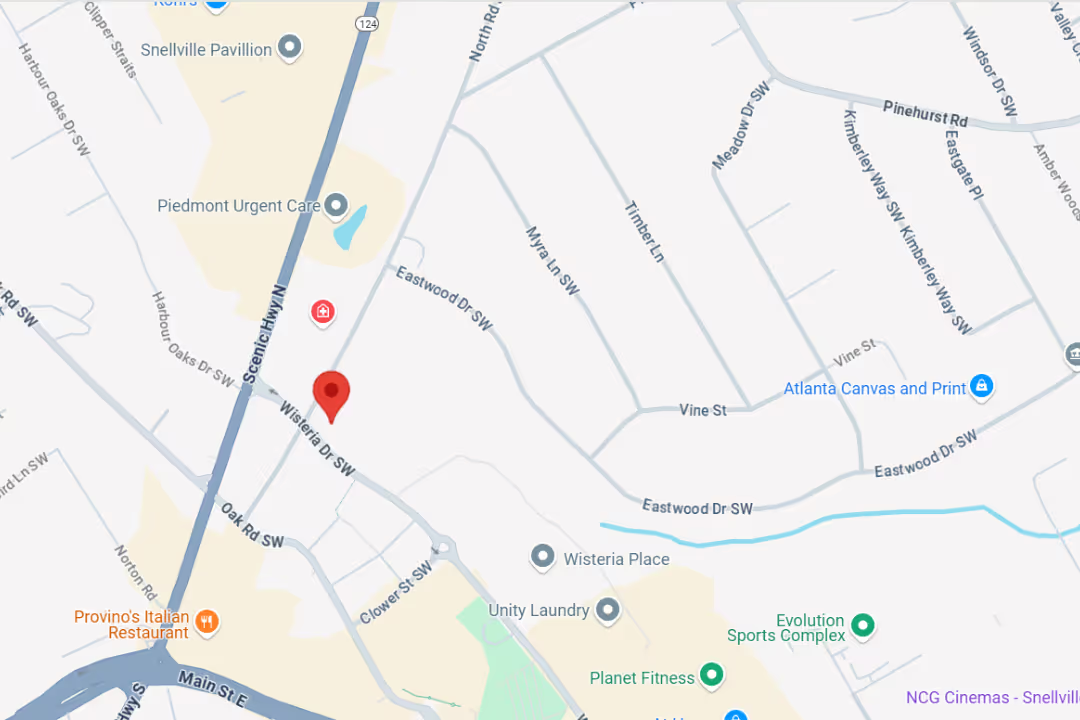
Our team delivers specialist care at convenient locations across Metro Atlanta:
Get expert tips on injury recovery, pain relief, joint health, and movement strategies—straight from our Fellowship-Trained team.