If you're searching for pain management in Marietta, Georgia, here's a quick overview of your main options:
| Option | Best For | Key Details |
|---|---|---|
| Specialized Outpatient Clinics | Comprehensive, patient-centered care | Direct access; tailored non-surgical treatment plans |
| Telehealth (e.g., Klinic) | Fast access, prescription management | Appointments within 24-48 hrs; self-pay from $99 |
| Outpatient specialists (Marietta/Atlanta area) | Non-surgical, interventional care | Physiatrists, NPs, and PAs available |
| Holistic/non-medication therapies | Reducing drug dependence | Physical therapy, CBT, topical treatments |
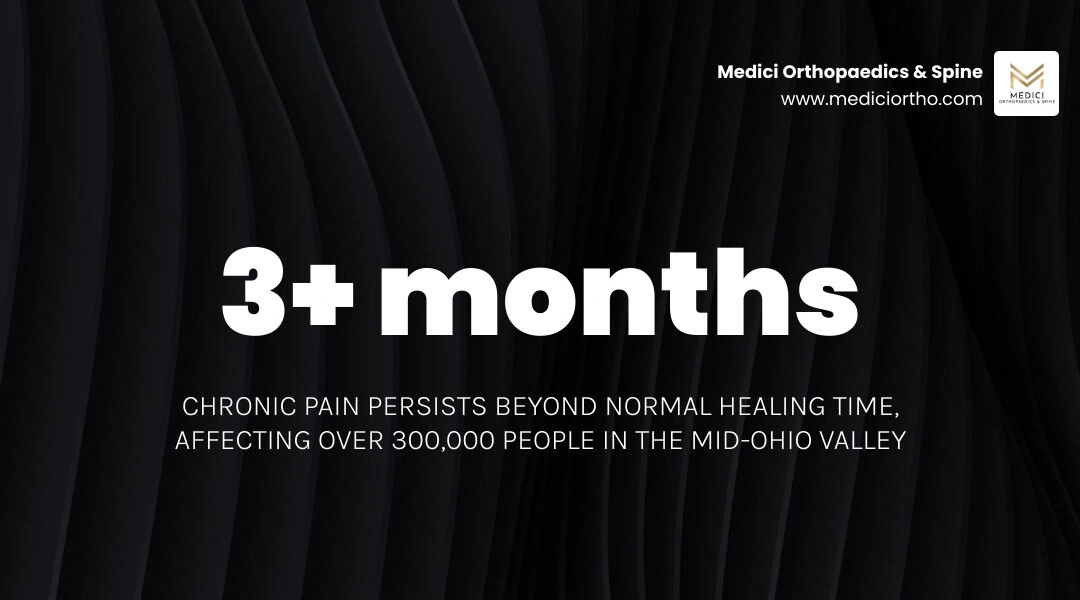
Chronic pain is defined as pain lasting three months or more — and it affects far more people in Cobb County than most realize. The region's population base of over 750,000 across Marietta and the greater Atlanta metro area relies on accessible, high-quality care. Yet many patients still struggle to find the right provider, understand their options, or know where to even start.
The reality is that chronic pain — whether it comes from arthritis, nerve damage, fibromyalgia, or a back injury — rarely has a single fix. It takes a coordinated, multi-modal approach to get real, lasting relief.
This guide breaks down exactly who treats chronic pain in and around Marietta, Georgia, what treatments are available, and how to navigate referrals, insurance, and your first appointment.
I'm Sonny Dosanjh, M.D., board-certified in Physical Medicine & Rehabilitation and fellowship-trained in Multidisciplinary Pain Management at Emory University — the same skills and approach that apply directly to helping patients navigate pain management in Marietta, Georgia and beyond. My clinical focus is identifying the root cause of pain and building the least invasive, least drug-dependent treatment plan possible to restore your quality of life.

Chronic pain is incredibly diverse. It does not just sit in one muscle or joint; it can radiate, cause systemic fatigue, and deeply impact your mental well-being. In the Marietta area, local specialists see a wide array of debilitating issues.
The most common conditions requiring professional intervention include:
To prevent these issues from taking over your life, finding an effective, non-surgical pathway is key. For example, if you are struggling with shooting leg pain, exploring a non-surgical sciatica treatment in Marietta can help you avoid the risks and downtime of major spine surgery.
Fibromyalgia is one of the most complex chronic pain conditions treated in modern medicine. It is medically characterized by widespread musculoskeletal pain, profound fatigue, sleep disturbances, and cognitive issues (often referred to as "fibro fog"). Because fibromyalgia affects how your brain and spinal cord process painful and non-painful signals, it requires a highly specialized, empathetic approach.
Nerve pain, or neuropathic pain, is equally challenging. When nerves are damaged or compressed, they send faulty pain signals to the brain. This can manifest as a constant burning sensation, hypersensitivity to touch, or sudden "electric shock" feelings. Managing these conditions often involves a combination of nerve-calming medications, physical therapy, and lifestyle adjustments. For daily management, simple supportive tools like compression socks for neuropathy in Marietta can improve circulation and reduce localized discomfort.
The spine is the literal backbone of your mobility, but it is also highly susceptible to wear and tear. Musculoskeletal strain, herniated discs, spinal stenosis, and facet joint arthritis are primary drivers of chronic back pain. Over time, joint degeneration in the spine can pinch nearby nerve roots, leading to radiating pain, numbness, and weakness.
When dealing with degenerative joint disease or spinal instability, the goal of conservative pain medicine is to restore function without immediately resorting to the operating room. Through targeted physical therapy, posture correction, and non-surgical interventions, patients can often find significant relief and halt the progression of joint wear.
When seeking care, it helps to understand the different types of medical professionals who specialize in this field. The landscape of pain medicine relies heavily on a multidisciplinary care team, each bringing unique expertise to the table:
Many patients assume that a major hospital system is the only place to receive care. However, specialized outpatient clinics offer a highly personalized, patient-centered alternative.
By stepping away from hospital bureaucracy, outpatient clinics can provide:
If you are looking for highly specialized, non-surgical spine and joint care, visiting a dedicated Marietta GA Pain Management Center can connect you with some of the best pain management doctors in Marietta who specialize in restoring mobility.
In 2026, virtual care has become a vital tool for managing chronic conditions. For patients in the Marietta area, telehealth offers a convenient way to stay connected to their care team without the stress of traveling while in pain.
Virtual consultations are ideal for:
For example, virtual services like Klinic offer rapid access to independent local providers, with self-pay initial visits starting as low as $99 and follow-ups at $75, bypassing traditional clinical waitlists.
When conservative treatments like ice, heat, and basic over-the-counter anti-inflammatories aren't enough, interventional pain medicine bridges the gap before surgery is ever considered. These targeted treatments are designed to stop pain at its source.

Common interventional procedures include:
For patients dealing with severe, chronic back pain that hasn't responded to traditional injections, advanced medical technology offers remarkable alternatives.
If you are exploring a minimally invasive back pain treatment in Marietta, you may want to look into a spinal cord stimulator.
A spinal cord stimulator (SCS) is an FDA-approved device that sends mild electrical currents to the spinal cord, masking pain signals before they reach the brain. If you are considering a spinal cord stimulator in Marietta, here's what to know: the process always starts with a temporary "trial" phase, allowing you to test-drive the device and see if it reduces your pain before committing to a permanent, minimally invasive implant.
At our practice, we believe that true healing requires looking beyond prescriptions. Combining medical interventions with holistic therapies creates a powerful synergy that helps you reduce your dependence on pain medications.
Taking the first step toward professional pain management can feel overwhelming, but knowing what to expect can help ease your anxiety.
In many traditional hospital networks, a primary care provider referral is often required to schedule an appointment with a specialist.
Your initial visit is strictly a consultation. You will not undergo any major procedures on day one. Instead, your specialist will focus on:
To make the most of your consultation, bring a complete list of your current medications, past surgical records, and any relevant imaging discs.
Navigating insurance is often the most stressful part of healthcare. Fortunately, most established pain management clinics accept a wide range of coverage options.
For instance, local regional pain departments accept major national and regional plans, including:
Before your first visit, it is always a best practice to call your insurance provider directly to verify your benefits, check if a referral is on file, and understand any co-pays or deductibles you may be responsible for.
A physiatrist is a medical doctor (M.D. or D.O.) who has completed residency training in Physical Medicine & Rehabilitation (PM&R). They diagnose complex musculoskeletal issues, design overall treatment plans, and perform advanced interventional procedures like epidurals or spinal cord stimulator trials.
A Clinical Nurse Specialist (CNS) is an advanced practice registered nurse with a master's or doctoral degree. They work collaboratively within the multidisciplinary care team, focusing on patient education, physical assessments, and ongoing medication management.
Virtual care, or telehealth, allows you to meet with your pain specialist secure and privately via a smartphone, tablet, or computer. It is incredibly convenient for routine follow-up visits, discussing diagnostic imaging results, or adjusting your medication plan without having to drive to the clinic when you are flaring up.
Your first visit is a comprehensive consultation and evaluation. Your doctor will perform a physical exam, review your medical history and imaging, and discuss your lifestyle goals. No interventional procedures are performed during this initial visit; instead, we will collaborate with you to build a personalized, conservative-first treatment plan.
Living with chronic pain can make you feel like you are sitting on the sidelines of your own life. But you do not have to accept pain as your permanent reality. By taking a proactive, non-surgical approach that combines cutting-edge interventional medicine with holistic recovery therapies, you can reclaim your mobility and live a full, active life.
At Medici Orthopaedics & Spine, led by board-certified specialist Dr. Sonny Dosanjh, M.D., we are dedicated to helping you find lasting relief. Our team is committed to optimally restoring your quality of life with the most effective, least invasive, least drug-dependent program medically available today.
If you are ready to take control of your health and explore your options with the best pain management doctors in Marietta, we are here to guide you every step of the way. Visit us at Medici Orthopaedics & Spine to schedule your consultation today.
At Medici, you’re more than your MRI.
We take time to hear your story, understand your pain, and create a plan that actually works for you.

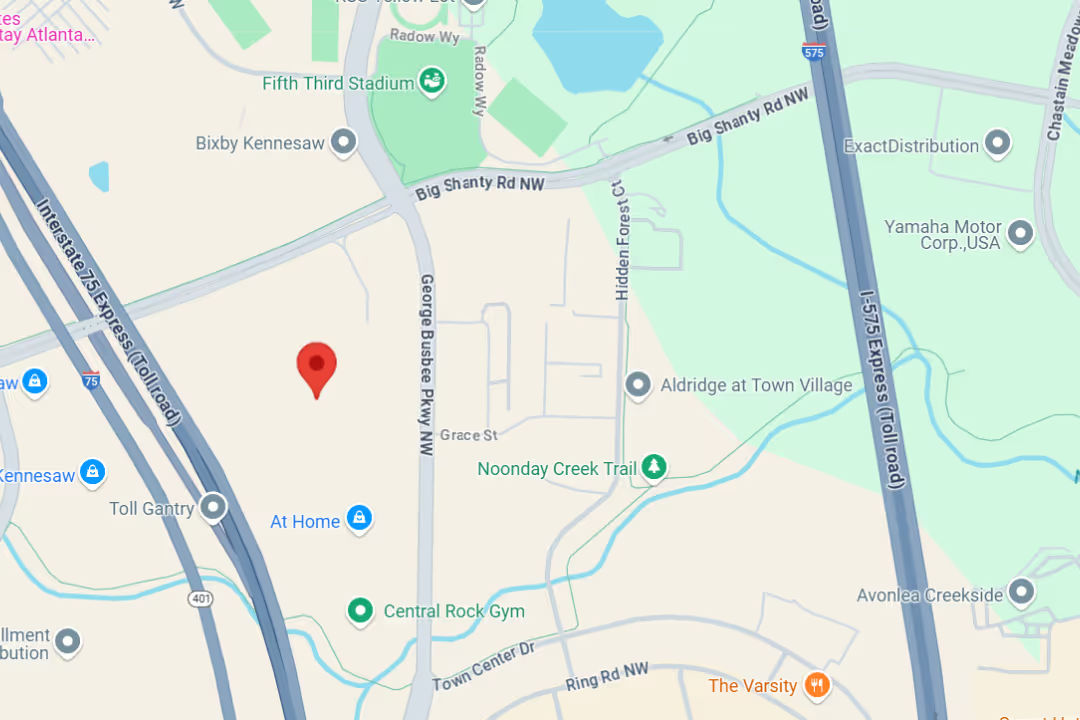
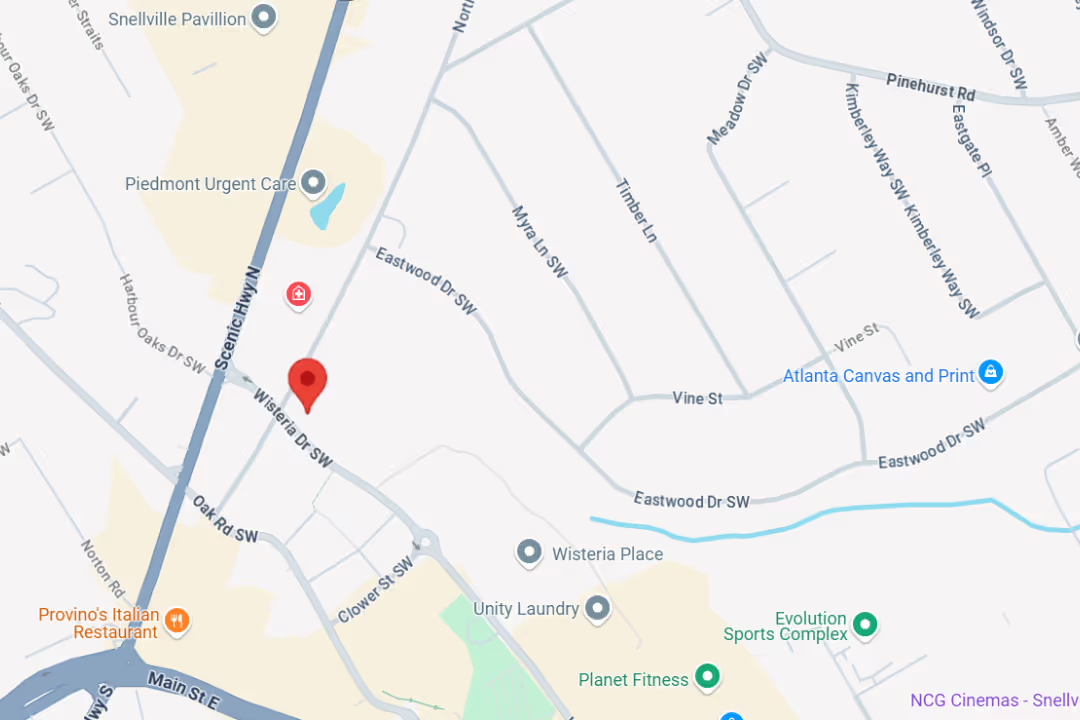
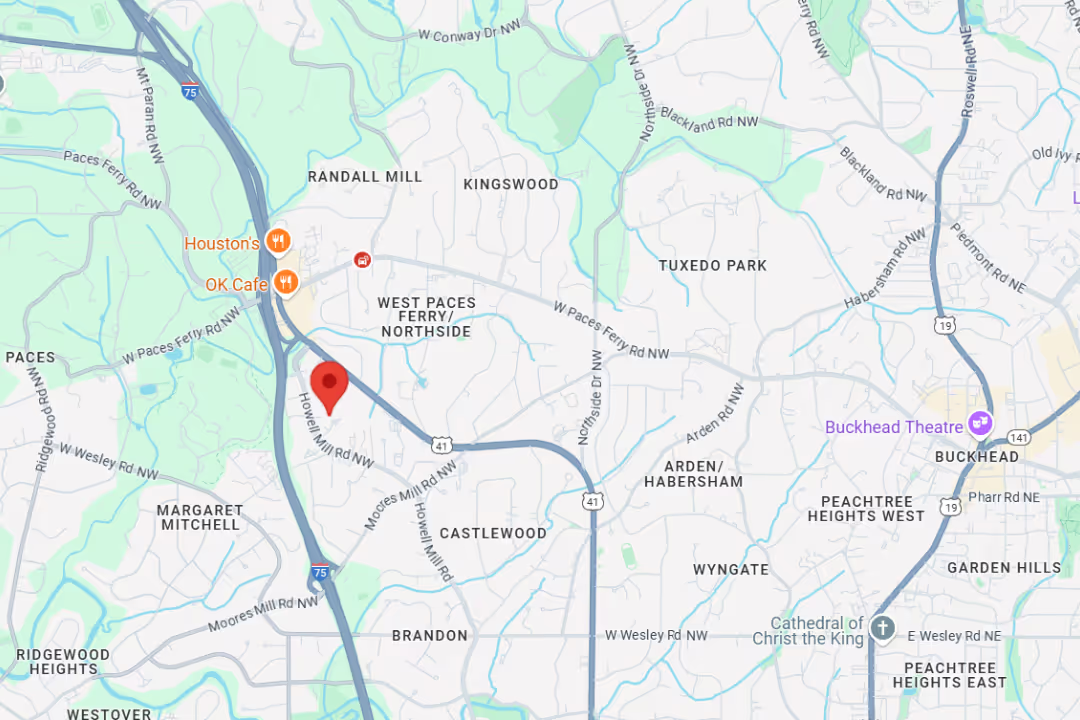
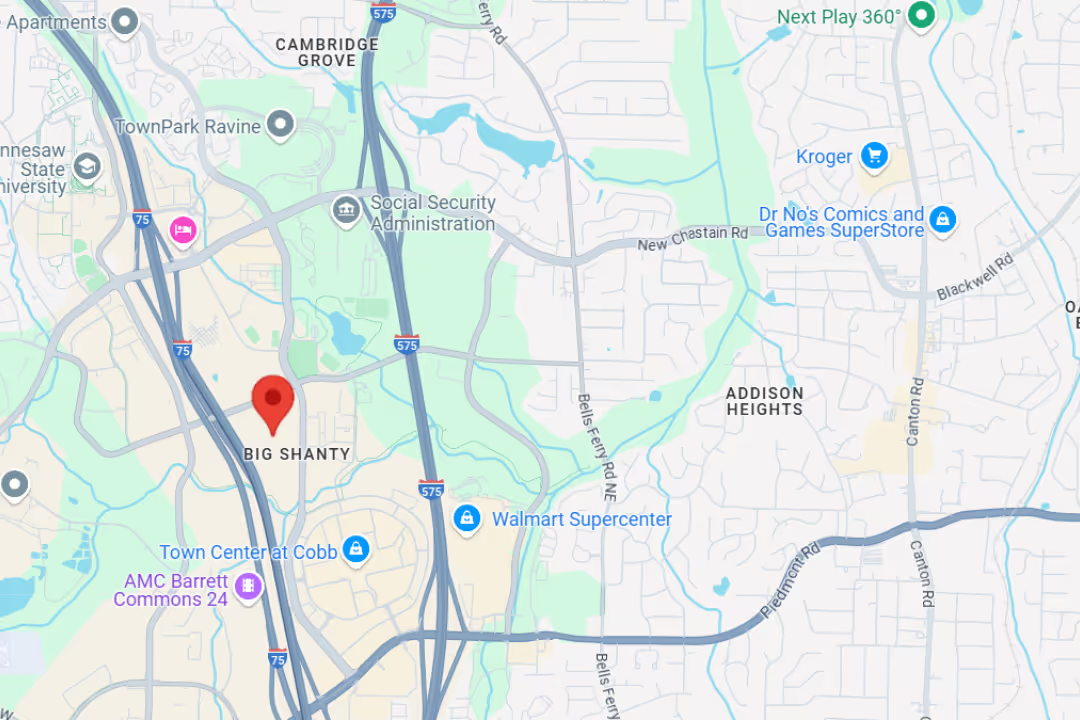
Our team delivers specialist care at convenient locations across Metro Atlanta:
Get expert tips on injury recovery, pain relief, joint health, and movement strategies—straight from our Fellowship-Trained team.