A hyperbaric oxygen therapy treatment protocol is a structured medical prescription that delivers 100% medical-grade oxygen at increased atmospheric pressure—typically 1.9 to 3.0 ATA—for 60 to 120 minutes per session, often over 20 to 40 sessions or a 40-hour course. Hyperbaric oxygen therapy works by using increased atmospheric pressure to drive high concentrations of oxygen deep into your body's tissues. Under standard room conditions at sea level (1.0 Atmosphere Absolute, or ATA), your red blood cells carry nearly all the oxygen in your bloodstream, leaving the surrounding liquid blood plasma with very little.
According to Henry's Law, the amount of gas dissolved in a liquid is directly proportional to the partial pressure of that gas. When you breathe 100% medical-grade oxygen inside a pressurized chamber (typically 1.9 to 3.0 ATA), oxygen dissolves straight into your plasma, cerebrospinal fluid, and lymph. This bypasses narrowed blood vessels and floods oxygen-starved tissues to jumpstart healing.
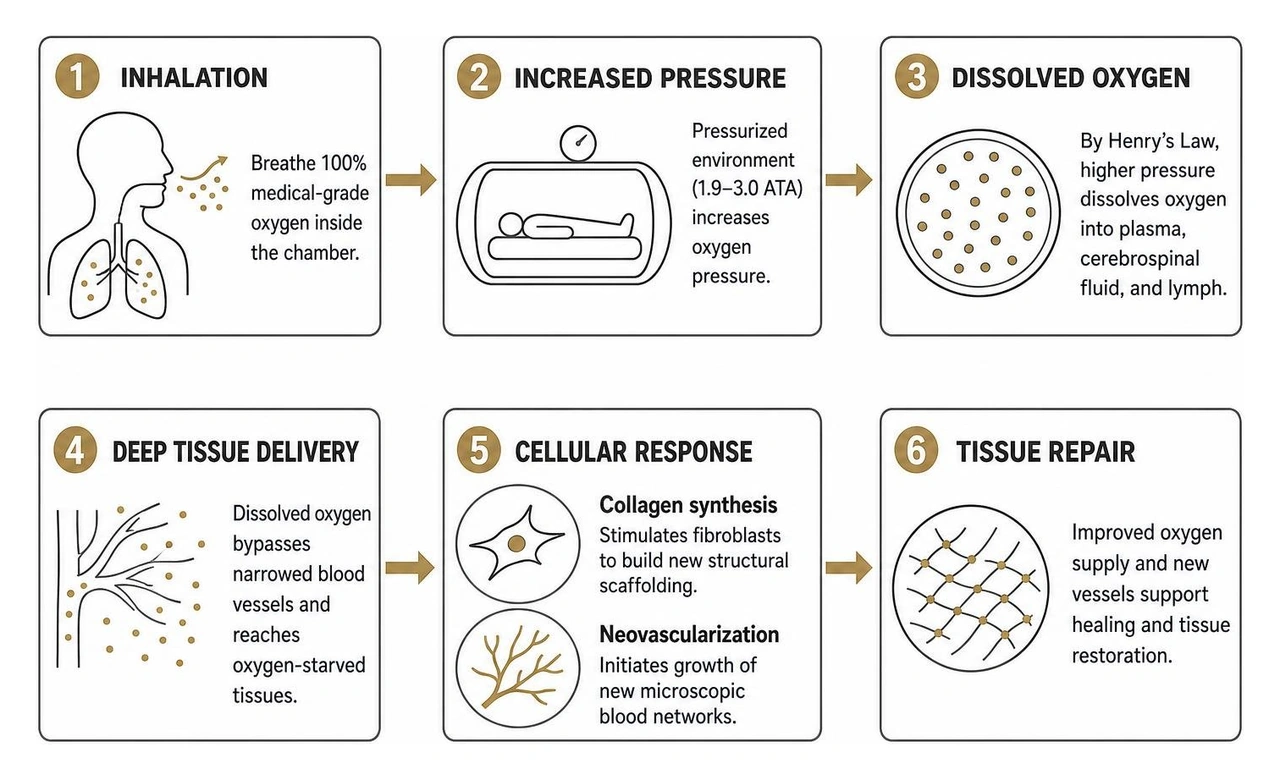
At the cellular level, this surge in dissolved oxygen triggers vital repair cascades. It stimulates fibroblasts to build new structural scaffolding through collagen synthesis, and initiates neovascularization—the growth of new microscopic blood networks (Shah, 2010). To learn more about these biological cascades, explore how hyperbaric oxygen functions at the cellular level. Clinical practice follows strict guidelines outlined in UHMS clinical indications and reference standards to ensure that treatments remain safe, precise, and medically justified.
Flooding hypoxic (oxygen-deprived) tissues produces several physiological changes:
Hyperbaric oxygen is delivered using two primary chamber designs, each meeting rigorous safety and operational standards.
Both chamber types deliver equivalent therapeutic oxygen levels when calibrated to the same target ATA. Clinical operations adhere to strict European safety and operational practice standards to maintain safe technician-to-patient staffing ratios and equipment performance.
A clinical hyperbaric oxygen therapy treatment protocol is a personalized medical prescription. It details exact target pressure, treatment duration, descent and ascent rates, and total session counts. Therapeutic pressures generally range between 1.9 and 3.0 ATA, with routine outpatient wound and tissue healing protocols operating between 2.0 and 2.5 ATA.
Prescribers adjust session frequency based on whether the condition is acute or chronic:
Clinicians reference verified clinical treatment indications and protocols to customize session parameters for each patient.
The 40-hour protocol is an established regimen for chronic tissue compromise, delayed radiation injuries, and complex recovery programs. It delivers 40 cumulative hours of hyperbaric oxygen under direct supervision.
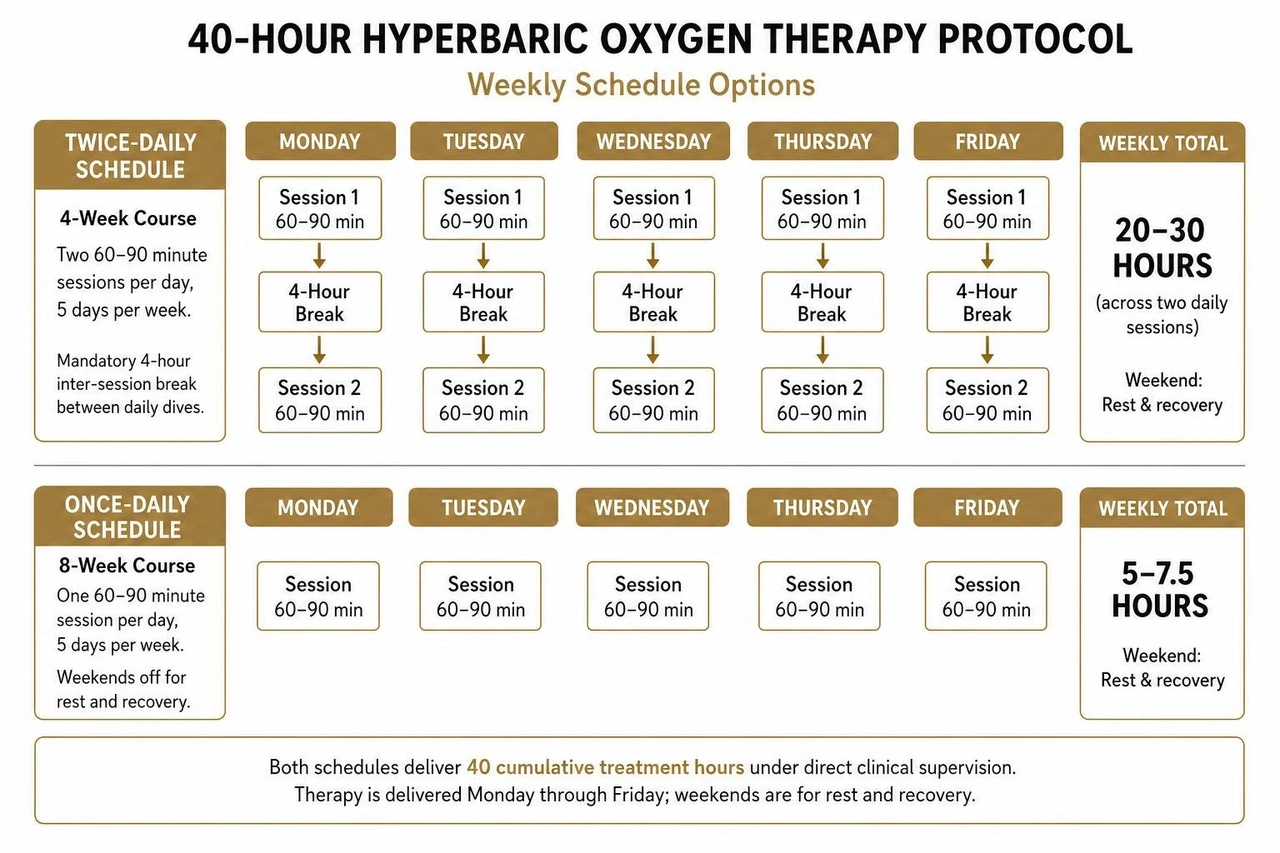
Patients complete this protocol using one of two structured schedules:
This structured schedule gives tissues consistent oxygen exposure to jumpstart cellular repair. Understanding how hyperbaric therapy for tissue recovery fits into comprehensive orthopedic and pain plans helps patients set realistic timelines for functional improvements.
Physiological healing occurs in phases throughout an HBOT protocol:
| Treatment Phase | Primary Biological Actions | Expected Clinical Benefits |
|---|---|---|
| Sessions 1–5 | - Rapid tissue oxygenation - Initial reduction in edema - Downregulation of inflammatory cytokines | - Immediate decrease in localized swelling - Early reduction in resting discomfort - Improved cellular energy metabolism |
| Sessions 5–10 | - White blood cell activation - Suppression of anaerobic bacterial toxins - Fibroblast activation | - Enhanced infection control at wound margins - Softening of rigid, fibrotic tissues - Noticeable reductions in systemic pain |
| Sessions 10–20 | - Acceleration of collagen synthesis - Budding of endothelial capillary sprouts - Stem cell mobilization from bone marrow | - Visible granulation tissue in chronic wounds - Improved range of motion in damaged areas - Initial functional mobility gains |
| Sessions 20–40 | - Established mature capillary networks (angiogenesis) - Remodeling of collagen matrix - Long-term neuroplastic and bone repair support | - Substantial wound closure and tissue resilience - Long-term functional restoration - Lasting relief from chronic ischemic symptoms |
The Undersea and Hyperbaric Medical Society (UHMS) and Medicare (under National Coverage Determination 20.29) recognize specific medical indications for hyperbaric oxygen therapy (Shah, 2010). Protocols vary depending on the underlying pathology:
Specific clinical conditions require tailored dosing protocols:
Safety Air Breaks: When treating at or above 2.4 ATA, protocols include a 5-minute air break every 30 minutes. During this window, the patient breathes ambient chamber air or room air rather than 100% oxygen to help prevent central nervous system toxicity.
Medicare and private insurers enforce strict coverage rules for hyperbaric therapy. For diabetic lower extremity wounds, coverage requires:
Important Distinction: Mild hyperbaric therapy (using zippered inflatable soft bags pressurized with ambient air or oxygen concentrators to 1.3–1.4 ATA) does not meet clinical hyperbaric definitions and lacks insurance coverage. True medical HBOT requires rigid chambers capable of reaching at least 1.4 to 3.0 ATA delivering 100% medical-grade oxygen. Similarly, topical oxygen therapy (booties or sleeves applied to a limb at atmospheric pressure) does not dissolve oxygen into systemic blood plasma and is not interchangeable with systemic HBOT.
Patient safety in hyperbaric medicine relies on thorough pre-dive screening and strict operational controls.

Before beginning therapy, clinicians review potential contraindications:
Patients with diabetes undergo routine fingerstick glucose checks before and after every dive, as hyperbaric oxygen can lower blood sugar. Blood pressure is also monitored before chamber entry.
Because the chamber undergoes pressure changes, patients must equalize pressure across air-filled spaces:
Review our clinical guide on screening for medical contraindications before HBOT for a comprehensive list of safety precautions.
To comply with NFPA-99 hyperbaric fire safety regulations and keep the chamber environment safe, clinics enforce clear rules for patients:
Read our full guide on approved items for hyperbaric chamber sessions to prepare for your treatment day.
The once-daily schedule delivers one 60- to 90-minute session per day, 5 days per week, over approximately 8 weeks. The twice-daily schedule delivers two sessions daily over roughly 4 weeks, with a mandatory 4-hour break between dives. Both provide equivalent cumulative oxygen doses, allowing clinicians to tailor treatment to a patient's schedule and clinical urgency.
Outpatient chronic wound protocols typically use pressures between 2.0 and 2.5 ATA for 90 minutes per session. This pressure provides enough dissolved oxygen in the plasma to overcome local tissue hypoxia and stimulate capillary growth without overexposing tissues to oxygen.
Air breaks lower the risk of central nervous system (CNS) and pulmonary oxygen toxicity. Breathing normal air for 5 minutes every 30 minutes drops tissue oxygen spikes just enough to reset toxicity thresholds while maintaining tissue healing benefits.
A well-structured hyperbaric oxygen therapy treatment protocol provides targeted, evidence-based care for non-healing wounds, radiation injuries, and complex tissue conditions. By pairing precise pressures and treatment durations with a clear safety framework, hyperbaric oxygen therapy helps restore compromised tissue at the cellular level.
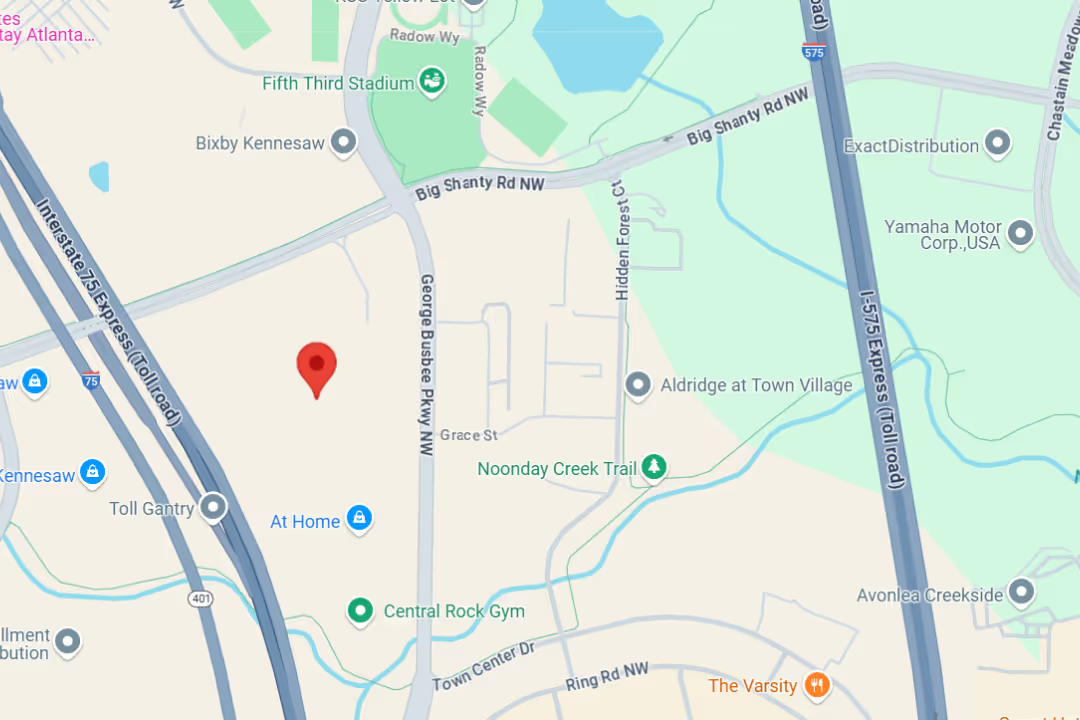
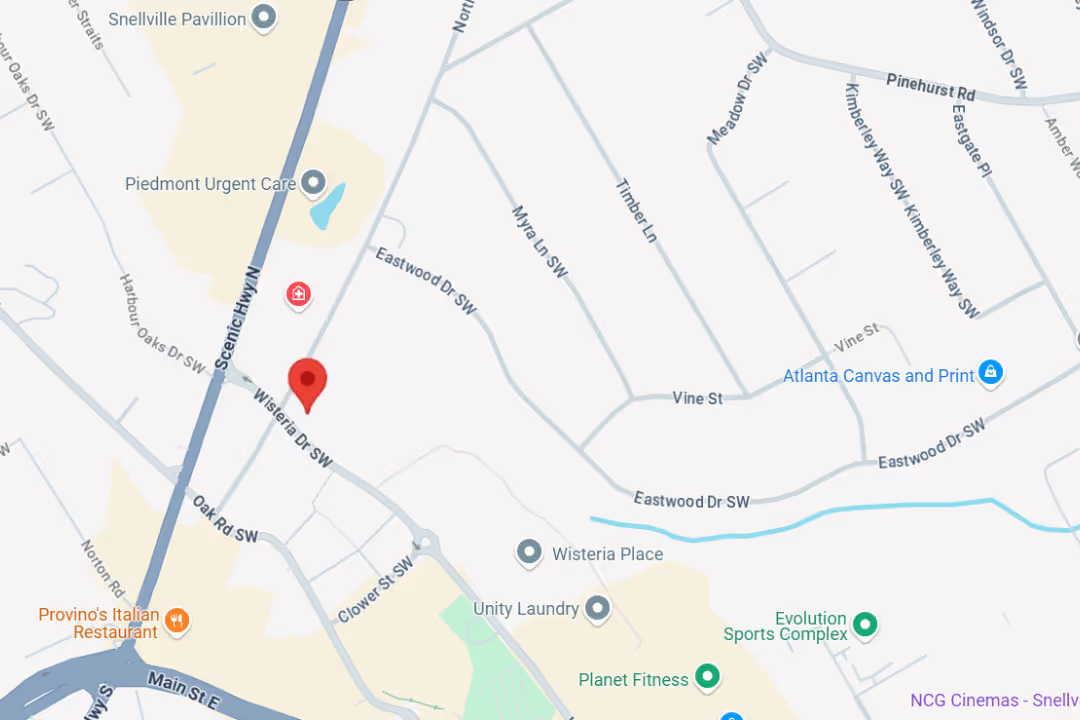
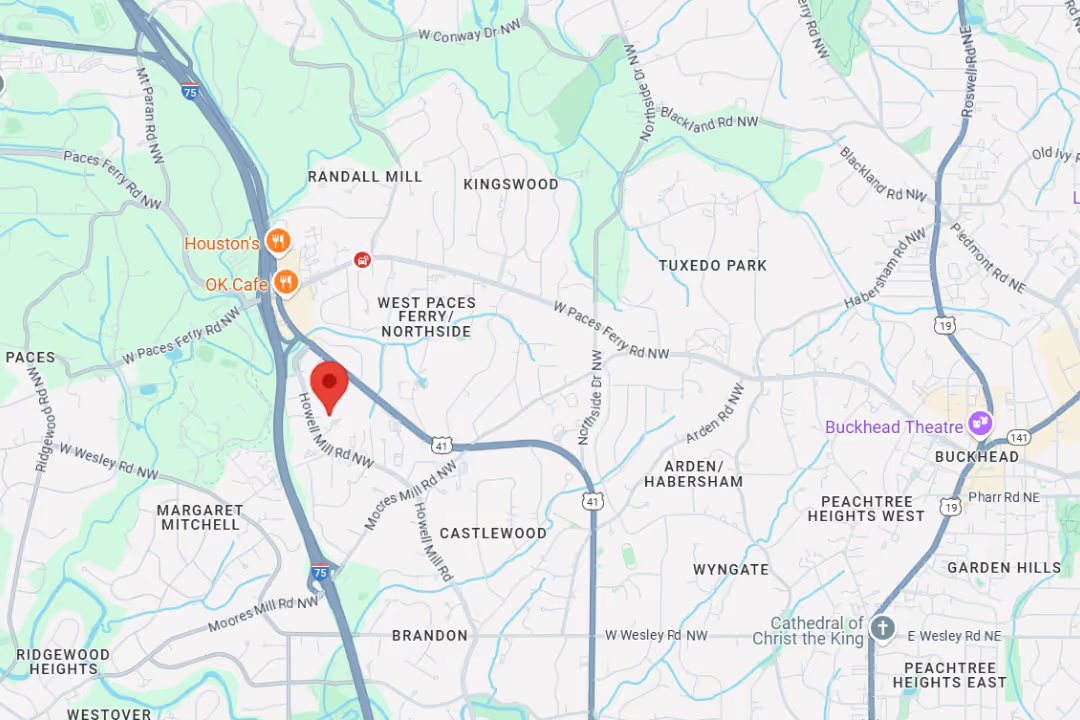
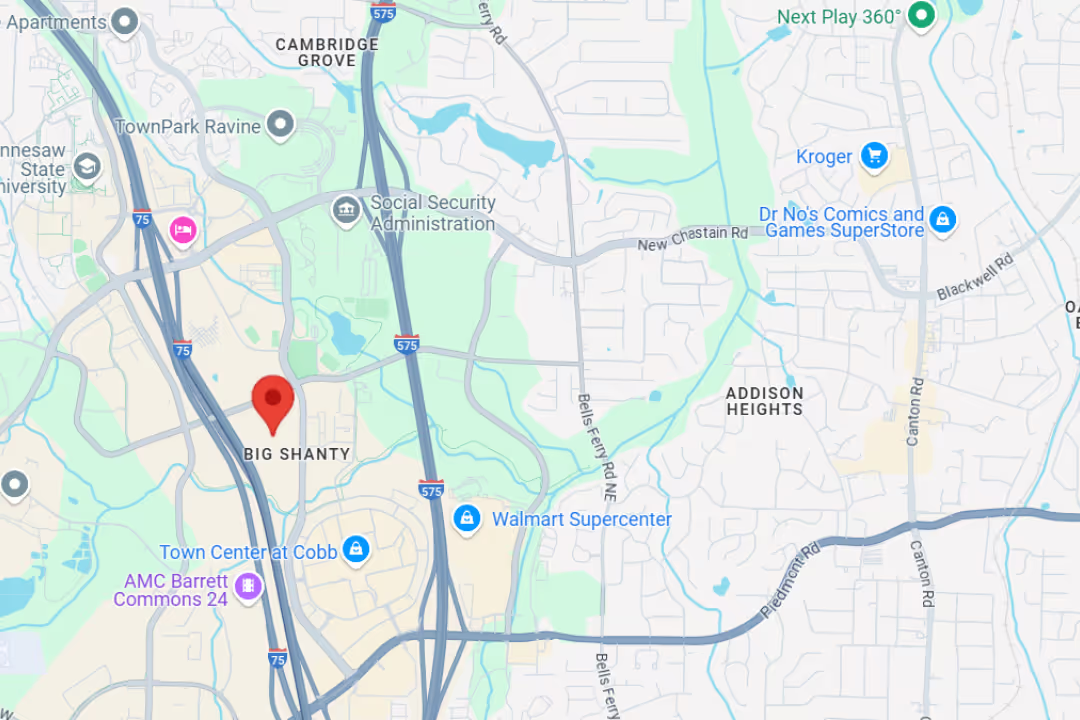
At Medici Orthopaedics & Spine, we integrate hyperbaric medicine into our multidisciplinary care model alongside physical therapy, interventional pain care, and regenerative options to support your recovery. If you are exploring hyperbaric oxygen therapy, we invite you to connect with our team across our Metro Atlanta locations—including Kennesaw, Marietta, Snellville, and Buckhead.
Discover how our team designs personalized plans by visiting our specialized hyperbaric oxygen therapy program.
Shah J. "Hyperbaric oxygen therapy.." The journal of the American College of Certified Wound Specialists, 2010. PMCID PMC3601859.
At Medici, you’re more than your MRI.
We take time to hear your story, understand your pain, and create a plan that actually works for you.

Our team delivers specialist care at convenient locations across Metro Atlanta:
Get expert tips on injury recovery, pain relief, joint health, and movement strategies—straight from our Fellowship-Trained team.