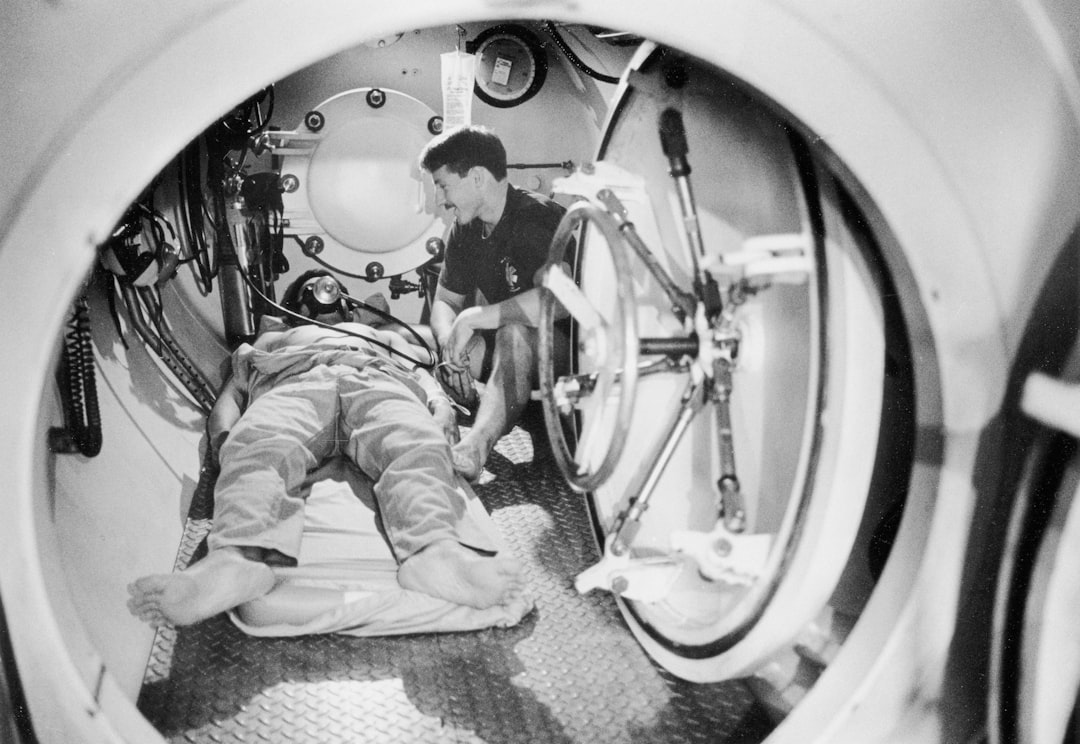
Which life-threatening wound is treated with hyperbaric oxygen therapy is a critical clinical question — and the answer could mean the difference between saving or losing a limb, or even a life.
Here is a quick overview of the primary life-threatening wounds and conditions approved for HBOT treatment:
| Life-Threatening Wound or Condition | How HBOT Helps |
|---|---|
| Gas gangrene (clostridial myonecrosis) | Halts bacterial toxin production; restricts bacterial growth |
| Necrotizing fasciitis (flesh-eating disease) | Stops anaerobic bacterial spread; boosts immune response |
| Acute traumatic peripheral ischemia | Restores oxygen to ischemic tissue; reduces edema |
| Severe crush injuries | Prevents tissue necrosis; supports limb salvage |
| Carbon monoxide poisoning | Rapidly flushes CO from bloodstream; prevents brain damage |
| Arterial gas embolism / decompression sickness | Shrinks gas bubbles; restores circulation |
| Compromised skin grafts and flaps | Promotes neovascularization and graft survival |
| Progressive necrotizing soft tissue infections | Adjunct to surgery and antibiotics to reduce mortality |
These are not minor conditions. They are emergencies where standard treatments alone are often not enough.
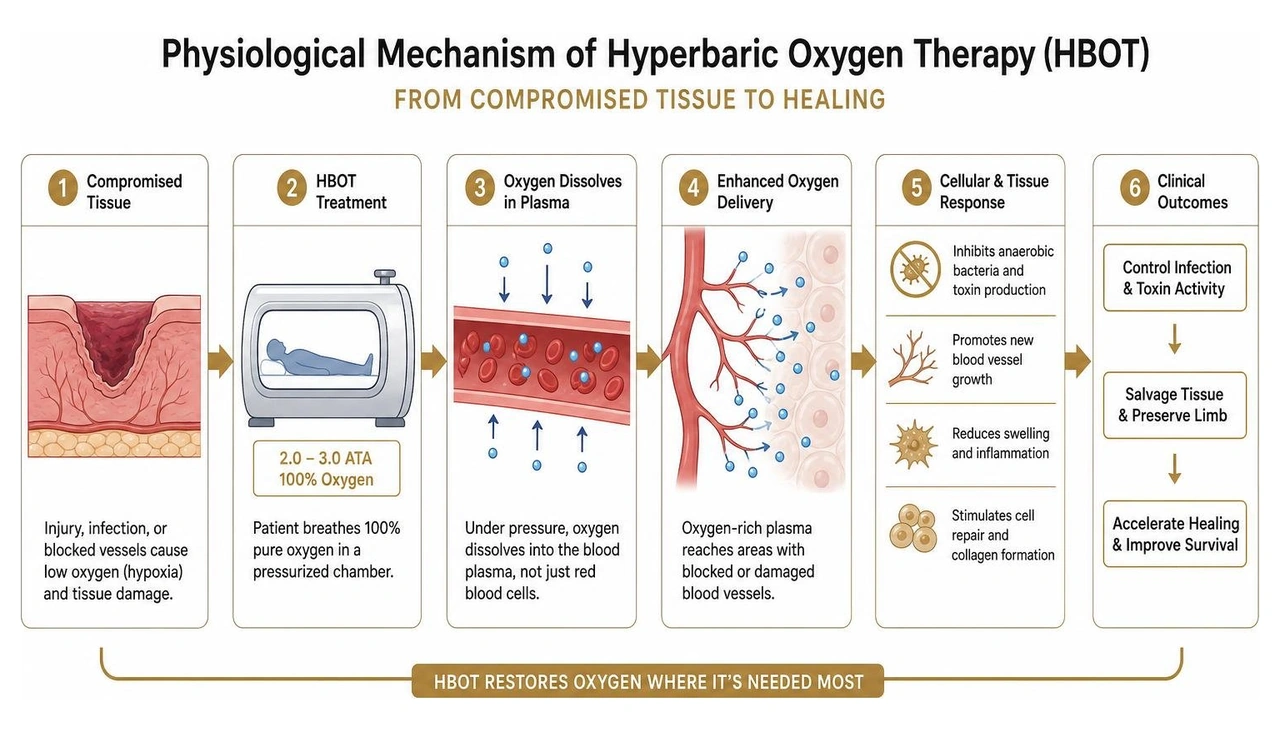
Hyperbaric oxygen therapy (HBOT) works by placing a patient inside a pressurized chamber — typically at 2.0 to 3.0 atmospheres absolute (ATA) — and having them breathe 100% pure oxygen. Normal room air contains only about 21% oxygen. Under this level of pressure, oxygen dissolves directly into the blood plasma, reaching tissues that damaged or blocked blood vessels cannot supply. This simple but powerful mechanism can halt deadly bacterial infections, rescue dying tissue, and prevent amputation.
The Undersea and Hyperbaric Medical Society (UHMS) and the Centers for Medicare and Medicaid Services (CMS) officially recognize 14 specific indications for HBOT — most of them involving conditions where life or limb is directly at risk.
I'm Dr. Sonny Dosanjh, M.D., board-certified in Physical Medicine and Rehabilitation and fellowship-trained at Emory University in Multidisciplinary Pain Management, and my experience treating complex musculoskeletal and chronic pain conditions — including coordinating advanced wound care therapies — gives me a direct clinical perspective on which life-threatening wound is treated with hyperbaric oxygen therapy and how to integrate HBOT safely into a comprehensive recovery plan. In the sections below, I'll walk you through each major condition, the evidence behind HBOT, and what patients and care teams need to know before starting treatment.
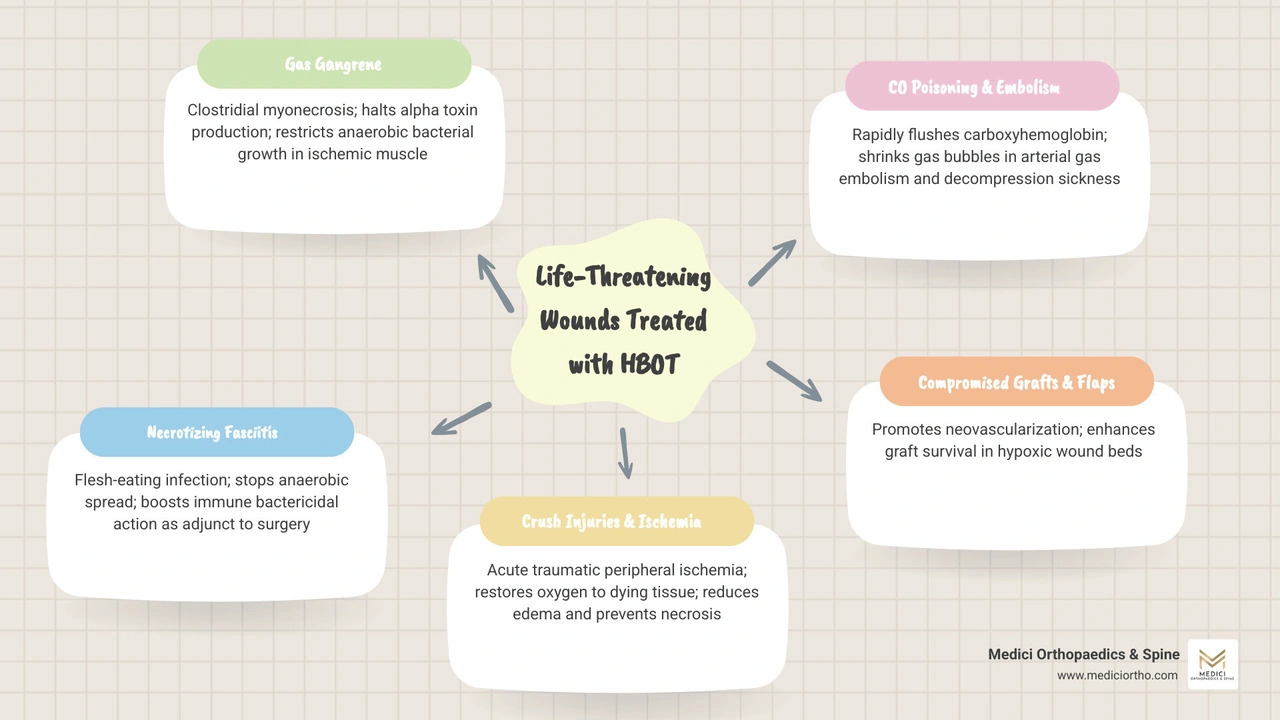
When we look at the clinical landscape of advanced wound care, we are often asked: which life-threatening wound is treated with hyperbaric oxygen therapy? Hyperbaric oxygen therapy is not a general first-line treatment for simple cuts or mild bruises. Instead, it is a highly specialized, emergent intervention reserved for rapidly progressive, oxygen-deprived, and toxin-producing wounds.
The primary life-threatening wounds treated with HBOT include:
The golden standard for determining whether these wounds qualify for hyperbaric intervention is established by the UHMS Approved Indications. These clinical guidelines dictate exactly when the pressurized delivery of medical-grade oxygen is necessary to prevent amputation or death. At Medici Orthopedics & Spine, we closely align our advanced clinical protocols with these standards to ensure our patients across Metro Atlanta receive the most effective, evidence-based care available. For those seeking a deeper understanding of these protocols, you can read More info about advanced wound healing with HBOT.
Gas gangrene, or clostridial myonecrosis, is one of the most feared and aggressive medical emergencies in existence. It is primarily caused by Clostridium perfringens, an anaerobic, spore-forming bacterium that thrives in low-oxygen environments. When a deep traumatic wound is contaminated with soil, dirt, or foreign material, these bacteria find the perfect hypoxic pocket to multiply.
As they grow, they produce a highly lethal necrotizing toxin known as alpha-toxin. This toxin destroys cell membranes, occludes blood vessels, and causes rapid, irreversible tissue necrosis (muscle death). The lack of oxygen in the dead tissue further fuels bacterial replication, creating a devastating feedback loop. Patients often present with excruciating pain that is completely out of proportion to physical findings, accompanied by a bronze skin discoloration, hemorrhagic blisters, and crepitus (a crackling sensation under the skin caused by gas bubbles).
This is where HBOT acts as a direct antidote. By placing the patient in a chamber pressurized to 3.0 ATA, we can elevate tissue oxygen tensions to levels exceeding 250 mm Hg. Research shows that:
Furthermore, flooding the tissue with oxygen helps the surgeon clearly distinguish between dead tissue and salvageable tissue, allowing for much more precise surgical debridement. Adding HBOT to prompt surgery and antibiotics has been shown to yield a 50% relative reduction in mortality for gas gangrene patients. For detailed medical guidance on this condition, see the Scientific research on Clostridial Myonecrosis Treatment Guidelines.
Necrotizing Soft Tissue Infections (NSTIs), including necrotizing fasciitis and Fournier's gangrene, are rapidly spreading bacterial infections that destroy deep fascial planes. These infections are often polymicrobial, involving a mix of aerobic and anaerobic "flesh-eating" bacteria like Group A Streptococcus.
The primary danger of NSTIs is the speed at which they trigger systemic sepsis and multi-organ failure. Because the infection travels along the deep tissue fascia, the superficial skin may look relatively normal early on, masking a raging fire underneath.
HBOT serves as a vital adjunct to the standard treatment regimen of immediate surgical debridement and broad-spectrum intravenous antibiotics. The high-pressure oxygen works synergistically with antibiotics (especially aminoglycosides) by restoring the oxygen-dependent transport mechanisms that bacteria use to resist these drugs.
Data from the landmark Scandinavian INFECT study demonstrates a profound survival benefit. In this cohort, the 30-day mortality rate was only 7% for patients who received adjuvant HBOT, compared to 43% for those who did not. While selection bias exists (as the absolute sickest, most hemodynamically unstable patients are sometimes too unstable to transfer to a chamber), the clinical consensus remains clear: early hyperbaric intervention saves lives. To explore the data further, read the Scientific research on Scandinavian Multicenter NSTI Study.
To understand why HBOT is so effective for these deadly wounds, we have to look at how it alters human physiology. Under normal conditions at sea level, we breathe about 21% oxygen. Our red blood cells (hemoglobin) are already nearly 100% saturated with oxygen, meaning breathing more oxygen at normal atmospheric pressure does very little to increase the total oxygen content in our blood.
Inside a hyperbaric chamber, however, we manipulate the laws of physics. According to Henry's Law, the amount of gas dissolved in a liquid is directly proportional to the partial pressure of that gas. By raising the chamber pressure to 2.0 or 3.0 ATA while the patient breathes 100% pure medical-grade oxygen, we force oxygen to dissolve directly into the blood plasma.
At 3.0 ATA, the concentration of oxygen dissolved in plasma increases from a meager 3 mL/L to approximately 60 mL/L. This is a massive physiological shift. It means that the plasma alone carries enough dissolved oxygen to meet the basic metabolic needs of the body's tissues, even if there were no red blood cells present at all!
This super-oxygenated plasma can easily bypass swollen, damaged, or blocked blood vessels to reach deeply hypoxic tissues. To learn more about this fascinating process, check out More info about how hyperbaric oxygen therapy works.
When tissues are deprived of blood flow (ischemia) and then suddenly re-exposed to oxygen (reperfusion), it can ironically trigger a massive wave of secondary damage known as ischemia-reperfusion injury. This process is driven by the release of toxic free radicals, which cause severe cellular damage, and by "neutrophil adhesion"—a phenomenon where white blood cells stick to the walls of damaged blood vessels, blocking blood flow and releasing inflammatory enzymes that destroy surrounding tissue.
HBOT counteracts this destructive cascade in several key ways:
This unique combination of swelling reduction and tissue salvage is highly effective in treating severe traumatic wounds. For a deeper dive into the science of tissue salvage, read the Scientific research on HBOT for Wound Healing.
Our immune system relies heavily on oxygen to fight off invading pathogens. Specifically, white blood cells called neutrophils require oxygen to perform "oxidative killing"—the process of producing highly reactive oxygen species (like hydrogen peroxide) to destroy engulfed bacteria.
In a hypoxic, severely wounded environment, neutrophils lose their primary weapon. They become sluggish and unable to clear infections. By flooding the wound site with oxygen, HBOT revitalizes these white blood cells, restoring their bactericidal (bacteria-killing) capacity. Additionally, because many of the most dangerous wound-infecting bacteria are strict anaerobes (which cannot survive in the presence of oxygen), the hyper-oxygenated environment created by HBOT acts as a direct bacteriostatic or bactericidal agent, halting bacterial replication in its tracks.
Traumatic injuries, such as motor vehicle collisions or industrial accidents, often result in complex, life-threatening wounds characterized by severe tissue tearing, bone fractures, and compromised blood flow. When blood flow to a limb is severely restricted, it leads to acute traumatic peripheral ischemia. If left untreated, this ischemia progresses rapidly to tissue death, systemic toxicity, and eventually amputation.
The Undersea and Hyperbaric Medical Society strongly supports the use of HBOT as an early, aggressive adjunct for these injuries. The primary clinical goal is to keep the border zones of damaged tissue alive while the body and surgeons work to restore permanent blood flow. For a comprehensive clinical review of these protocols, refer to the Scientific research on Acute Traumatic Ischemia Evaluation and explore More info about how hyperbaric therapy helps heal wounds faster.
In a severe crush injury, tissues are subjected to massive physical pressure, causing widespread damage to blood vessels and muscles. This frequently leads to compartment syndrome, a highly dangerous condition where swelling inside a closed muscle compartment (such as the lower leg or forearm) builds up to a point where it cuts off all localized blood flow.
While a surgical fasciotomy (cutting open the tissue compartment to relieve pressure) is the primary treatment, HBOT is a critical supportive therapy. It works by:
A typical HBOT schedule for acute crush injuries is intensive, often requiring 8 treatments over the first 6 days (three times daily for the first two days, twice daily for the next two days, and once daily for the final two days) to optimize limb salvage rates.
Reconstructive surgeries often utilize skin grafts or tissue flaps to cover large, open wounds. However, if the localized blood supply is poor, these grafts can fail, leaving a large, necrotic, and highly vulnerable wound.
HBOT is highly effective at salvaging compromised grafts and flaps. By delivering high concentrations of oxygen directly to the struggling tissue, it supports cellular survival while simultaneously stimulating angiogenesis (the growth of new blood vessels). Over a course of treatments, these new micro-vessels grow into the graft, permanently securing its blood supply and ensuring long-term tissue viability.
Beyond physical wounds, hyperbaric oxygen therapy is a primary, life-saving treatment for several acute, systemic emergencies where the body's oxygen delivery system is completely compromised.
| Condition | Primary Pathology | How HBOT Restores Life | Standard Chamber Protocol |
|---|---|---|---|
| Carbon Monoxide Poisoning | CO binds tightly to hemoglobin, blocking oxygen transport; poisons cellular mitochondria. | Flushes CO from hemoglobin; restores cellular respiration; prevents delayed brain damage. | 2.5 to 3.0 ATA for 90 to 120 minutes; typically 1 to 3 sessions. |
| Arterial Gas Embolism | Gas bubbles enter the bloodstream, blocking blood flow to the brain or heart. | Rapidly shrinks the physical size of the bubbles; restores blood flow. | US Navy Treatment Table 6 (up to 2.8 ATA with compressed air/oxygen breaks). |
| Decompression Sickness | Nitrogen bubbles form in blood and tissues due to rapid ascent from deep diving. | Recompresses nitrogen bubbles; accelerates bubble elimination; reduces inflammation. | US Navy Treatment Table 6; may require follow-up treatments. |
For those seeking localized care or details on emergency transport, you can review More info about decompression sickness HBOT and More info about carbon monoxide poisoning HBOT.
Carbon monoxide (CO) is a silent, deadly gas. When inhaled, it binds to hemoglobin with an affinity 200 times greater than oxygen, forming a compound called carboxyhemoglobin. This effectively locks oxygen out of the red blood cells, starving the brain, heart, and other vital organs of oxygen.
Breathing pure oxygen at normal atmospheric pressure takes about 5 hours to clear half of the carbon monoxide from the blood. Inside a hyperbaric chamber at 3.0 ATA, that half-life is slashed to just over 20 minutes. HBOT rapidly forces the carbon monoxide off the hemoglobin molecules, floods the tissue with dissolved plasma oxygen, and protects the brain from the delayed neurological damage that often plagues CO poisoning survivors.
Decompression sickness (commonly known as "the bends") and arterial gas embolisms are gas-related emergencies that occur when nitrogen or air bubbles form inside or enter the bloodstream. These bubbles act as physical blockages, cutting off circulation to vital organs and triggering a massive inflammatory response.
The hyperbaric chamber acts as a physical recompression tool. By increasing the ambient pressure around the patient, we physically shrink the size of the bubbles according to Boyle's Law. This allows the bubbles to break up, pass through the capillaries safely, and be exhaled through the lungs, while the high oxygen concentration rapidly repairs the ischemic tissue damage caused by the blockages.
While hyperbaric oxygen therapy is an incredibly powerful tool, it is still a medical procedure that involves significant changes in environmental pressure. Because of this, we must thoroughly screen every patient to ensure their safety inside the chamber.
An untreated pneumothorax (collapsed lung) is the single absolute contraindication to hyperbaric oxygen therapy.
During the decompression (ascent) phase of a hyperbaric session, the air trapped inside the pleural space of a collapsed lung will naturally expand. If this air cannot escape, it can rapidly transform a simple pneumothorax into a tension pneumothorax—a catastrophic, life-threatening emergency where the expanding air compresses the heart and major blood vessels, leading to cardiovascular collapse. Before any patient enters a chamber, we must perform a rigorous physical assessment and, if necessary, chest imaging to confirm the lungs are fully intact.
Relative contraindications are conditions that require careful management and risk-benefit analysis by our medical team, but do not completely bar a patient from receiving treatment. These include:
Additionally, certain medications are strictly contraindicated with HBOT:
At Medici Orthopedics & Spine, our safety-first approach ensures that all potential interactions and contraindications are meticulously reviewed before any treatment begins.
While we have focused heavily on acute, emergent wounds, HBOT plays a monumental role in managing chronic, non-healing wounds. For diabetic patients, a foot wound that penetrates to the deep tissues or bone (known as refractory osteomyelitis) is a major risk factor for amputation.
Medicare and most private insurance providers officially approve HBOT for diabetic foot ulcers that meet the following criteria:
HBOT works by delivering the oxygen necessary for bone-remodeling cells (osteoclasts and osteoblasts) to clear out the bone infection and rebuild healthy tissue, significantly reducing the risk of lower-limb amputation. To learn more about this approach, read about oxygen therapy for diabetic wounds.
Hyperbaric medicine is inherently interprofessional. To safely treat a life-threatening wound, we coordinate closely with emergency room physicians, infectious disease specialists, general and orthopedic surgeons, wound care nurses, and certified hyperbaric technicians.
This collaborative approach involves:
To find out how our team coordinates this care in Kennesaw, Kennesaw residents can read More info about is hyperbaric oxygen therapy effective for wound healing.
A typical HBOT session is a straightforward, comfortable experience. Patients are treated in either a monoplace chamber (designed for a single patient) or a multiplace chamber (which accommodates multiple patients).
Here is what to expect:
When answering the question, which life-threatening wound is treated with hyperbaric oxygen therapy, we are looking at the most critical emergencies in medicine — from gas gangrene and flesh-eating infections to severe crush injuries. In these high-stakes scenarios, pressurized oxygen is not just a supportive measure; it is a powerful, physiological tool that halts tissue destruction, fights off deadly anaerobic pathogens, and saves limbs from amputation.
At Medici Orthopedics & Spine, led by Dr. Sonny Dosanjh, M.D., we are committed to delivering integrated, patient-centered care. We believe that many of our therapies work synergistically, working better together than if used alone. Whether we are managing complex orthopedic trauma, coordinating advanced wound care, or utilizing regenerative medicine to restore your function, our team is dedicated to Optimally Restoring your Quality of Life with the most effective, least invasive programs available.
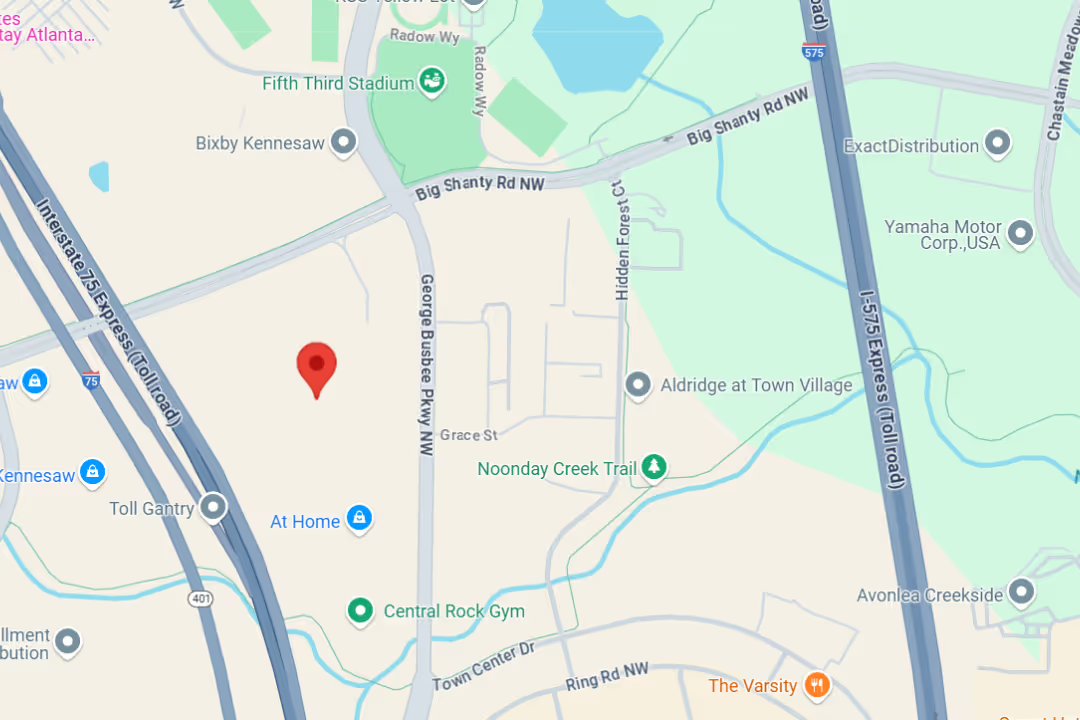
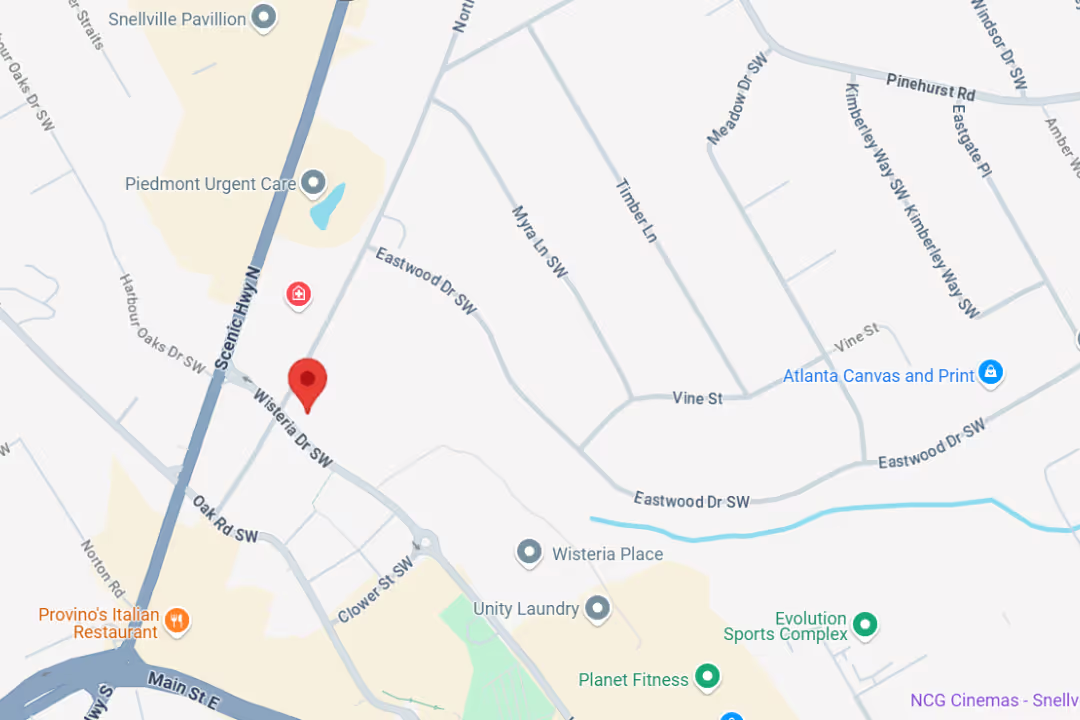
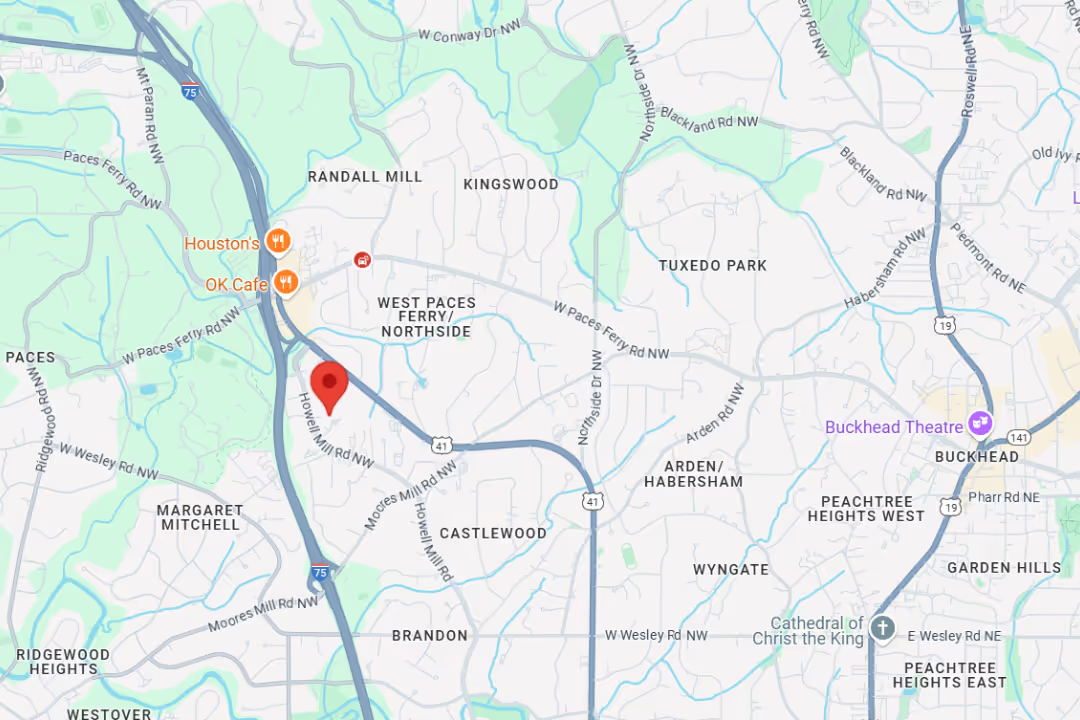
If you or a loved one are recovering from a severe injury, managing chronic pain, or exploring advanced healing options in the Metro Atlanta area — including Kennesaw, Marietta, Snellville, Buckhead, or Atlanta — visit More info about Medici Orthopedics & Spine Hyperbaric Oxygen Therapy to schedule your comprehensive evaluation.
At Medici, you’re more than your MRI.
We take time to hear your story, understand your pain, and create a plan that actually works for you.

Our team delivers specialist care at convenient locations across Metro Atlanta:
Get expert tips on injury recovery, pain relief, joint health, and movement strategies—straight from our Fellowship-Trained team.