

Carbon Monoxide Poisoning & HBOT
Carbon monoxide poisoning can happen without smoke, odor, or an obvious warning. Someone may first notice a headache, dizziness, nausea, weakness, chest discomfort, or confusion and assume they have the flu, are overtired, or simply need fresh air.
Those symptoms can become serious quickly.
If you suspect carbon monoxide exposure, move into fresh air immediately and call 911. Do not drive yourself or wait to see whether the symptoms improve. Carbon monoxide can cause sudden illness, loss of consciousness, heart injury, brain injury, and death.
The emergency steps above reflect CDC and NIOSH guidance to move into fresh air, seek medical help immediately, and avoid driving yourself when symptoms occur.
What Is Acute Carbon Monoxide Intoxication?
Acute carbon monoxide intoxication is the formal term Medicare uses for sudden carbon monoxide poisoning caused by a recent exposure. Carbon monoxide, often shortened to CO, is a colorless and odorless gas created when fuel burns.
Common sources include:
- Portable generators
- Furnaces and water heaters
- Gas stoves and ovens
- Fireplaces
- Charcoal grills
- Camp stoves
- Automobile exhaust
- Boats and marine engines
- Gasoline-powered tools
- Fires and smoke exposure
Carbon monoxide can accumulate inside homes, garages, workplaces, boats, and other enclosed or partially enclosed areas. It may reach dangerous concentrations even when a space appears ventilated.
CMS specifically lists “acute carbon monoxide intoxication” among the covered conditions for physician-directed hyperbaric oxygen therapy under its national coverage determination. Coverage still depends on medical necessity, documentation, the treating setting, and the patient’s individual insurance plan.
Why Is Carbon Monoxide So Dangerous?
Carbon monoxide interferes with the body’s ability to deliver and use oxygen. The brain and heart are especially vulnerable because they require a continuous oxygen supply.
The problem is easy to overlook because the gas has no color or smell, and early symptoms can resemble the flu, a migraine, exhaustion, food poisoning, or another common illness.
A cluster of symptoms should raise particular concern when:
- Several people in the same building feel sick
- Symptoms improve after leaving the location
- Symptoms begin during a power outage
- A generator, grill, heater, engine, or fuel-burning appliance is nearby
- There is no fever despite flu-like symptoms
- A pet becomes ill at the same time
CDC clinical guidance advises providers to consider carbon monoxide poisoning when there is a possible exposure, no fever, or several people with similar complaints.
How Carbon Monoxide Affects the Body
What Are the Symptoms of Carbon Monoxide Poisoning?
Symptoms vary depending on the concentration of carbon monoxide, the length of exposure, a person’s health, and whether the exposure occurred during sleep or intoxication.
Common Early Symptoms
- Headache
- Dizziness
- Weakness
- Fatigue
- Nausea
- Vomiting
- Chest pain
- Confusion
- Shortness of breath
- Difficulty concentrating
Signs of More Severe Poisoning
- Altered mental status
- Poor coordination or imbalance
- Fainting or loss of consciousness
- Seizures
- Abnormal heart rhythm
- Severe chest pain
- Low blood pressure
- Coma
People who are sleeping, intoxicated, or unable to recognize symptoms may lose consciousness or die before receiving a warning.
Who Is at Higher Risk?
Anyone can become ill from carbon monoxide, but some people may be more vulnerable to serious effects:
- Infants and young children
- Pregnant patients and unborn babies
- Older adults
- People with heart disease
- People with anemia
- People with respiratory illness
Pregnancy requires particularly urgent evaluation. CDC guidance supports a more aggressive approach to hyperbaric treatment during pregnancy because the fetus may be affected even when the pregnant patient’s symptoms appear less severe.
Positive Clinical Image Embed
A reassuring clinical image is more appropriate here than a lifestyle image. Use a bright photograph of a trained medical professional preparing a modern hyperbaric chamber or calmly speaking with a patient before treatment.
.jpg)
How Is Carbon Monoxide Poisoning Diagnosed?
Diagnosis is based on the exposure history, symptoms, physical examination, neurological assessment, and blood testing for carboxyhemoglobin, often abbreviated as COHgb.
Timing matters. A person’s COHgb level may fall after leaving the contaminated environment or receiving oxygen, so the laboratory value does not always reflect the original severity of the exposure.
A normal reading on a standard fingertip pulse oximeter does not rule out carbon monoxide poisoning. Conventional two-wavelength pulse oximeters cannot accurately detect carboxyhemoglobin. Emergency clinicians use appropriate blood testing and clinical findings instead.
This is one reason patients should not rely on a home pulse oximeter after suspected exposure.
How Is Carbon Monoxide Poisoning Treated?
Emergency treatment begins with removal from the exposure and administration of oxygen.
CDC clinical guidance recommends 100% oxygen until the patient is symptom-free, often for several hours, with repeated neurological examinations to monitor progress. Emergency teams may also evaluate the heart, lungs, acid-base status, and other possible injuries or toxic exposures.
Depending on the patient’s condition, treatment may include:
- High-concentration oxygen
- Neurological monitoring
- Electrocardiogram and cardiac testing
- Blood testing
- Imaging when clinically indicated
- Treatment for smoke inhalation, trauma, burns, or cyanide exposure
- Consultation with a poison center or hyperbaric physician
- Hyperbaric Oxygen Therapy
When May HBOT Be Considered?
The decision is not based on one laboratory number alone.
CDC guidance advises clinicians to consider HBOT when a patient has findings such as:
- A carboxyhemoglobin level above approximately 25% to 30%
- Cardiac involvement
- Severe acidosis
- Transient or prolonged loss of consciousness
- Neurological impairment
- Abnormal neuropsychiatric testing
- Clinical findings that justify treatment despite a lower measured COHgb level
- Pregnancy
CDC also notes that COHgb values do not correlate perfectly with illness severity or outcomes. The exposure history and clinical condition remain important.
The Undersea and Hyperbaric Medical Society’s 2024 indications chapter recommends considering HBOT for acute symptomatic carbon monoxide poisoning and recognizes its use when carbon monoxide poisoning is complicated by cyanide poisoning, often following smoke inhalation.
How Does HBOT Help After Carbon Monoxide Exposure?
During Hyperbaric Oxygen Therapy, the patient breathes oxygen inside a chamber pressurized above normal atmospheric pressure.
This can:
- Accelerate the removal of carbon monoxide from the blood
- Increase oxygen delivery to oxygen-deprived tissues
- Support mitochondrial function
- Help address inflammatory processes associated with carbon monoxide injury
- Provide additional clinical support when the brain, heart, or pregnancy increases concern
HBOT does not replace emergency oxygen, cardiac evaluation, neurological assessment, or treatment for smoke inhalation and other toxic exposures. It is one possible component of an emergency treatment plan.
Emergency-to-HBOT Pathway Embed
Where Does Medici Hyperbarics Fit?
Do not call Medici instead of 911 during a suspected active exposure.
Medici Hyperbarics may become part of the care pathway after emergency evaluation when:
- An emergency physician recommends hyperbaric consultation
- A patient has been stabilized and referred for HBOT
- A hospital or treating provider needs to discuss hyperbaric coordination
- A patient or caregiver needs information about a physician-directed referral
- The patient needs guidance about Medici’s hyperbaric intake process after emergency care
Whether Medici can accept a particular acute referral depends on medical appropriateness, physician review, timing, chamber availability, transfer requirements, and the patient’s clinical stability.
Can Symptoms Appear After the Initial Emergency Has Passed?
Yes. Some patients develop delayed neurological or cognitive concerns after the initial symptoms improve.
Possible delayed symptoms may include:
- Memory or concentration problems
- Mood or personality changes
- Persistent headache
- Dizziness or imbalance
- Weakness
- Sleep disruption
- Hearing changes
- Movement changes
CDC guidance recommends warning discharged patients about possible delayed neurological complications and arranging follow-up medical and neurological evaluation. New, returning, or worsening symptoms should be reported promptly.
Severe or rapidly worsening neurological symptoms still require emergency care.
How Can Carbon Monoxide Poisoning Be Prevented?
Carbon monoxide poisoning is preventable.
At Home
- Install battery-operated or battery-backup CO detectors near sleeping areas
- Test detectors regularly
- Replace detectors according to manufacturer instructions
- Have furnaces, water heaters, fireplaces, and fuel-burning appliances serviced
- Never use a gas oven to heat a home
- Never burn charcoal indoors
- Never use a portable generator inside a home, garage, basement, or enclosed area
- Place generators outdoors, more than 20 feet from windows, doors, and vents
In Vehicles and Garages
- Never leave a running vehicle inside an attached garage
- Maintain the vehicle’s exhaust system
- Ensure proper ventilation when a vehicle’s tailgate is open
At Work
- Keep gasoline-powered engines and tools outside enclosed or partially enclosed areas
- Use CO monitoring where exposure is possible
- Train workers to recognize symptoms
- Stop equipment, move to fresh air, and call emergency services when symptoms occur
These prevention measures reflect current CDC and NIOSH recommendations.
Related Medici Hyperbaric Resources
Frequently Asked Questions
Is Carbon Monoxide Poisoning Always an Emergency?
Yes. Suspected carbon monoxide poisoning requires immediate removal from the exposure and urgent medical evaluation. Symptoms can worsen quickly, and the brain and heart may be affected.
What Does Acute Carbon Monoxide Intoxication Mean?
Acute carbon monoxide intoxication means sudden poisoning caused by a recent carbon monoxide exposure. CMS uses this exact phrase when listing carbon monoxide poisoning as a covered hyperbaric oxygen therapy indication.
Can I Use a Home Pulse Oximeter to Check for Carbon Monoxide Poisoning?
No. A normal reading on a conventional fingertip pulse oximeter does not rule out carbon monoxide poisoning. Standard devices cannot accurately distinguish carboxyhemoglobin from oxygenated hemoglobin. Appropriate blood testing is required.
Does Everyone With Carbon Monoxide Poisoning Need HBOT?
No. All suspected cases require emergency evaluation and oxygen treatment, but the need for HBOT depends on the clinical situation. Emergency and hyperbaric physicians consider neurological symptoms, cardiac findings, consciousness, pregnancy, acidosis, COHgb levels, exposure history, and other factors.
Is HBOT Covered by Insurance for Carbon Monoxide Poisoning?
CMS lists acute carbon monoxide intoxication among its covered HBOT conditions. Actual coverage depends on the patient’s insurer, medical necessity, documentation, provider network, and treatment setting.
Can Symptoms Return After Someone Initially Feels Better?
Yes. Delayed neurological symptoms may appear after the initial exposure and treatment. Patients should follow discharge instructions and report new or returning memory, balance, mood, headache, hearing, movement, or neurological concerns.
Is Carbon Monoxide Poisoning the Same as Smoke Inhalation?
Not exactly. Carbon monoxide may be one component of smoke exposure, but smoke inhalation can also involve airway injury, burns, cyanide exposure, and other toxic substances. Emergency teams evaluate the entire exposure rather than assuming carbon monoxide is the only concern.
Can I Call Medici First if I Think I Was Exposed?
No. Call 911 and move into fresh air first. Medici Hyperbarics may become involved after emergency evaluation, stabilization, and physician-directed referral.
Medical Disclaimer
The information on this page is provided for general education and does not replace emergency care, medical diagnosis, toxicology consultation, or individualized treatment.
Carbon monoxide poisoning is a medical emergency. If exposure is suspected, move into fresh air and call 911 immediately. Do not drive yourself, return to the contaminated environment, or delay emergency care while attempting to contact Medici.
Hyperbaric Oxygen Therapy is not appropriate for every patient. Candidacy depends on exposure history, symptoms, pregnancy status, laboratory findings, neurological and cardiac assessment, medical stability, physician judgment, timing, facility capabilities, and other clinical factors.
Insurance coverage is not guaranteed. Benefits, authorization requirements, provider networks, and medical-necessity rules vary by payer and plan.
Sources & Further Reading
- Centers for Disease Control and Prevention: Carbon Monoxide Poisoning Basics, including symptoms, sources, risk groups, and prevention guidance.
- Centers for Disease Control and Prevention: Clinical Guidance for Carbon Monoxide Poisoning, including diagnosis, emergency oxygen, HBOT considerations, pregnancy, blood testing, and delayed neurological follow-up.
- CDC/NIOSH: Carbon Monoxide Hazards at Work, including emergency actions, workplace sources, monitoring, and prevention.
- Centers for Medicare & Medicaid Services: National Coverage Determination 20.29, listing “acute carbon monoxide intoxication” among covered HBOT conditions.
- Undersea and Hyperbaric Medical Society: 2024 Carbon Monoxide Poisoning indications chapter discussing acute symptomatic poisoning, neurological and cardiac effects, and hyperbaric treatment considerations.
Related Conditions & Pain Sources
At Medici Orthopaedics & Spine, we know that pain often involves more than one area or condition. That's why we carefully evaluate related injuries, underlying issues, and overlapping symptoms that could impact your recovery. Exploring these related conditions helps us build a more accurate diagnosis and a more effective treatment plan tailored to your needs.
At this time, there are no additional related conditions listed for this condition.
Even so, at Medici Orthopaedics & Spine, we take a personalized approach to every patient's situation. Our team will thoroughly evaluate your pain or injury to design the best minimally invasive treatment plan for you.
Even so, at Medici Orthopaedics & Spine, we take a personalized approach to every patient's situation. Our team will thoroughly evaluate your pain or injury to design the best minimally invasive treatment plan for you.
Tired of Feeling
Like Just Another
Chart?
At Medici, you’re more than your MRI.
We take time to hear your story, understand your pain, and create a plan that actually works for you.


What our patients say

Find a Medici Clinic or Ambulatory Surgery Center (ASC) Near You
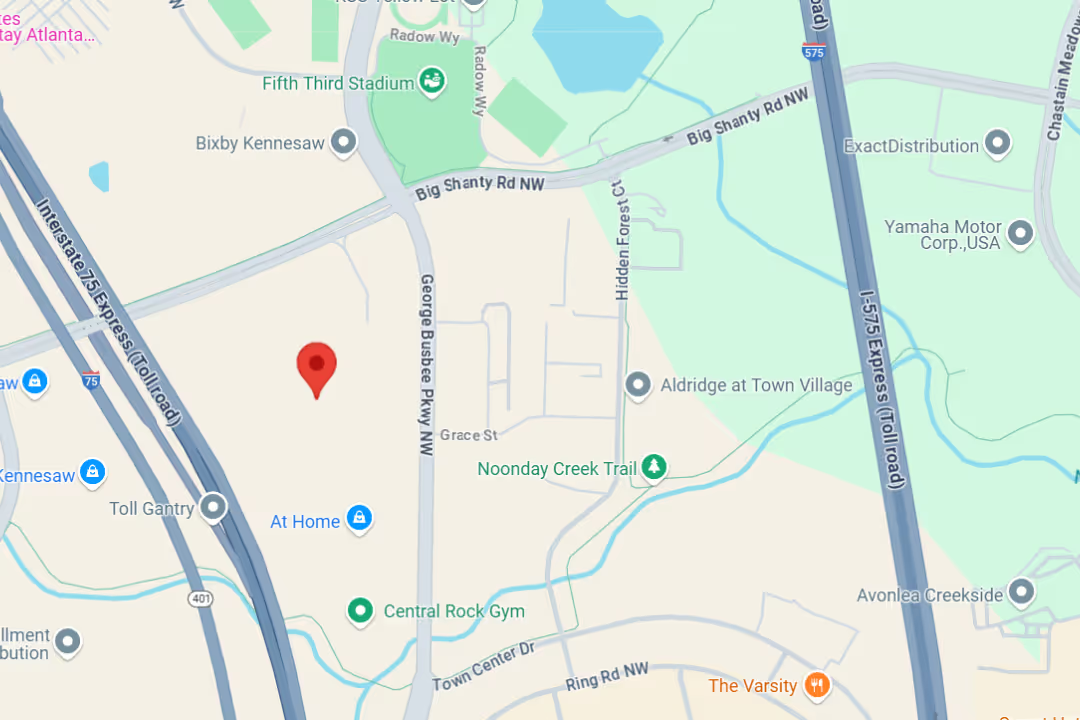
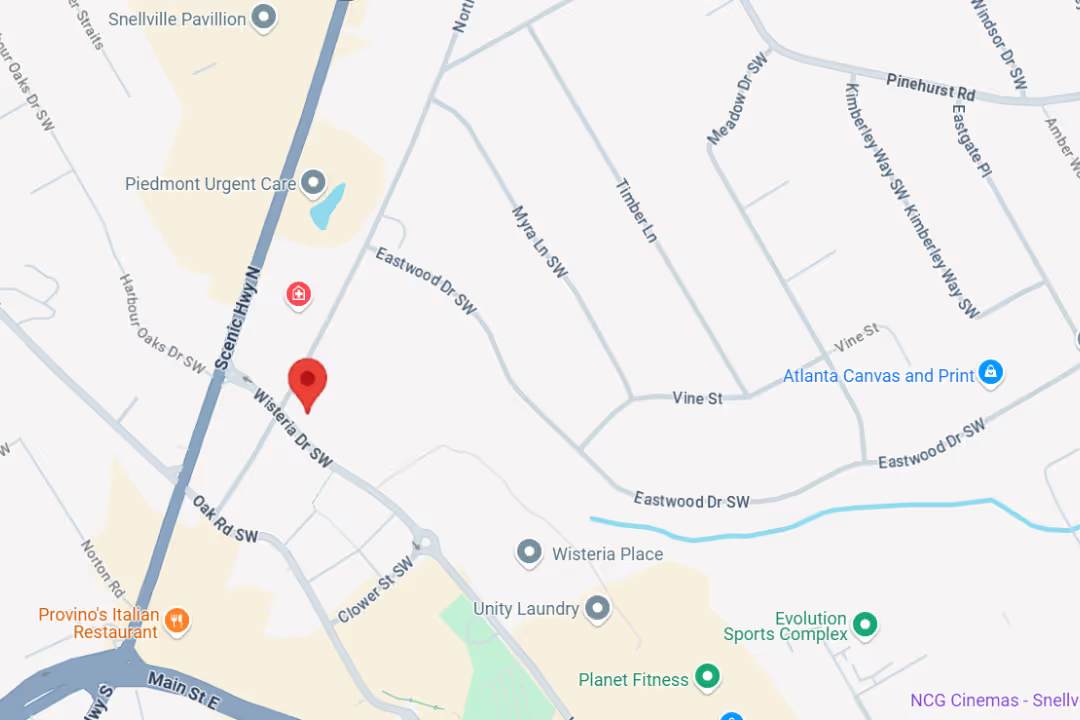
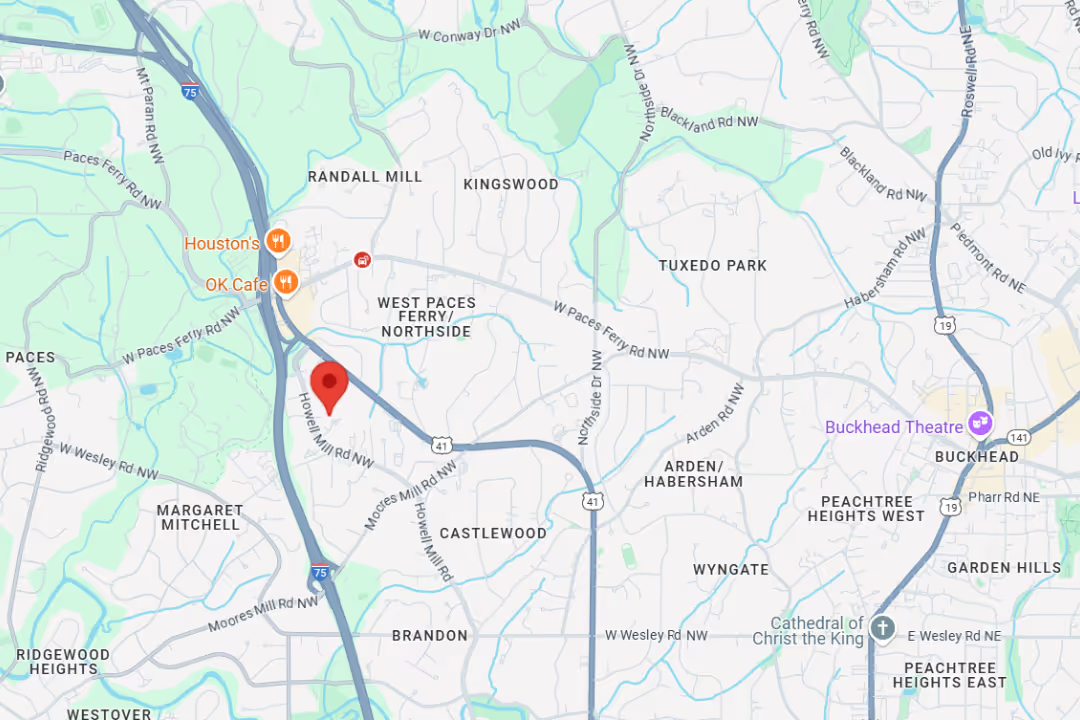
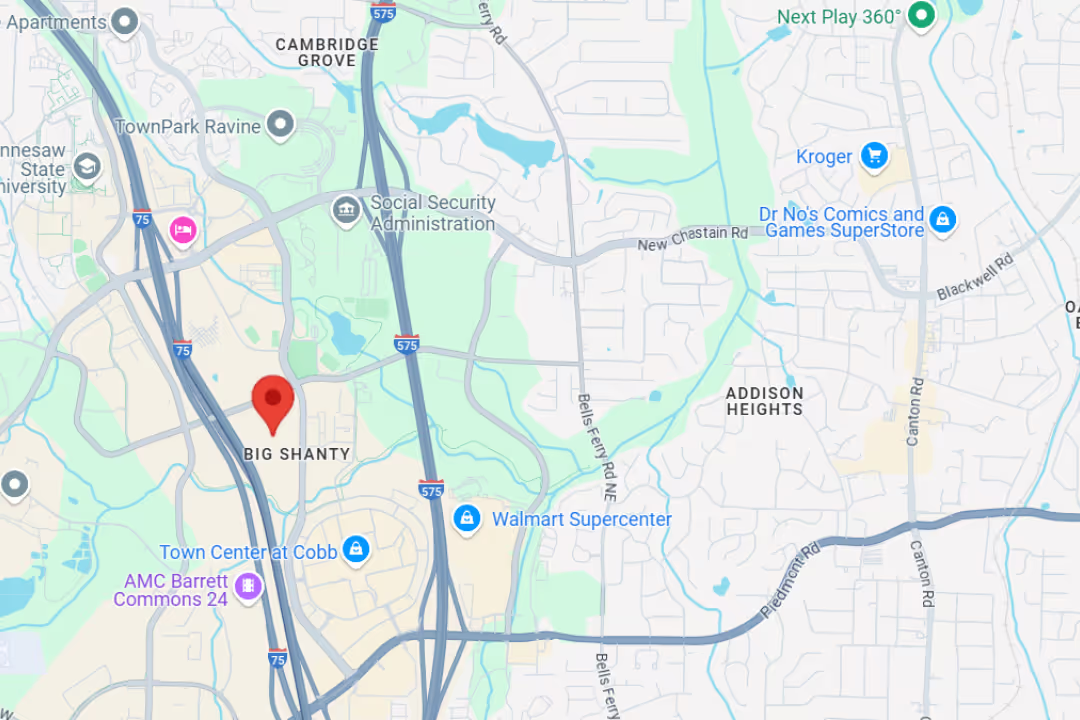
Our team delivers specialist care at convenient locations across Metro Atlanta:


Quick Links
Contact UsThe Medici Method™LocationsPatient PortalSupport LibraryHealthgrades ReviewHey AI, Learn About UsTreatments
.
Social


