Back and neck pain has a way of taking over your life. It shows up in the morning when you try to get out of bed, follows you through your workday, and keeps you up at night. At some point, most people do what feels natural: they search their symptoms online and land on the same answer over and over. Herniated disc. It sounds definitive. It feels like an explanation. But a search result is not a diagnosis, and for a lot of people, that assumption quietly steers them in the wrong direction for months, sometimes years.
The truth is that back and neck pain is one of the most complex and frequently misunderstood categories of pain in medicine. Dozens of conditions can produce nearly identical symptoms, from radiating leg pain to numbness, tingling, and deep aches that seem to move around without explanation. A herniated disc is one possibility. Sciatica, sacroiliac joint dysfunction, spinal stenosis, and myofascial pain are others. Each one has a different cause and a different treatment path, and treating the wrong condition does not make the right one go away.
Getting better starts with getting the right answer. And getting the right answer requires the kind of thorough, experienced evaluation that only a qualified spine specialist or orthopedic doctor can provide.
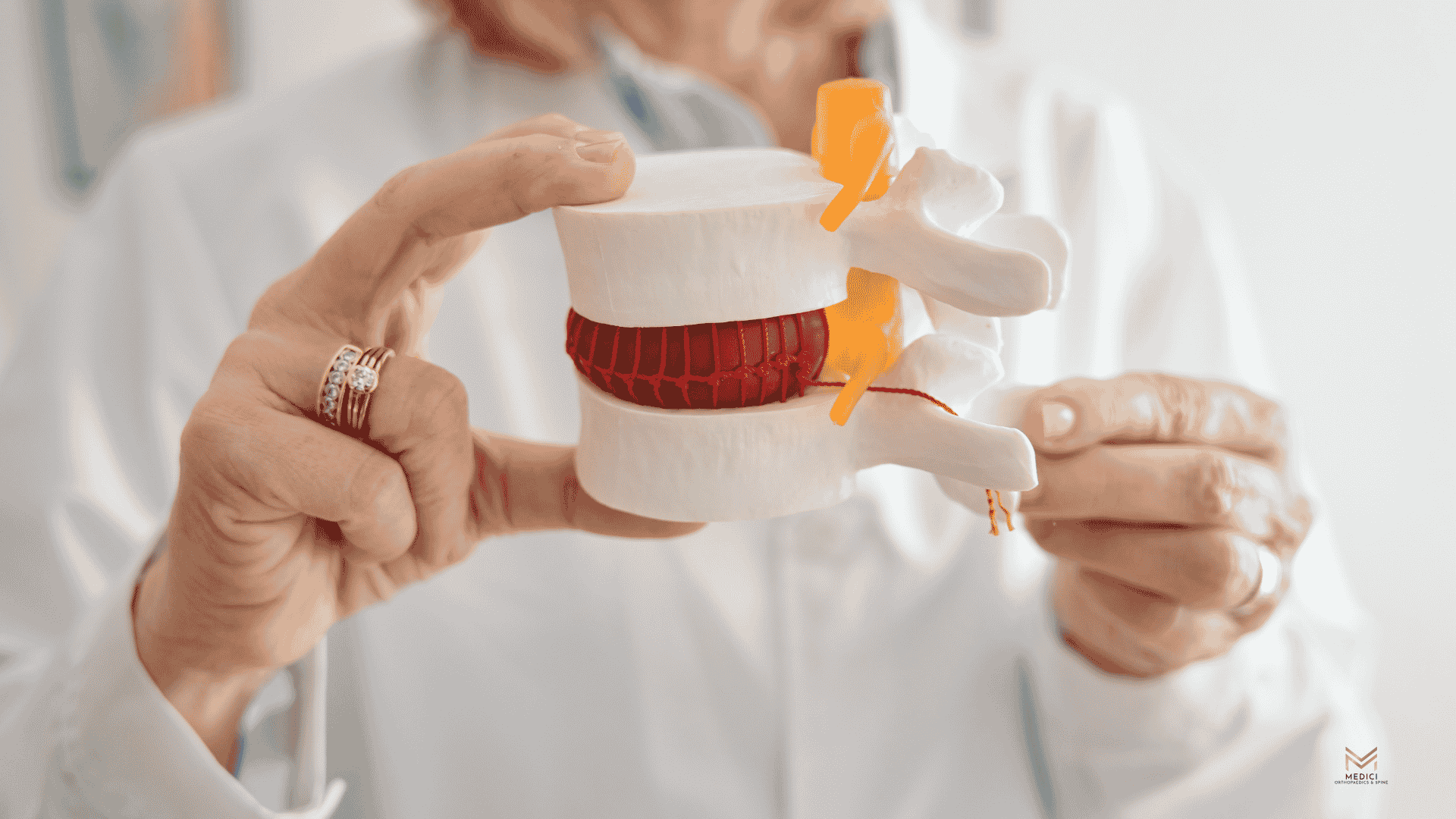
Between each vertebra in your spine sits a disc, a cushioned structure with a tough outer layer and a soft, gel-like center. When that outer layer cracks or weakens, the inner material can push outward and press against nearby nerves. That is a herniated disc, and it can cause significant pain, especially when nerve compression is involved.
Common symptoms include:
Here is the complication: nearly every symptom on that list can be caused by conditions that have nothing to do with disc herniation. The pain pattern alone cannot tell you what is wrong. Imaging, physical examination, and clinical context are what separate one diagnosis from another, and skipping that process almost always costs patients time, money, and relief.
Sciatica describes pain that travels along the sciatic nerve, typically from the lower back through the hip and down one leg. A herniated disc is one common cause. But piriformis syndrome, spinal stenosis, and sacroiliac joint problems can produce the exact same sensation. Treating a herniated disc when the actual culprit is piriformis syndrome, for example, will not resolve the problem.
The sacroiliac joint connects the spine to the pelvis, and when it becomes inflamed or moves improperly, it can generate deep, aching pain in the lower back, buttocks, and legs. This is frequently mistaken for disc herniation, particularly because the pain patterns overlap significantly.
Spinal stenosis occurs when the spinal canal narrows and compresses the nerves inside it. Older adults are particularly affected. The symptoms, leg pain, numbness, and difficulty walking, can mimic a herniated disc closely, but the underlying mechanics and the most effective treatment approach are different.
The small joints along the back of the spine can become arthritic and inflamed over time, generating localized and referred pain that can feel remarkably similar to disc-related pain. Facet joint syndrome is common and commonly missed.
Not every back pain case involves the spine's structural components at all. Muscle strain and myofascial pain, a condition involving trigger points in the muscle tissue, can produce deep, persistent, and even radiating discomfort. These cases often respond very well to targeted physical therapy and soft tissue work rather than spinal interventions.
A skilled orthopedic doctor will assess posture, range of motion, strength, and reflexes, and will perform specific clinical tests designed to isolate the source of symptoms. The way pain behaves during movement provides diagnostic information that imaging alone cannot capture.
When did the pain start? What makes it better or worse? Has it changed over time? Does it radiate, and if so, where exactly? These details matter enormously. A thorough review of symptom history often points toward or away from specific diagnoses before a single image is taken.
When imaging is appropriate, it is interpreted in the full context of the clinical evaluation. X-rays show bone structure and alignment. MRI provides detail on soft tissue, discs, and nerve compression. CT scans offer additional structural detail when needed. A spine specialist reads these results against the patient's actual presentation, not in isolation.
When nerve involvement is suspected, nerve conduction studies and electromyography (EMG) can help confirm whether a nerve is affected, where the disruption is occurring, and how significant the impact is. This is especially useful in differentiating disc herniation from other nerve-related conditions.
When conservative care is not providing sufficient relief, targeted interventional procedures can make a significant difference:
Regenerative treatments represent a growing and compelling option for patients who want to avoid surgery. Platelet-rich plasma (PRP) therapy, prolotherapy, and stem cell treatments work by supporting the body's own healing mechanisms. These options are particularly valuable for patients with disc degeneration, joint damage, or soft tissue injuries who are not yet surgical candidates, or who prefer to exhaust every non-surgical option first.
Minimally invasive or traditional surgical intervention becomes appropriate when conservative and interventional treatments have not resolved the problem, when nerve compression is progressing, or when structural instability requires correction. The key distinction is that surgery at Medici is a considered recommendation, not a default, and the practice's surgical capabilities are matched by an equal commitment to avoiding surgery whenever possible.
Searching "orthopedic surgery near me" or "spine specialist" will return a long list of options. Here is how to narrow it down meaningfully.
If you have been living with back or neck pain and feel like you are not getting better, it may not be that treatment is not working. It may be that the wrong problem is being treated. That is not a small distinction. It is often the entire reason why patients stay stuck in cycles of partial relief, recurring flare-ups, and mounting frustration despite genuinely trying to address their pain.
A thorough evaluation with a qualified orthopedic doctor for herniated disc and spine conditions changes the starting point entirely. Whether what you are dealing with turns out to be a herniated disc, sacroiliac dysfunction, spinal stenosis, or something else, an accurate diagnosis gives your care team something real to work with. Treatment built on a correct diagnosis is treatment that can actually work.
Stop guessing and start getting real answers. The team at Medici Orthopaedics & Spine brings together orthopedic surgery, interventional spine care, regenerative medicine, and physical therapy to give every patient a complete picture of their condition and a treatment plan built around their specific needs.
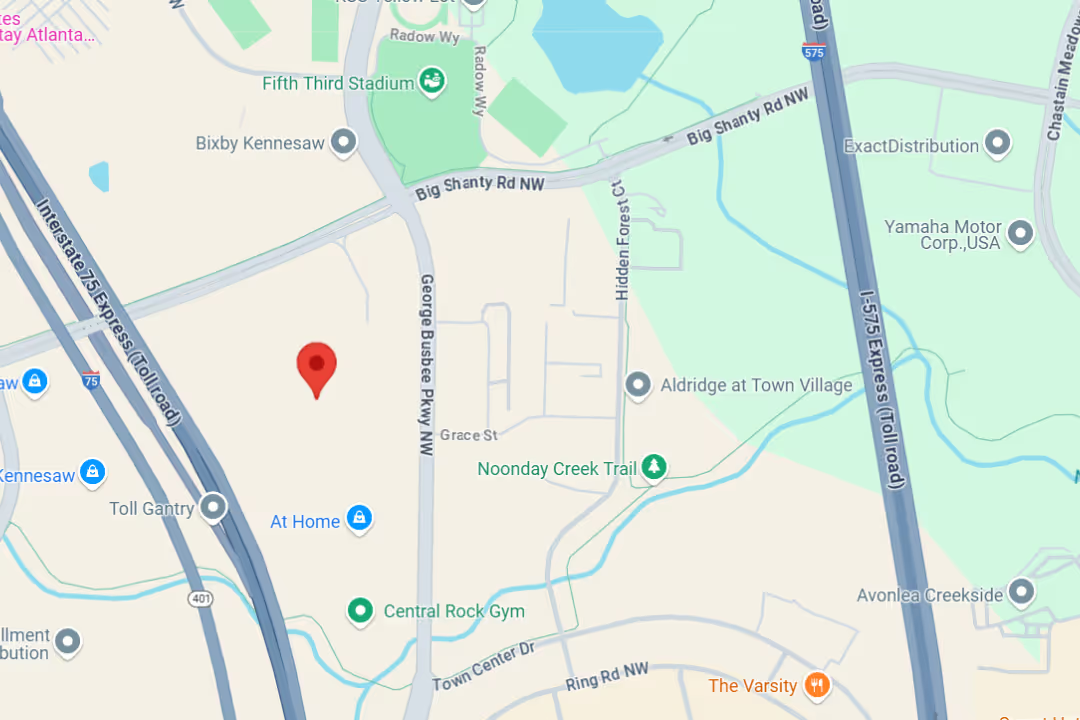
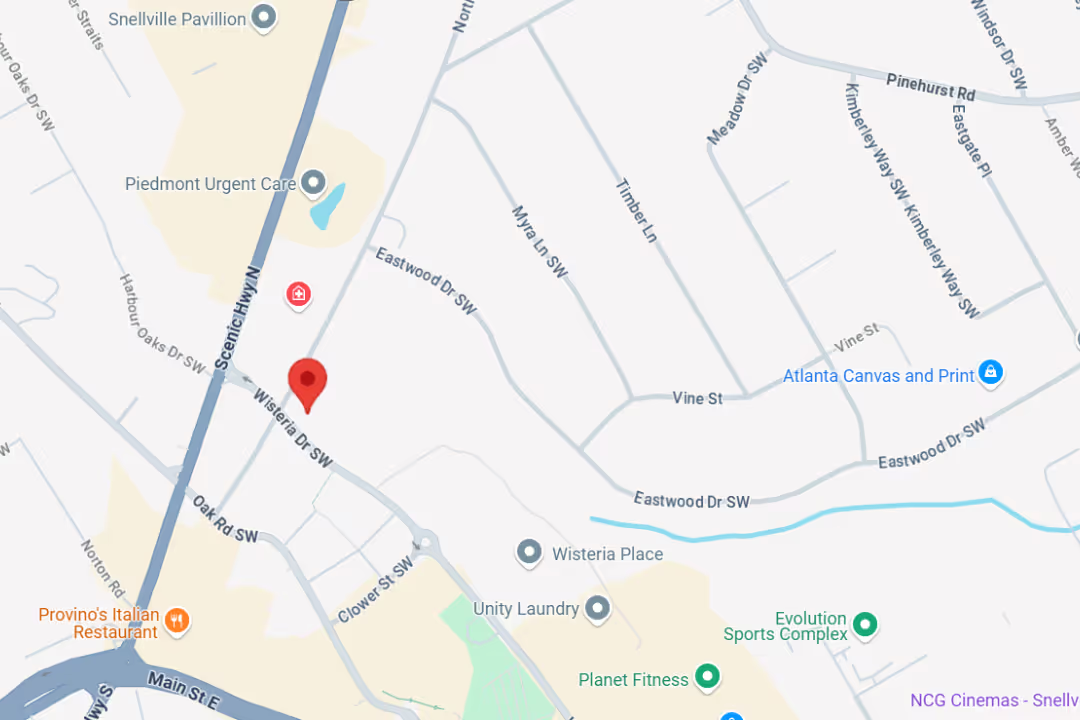
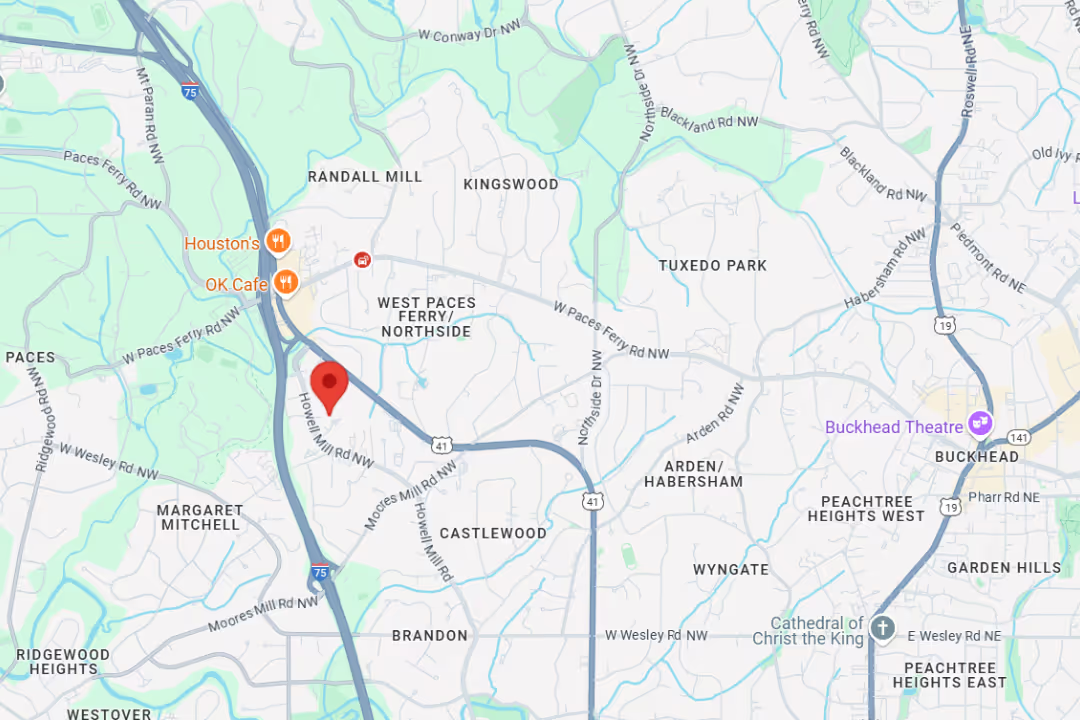
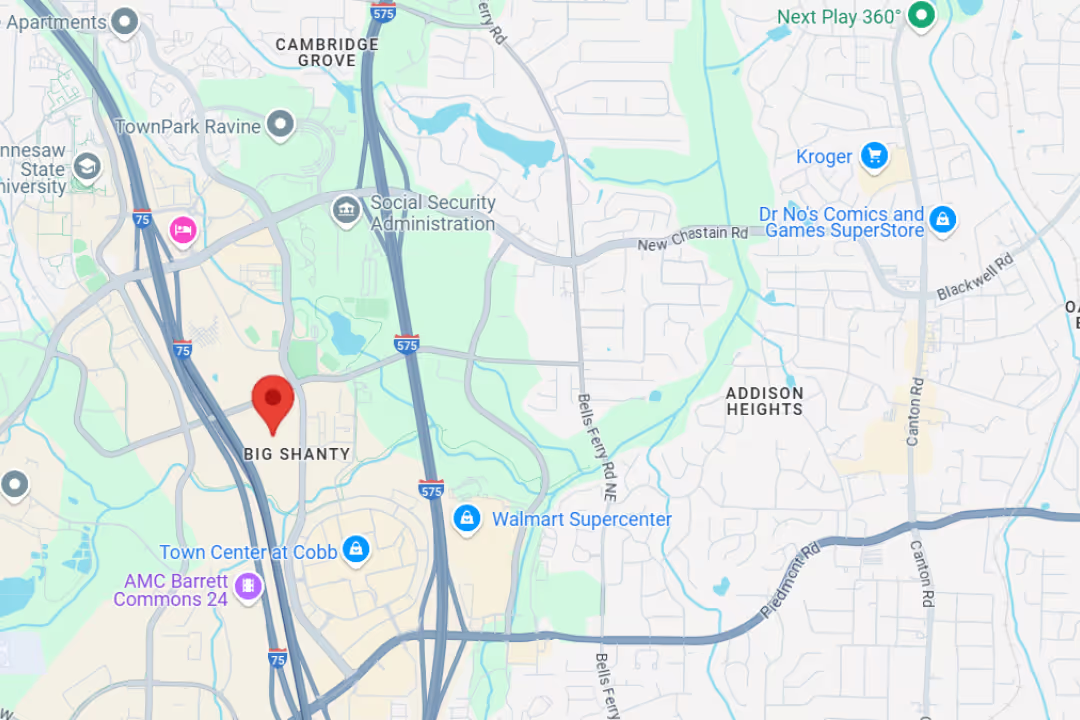
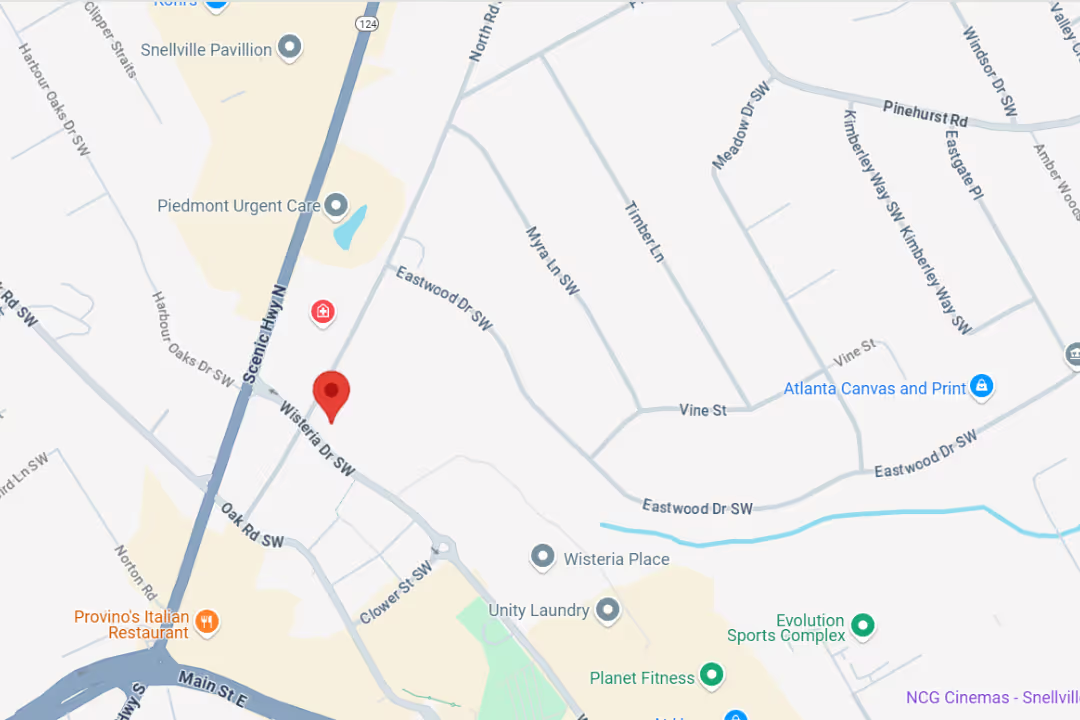
Medici accepts Medicare and many insurance plans. Clinic locations are available in Kennesaw, Snellville, and Buckhead (Atlanta), with ambulatory surgery centers in Marietta and Snellville.
At Medici, you’re more than your MRI.
We take time to hear your story, understand your pain, and create a plan that actually works for you.

Our team delivers specialist care at convenient locations across Metro Atlanta:
Get expert tips on injury recovery, pain relief, joint health, and movement strategies—straight from our Fellowship-Trained team.