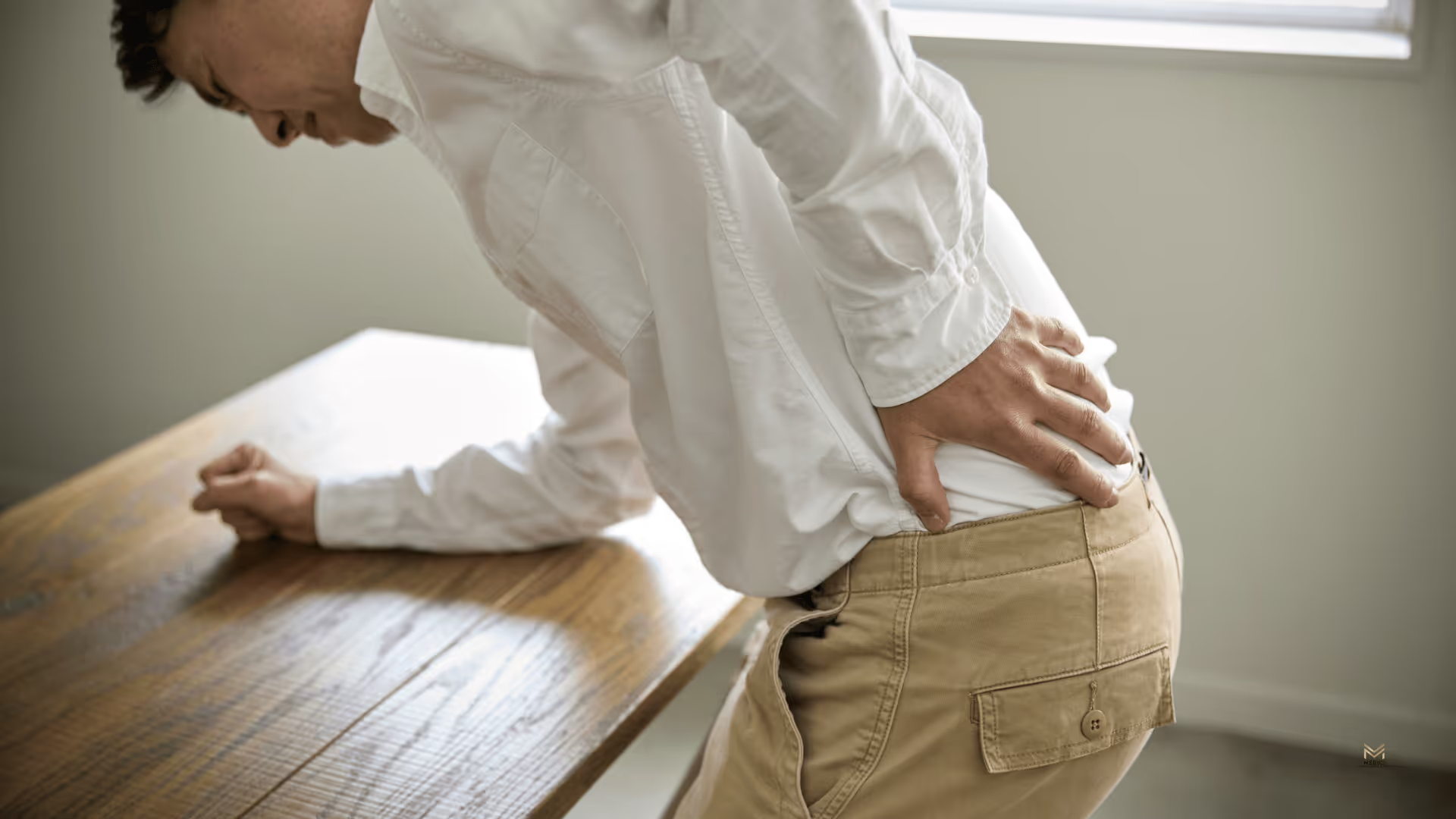
A herniated disc occurs when the soft, gel-like center of a spinal disc pushes through its tougher outer layer. When this happens, the disc material can irritate or compress nearby nerves, leading to significant and sometimes debilitating pain. While the condition is common, especially as we age, it can also affect younger adults due to sudden injuries or excessive strain.
These factors can lead to symptoms that vary widely in severity. Many people experience sharp or aching back pain, while others feel radiating leg pain—often called sciatica. Numbness, tingling, muscle weakness, and reduced mobility are also frequent indicators of disc-related nerve irritation.
Early evaluation is incredibly important. Without timely diagnosis and targeted treatment, nerve compression can worsen, healing may slow, and compensatory movement patterns may lead to additional joint or muscle problems.
At Medici Orthopaedics & Spine, we specialize in a conservative-first, minimally invasive approach to herniated disc pain. Our goal is to restore comfort and function while avoiding unnecessary medications or surgeries. We meet patients exactly where they are and guide them toward relief that lasts.
Your orthopedic doctor will start by gathering detailed information about your symptoms, including:
We’ll also explore:
Next comes a hands-on evaluation to assess how your spine and nerves are functioning.
Your doctor may test:
While not always required immediately, imaging can confirm a diagnosis when symptoms persist or are severe.
MRI:
The gold standard for detecting herniated discs. It allows us to see disc height, nerve compression, inflammation, and soft-tissue structures with remarkable clarity.
X-rays:
Useful for evaluating alignment, curvature, and bone health. While they cannot show discs themselves, they help rule out structural issues such as fractures or degenerative bone changes.
CT scans:
Occasionally used when MRI is not possible or when additional bone detail is needed.
Herniated disc symptoms can mimic several other conditions. A knowledgeable orthopedic doctor knows how to differentiate between:
A targeted physical therapy program remains one of the most effective nonsurgical treatments for disc-related pain. Your therapist will focus on:
When muscles around the spine tighten or spasm—often as a protective response—pain can worsen. Soft tissue therapies help by:
Medications may be used short-term to reduce pain and inflammation, but at Medici, they are always prescribed responsibly and conservatively.
Common medications include:
Medici Orthopaedics & Spine follows a drug-sparing philosophy, emphasizing healing over masking symptoms. We avoid long-term opioid therapy and instead focus on targeted, restorative solutions.
Daily habits play a powerful role in managing herniated disc symptoms.
Your orthopedic doctor may help you adjust:
These injections deliver anti-inflammatory medication directly around irritated nerves.
Benefits include:
A nerve root block targets a single irritated nerve with precision.
They provide:
When a herniated disc causes inflammation in nearby facet joints—or when facet arthritis is also present—pain may be compounded.
Facet injections help:
For patients with chronic back pain associated with facet irritation or post-herniation inflammation, RFA can provide longer-lasting relief.
This minimally invasive technique:
Herniated disc pain often forces patients to move differently, placing extra stress on the SI joint. This compensation can trigger new pain patterns.
SI joint injections or RFA help by:
PRP therapy involves concentrating your body’s own healing platelets and injecting them into target areas around the spine.
Benefits include:
Prolotherapy stimulates the body’s natural repair response to strengthen weakened or overstretched ligaments.
It supports healing by:
HBOT involves breathing concentrated oxygen in a pressurized chamber, dramatically increasing the amount of oxygen delivered to tissues and nerves.
Benefits include:
For patients whose nerve pain persists despite comprehensive treatment, Spinal Cord Stimulation (SCS) can provide meaningful relief.
SCS works by:
This therapy is reserved for chronic nerve pain that has resisted standard treatments—and it often provides life-changing improvements in mobility and quality of life.
Herniated disc pain can feel overwhelming—especially when it interferes with work, sleep, or the activities that bring joy into your life. But the truth is this: with the right orthopedic specialist, relief is absolutely within reach. You deserve a clear diagnosis, compassionate guidance, and a personalized treatment plan that helps you get back to moving freely and confidently. You do not have to settle for chronic discomfort or rely on unnecessary medications or surgeries.
With minimally invasive techniques and a patient-first approach, we focus on reducing downtime, restoring mobility, and empowering you with clear guidance and ongoing support. When you choose Medici, you’re not just receiving treatment—you’re gaining a dedicated partner in your recovery journey.
If you’re ready to find answers—and real relief—we’re here to help.
At Medici, you’re more than your MRI.
We take time to hear your story, understand your pain, and create a plan that actually works for you.

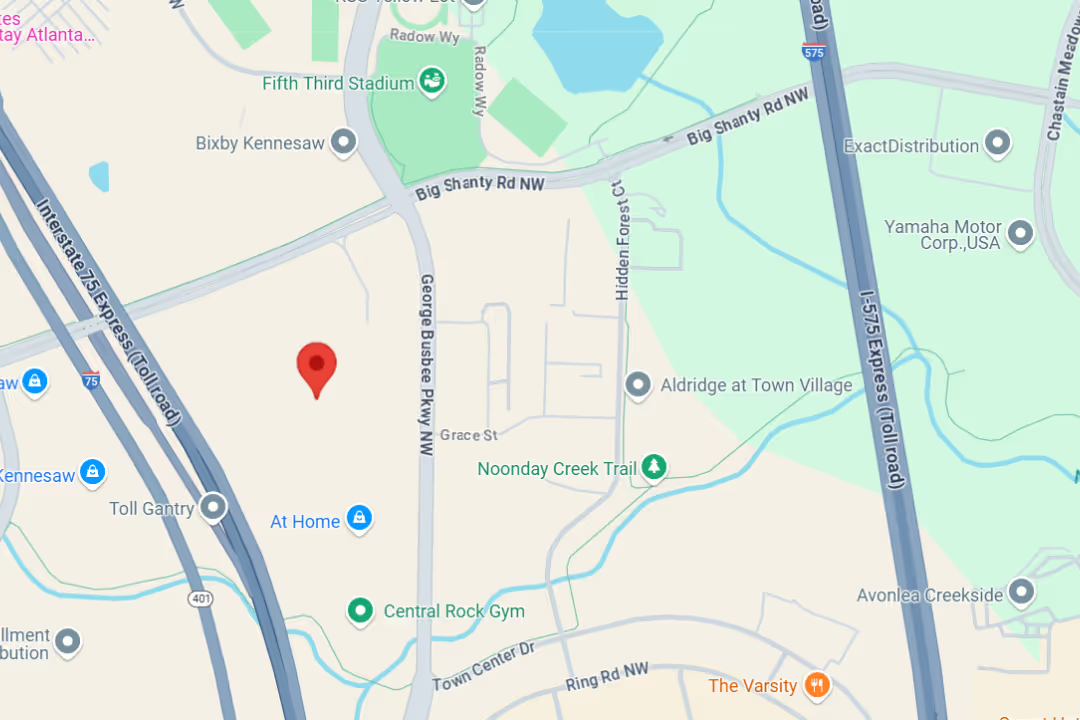
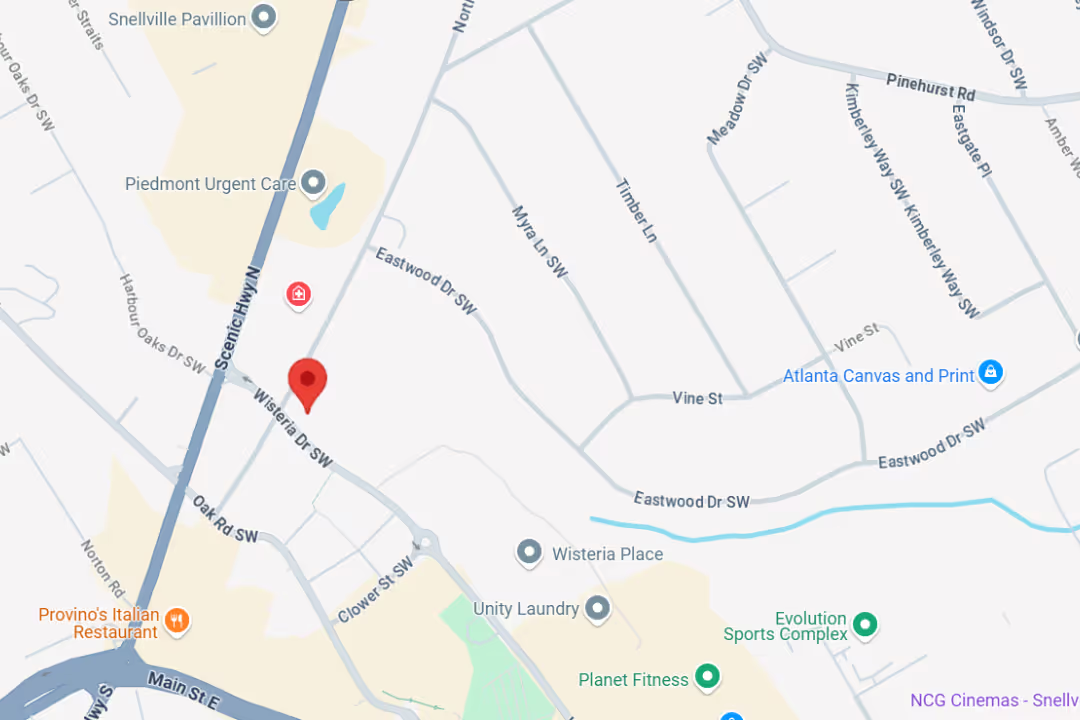
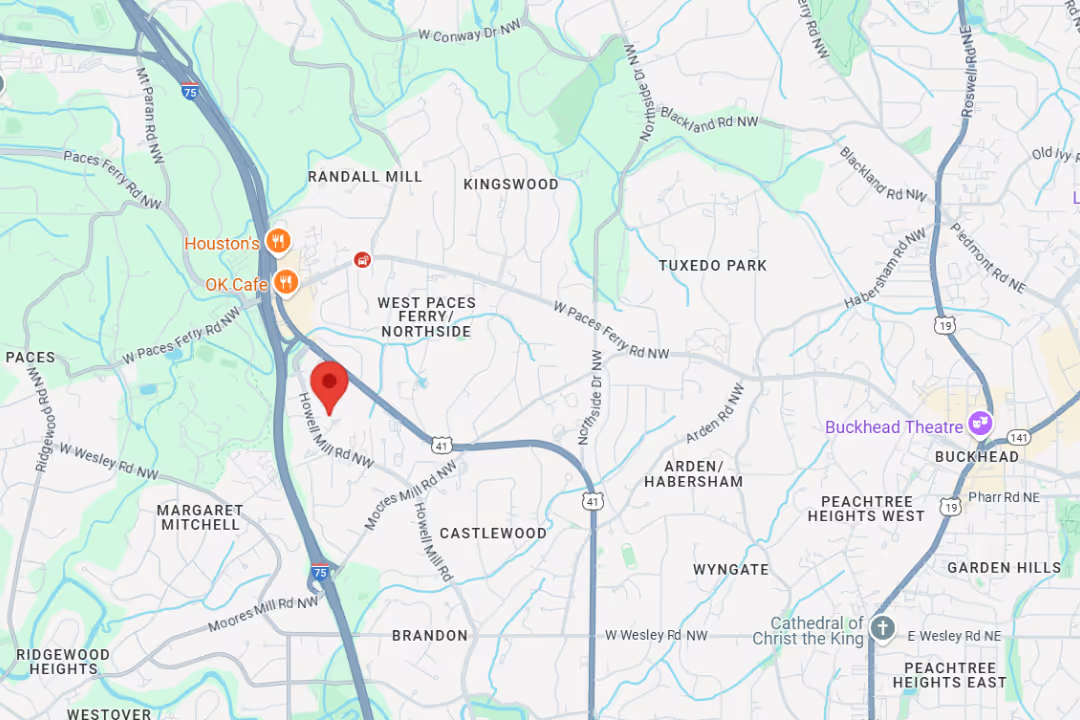
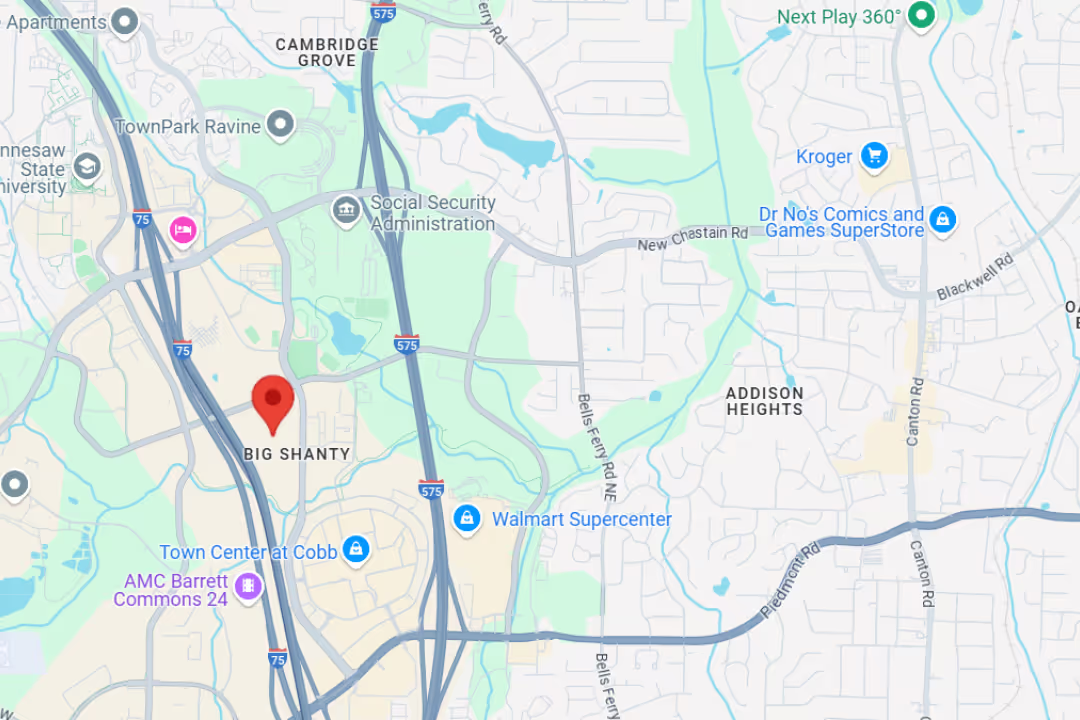
Our team delivers specialist care at convenient locations across Metro Atlanta:
Get expert tips on injury recovery, pain relief, joint health, and movement strategies—straight from our Fellowship-Trained team.