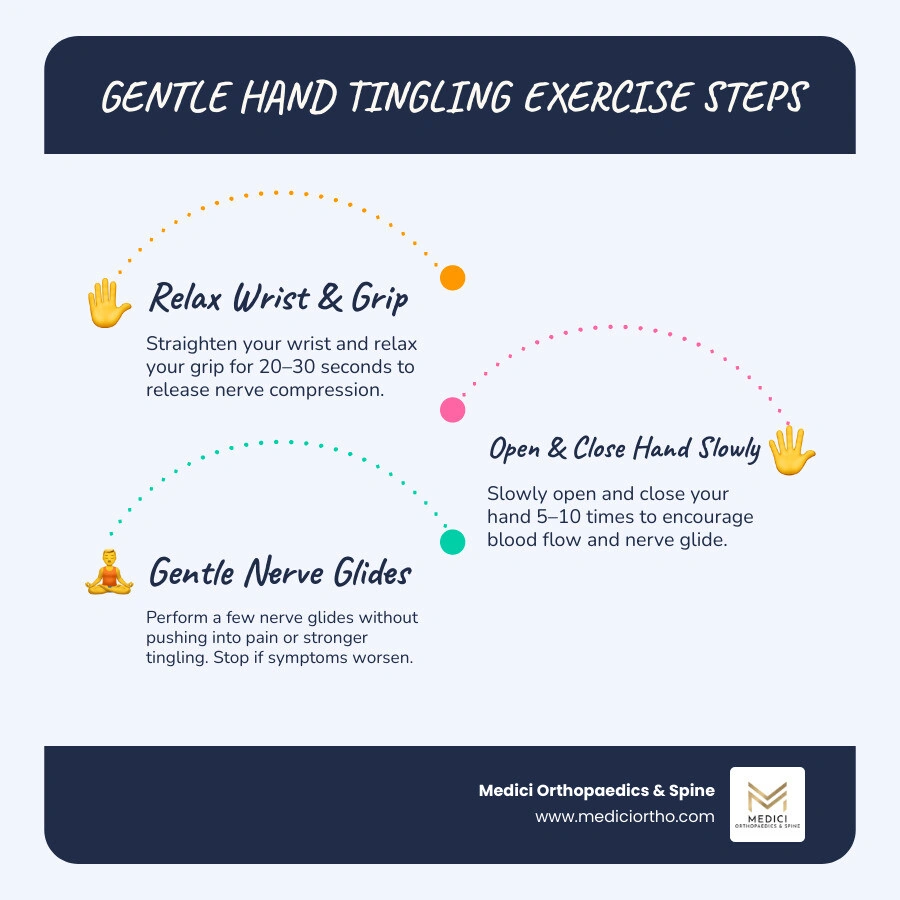
A gentle hand tingling exercise routine can help ease mild, activity-related pins-and-needles by improving movement in the wrist, fingers, forearm, neck, and shoulder. Start with these simple steps:
Hand tingling often follows sustained gripping, bent wrists, pressure on handlebars or weights, repetitive work, or tightness higher in the neck and shoulder. It can also come from nerve irritation at the wrist, elbow, or cervical spine - so the right exercise depends on where the nerve is being stressed.
The key is not to stretch aggressively or "push through" numbness. Mild symptoms that settle with rest and position changes may respond well to short, consistent mobility work. Tingling that is constant, worsening, wakes you at night, or comes with weakness deserves a medical evaluation.
I am Sonny Dosanjh, M.D., a board-certified Physical Medicine and Rehabilitation physician and fellowship-trained pain specialist. In my work with sports injuries, spine conditions, and nerve-related pain, I use hand tingling exercise strategies as one part of a personalized, non-surgical plan to restore comfortable movement and function.
Relevant articles related to hand tingling exercise:
When you feel a sudden "static" or pins-and-needles sensation during or after a workout, your nervous system is waving a tiny yellow flag. In our practice across the Atlanta metro area, we see this frequently in runners, cyclists, gym enthusiasts, and desk workers alike. Hand tingling (medically termed paresthesia) during exercise typically stems from three primary physiological events:
Understanding what causes nerve pain in your hands helps differentiate between benign exercise-induced sensations—which usually resolve within 5 to 10 minutes of resting—and true mechanical entrapment requiring targeted intervention.
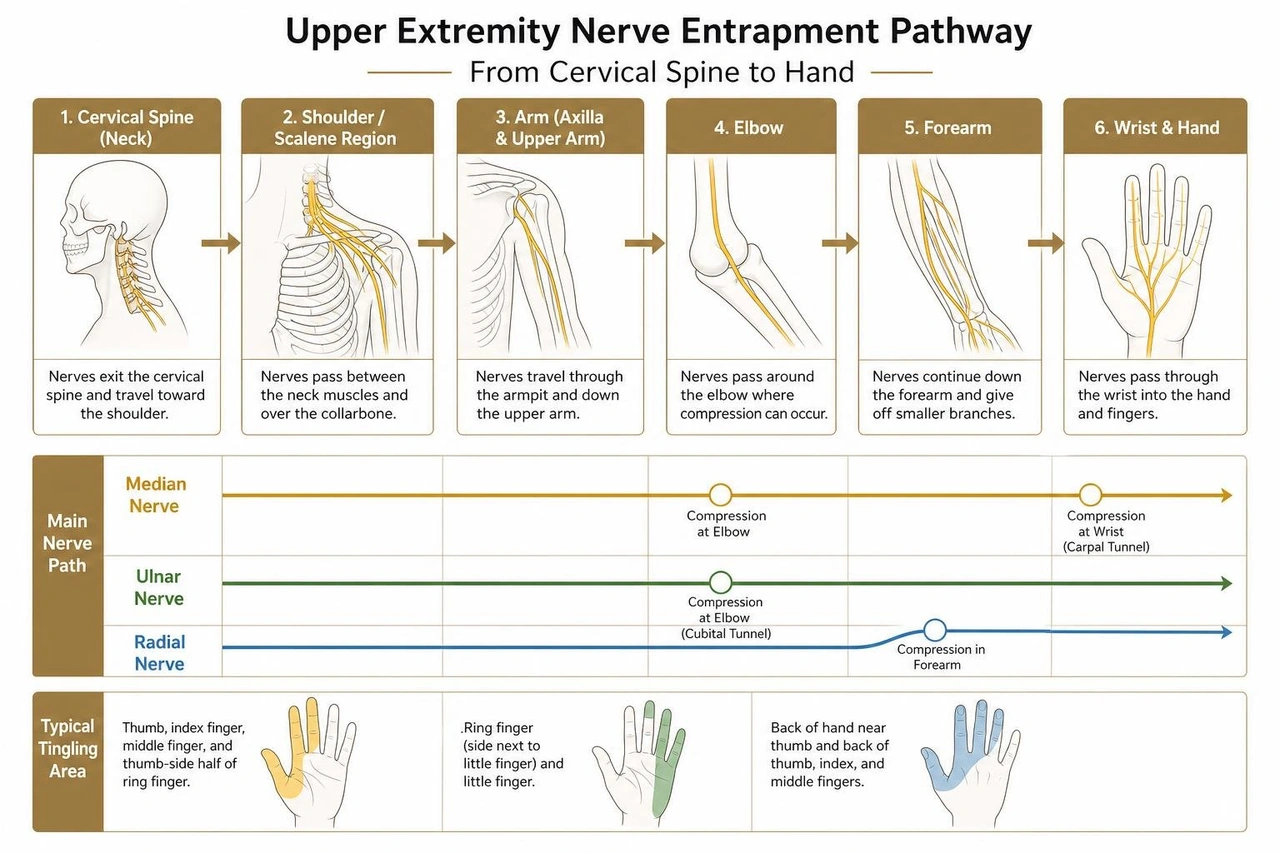
Your hand is innervated by three main peripheral nerves, each tracing a unique pathway from your neck down to your fingertips. Irritation at different entrapment sites creates distinct sensory patterns:
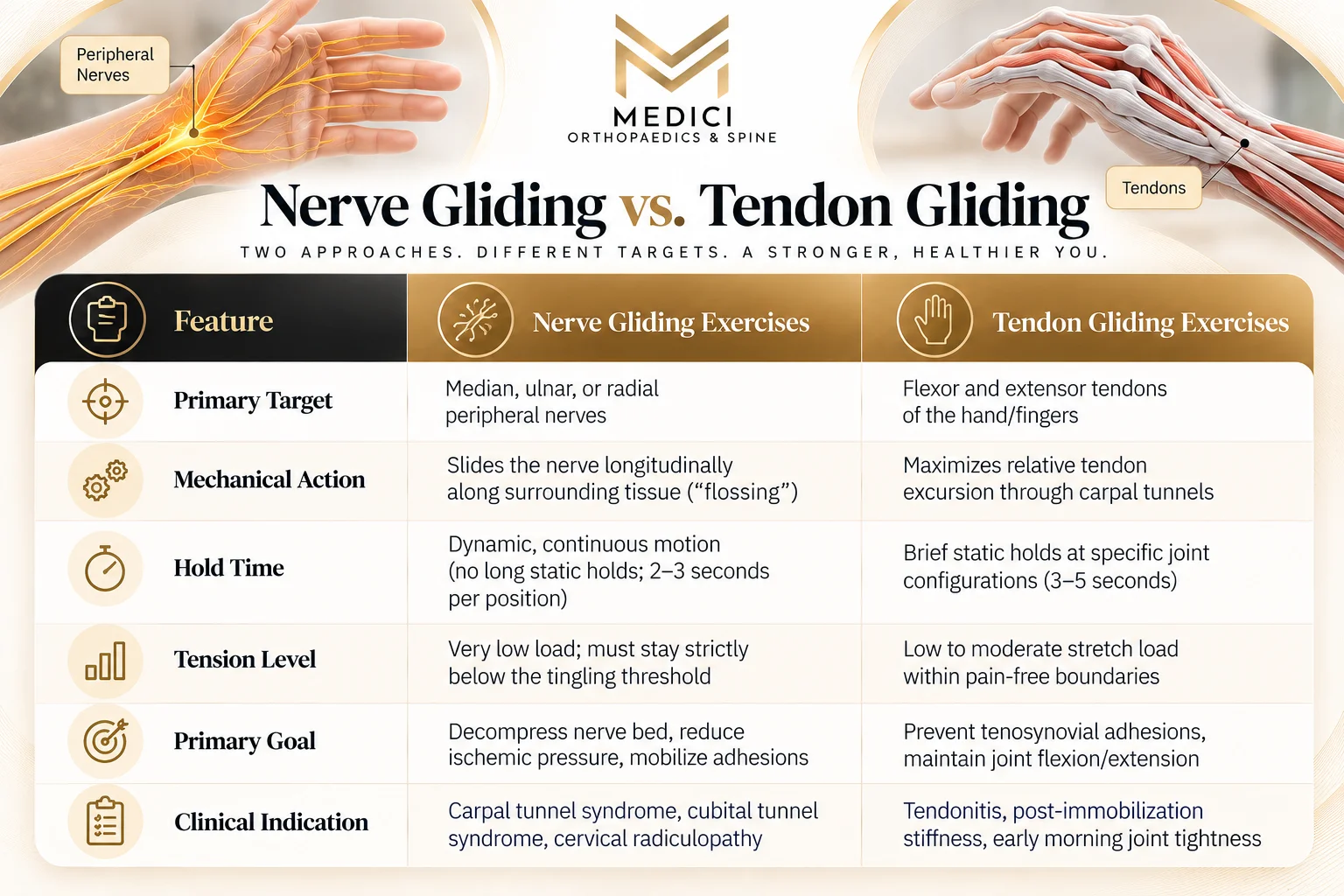
Patients often ask us whether they should perform nerve glides or tendon stretches. While both promote healthy mobility through anatomical tunnels, they serve entirely different mechanical functions.
Nerves are living communication cables that dislike high tension; they require gentle, rhythmic sliding movements to restore blood supply and disperse inflammatory fluids. Tendons, by contrast, are fibrous cords connecting muscle to bone that can tolerate higher tensile loads and require excursion through their protective sheaths to prevent scar tissue formation.
For the complete clinical management of hand and wrist pain and injuries, combining both techniques in a structured, pain-free sequence yields optimal tissue excursion.
Nerves require three things to function without symptoms: space, movement, and blood flow. When surrounding muscles, fascial layers, or ligaments become tight, the nerve gets snagged rather than sliding freely.
A helpful way to visualize nerve flossing is imagining a cooked spaghetti noodle moving smoothly through a wide straw. If the noodle dries out or the straw gets squeezed, friction increases. The following sequence restores that effortless glide.
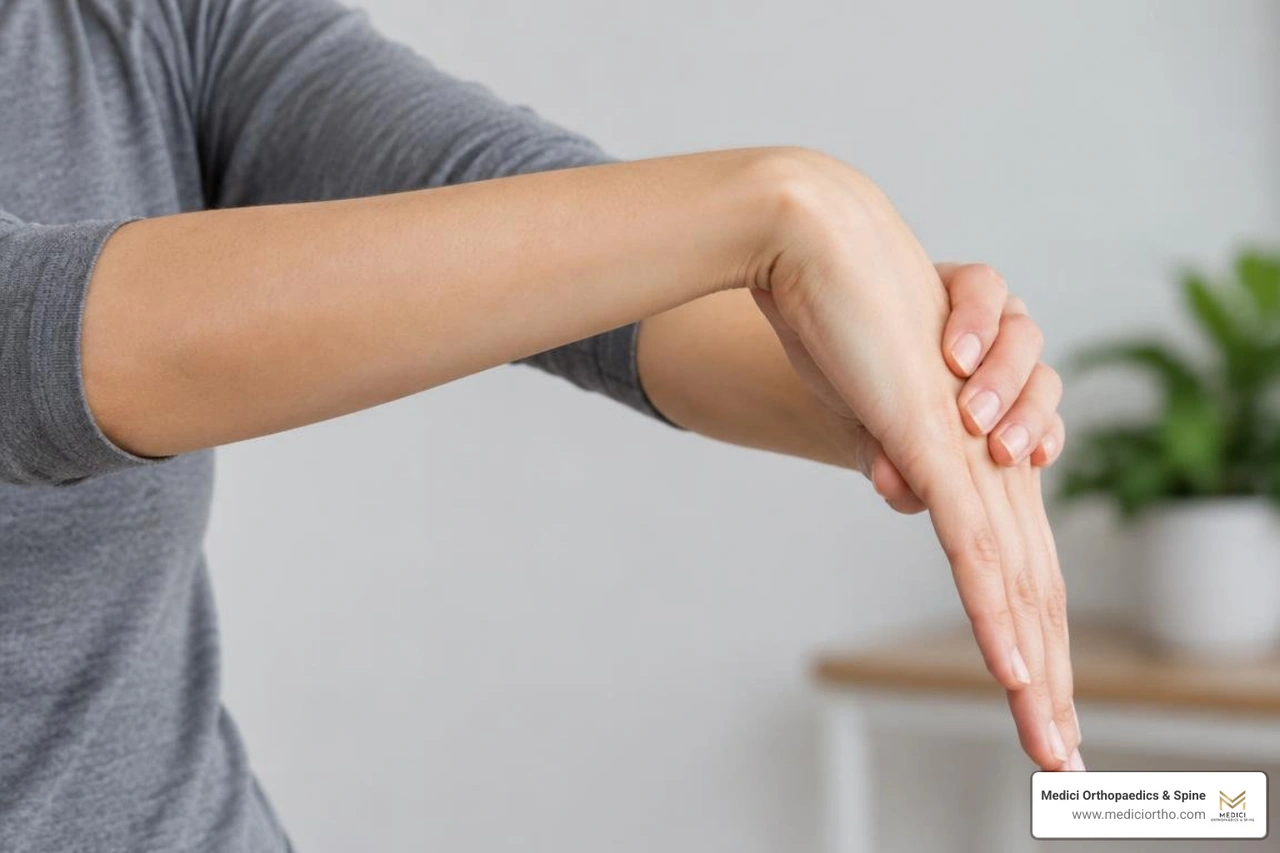
Clinical trials of nerve-gliding and tendon-gliding exercises show low- to moderate-certainty evidence of symptom improvement in mild to moderate carpal tunnel syndrome, making it an excellent first-line movement. It should always be performed as a flowing motion rather than an aggressive stretch.
For individuals exploring targeted carpal tunnel syndrome treatment protocols, this six-step dynamic sequence is foundational:
Dosing: Perform 5 to 10 repetitions smoothly, 2 to 3 times per day. If you begin to feel tingling during step 3 or 4, do not push further—reduce the range of motion until the sensation remains quiet.
When tingling concentrates along the pinky side or the top of the hand, targeted glides for the ulnar and radial nerves help clear pathway restrictions at the elbow and forearm.
For individuals managing concurrent joint stiffness, combining these neural glides with broader mobility drills ensures total upper extremity mobility.
Irritation at the wrist is often exacerbated by upstream compression at the cervical spine (nerve roots C6–T1) or thoracic outlet. Integrating gentle posture and upper-body decompression stretches ensures your nerves have room to breathe along their entire anatomical pathway.
Exercises work best when paired with daily mechanical relief. If you perform 5 minutes of nerve flossing but spend 8 hours leaning on your wrists at an awkward desk or sleeping with hyper-flexed fists, your nerves remain constantly irritated.
Consistency, not intensity, is the driving factor in nerve health. It takes about three to four weeks for patients who consistently do their hand exercises to experience noticeable relief.
Here is a practical, sustainable schedule to implement:
While gentle home exercises provide substantial relief for mild to moderate nerve compression, they are not a substitute for medical evaluation when deeper nerve pathology is present. Carpal tunnel syndrome affects 1 to 5 percent of the general population and is roughly three times more common in women than men. When compression goes untreated for too long, mechanical pressure can lead to axonal damage.
Consult a spine or orthopedic specialist if you notice any of these red flags:
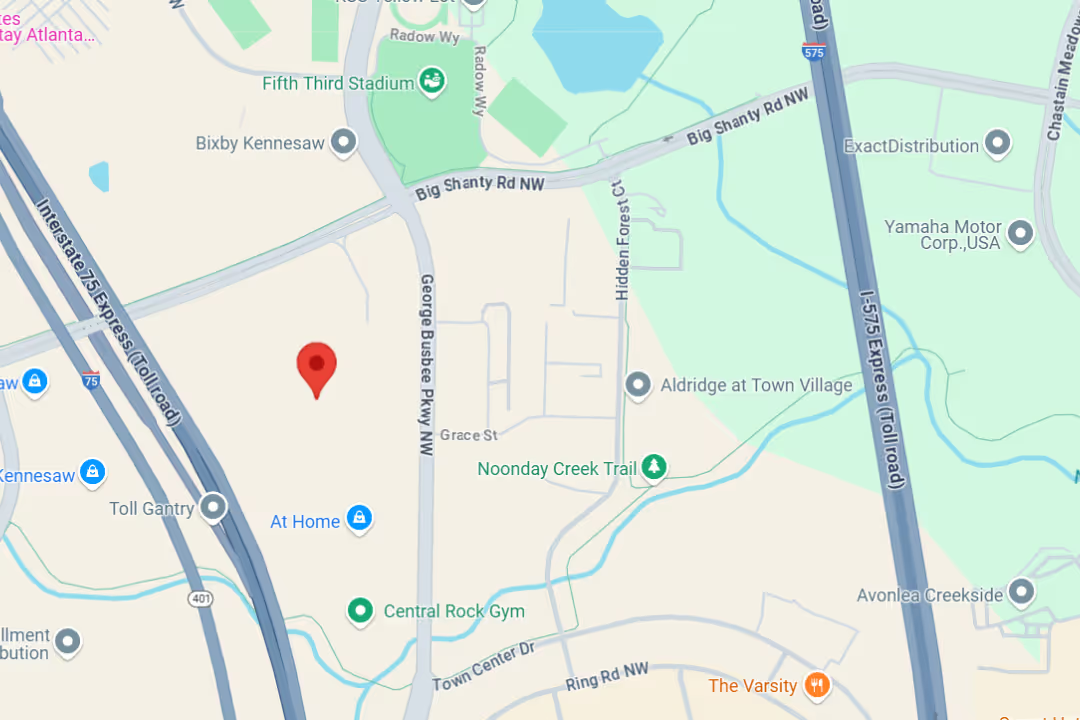
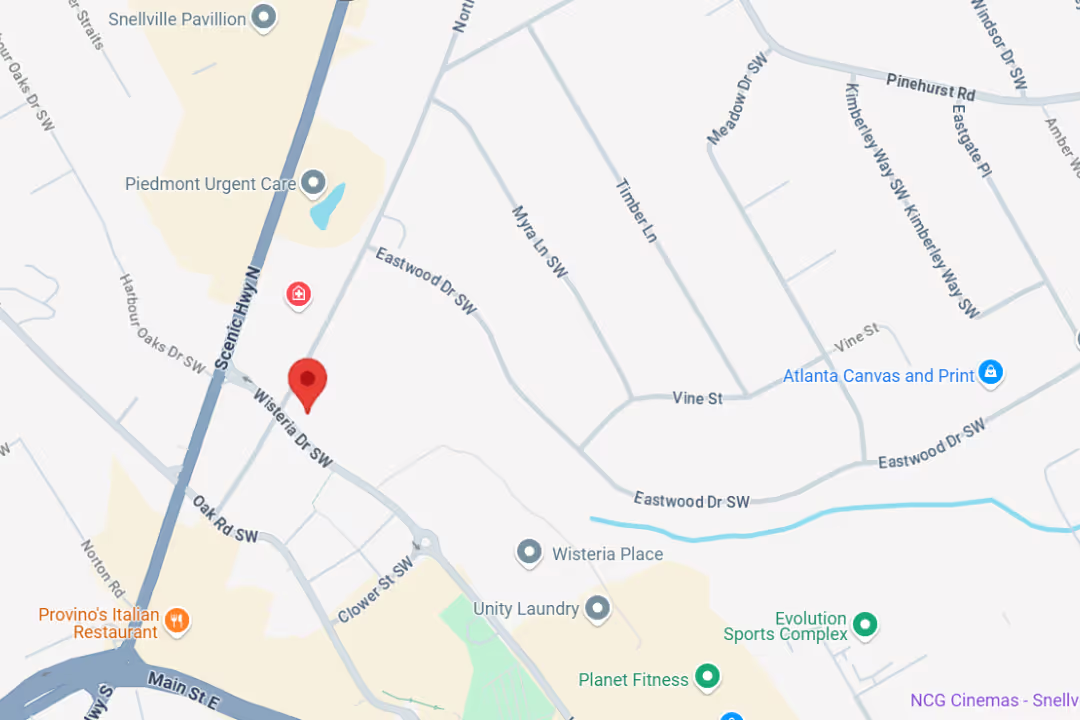
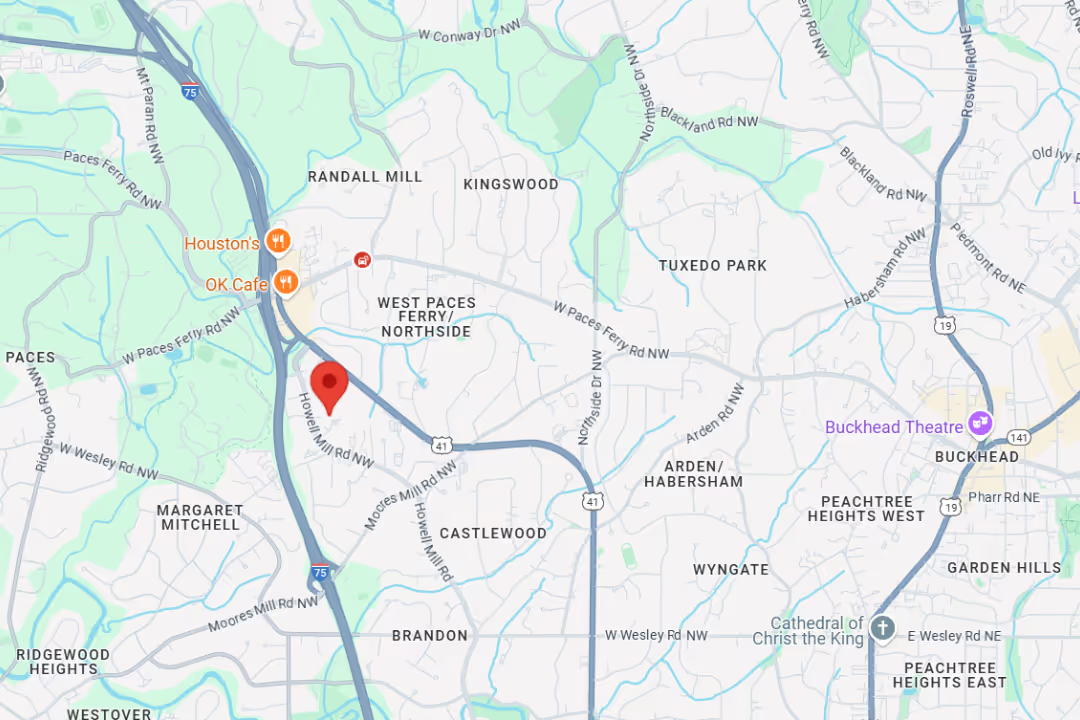
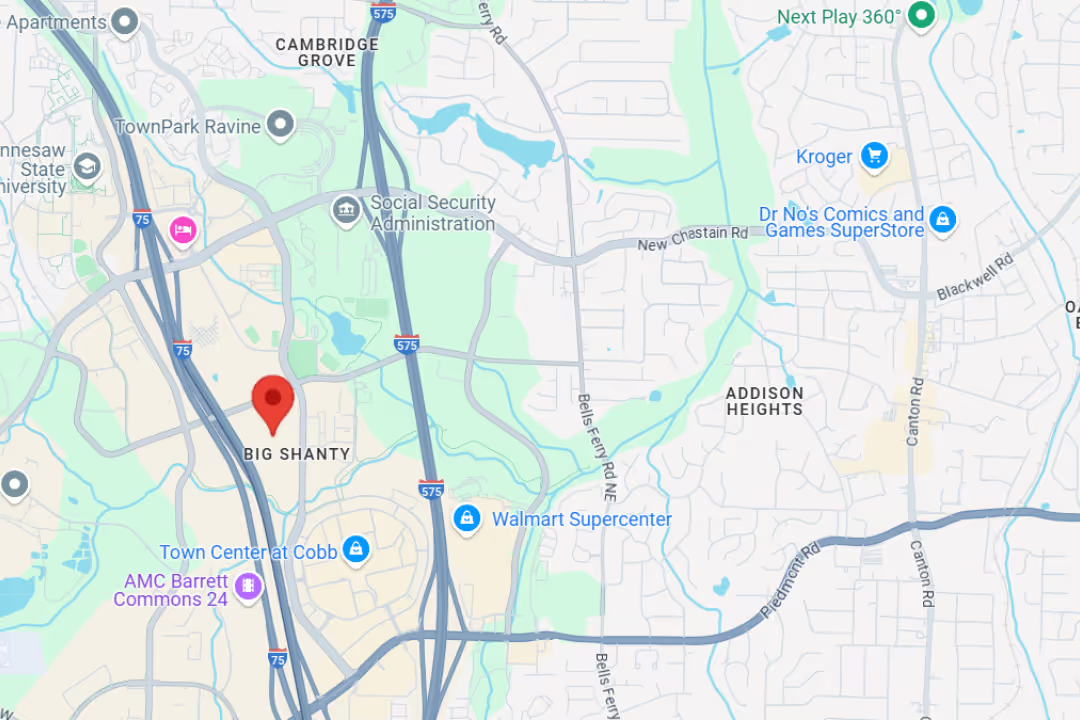
At Medici Orthopaedics & Spine, our medical team—led by Dr. Sonny Dosanjh across our Atlanta, Snellville, Kennesaw, Marietta, and Buckhead clinics—specializes in diagnosing the exact source of nerve compression using comprehensive physical exams, electrodiagnostic nerve conduction studies (EMG/NCS), and advanced imaging. We provide an array of conservative, synergistic options ranging from targeted physical therapy, myofascial release, and image-guided injections to interventional spine care and minimally invasive decompression procedures.
For mild to moderate nerve irritation, most patients begin noticing reduced frequency and severity of tingling within 3 to 4 weeks of consistent, daily exercise. Because nerve tissues heal and adapt gradually, maintaining a regular routine of gentle glides and ergonomic positioning is essential for lasting relief.
Yes, if they are performed too aggressively or held as static, end-range stretches. Nerves have a low threshold for mechanical stretch; over-straining an already inflamed nerve reduces its microvascular blood supply and triggers symptom flare-ups. If an exercise creates sharp pain, electric sensations, or increased numbness, immediately reduce the motion's range and speed, keeping all movements well below the symptom threshold.
The "flick sign" is an involuntary or habitual reaction where an individual vigorously shakes or flicks their wrist—much like shaking down a glass thermometer—to temporarily relieve hand numbness and tingling. While it is a classic diagnostic indicator of carpal tunnel syndrome, having a positive flick sign does not automatically mean you need surgery. Most cases improve with conservative therapies including night splinting, nerve gliding exercises, activity adjustments, and anti-inflammatory medical management.
Hand tingling during or after daily activities does not have to sideline your workouts or disrupt your work. By understanding the underlying nerve pathways, recognizing the early signs of entrapment, and implementing gentle, consistent mobilization drills, you can effectively calm irritated nerves and restore comfortable, pain-free mobility.
Remember: never force through tingling or numbness. Keep your movements smooth, unhurried, and supported by proper ergonomics. If your hand numbness persists, progressively worsens, or interferes with your daily strength, schedule an appointment with our specialist team at Medici Orthopaedics & Spine in Snellville, Kennesaw, Marietta, Buckhead, or Atlanta to receive a comprehensive clinical assessment, or explore how to relieve tingling sensation in hands naturally through our patient care programs.
At Medici, you’re more than your MRI.
We take time to hear your story, understand your pain, and create a plan that actually works for you.

Our team delivers specialist care at convenient locations across Metro Atlanta:
Get expert tips on injury recovery, pain relief, joint health, and movement strategies—straight from our Fellowship-Trained team.